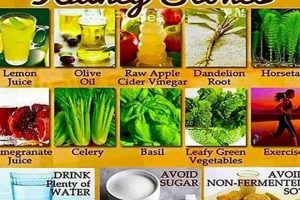
Natural treatments utilizing plants may offer relief from the symptoms of overactive bladder (OAB). These interventions often aim to reduce urinary frequency, urgency, and urge incontinence by targeting bladder muscle relaxation, nerve function modulation, or anti-inflammatory pathways within the urinary tract. Examples include preparations derived from pumpkin seed, horsetail, or various Chinese herbs traditionally used for bladder support.
The potential of plant-based therapies in managing OAB lies in their accessibility and perceived lower risk of side effects compared to conventional medications. Throughout history, various cultures have incorporated botanicals into their healthcare practices for urinary conditions. While not replacements for established medical treatments, these natural approaches provide options for individuals seeking complementary or alternative strategies to manage their symptoms.
Understanding the specific herbs used, their mechanisms of action, and the scientific evidence supporting their efficacy is essential for informed decision-making. The following sections will explore common botanical agents used for bladder health, examine the available research, and discuss important considerations regarding their safety and appropriate use.
Guidance on Plant-Based Approaches for Managing Overactive Bladder
The following suggestions are designed to provide individuals with pertinent information regarding integrating plant-derived interventions into an OAB management strategy. It is critical to consult a healthcare professional before initiating any new treatment regimen, including natural remedies, to ensure safety and avoid potential interactions with existing medications.
Tip 1: Prioritize a Comprehensive Evaluation: Before considering any treatment, obtain a formal diagnosis from a qualified medical practitioner. This assessment will rule out other potential causes of urinary symptoms and confirm OAB.
Tip 2: Research Herb-Drug Interactions: Certain plant-based compounds can interact with prescription drugs. Thoroughly research any potential interactions with current medications before incorporating herbal preparations.
Tip 3: Source Reputable Products: Opt for herbal supplements from reputable manufacturers who adhere to stringent quality control standards. Third-party testing can verify the purity and potency of the product.
Tip 4: Begin with Low Doses: Initiate treatment with a low dose of the selected herbal remedy to assess individual tolerance and minimize potential adverse effects. Gradually increase the dosage if needed, following the manufacturer’s recommendations and guidance from a healthcare provider.
Tip 5: Monitor Symptom Changes: Keep a detailed record of urinary symptoms, including frequency, urgency, and incontinence episodes. Track any changes in symptoms following the introduction of plant-based therapies. This record will assist in evaluating the effectiveness of the intervention.
Tip 6: Maintain Realistic Expectations: Plant-derived therapies may not provide immediate or complete relief from OAB symptoms. Allow sufficient time for the intervention to take effect, and manage expectations regarding the extent of symptom improvement.
Tip 7: Combine with Lifestyle Modifications: Plant-based remedies may be more effective when used in conjunction with lifestyle modifications, such as bladder training, fluid management, and pelvic floor exercises. A holistic approach can maximize symptom control.
In conclusion, the informed integration of plant-derived interventions requires careful consideration and the guidance of a qualified healthcare provider. Prioritizing safety, verifying product quality, and monitoring individual responses are essential components of responsible utilization.
This information serves as an educational resource and should not be interpreted as medical advice. Individuals with OAB should consult their healthcare provider for personalized treatment recommendations.
1. Botanical Source Identification

The precise identification of the plant source is paramount for the safe and effective use of plant-derived interventions for overactive bladder (OAB). Incorrect identification can lead to the use of the wrong plant species, which may lack the desired therapeutic properties or, worse, contain toxic compounds. This issue is further complicated by the existence of multiple species within a genus, each with potentially different chemical compositions and pharmacological effects.
The implications of misidentification extend beyond simply a lack of efficacy. For instance, certain plants may share morphological similarities with medicinal herbs, making visual identification unreliable without expert knowledge. A real-life example includes cases where toxic plants have been mistakenly used in herbal preparations, leading to adverse health outcomes, including liver damage or neurological effects. Therefore, a rigorous approach to botanical authentication, often involving microscopic analysis or DNA barcoding, is essential. This process is not merely an academic exercise but a critical step in ensuring the safety and efficacy of plant-based treatments for OAB. Only through meticulous verification can one confidently claim that the chosen “herbal remedies for OAB” are genuine and possess the intended therapeutic properties.
In summary, accurate botanical source identification is a fundamental requirement for the safe and effective application of plant-based interventions in OAB management. It protects against the risks of using ineffective or harmful plant materials and guarantees that the intended therapeutic compounds are present in the correct concentrations. Challenges remain in ensuring widespread adoption of robust identification methods, but the importance of this process cannot be overstated for those seeking to utilize “herbal remedies for OAB” safely and confidently.
2. Pharmacological Mechanisms

The effectiveness of plant-based treatments for overactive bladder (OAB) hinges on understanding their pharmacological mechanisms of action. These mechanisms describe how specific compounds within “herbal remedies for oab” interact with the body to produce a therapeutic effect. Without a clear understanding of these mechanisms, the use of herbal remedies remains largely empirical and may lack scientific rigor.
Several potential mechanisms could explain the observed benefits of certain herbs in OAB management. Some herbs may exert antispasmodic effects, directly relaxing the smooth muscle of the bladder and reducing the urge to urinate frequently. Others may modulate nerve activity, decreasing the sensitivity of bladder receptors to stimuli that trigger the urge sensation. For instance, some studies suggest that certain constituents in pumpkin seed extract might influence nitric oxide pathways, contributing to bladder muscle relaxation. Similarly, compounds in traditional Chinese medicine formulations are believed to impact the muscarinic receptors, akin to conventional anticholinergic medications. The absence of mechanistic understanding reduces the ability to predict efficacy, optimize dosing, and identify potential adverse effects or interactions with other drugs.
In conclusion, elucidating the pharmacological mechanisms of “herbal remedies for oab” is crucial for translating traditional use into evidence-based therapeutic strategies. This understanding allows for rational selection of herbs, optimization of treatment regimens, and the development of targeted therapies with enhanced efficacy and safety. The continued investigation of these mechanisms is essential for integrating plant-based medicine into mainstream OAB management.
3. Dosage Standardization

Dosage standardization is a critical aspect of utilizing “herbal remedies for oab” effectively and safely. The variability in plant composition and extraction methods necessitates standardized dosages to ensure consistent therapeutic outcomes and minimize adverse effects.
- Active Constituent Quantification
Dosage standardization often involves identifying and quantifying the active constituents responsible for the therapeutic effect. This process ensures that each dose contains a consistent amount of the relevant compounds. For example, if an herbal remedy for OAB contains flavonoids believed to be responsible for bladder muscle relaxation, the dosage would be standardized to provide a specific, measurable amount of these flavonoids. Without this standardization, the potency of different batches may vary significantly, leading to inconsistent results and potential undertreatment or overdosage.
- Standardized Extracts
Many herbal products are available as standardized extracts. These extracts undergo a manufacturing process that concentrates and isolates specific active compounds. The dosage is then determined based on the concentration of these compounds in the extract. An example includes a standardized extract of pumpkin seed, where the dosage is based on the amount of specific fatty acids or sterols known to contribute to bladder health. Standardized extracts offer greater consistency and predictability compared to crude herbal preparations.
- Bioavailability Considerations
Dosage standardization must also consider the bioavailability of the active constituents, which refers to the extent to which these compounds are absorbed and utilized by the body. Factors such as the formulation of the herbal remedy and individual differences in metabolism can affect bioavailability. For instance, some compounds may require specific carriers or enhancers to improve absorption. Dosage adjustments may be necessary to compensate for variations in bioavailability, ensuring that a sufficient amount of the active constituents reaches the target tissues to exert a therapeutic effect.
- Safety and Efficacy Relationship
Dosage standardization is intrinsically linked to safety and efficacy. Establishing a safe and effective dosage range requires careful clinical investigation to determine the optimal amount of the herbal remedy needed to produce therapeutic benefits without causing adverse effects. This process involves assessing the dose-response relationship and identifying the minimum effective dose and the maximum tolerated dose. Standardized dosages based on this research provide a framework for healthcare professionals to prescribe herbal remedies for OAB with confidence, maximizing therapeutic outcomes while minimizing the risk of harm.
In summary, dosage standardization is essential for harnessing the potential benefits of “herbal remedies for oab.” By quantifying active constituents, utilizing standardized extracts, considering bioavailability, and establishing a safety and efficacy relationship, dosage standardization ensures consistent therapeutic outcomes and minimizes risks. This approach enhances the credibility and utility of herbal remedies in OAB management.
4. Safety Profiles

The assessment of safety profiles is paramount when considering “herbal remedies for oab”. Unlike regulated pharmaceuticals, herbal products often lack the same level of rigorous safety testing, necessitating a thorough understanding of potential risks before use.
- Adverse Event Monitoring
Careful monitoring for adverse events is crucial. While some plant-derived compounds may be well-tolerated, others can cause a range of side effects, from mild gastrointestinal upset to more severe allergic reactions. For example, individuals with sensitivities to plants in the Asteraceae family (e.g., ragweed, chamomile) may experience allergic reactions to herbal remedies containing related species. Detailed documentation of any adverse symptoms is essential for assessing the overall safety profile.
- Herb-Drug Interactions
Potential interactions between herbal remedies and prescription medications represent a significant safety concern. Certain plant-based compounds can alter the metabolism or activity of conventional drugs, leading to increased toxicity or reduced efficacy. For instance, St. John’s Wort, commonly used for depression, is known to interact with numerous medications, including those used to treat cardiovascular conditions and autoimmune disorders. Before using any herbal remedy for OAB, a thorough review of potential drug interactions is imperative.
- Quality Control and Contamination
The quality and purity of herbal products directly impact their safety. Contamination with heavy metals, pesticides, or adulterants can pose serious health risks. Instances of lead or mercury contamination in herbal supplements have been documented, leading to severe neurological and organ damage. Choosing products from reputable manufacturers who adhere to stringent quality control standards and undergo third-party testing is crucial for minimizing these risks.
- Specific Populations and Contraindications
Certain populations may be more susceptible to the adverse effects of herbal remedies. Pregnant and breastfeeding women, children, and individuals with pre-existing medical conditions require special consideration. Some herbs may be contraindicated in these groups due to potential developmental toxicity, hormone-disrupting effects, or interactions with underlying health issues. A healthcare professional should be consulted to assess the suitability of “herbal remedies for oab” for these populations and identify any specific contraindications.
In conclusion, a comprehensive understanding of safety profiles is indispensable for the responsible use of plant-based treatments for OAB. Recognizing potential adverse events, herb-drug interactions, quality control issues, and population-specific considerations ensures that the benefits of “herbal remedies for oab” are weighed against potential risks, promoting informed decision-making and protecting patient safety.
5. Clinical validation
Clinical validation serves as the cornerstone for establishing the efficacy and safety of “herbal remedies for oab.” Without rigorous clinical trials, the use of such remedies remains largely empirical, relying on anecdotal evidence and traditional practices. This absence of scientific confirmation presents challenges in determining optimal dosages, identifying potential adverse effects, and accurately assessing therapeutic benefits. The causal relationship is straightforward: clinical trials, if well-designed and executed, provide evidence that either supports or refutes the claims made about the effectiveness of a particular “herbal remedies for oab.” The importance of this validation cannot be overstated, as it protects patients from ineffective or potentially harmful treatments.
A practical example illustrates the significance of clinical validation. Consider pumpkin seed extract, a common herbal remedy for OAB. Initial anecdotal reports suggested it could reduce urinary frequency and urgency. However, it was not until controlled clinical trials were conducted that a clearer understanding of its effectiveness emerged. These trials allowed researchers to quantify the extent of symptom improvement, identify the optimal dosage range, and assess the safety profile of the extract. This clinical validation process transformed pumpkin seed extract from a promising but unproven remedy into a more credible treatment option for OAB. Similarly, other herbal remedies require similar levels of scrutiny to gain acceptance within the medical community and to ensure patient safety. The practical significance of this understanding is that healthcare professionals can make evidence-based recommendations, and patients can make informed choices about their treatment options.
In summary, clinical validation is indispensable for integrating “herbal remedies for oab” into evidence-based medical practice. It transforms anecdotal claims into scientifically supported treatments, enabling healthcare professionals to offer safe and effective options to patients. While challenges remain in conducting high-quality clinical trials on herbal remedies, the investment in such research is essential for advancing the field and ensuring the well-being of individuals seeking alternative treatments for OAB. This pursuit aligns with the broader goal of providing comprehensive and validated healthcare options.
Frequently Asked Questions
This section addresses common inquiries and misconceptions regarding the use of plant-based interventions for managing overactive bladder (OAB). The information provided aims to offer clarity and guidance on this complex topic.
Question 1: Are herbal remedies for OAB a substitute for conventional medical treatment?
Herbal remedies should not be considered a replacement for established medical treatments for OAB. Conventional treatments, such as medications and bladder training, have undergone rigorous clinical testing and are generally considered the first-line approach. Plant-based remedies may be used as complementary therapies under the guidance of a qualified healthcare professional.
Question 2: How can one be certain that an herbal remedy for OAB is safe?
Ensuring the safety of herbal remedies involves several steps. It is important to source products from reputable manufacturers who adhere to quality control standards and provide third-party testing results. Researching potential herb-drug interactions and consulting with a healthcare provider are also essential for minimizing risks.
Question 3: What is the typical timeframe for experiencing results from herbal remedies for OAB?
The timeframe for experiencing results can vary depending on the individual, the specific herbal remedy used, and the severity of OAB symptoms. Some individuals may notice improvements within a few weeks, while others may require several months of consistent use. Managing expectations and tracking symptom changes are crucial.
Question 4: Are there specific herbal remedies that are more effective for OAB than others?
The effectiveness of different herbal remedies can vary among individuals. Some commonly used herbs for OAB include pumpkin seed extract, horsetail, and various traditional Chinese herbs. However, the scientific evidence supporting their efficacy is often limited, and more research is needed to determine which remedies are most effective for specific individuals.
Question 5: Can herbal remedies for OAB be used in conjunction with other treatments, such as bladder training?
Plant-based remedies may be used in conjunction with other treatments, such as bladder training and lifestyle modifications. A holistic approach that combines multiple strategies may be more effective for managing OAB symptoms. However, it is essential to consult with a healthcare provider before combining herbal remedies with other treatments to avoid potential interactions or adverse effects.
Question 6: What are the potential side effects associated with herbal remedies for OAB?
Potential side effects can vary depending on the specific herbal remedy used. Some common side effects include gastrointestinal upset, allergic reactions, and interactions with medications. Individuals should carefully monitor for any adverse symptoms and discontinue use if they experience concerning side effects.
In summary, the use of plant-based interventions for OAB requires careful consideration and the guidance of a qualified healthcare provider. Prioritizing safety, verifying product quality, and monitoring individual responses are essential components of responsible utilization.
The following section will delve into specific plant-based compounds and their purported benefits for managing OAB symptoms.
Conclusion
This discussion has explored the landscape of herbal remedies for OAB, emphasizing the need for a balanced perspective. While some plant-derived options show promise in alleviating symptoms, a strong evidence base is still needed. Factors such as botanical identification, dosage standardization, and safety profiles are critical to inform responsible use. The decision to incorporate these treatments should be made in consultation with a qualified healthcare professional, ensuring appropriate evaluation, guidance, and monitoring.
The ongoing research and critical assessment of herbal remedies for OAB represent a continuing effort to expand treatment options. As the understanding of these botanical interventions advances, the potential for safe and effective integration into comprehensive OAB management strategies may increase, offering a more patient-centered approach to care. However, caution and informed decision-making remain paramount.