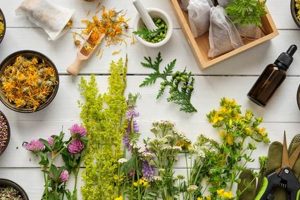
The utilization of botanical substances to alleviate the symptoms and potentially manage the growth of uterine fibroids, non-cancerous tumors that develop in the uterus, constitutes a significant area of interest in complementary and alternative medicine. These natural approaches encompass a variety of plant-derived materials traditionally employed to address hormonal imbalances, reduce inflammation, and promote overall uterine health, with the intention of mitigating the discomfort associated with this prevalent condition.
Historically, many cultures have integrated plant-based treatments into their healthcare practices, and the ongoing exploration of these natural compounds offers a potential avenue for individuals seeking alternatives or complementary strategies to conventional medical interventions. The interest in these approaches stems from a desire to explore potentially gentler or more holistic methods that align with individual health philosophies and potentially reduce reliance on pharmaceutical treatments.
A comprehensive review of the commonly explored botanical agents, their purported mechanisms of action, and the scientific evidence supporting their effectiveness, along with critical considerations regarding safety and potential interactions with conventional treatments, will be elaborated in subsequent sections. This exploration aims to provide an unbiased assessment of the current state of knowledge surrounding the use of natural substances in managing fibroids.
Considerations Regarding Botanical Approaches
The following points are presented to provide guidance when exploring the adjunctive use of plant-derived substances for the management of uterine fibroids. These are offered as general information and should not replace professional medical advice.
Tip 1: Prioritize Consultation with a Qualified Healthcare Professional: Before initiating any botanical regimen, a thorough discussion with a physician or qualified healthcare provider is essential. This is to ensure proper diagnosis, rule out contraindications with existing medications, and establish a comprehensive treatment plan.
Tip 2: Research the Scientific Evidence: Investigate the available scientific literature regarding the efficacy and safety of specific plants. Prioritize information from reputable sources, such as peer-reviewed journals and academic institutions, to make informed decisions.
Tip 3: Emphasize the Importance of Standardized Extracts: If considering a specific plant-based compound, opt for standardized extracts. These products contain a consistent concentration of the active ingredient(s), ensuring a more predictable and reliable therapeutic effect. Verify third-party testing to confirm purity and potency.
Tip 4: Be Aware of Potential Interactions: Botanical substances can interact with prescription medications. For instance, some herbs may affect blood clotting or influence the metabolism of certain drugs. A healthcare provider or pharmacist can assess potential interactions based on an individual’s specific medication regimen.
Tip 5: Monitor for Side Effects: Closely observe the body’s response to any newly introduced substances. Discontinue use and seek medical advice if any adverse reactions occur, such as allergic reactions, gastrointestinal distress, or changes in menstrual cycles.
Tip 6: Adopt a Holistic Approach: While certain plants may offer symptomatic relief, an integrated approach that encompasses dietary modifications, stress management techniques, and regular exercise can contribute to overall well-being and potentially support uterine health.
Tip 7: Understand Limitations: Plant-derived substances may not offer a complete resolution for uterine fibroids. A realistic understanding of the potential benefits and limitations is crucial. These approaches should be considered as adjunctive therapies rather than replacements for conventional medical treatments when indicated.
These guidelines are meant to encourage informed decision-making and highlight the importance of professional medical supervision when considering the incorporation of plant-derived substances into a fibroid management strategy.
The subsequent section will provide a synthesis of conventional medical approaches to fibroid treatment, offering a comparative perspective to enable a well-rounded understanding of available options.
1. Traditional Usage

Traditional usage provides a historical lens through which to examine the application of plant-based remedies for uterine fibroids. This perspective illuminates the longstanding integration of botanical medicine in various cultural healthcare practices, revealing how certain plants have been historically perceived and employed to address gynecological conditions.
- Historical Context
Many cultures throughout history have incorporated herbal medicine into their healthcare systems. The records and practices of Traditional Chinese Medicine (TCM), Ayurveda, and various indigenous traditions reveal the use of specific plants to address conditions similar to fibroids. These traditions often viewed uterine health as integral to overall well-being and employed herbs to restore balance and harmony within the body. The relevance of this context lies in providing a foundation for modern research, suggesting potential avenues for investigation based on time-tested practices.
- Specific Botanical Agents
Certain plants have consistently appeared in traditional remedies for uterine issues across diverse cultures. Examples include Vitex agnus-castus (Chasteberry) for hormonal balance, various anti-inflammatory herbs, and plants believed to promote uterine circulation. These plants were often prepared as teas, tinctures, or poultices, and their use was typically guided by experienced herbalists or healers. Documenting these historically significant plant compounds helps identify candidates for modern scientific study.
- Theoretical Frameworks
Traditional systems of medicine often operate within distinct theoretical frameworks that differ from modern biomedical perspectives. For instance, TCM emphasizes the concept of Qi (energy) and blood stasis, viewing fibroids as manifestations of these imbalances. Ayurvedic medicine focuses on doshas (constitutions) and seeks to restore equilibrium through dietary and lifestyle adjustments alongside herbal remedies. Understanding these frameworks provides insight into the rationale behind the selection and application of specific plants.
- Empirical Evidence
Traditional usage primarily relies on empirical evidence, that is, observations and experiences accumulated over generations. While this type of evidence lacks the rigor of controlled clinical trials, it can provide valuable clues regarding the potential effectiveness of certain plants. Documented successes and failures within traditional practices can inform modern research by highlighting herbs that warrant further investigation and identifying potential risks or limitations.
In conclusion, the study of traditional usage offers a rich source of information regarding botanical approaches to fibroid management. While not a substitute for modern scientific research, it offers valuable insights into the historical context, specific plants, and theoretical frameworks that have shaped the use of herbal remedies for this condition. A comprehensive understanding of traditional practices can inform future investigations and potentially contribute to the development of safer and more effective treatments.
2. Phytochemical Composition

The phytochemical composition of plants forms the basis for their potential therapeutic effects, including their use in managing uterine fibroids. These chemical constituents, produced naturally by plants, interact with biological systems in various ways, influencing physiological processes that may be relevant to fibroid growth and symptom management. Therefore, understanding the specific phytochemicals present in medicinal plants is crucial for assessing their potential efficacy and safety.
- Flavonoids and Polyphenols
Flavonoids and polyphenols are a diverse group of plant compounds known for their antioxidant and anti-inflammatory properties. They can neutralize free radicals, reduce oxidative stress, and modulate inflammatory pathways. In the context of fibroids, these actions may help to reduce inflammation in the uterine tissues and potentially inhibit the growth of fibroid cells. Examples include quercetin, found in many fruits and vegetables, and epigallocatechin gallate (EGCG) from green tea. The consumption or application of these compounds, in concentrated herbal remedies, might offer localized benefits, though further research is needed to confirm their efficacy.
- Terpenoids and Essential Oils
Terpenoids are another large class of plant compounds with diverse biological activities, including anti-inflammatory, analgesic, and anti-tumor effects. Essential oils, composed of volatile terpenoids, are often used in aromatherapy and topical applications. Some terpenoids may influence hormone metabolism or interfere with the signaling pathways involved in cell proliferation. For example, certain terpenoids have demonstrated cytotoxic effects on cancer cells in vitro. While the direct impact on fibroid cells remains under investigation, these properties suggest potential mechanisms by which they could contribute to fibroid management.
- Alkaloids
Alkaloids are nitrogen-containing organic compounds found in many plants, often exhibiting potent pharmacological effects. Some alkaloids can affect hormone levels, nerve transmission, and cell growth. For instance, some alkaloids have been shown to modulate estrogen receptors or inhibit the production of growth factors that promote fibroid development. However, due to their potent activity, alkaloids can also have significant side effects, requiring careful consideration of dosage and potential interactions when used in herbal remedies.
- Lignans and Phytoestrogens
Lignans and phytoestrogens are plant-derived compounds that can bind to estrogen receptors and exert estrogenic or anti-estrogenic effects. These compounds may help to modulate hormone balance, which is often disrupted in women with fibroids. For example, some phytoestrogens can selectively block estrogen receptors in uterine tissues, potentially reducing the growth-promoting effects of estrogen on fibroid cells. However, the effects of phytoestrogens can be complex and may vary depending on individual hormone levels and the specific type of phytoestrogen. Caution is warranted when using phytoestrogen-containing herbal remedies, particularly in women with hormone-sensitive conditions.
The individual or combined actions of these phytochemicals determine the overall effect of a plant on fibroids, yet their presence alone does not guarantee efficacy. Factors such as bioavailability, dosage, and individual responses can influence outcomes. Therefore, while the phytochemical composition provides a rationale for using certain plants, it must be considered in conjunction with other factors, including clinical evidence and potential safety concerns, when evaluating the potential of herbal remedies for fibroids.
3. Hormonal Modulation

Uterine fibroids exhibit a recognized sensitivity to hormonal influences, particularly estrogen and progesterone. These hormones stimulate the growth of fibroid tissue, and fluctuations in their levels can exacerbate or alleviate symptoms. Consequently, herbal remedies targeting hormonal modulation have emerged as a significant area of interest. These botanical interventions aim to re-establish hormonal equilibrium, potentially mitigating fibroid growth and associated discomfort. For example, Vitex agnus-castus, commonly known as Chasteberry, is traditionally employed to influence prolactin and progesterone levels, indirectly impacting the estrogen-progesterone ratio. Similarly, certain phytoestrogens found in plants like red clover are investigated for their ability to selectively bind to estrogen receptors, potentially blocking the stimulatory effects of endogenous estrogen on fibroid cells.
The effectiveness of hormonal modulation through herbal remedies hinges on the specificity and selectivity of their actions. Non-selective hormonal interventions can produce unintended consequences, highlighting the necessity for targeted approaches. For instance, while some herbs may reduce overall estrogen levels, this can lead to adverse effects such as menopausal symptoms or bone density loss. Therefore, research is directed toward identifying herbal compounds that can selectively modulate estrogen activity within uterine tissue or influence progesterone pathways to counter estrogen’s effects. Real-world applications involve integrating these herbal remedies into a comprehensive treatment plan, often alongside dietary adjustments and lifestyle modifications, under the guidance of healthcare professionals familiar with both conventional and alternative medicine.
The pursuit of hormonal modulation via herbal remedies presents both promise and challenges. While certain plants demonstrate potential for re-establishing hormonal balance and mitigating fibroid growth, the clinical evidence supporting their widespread use remains limited. Rigorous scientific investigations, including randomized controlled trials, are essential to validate the efficacy and safety of these interventions. Furthermore, individual responses to herbal treatments can vary, necessitating personalized approaches and close monitoring. Ultimately, the understanding and application of hormonal modulation in herbal remedies for fibroids represent a complex intersection of traditional knowledge and contemporary scientific inquiry, requiring careful consideration and professional oversight.
4. Anti-inflammatory Effects

Inflammation plays a significant role in the pathophysiology of uterine fibroids, contributing to symptoms such as pelvic pain, heavy bleeding, and pressure. Fibroid growth is associated with an elevated inflammatory milieu within the uterine environment, characterized by increased levels of pro-inflammatory cytokines and immune cell infiltration. Consequently, herbal remedies with anti-inflammatory properties are considered potential adjuncts in managing fibroid-related symptoms and potentially influencing fibroid development. These botanicals aim to modulate the inflammatory response, alleviating pain and discomfort while addressing the underlying inflammatory processes contributing to fibroid pathology.
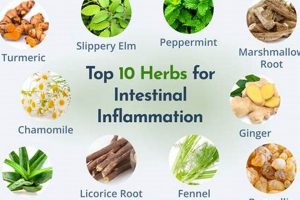
Several plant-derived compounds exhibit notable anti-inflammatory effects, making them relevant candidates for fibroid management. Turmeric, containing curcumin, is a well-known example. Curcumin inhibits the activity of pro-inflammatory enzymes and cytokines, potentially reducing pain and inflammation associated with fibroids. Similarly, ginger, another commonly used herb, possesses potent anti-inflammatory properties due to its gingerol content. These compounds can suppress the production of inflammatory mediators, offering symptomatic relief. Green tea, rich in epigallocatechin gallate (EGCG), is another example that demonstrates anti-inflammatory action, possibly slowing fibroid growth. The therapeutic potential of these natural agents lies in their ability to target multiple inflammatory pathways, offering a holistic approach to managing fibroid-associated inflammation.
The efficacy of anti-inflammatory herbal remedies for fibroids necessitates rigorous scientific evaluation. While preliminary studies and traditional use suggest promise, comprehensive clinical trials are essential to validate these findings and establish appropriate dosages and safety profiles. Furthermore, the complex interplay between inflammation and fibroid growth requires a nuanced understanding of individual patient factors and the specific inflammatory mechanisms involved. Nevertheless, the anti-inflammatory potential of certain herbal remedies offers a valuable avenue for exploring complementary strategies in the comprehensive management of uterine fibroids, warranting continued research and clinical investigation.
5. Clinical Evidence

The intersection of clinical evidence and herbal remedies for fibroids represents a critical juncture in evaluating the potential efficacy and safety of these alternative treatments. The absence of robust clinical trials is a notable impediment to the widespread acceptance and integration of botanical approaches in mainstream medical practice. While anecdotal reports and traditional use may suggest benefits, they do not constitute the rigorous scientific validation required to establish efficacy and safety definitively. For example, preliminary studies on green tea extract (EGCG) have demonstrated potential anti-fibrotic effects in vitro, but large-scale, randomized controlled trials are necessary to confirm these findings in human subjects and determine optimal dosages and long-term effects.
The importance of clinical evidence extends beyond demonstrating efficacy. Well-designed clinical trials can also identify potential adverse effects, drug interactions, and contraindications, ensuring patient safety. Without such evidence, the use of herbal remedies for fibroids remains largely empirical, relying on historical use and theoretical mechanisms of action rather than concrete scientific data. This uncertainty poses a challenge for healthcare providers seeking to offer evidence-based recommendations to their patients. A notable example involves the use of phytoestrogen-containing herbs, such as red clover, for fibroid management. While some proponents suggest their hormone-modulating effects could be beneficial, a lack of conclusive clinical evidence necessitates caution, particularly in women with hormone-sensitive conditions or those undergoing hormonal therapies.
In conclusion, the establishment of robust clinical evidence is paramount to bridging the gap between traditional use and modern medical practice concerning herbal remedies for fibroids. Rigorous research, including randomized controlled trials and meta-analyses, is essential to validate the efficacy and safety of these botanical interventions. Until such evidence is available, healthcare providers should exercise caution in recommending these treatments and prioritize patient education regarding the limitations and potential risks involved. The future integration of herbal remedies into mainstream fibroid management hinges on the generation of credible scientific data to support their use.
6. Safety Profile

The safety profile of herbal remedies for fibroids constitutes a critical area of consideration, influencing decisions regarding their integration into treatment regimens. Comprehensive knowledge of potential adverse effects, drug interactions, and contraindications is paramount in ensuring patient well-being. This assessment requires a thorough evaluation of available scientific literature, traditional usage data, and individual patient characteristics.
- Assessment of Potential Adverse Effects
Herbal remedies, despite their natural origin, can elicit adverse effects ranging from mild gastrointestinal discomfort to severe allergic reactions. The identification and documentation of these potential reactions are essential for informing patients and healthcare providers. For example, certain herbs may cause liver toxicity in susceptible individuals, necessitating monitoring of liver function during treatment. Rigorous evaluation involves analyzing clinical trial data, post-market surveillance reports, and case studies to establish a comprehensive understanding of the potential risks associated with each herbal remedy.
- Consideration of Drug Interactions
The concurrent use of herbal remedies and conventional medications presents a risk of pharmacokinetic and pharmacodynamic interactions. Some herbs can alter the absorption, metabolism, or excretion of pharmaceuticals, potentially leading to reduced efficacy or increased toxicity. For instance, St. John’s Wort, an herb known to induce hepatic enzymes, can decrease the effectiveness of certain oral contraceptives and immunosuppressants. Therefore, a thorough review of a patient’s medication list is necessary before initiating any herbal regimen, and healthcare providers should consult resources such as drug interaction databases to identify potential risks.
- Identification of Contraindications
Specific medical conditions or patient populations may present contraindications to the use of certain herbal remedies. For example, herbs with estrogenic activity may be contraindicated in women with a history of hormone-sensitive cancers. Similarly, individuals with bleeding disorders should avoid herbs that possess anticoagulant properties, such as garlic or ginger. A comprehensive assessment of a patient’s medical history and risk factors is crucial for identifying potential contraindications and ensuring that herbal remedies are used safely and appropriately.
- Dosage Considerations and Standardization
The variability in the concentration of active compounds within herbal products poses a challenge to establishing safe and effective dosages. Standardization of herbal extracts ensures a consistent level of key constituents, mitigating the risk of under- or over-dosing. However, even with standardized extracts, individual responses can vary significantly. Therefore, healthcare providers should initiate treatment with low doses and gradually increase as tolerated, closely monitoring for adverse effects and therapeutic benefits.
Ultimately, a comprehensive understanding of the safety profile of herbal remedies for fibroids is essential for promoting responsible and informed decision-making. By carefully assessing potential adverse effects, drug interactions, contraindications, and dosage considerations, healthcare providers can help patients weigh the potential benefits against the risks and make informed choices regarding the integration of herbal remedies into their fibroid management strategies.
Frequently Asked Questions
This section addresses common inquiries concerning the use of plant-derived substances in the management of uterine fibroids. The information presented is intended for educational purposes and should not be interpreted as medical advice.
Question 1: What constitutes an herbal remedy for fibroids?
An herbal remedy for fibroids refers to the utilization of plant-based materials, such as extracts, tinctures, or whole herbs, with the intention of alleviating symptoms associated with uterine fibroids or potentially influencing their growth. These remedies often target hormonal imbalances, inflammation, or other underlying factors believed to contribute to fibroid development.
Question 2: Are herbal remedies a replacement for conventional medical treatment for fibroids?
Herbal remedies should not be considered a replacement for conventional medical treatment for fibroids. Established medical interventions, such as medication or surgery, may be necessary to manage fibroids effectively. Herbal remedies may serve as complementary or adjunctive therapies, but their use should be discussed with a qualified healthcare provider to ensure appropriate integration with conventional treatment plans.
Question 3: What is the scientific evidence supporting the use of herbal remedies for fibroids?
The scientific evidence supporting the use of herbal remedies for fibroids is often limited and varies depending on the specific herb in question. While some preliminary studies and traditional use may suggest potential benefits, robust clinical trials are often lacking. Therefore, caution is warranted when interpreting the available evidence, and reliance on anecdotal reports should be avoided.
Question 4: Are herbal remedies for fibroids safe?
The safety of herbal remedies for fibroids can vary depending on the herb, dosage, and individual patient characteristics. Some herbs may cause adverse effects, interact with medications, or be contraindicated in certain medical conditions. A thorough assessment of potential risks and benefits is essential before initiating any herbal regimen. Consultation with a healthcare provider is crucial to ensure safety and minimize the risk of adverse events.
Question 5: How are herbal remedies for fibroids typically administered?
Herbal remedies for fibroids are administered in various forms, including oral capsules, tablets, tinctures, teas, and topical applications. The appropriate method of administration depends on the specific herb, desired therapeutic effect, and individual patient preferences. Dosage recommendations should be carefully followed, and any adverse reactions should be promptly reported to a healthcare provider.
Question 6: Where can reliable information about herbal remedies for fibroids be found?
Reliable information about herbal remedies for fibroids can be found from reputable sources such as peer-reviewed scientific journals, academic institutions, government health agencies, and qualified healthcare providers. Caution should be exercised when relying on information from websites or other sources that lack scientific credibility or promote unsubstantiated claims.
In summary, the use of plant-derived substances to manage uterine fibroids represents an area of ongoing investigation. While some herbs may offer potential benefits, their efficacy and safety require rigorous scientific evaluation. Collaboration with qualified healthcare professionals is essential to ensure responsible and informed decision-making.
The subsequent section will address lifestyle modifications that can complement medical or herbal treatments for fibroids.
Conclusion
This exploration of herbal remedies for fibroids reveals a complex interplay of traditional knowledge, preliminary scientific findings, and critical gaps in clinical evidence. While certain botanical agents demonstrate potential through hormonal modulation, anti-inflammatory effects, or other mechanisms, their efficacy and safety for fibroid management remain under investigation. The limitations of existing research underscore the need for cautious interpretation of available data and responsible utilization of these remedies.
The prudent path forward necessitates prioritizing patient safety, evidence-based decision-making, and collaboration with qualified healthcare professionals. Until robust clinical trials validate the efficacy and safety of specific herbal interventions, they should be considered as potential adjunctive therapies rather than replacements for conventional medical treatments. A commitment to rigorous scientific inquiry is crucial to fully elucidate the role of herbal remedies in the comprehensive management of fibroids.