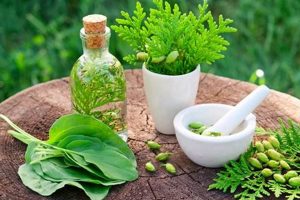
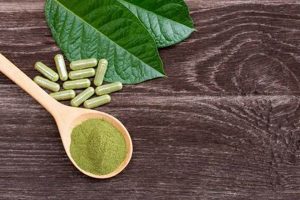
Substances derived from plants, intended to augment or enhance renal function, are increasingly considered as adjuncts to conventional therapies. These natural products are often formulated with the goal of supporting the body’s inherent mechanisms for detoxification and fluid balance, which are critical for the proper functioning of these vital organs. For example, certain botanicals are believed to possess diuretic properties, aiding in the elimination of waste products through urine.
The potential advantages of utilizing plant-based support for renal well-being stem from a long history of traditional use in various cultures worldwide. Throughout centuries, different societies have identified and employed specific flora for their perceived therapeutic benefits. The increasing interest in these practices is often driven by the desire for a more holistic approach to wellness, seeking to complement conventional treatments with gentler, naturally sourced alternatives. The hope is that these options may contribute to overall health maintenance and potentially delay or mitigate the progression of kidney-related issues.
This article will explore various aspects related to the use of these plant-derived products to support renal function. It will delve into considerations concerning scientific evidence, potential risks, and responsible usage. Further discussion will cover different types of botanicals commonly associated with kidney health and their purported mechanisms of action.
Guidance on Plant-Derived Renal Support
The following recommendations are intended to provide informational guidance related to the utilization of plant-derived products for promoting renal well-being. These tips are not a substitute for professional medical advice.
Tip 1: Research Specific Botanicals. Thoroughly investigate the properties and potential side effects of any plant-derived product intended for renal support. Consult reputable scientific databases and publications for available evidence.
Tip 2: Verify Product Quality. Scrutinize product labels and seek brands that provide third-party testing verification. This helps ensure the purity and potency of the product and minimizes the risk of adulteration.
Tip 3: Consult a Healthcare Professional. Seek the advice of a qualified healthcare provider prior to initiating any regimen. This is particularly crucial for individuals with pre-existing renal conditions, or those taking prescription medications.
Tip 4: Adhere to Recommended Dosage. Carefully follow dosage instructions provided by the manufacturer or as directed by a healthcare professional. Exceeding recommended dosages does not necessarily enhance efficacy and can increase the risk of adverse effects.
Tip 5: Monitor Renal Function. Regularly monitor renal function through laboratory testing, as recommended by a healthcare provider. This allows for the assessment of treatment efficacy and the early detection of potential complications.
Tip 6: Maintain Adequate Hydration. Ensure adequate fluid intake throughout the day. Water is essential for supporting renal function and facilitating the elimination of waste products.
Tip 7: Be Aware of Potential Interactions. Understand that plant-derived products can interact with prescription medications or other supplements. Provide a comprehensive list of all substances being taken to a healthcare professional.
By carefully considering these recommendations, individuals may be better equipped to make informed decisions regarding the incorporation of plant-derived support into their renal health strategy. Responsible usage, coupled with professional guidance, remains paramount.
The following sections will delve deeper into specific plant-derived products and their potential role in supporting renal function.
1. Safety Profiles

The safety profiles of plant-derived products are of paramount importance when considering their use for kidney health. Compromised renal function can affect drug metabolism and excretion, potentially amplifying the effects of any ingested substance. Adverse reactions to these natural substances can lead to further renal damage. For example, certain botanical extracts, when taken in excessive amounts or by individuals with pre-existing renal insufficiency, have been implicated in cases of acute kidney injury. This highlights the necessity of thorough research and appropriate medical oversight.
A comprehensive understanding of a botanical’s potential for nephrotoxicity, interactions with medications, and contraindications is crucial. Many plant-derived products have not undergone the rigorous clinical trials required for pharmaceutical drugs, making it challenging to ascertain their true safety profiles. Furthermore, variations in growing conditions, harvesting practices, and manufacturing processes can introduce inconsistencies in product quality and composition, influencing their overall safety. The presence of heavy metals or other contaminants in plant-derived preparations is another concern that impacts safety profiles.
In conclusion, the association between safety profiles and plant-derived products intended for kidney health warrants scrupulous attention. A lack of comprehensive safety data, coupled with potential for nephrotoxicity and product variability, emphasizes the need for caution, professional guidance, and ongoing monitoring of renal function. Prioritizing safety can help mitigate potential risks and promote responsible utilization of these remedies.
2. Dosage Guidelines

Dosage guidelines for plant-derived products intended to support renal health constitute a crucial aspect of their safe and effective use. A direct correlation exists between dosage and both the potential benefits and risks associated with these supplements. Inadequate dosages may fail to elicit the desired therapeutic effect, while excessive amounts can increase the likelihood of adverse reactions. Individuals with compromised renal function may exhibit altered drug metabolism and excretion, making adherence to precise dosage recommendations even more critical.
The determination of appropriate dosages is often complicated by a lack of standardized clinical trials. Unlike pharmaceutical drugs, many plant-derived products have not undergone rigorous pharmacokinetic and pharmacodynamic studies. This scarcity of data makes it challenging to establish definitive dosage recommendations based on scientific evidence. Factors such as age, weight, overall health, and the severity of renal impairment can also influence the ideal dosage for a given individual. To illustrate, a person with mild renal insufficiency may tolerate a higher dosage of a specific botanical than someone with severe renal failure. Consequently, dosage guidelines should be individualized whenever possible, taking into account the patient’s specific clinical circumstances.
In conclusion, precise dosage guidelines are fundamental to maximizing the potential benefits and minimizing the risks associated with plant-derived products intended for kidney support. Given the limitations of available scientific data and the potential for individual variability, healthcare professionals should exercise caution when recommending or prescribing these therapies. Careful consideration of the patient’s renal function, overall health, and any concomitant medications is essential. Ongoing monitoring of renal function and assessment of any adverse effects are also vital components of responsible utilization. Without appropriate attention to dosage guidelines, the use of plant-derived remedies for kidney health could lead to unintended consequences and compromise patient safety.
3. Renal Interaction

The influence of plant-derived products on renal function, termed “Renal Interaction,” constitutes a central concern in the context of botanical support for kidney health. This interaction encompasses the effects of botanicals on glomerular filtration, tubular secretion and reabsorption, and overall kidney hemodynamics. Understanding these interactions is critical because compromised renal function can alter the pharmacokinetics of plant-derived compounds, leading to either reduced efficacy or increased toxicity. Conversely, some botanicals may directly impact renal function, potentially exacerbating pre-existing kidney conditions or causing new ones. For example, certain botanical extracts with diuretic properties may induce electrolyte imbalances if not carefully monitored, particularly in individuals with impaired renal handling of electrolytes. Furthermore, some plant constituents can interact with renal transport proteins, affecting the excretion of medications or other substances.
The practical significance of understanding “Renal Interaction” lies in the ability to make informed decisions regarding the use of botanical products. Such understanding allows healthcare professionals to assess the potential risks and benefits of specific botanical products for patients with varying degrees of renal function. The evaluation process involves scrutinizing scientific evidence, considering traditional uses, and understanding the potential for drug interactions. Moreover, this knowledge facilitates the development of individualized treatment plans, accounting for patient-specific factors like the severity of renal impairment, concomitant medications, and overall health status. Regular monitoring of renal function through laboratory testing is crucial in identifying and managing any adverse effects of plant-derived substances on the kidneys.
In summary, “Renal Interaction” is a pivotal aspect of botanical considerations for kidney health. Recognizing and managing this dynamic interplay between plant-derived products and the kidneys enables safer and more effective implementation of these therapies. Addressing challenges such as limited scientific data and individual variability requires a collaborative effort between healthcare professionals, researchers, and patients. A comprehensive approach, encompassing evidence-based practices, individualized treatment plans, and ongoing monitoring, can optimize renal well-being and promote responsible usage of these supplements.
4. Quality Control

Quality control is an indispensable element in the production and distribution of plant-derived products intended for renal health support. The absence of stringent quality control measures can lead to inconsistencies in product composition, contamination, and inaccurate labeling, thereby posing potential risks to consumers, particularly those with compromised kidney function. The concentration of active compounds may vary significantly between batches, affecting the therapeutic efficacy and potentially leading to adverse effects. Contamination with heavy metals, pesticides, or microbial pathogens represents a further hazard. For example, if a botanical product intended to be diuretic contains undeclared levels of heavy metals, such as lead or cadmium, it can induce nephrotoxicity, exacerbating existing renal issues.
Effective quality control encompasses several stages, including rigorous sourcing of raw materials, standardized extraction and processing techniques, and thorough testing of the final product. Authentication of plant species is vital to prevent adulteration with similar-looking but potentially toxic plants. High-performance liquid chromatography (HPLC) and mass spectrometry are analytical techniques used to quantify the concentration of active constituents and identify potential contaminants. Furthermore, adhering to Good Manufacturing Practices (GMP) ensures that products are consistently produced and controlled according to quality standards. In practice, companies that prioritize quality control often provide certificates of analysis (COAs) from independent laboratories, verifying the product’s purity, potency, and safety.
In conclusion, quality control is not merely a procedural formality but a cornerstone of ensuring the safety and efficacy of plant-derived products intended for renal health. Insufficient quality control can undermine potential benefits and introduce significant risks, while robust quality control measures can minimize these risks, helping ensure that consumers receive safe, effective, and reliably labeled products. The proactive pursuit of quality control contributes directly to the responsible and beneficial use of these supplements.
5. Traditional Use

The historical application of plant-derived substances for the maintenance of renal well-being offers a valuable perspective on the potential benefits and limitations of these approaches. Examination of traditional medical systems reveals a rich history of using various botanicals for their perceived ability to support kidney function and alleviate related ailments. These long-standing practices provide a foundation for investigating the efficacy and safety of these substances through contemporary scientific methods.
- Diuretic Properties of Certain Herbs
Many traditional medical systems, including Traditional Chinese Medicine (TCM) and Ayurveda, have historically employed specific herbs for their diuretic properties. Examples include dandelion (Taraxacum officinale) and juniper berries (Juniperus communis). The aim was to increase urine output, thereby facilitating the elimination of waste products and reducing fluid retention. While these historical uses suggest potential benefits for kidney function, it is important to acknowledge that unregulated diuresis can also lead to electrolyte imbalances and dehydration, particularly in individuals with compromised renal capacity.
- Anti-Inflammatory Effects in Traditional Remedies
Chronic inflammation is recognized as a contributing factor to the development and progression of kidney disease. Various traditional remedies utilize plants with purported anti-inflammatory effects to support renal health. Turmeric (Curcuma longa), with its active compound curcumin, is one example that has been used traditionally and is now being studied for its potential to modulate inflammatory pathways. However, the bioavailability of certain anti-inflammatory compounds can be limited, and the optimal dosage for therapeutic efficacy requires further investigation.
- Support for Urinary Tract Health
Traditional herbal preparations have also been used to promote urinary tract health, indirectly supporting kidney function by preventing or managing urinary tract infections (UTIs). Cranberry (Vaccinium macrocarpon), for instance, has long been employed to prevent UTIs by inhibiting the adhesion of bacteria to the urinary tract lining. While some scientific evidence supports this use, especially in preventing recurrent UTIs, it is important to note that cranberry should not be considered a primary treatment for existing kidney infections, and its efficacy can vary depending on the formulation and individual factors.
- Historical Use as Detoxification Aids
Traditional medical systems often incorporate herbs believed to support detoxification processes, with the intention of reducing the burden on the kidneys. Milk thistle (Silybum marianum), containing silymarin, is one such herb that has been used traditionally to support liver function and, indirectly, renal health. The underlying concept is that by improving liver detoxification, the kidneys may experience a reduced workload. While some studies suggest hepatoprotective effects of silymarin, more research is needed to ascertain its direct benefits for individuals with kidney-related issues.
The examination of traditional uses of botanicals for kidney health provides a foundation for contemporary scientific research. These historical practices, while potentially valuable, warrant rigorous investigation to assess their true efficacy, safety, and appropriate applications. The integration of traditional knowledge with modern scientific methods offers a pathway toward a more comprehensive understanding of plant-derived products and their role in promoting renal well-being.
6. Scientific Evidence

The role of scientific evidence in validating the efficacy and safety of plant-derived products for renal health is paramount. A cause-and-effect relationship between a botanical compound and improved kidney function must be substantiated through rigorous investigation. Without sufficient scientific backing, the purported benefits remain speculative, potentially misleading consumers and healthcare professionals. The importance of scientific evidence as a component of botanical products lies in its ability to differentiate between traditional beliefs and empirically proven effects, enhancing credibility. For example, while cranberry extract has long been used to prevent urinary tract infections (UTIs), research has explored the mechanisms by which it inhibits bacterial adhesion to the urinary tract lining. The practical significance of this understanding allows healthcare providers to make evidence-based recommendations, improving outcomes.
Clinical trials and controlled experiments are crucial in assessing the impact of these products on renal function. These studies should examine relevant markers, such as glomerular filtration rate (GFR), serum creatinine, and proteinuria. Furthermore, they should address safety concerns, including potential drug interactions and adverse effects, especially in patients with pre-existing renal conditions. A lack of robust evidence may necessitate caution when incorporating plant-derived products into treatment protocols. For instance, while some studies suggest that certain botanical extracts may reduce inflammation, the clinical significance of these findings in mitigating chronic kidney disease progression may not be definitive.
In summary, scientific evidence forms the bedrock for evaluating the true potential of plant-derived products for kidney health. This evidence informs the clinical decision-making process, ensuring responsible utilization of botanicals. Challenges remain in conducting rigorous research, standardizing botanical formulations, and addressing the heterogeneity of study populations. Linking scientific evidence to traditional uses allows for a more comprehensive understanding of these substances, enabling consumers and healthcare professionals to make informed choices that are more likely to promote kidney well-being safely and effectively.
7. Formulation Purity
Formulation purity is a critical determinant of safety and efficacy in plant-derived products intended to support renal health. The presence of contaminants, adulterants, or inconsistencies in active compound concentrations can compromise therapeutic outcomes and potentially cause harm, especially in individuals with pre-existing kidney conditions. Adulteration, either intentional or unintentional, poses a significant threat. For instance, the substitution of one botanical species with another, due to misidentification or cost-saving measures, can lead to the introduction of toxic substances or the absence of the desired therapeutic constituents. Contaminants such as heavy metals (lead, cadmium, arsenic), pesticides, or microbial pathogens can originate from various sources, including soil, water, or improper manufacturing practices. These impurities can directly damage renal tissues or interfere with metabolic processes, exacerbating kidney dysfunction. The precise quantification and identification of active compounds within a formulation are also essential to ensure consistent therapeutic effects and proper dosing.
The practical significance of formulation purity lies in its direct impact on patient outcomes. If a product lacks the advertised amount of an active compound, or contains substances not listed on the label, individuals may not experience the expected benefits and might even suffer adverse reactions. For example, if a purported diuretic contains insufficient levels of the active constituents known to promote fluid excretion, patients may experience ineffective symptom relief or even delayed treatment seeking. Stringent quality control measures, including third-party testing and adherence to Good Manufacturing Practices (GMP), are vital to ensure formulation purity. These measures can help verify the identity and quantity of active ingredients, detect contaminants, and ensure consistent product quality across different batches. Transparency regarding sourcing, manufacturing processes, and testing results builds consumer trust and facilitates informed decision-making.
In summary, formulation purity is not merely a desirable attribute but a fundamental requirement for plant-derived products intended for renal health support. Compromised purity can negate potential benefits and introduce significant risks, particularly in vulnerable populations with pre-existing kidney disease. The pursuit of purity necessitates rigorous quality control measures, transparent labeling practices, and a commitment to sourcing high-quality raw materials. While challenges remain in ensuring the consistency and reliability of plant-derived formulations, prioritizing formulation purity is essential for promoting safe and effective use of these supplements. A concerted effort involving manufacturers, regulators, healthcare professionals, and consumers is necessary to uphold standards of purity and protect individuals from potential harm.
Frequently Asked Questions
This section addresses common inquiries regarding plant-derived products intended to support renal function. It is designed to provide clear, concise answers based on available scientific information and expert consensus.
Question 1: Are plant-derived products a substitute for conventional medical treatment for kidney disease?
Plant-derived products should not be considered a replacement for conventional medical treatment for kidney disease. Renal disease often requires comprehensive management by healthcare professionals, including dietary modifications, prescription medications, and, in some cases, dialysis or transplantation. Plant-derived products may serve as adjuncts to conventional therapies, but their use should always be discussed with a qualified healthcare provider.
Question 2: Are all plant-derived products safe for individuals with kidney disease?
Not all plant-derived products are safe for individuals with kidney disease. Certain botanical compounds can be nephrotoxic or interact with medications commonly prescribed for renal conditions. Furthermore, compromised renal function can affect the metabolism and excretion of these compounds, potentially leading to adverse effects. A thorough assessment by a healthcare professional is essential before using any plant-derived product.
Question 3: How can one ensure the quality and purity of plant-derived products?
Ensuring quality and purity requires careful evaluation of product labels and manufacturer practices. Look for products that have undergone third-party testing, as indicated by certificates of analysis (COAs). These COAs verify the product’s composition, potency, and the absence of contaminants. Products manufactured in accordance with Good Manufacturing Practices (GMP) are more likely to adhere to rigorous quality control standards.
Question 4: What are the potential risks associated with taking plant-derived products for kidney health?
The potential risks include nephrotoxicity, drug interactions, and allergic reactions. Certain botanicals can damage renal tissues, while others may interfere with the efficacy or toxicity of prescription medications. Allergic reactions, ranging from mild skin rashes to severe anaphylaxis, are also possible. Individuals with pre-existing allergies or sensitivities should exercise caution.
Question 5: How can one determine the appropriate dosage of plant-derived products?
Determining the appropriate dosage requires careful consideration of individual factors, such as age, weight, overall health, and the severity of renal impairment. Consult with a healthcare professional to obtain personalized dosage recommendations. Always adhere to the manufacturer’s instructions or the guidance provided by a qualified expert.
Question 6: What evidence supports the use of plant-derived products for kidney health?
The scientific evidence supporting the use of plant-derived products for kidney health is variable. Some botanicals have been studied in clinical trials and have demonstrated potential benefits, while others lack robust scientific validation. Evaluate the available evidence critically, focusing on studies published in peer-reviewed journals and conducted with rigorous methodologies. Be wary of unsubstantiated claims or anecdotal evidence.
In summary, the use of plant-derived products for renal health demands careful consideration of potential benefits, risks, and the overall quality of available products. Consulting a healthcare professional remains the most critical step in ensuring responsible and informed decision-making.
The subsequent section will explore the future directions and emerging trends in research related to plant-derived support and kidney function.
Conclusion
This exploration of herbal supplements for kidney health reveals a complex landscape requiring careful consideration. The information presented highlights the potential benefits, inherent risks, and importance of quality control within the realm of plant-derived products. It emphasizes the necessity of evidence-based decision-making and the limitations of relying solely on traditional use or anecdotal claims.
The integration of scientific rigor, stringent quality control measures, and professional guidance is crucial for promoting responsible usage. Future research should focus on elucidating specific mechanisms of action, conducting well-designed clinical trials, and establishing clear safety guidelines. Individuals with pre-existing renal conditions must prioritize collaboration with healthcare professionals to navigate the potential risks and ensure that any use of herbal supplements for kidney health is both safe and appropriate.