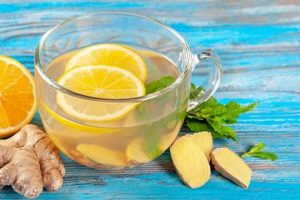
The central question concerns whether consuming infusions made from herbs during periods of abstinence affects the physiological processes associated with fasting. The answer depends on the specific constituents of the herbal infusion and the individuals fasting goals. For example, a plain herbal infusion without added sweeteners or dairy products may have minimal impact on blood glucose or insulin levels.
Understanding the metabolic impact of consuming different substances during a fast is crucial for achieving the intended results, such as weight loss, improved insulin sensitivity, or cellular autophagy. Historically, the use of herbal remedies has been integrated into various fasting practices, with certain herbs valued for their potential to support the body’s natural detoxification processes or mitigate hunger pangs.
The following information will detail the factors to consider regarding calorie content, macronutrient presence, potential insulin response, and the role of various herbal ingredients to provide a detailed perspective on how these elements influence the maintenance of a fasted state.
Guidelines for Consuming Herbal Infusions During Abstinence
The strategic consumption of herbal infusions during periods of abstinence requires careful consideration to maintain the desired physiological state.
Tip 1: Select Herbal Infusions Wisely: Opt for infusions comprised of pure herbs without added sugars, sweeteners, or flavorings. Check the ingredient list meticulously to ensure no hidden caloric additives are present.
Tip 2: Understand Caloric Contribution: Even trace amounts of calories can potentially impact the depth of the fasted state. Research the specific herbal infusion to determine its estimated caloric value, erring on the side of caution.
Tip 3: Monitor Insulin Response: While generally low, certain herbs may elicit a minor insulin response in some individuals. Monitor physiological cues and consider blood glucose testing to assess individual responses.
Tip 4: Consider the Purpose of Abstinence: The parameters of a fast may vary based on the specific objective, such as weight management, autophagy, or religious observance. Align the herbal infusion selection with the established goals.
Tip 5: Hydrate Strategically: Herbal infusions contribute to overall hydration, which can be particularly beneficial during periods of food restriction. Ensure adequate fluid intake to support bodily functions.
Tip 6: Observe Moderation: Excessive consumption of any substance, including herbal infusions, may introduce unforeseen effects. Adhere to moderate consumption patterns.
Tip 7: Consult with Healthcare Professionals: Individuals with pre-existing health conditions or those engaging in prolonged periods of abstinence should seek guidance from qualified healthcare providers before incorporating herbal infusions.
These guidelines emphasize the importance of informed decision-making when including herbal infusions in a fasting regimen. Careful consideration of ingredients, caloric content, and individual physiological responses is paramount.
Applying these principles will contribute to a more controlled and effective approach to incorporating herbal infusions within the framework of a structured abstinence period.
1. Caloric Intake

Caloric intake constitutes a primary factor in determining whether herbal infusions disrupt a fasted state. The consumption of calories, regardless of their source, provides energy that the body utilizes, potentially halting the metabolic processes associated with abstinence. A significant influx of calories signals to the body that it is no longer in an energy-deficit state, thereby shifting the focus from utilizing stored energy reserves (such as fat) to processing the newly ingested fuel. For instance, adding honey or sugar to herbal infusions contributes additional calories that can easily surpass the acceptable threshold for maintaining a fasted state, depending on the duration and goals of the fast.
The quantity of calories introduced by herbal infusions, even from naturally occurring compounds within the herbs themselves, must be carefully considered. While many herbal infusions are inherently low in calories, certain herbs or preparations might contain trace amounts of carbohydrates or sugars. If accumulated over multiple servings, these trace amounts can collectively exert a noticeable effect on blood glucose levels and insulin secretion. A practical example of this can be seen with fruit-infused preparations, where even small pieces of fruit can release sugars into the water, incrementally increasing the caloric load of the beverage. The key takeaway is that careful ingredient assessment and awareness of the caloric density of specific herbal blends are essential for preventing unintended disruptions.
In summary, the correlation between caloric intake and maintenance of a fasted state is inverse: increased caloric consumption correlates with a greater likelihood of interrupting the fast. Understanding the nutritional composition of herbal ingredients and diligently avoiding caloric additives represents a crucial step in incorporating these beverages successfully into a fasting regimen. This knowledge allows individuals to make informed decisions that support their objectives without compromising the benefits associated with caloric restriction.
2. Insulin Response

The insulin response is a critical consideration when evaluating the impact of herbal infusions on a fasted state. Insulin, a hormone secreted by the pancreas, facilitates the uptake of glucose from the bloodstream into cells. Fluctuations in insulin levels directly affect metabolic processes, particularly fat utilization and cellular autophagy, integral aspects of fasting.
- Sweeteners and Insulin Secretion
The presence of sweeteners, including natural sources like honey or maple syrup, within herbal infusions triggers an insulin release. Even small amounts of these substances can stimulate pancreatic activity, resulting in a surge in insulin levels that halts lipolysis. For example, a teaspoon of honey added to an herbal infusion signals an influx of glucose, prompting the body to prioritize glucose metabolism over fat burning. This shift directly undermines the objectives of a fast centered on weight loss or metabolic reset.
- Herbal Compounds and Insulin Sensitivity
Certain herbal compounds have the potential to influence insulin sensitivity, either positively or negatively. Some herbs, such as cinnamon, are purported to improve insulin sensitivity, potentially mitigating the impact of minor insulin spikes. Conversely, other herbs might contain components that induce a degree of insulin resistance, exacerbating the metabolic consequences of even small caloric inputs. For instance, licorice root, while commonly used in herbal blends, contains glycyrrhizin, which, in excessive amounts, can disrupt electrolyte balance and potentially influence insulin regulation. These considerations emphasize the need to understand each herb’s unique properties and their potential effects on insulin dynamics.
- Artificial Sweeteners and Cephalic Phase Insulin Release
The use of artificial sweeteners in herbal infusions, although calorie-free, remains a subject of debate due to their potential to trigger a cephalic phase insulin release. The cephalic phase refers to the physiological responses initiated by the anticipation of food consumption, including the release of insulin in preparation for glucose influx. While artificial sweeteners themselves do not directly provide glucose, their sweet taste can stimulate insulin secretion through neural pathways. This insulin response, even in the absence of actual glucose, can disrupt the fasted state by altering metabolic signaling. The magnitude and consistency of this effect vary among individuals, but the possibility necessitates careful consideration.
- Impact on Autophagy and Cellular Processes
Elevated insulin levels, irrespective of the source of stimulation, can suppress autophagy, a cellular process crucial for removing damaged components and promoting cellular regeneration. Autophagy is upregulated during periods of nutrient deprivation, contributing to cellular health and longevity. Insulin, being an anabolic hormone, inhibits autophagy by signaling an abundance of nutrients. Therefore, any factor that increases insulin levels, including the consumption of sweetened or inappropriately selected herbal infusions, can impede the beneficial effects of autophagy within the context of a fast. This consideration is particularly relevant for individuals fasting to promote cellular repair and rejuvenation.
The interplay between herbal infusions and insulin response underscores the importance of meticulous ingredient selection and a thorough understanding of metabolic dynamics. While plain herbal infusions are generally considered acceptable during fasting, the addition of sweeteners, the potential effects of certain herbal compounds, and the possibility of cephalic phase insulin release warrant careful evaluation. Ultimately, minimizing insulin fluctuations represents a key strategy for maintaining a desired metabolic state during periods of caloric restriction. Therefore, those fasting to achieve certain benefits should take serious considerations to herbal tea and its effects on Insulin response.
3. Metabolic Impact

Metabolic impact encompasses the multifaceted effects that the consumption of herbal infusions exerts on the body’s biochemical processes, directly influencing the maintenance of a fasted state. These effects are determined by the inherent properties of the herbs, their interaction with physiological systems, and the individual’s metabolic condition. The overall influence determines whether the infusion disrupts or supports the intended outcomes of the fasting protocol.
- Thermogenesis and Energy Expenditure
Certain herbal constituents possess thermogenic properties, increasing energy expenditure through metabolic stimulation. For example, infusions containing green tea extract or ginger may elevate metabolic rate, potentially enhancing fat oxidation. However, this increased energy expenditure may also deplete energy reserves, albeit marginally. The net effect on the fasted state depends on the balance between increased energy utilization and any concurrent changes in insulin sensitivity or glucose metabolism. The individuals sensitivity to such stimulant compounds should also be considered.
- Appetite Suppression and Satiety
The consumption of herbal infusions can influence appetite regulation through several mechanisms, including hormonal modulation and the stimulation of satiety signals. Certain herbal compounds, such as those found in peppermint or chamomile infusions, may reduce appetite and cravings, facilitating adherence to the fasting protocol. Conversely, highly palatable or sweetened infusions may stimulate appetite, leading to increased food consumption. The impact on the fasted state is dictated by the extent to which the infusion helps manage hunger and prevents overeating during feeding windows.
- Gut Microbiome Modulation
Herbal constituents can interact with the gut microbiome, altering its composition and activity. Certain herbs, particularly those rich in polyphenols or prebiotics, may promote the growth of beneficial bacteria, contributing to improved digestive health and metabolic function. An improved gut microbiome can enhance nutrient absorption, regulate inflammation, and influence energy metabolism. However, significant changes in the gut microbiome may also impact insulin sensitivity and glucose homeostasis, potentially disrupting the fasted state. The specific effects are dependent on the types of herbs consumed, the baseline composition of the microbiome, and the duration of the fasting period.
- Detoxification and Liver Function
Many herbal infusions are traditionally used to support detoxification processes and enhance liver function. Herbs such as dandelion root or milk thistle are believed to promote the elimination of toxins and protect the liver from damage. By facilitating these processes, herbal infusions may indirectly contribute to improved metabolic function and overall health. However, the metabolic demands associated with detoxification can also place a burden on the body, potentially diverting resources away from other processes like autophagy. The net impact is determined by the balance between enhanced detoxification and increased metabolic strain.
The metabolic impact of herbal infusions is multifaceted, encompassing effects on energy expenditure, appetite regulation, gut microbiome modulation, and detoxification processes. These effects can either support or disrupt the fasted state, depending on the specific properties of the herbs, the individual’s physiological condition, and the goals of the fasting protocol. Careful consideration of these factors is crucial for optimizing the use of herbal infusions within a fasting regimen. As such, the question should not be if, but how to use herbal tea in tandem with a fasting schedule.
4. Autophagy Inhibition

Autophagy, a conserved cellular process involving the degradation and recycling of damaged or dysfunctional cellular components, is a significant objective for many individuals undertaking fasting regimens. The inhibition of autophagy, therefore, represents a direct contravention of this goal. Certain constituents within herbal infusions can exert an inhibitory effect on autophagy, thus potentially negating some of the intended benefits of the fasted state. For instance, substantial glucose or amino acid presence, even from natural sources within sweetened herbal teas or protein-rich herbal preparations, triggers the mTOR (mammalian target of rapamycin) pathway. Activation of mTOR acts as a potent suppressor of autophagy, shifting cellular metabolism towards growth and proliferation rather than catabolism and recycling. A practical example includes the addition of milk or cream to herbal infusions, which introduces both glucose (lactose) and amino acids (proteins), effectively quenching autophagy. This also applies to some fruit-based herbal preparations that could be high in natural sugars, impeding the autophagic process in some instances.
Further complicating matters, specific herbal compounds, while purportedly beneficial for other health parameters, might indirectly inhibit autophagy. Certain potent antioxidants, for instance, can interfere with the oxidative stress signaling required to initiate autophagy under conditions of nutrient deprivation. While antioxidants generally confer benefits, high concentrations might inadvertently suppress the cellular cues that trigger autophagic activity. A hypothetical scenario involves excessive consumption of herbal infusions rich in strong antioxidants, potentially diminishing the induction of autophagy within specific cell types. The impact is highly dependent on the dosage, specific cellular context, and the overall metabolic state of the individual. Consequently, this effect is not easily predictable without careful consideration of variables.
In summary, autophagy inhibition represents a critical factor in determining the compatibility of herbal infusions with a fasted state. The presence of macronutrients or specific compounds that activate mTOR or interfere with autophagy-inducing signals can undermine the intended metabolic benefits of fasting. A nuanced understanding of both the direct and indirect effects of herbal constituents is required to minimize the risk of autophagy inhibition and maximize the effectiveness of a fasting protocol. Thoughtful consideration, awareness, and moderation will allow for informed decisions while choosing herbal infusions during periods of abstinence.
5. Digestive Activation

Digestive activation, referring to the stimulation of digestive processes within the gastrointestinal tract, is a pivotal factor when assessing whether herbal infusions interrupt a fasted state. The ingestion of any substance, including herbal infusions, can initiate a cascade of physiological responses designed to prepare the body for nutrient processing. This activation involves the secretion of digestive enzymes, the stimulation of gut motility, and alterations in gut hormone release. The magnitude of this activation, directly correlated with the composition of the consumed infusion, influences the depth and duration of the fasted state. For instance, herbal infusions containing bitter compounds or carminatives can stimulate digestive secretions, increasing gut motility and potentially reducing hunger pangs. However, this digestive activity can, in some cases, signal the body to prepare for nutrient absorption, shifting it away from the metabolic processes characteristic of fasting, such as lipolysis and cellular autophagy. Thus, the degree to which an herbal infusion promotes digestive activation is crucial in determining its compatibility with a fasting regimen.
The practical significance of understanding the digestive effects of herbal infusions lies in optimizing fasting outcomes. Herbal infusions with minimal digestive impact are more likely to be suitable for maintaining a fasted state. For example, plain water infusions of non-stimulating herbs such as chamomile or calendula may have negligible effects on digestive activity. Conversely, more complex herbal blends containing compounds that strongly stimulate digestive secretions can have a negative impact on fasting. Real-life examples include the use of herbal preparations containing high concentrations of ginger or dandelion root, which can stimulate bile production and increase gut motility, potentially signaling the body to prepare for nutrient absorption. Careful consideration of the herbal ingredients and their potential effects on digestive physiology is essential for preventing unintended disruptions of the fasted state. Another major consideration would also be gut micro biome stimulation and activation.
In conclusion, the influence of digestive activation is paramount when evaluating whether herbal infusions break a fast. Digestive activation can alter enzyme secretions, gut motility, or digestive hormone releases. Careful selection of herbal infusions with minimal digestive impact constitutes a key strategy for preserving the benefits of fasting, supporting metabolic objectives, and promoting adherence to dietary protocols. Understanding the potential challenges and carefully considering the broader implications for fasting outcomes is paramount for achieving intended benefits. For example, stimulating bowel movements might aid in eliminating toxins but it may also affect the body’s ability to process stored energy.
6. Nutrient Absorption

Nutrient absorption fundamentally defines whether the introduction of any substance, including herbal infusions, compromises a fasted state. The primary objective of fasting often centers on restricting nutrient intake to trigger specific metabolic processes. Thus, the degree to which an herbal infusion contributes to nutrient absorption dictates its compatibility with fasting protocols.
- Macronutrient Content and Absorption
The presence of macronutrientscarbohydrates, proteins, and fatswithin an herbal infusion directly influences nutrient absorption. If an infusion contains significant quantities of these macronutrients, even in trace amounts, the body initiates digestive processes to break down and absorb these components. This absorption can directly counteract the metabolic goals of fasting, such as ketogenesis or autophagy. For instance, consuming herbal infusions with added sweeteners or dairy products provides readily absorbable carbohydrates and proteins, stimulating insulin secretion and hindering fat utilization. Therefore, the macronutrient content of an infusion must be carefully scrutinized.
- Micronutrient Bioavailability
Micronutrients, including vitamins and minerals, present in herbal infusions also impact nutrient absorption, albeit in a more nuanced manner. While micronutrients may not directly provide significant caloric input, their absorption can influence metabolic pathways and hormonal regulation. For example, the absorption of certain minerals can affect electrolyte balance, which can be particularly important during prolonged fasting periods. Moreover, some micronutrients may interact with metabolic enzymes, indirectly affecting glucose metabolism or insulin sensitivity. Thus, assessing the bioavailability of micronutrients within an herbal infusion is essential for understanding its overall metabolic effects.
- Stimulation of Digestive Processes
Beyond the direct contribution of nutrients, an herbal infusion can stimulate digestive processes that indirectly facilitate nutrient absorption. Certain herbal compounds can enhance the secretion of digestive enzymes or promote gut motility, increasing the efficiency of nutrient uptake. While these effects may be beneficial in certain contexts, they can disrupt the fasted state by preparing the body for nutrient processing. For example, herbal infusions with carminative properties, such as peppermint or ginger, can stimulate gut activity, potentially increasing the absorption of any residual nutrients in the digestive tract. Therefore, the digestive stimulatory effects of herbal ingredients should be considered.
- Impact on the Gut Microbiome
Herbal infusions can modulate the composition and activity of the gut microbiome, which plays a crucial role in nutrient absorption. Some herbal constituents may promote the growth of beneficial bacteria that enhance the absorption of specific nutrients. Conversely, other compounds may inhibit the growth of certain microbial species, potentially affecting nutrient bioavailability. For instance, prebiotic compounds in some herbal infusions can promote the proliferation of bacteria that improve the absorption of short-chain fatty acids, which can impact energy metabolism. Therefore, the potential of herbal infusions to alter the gut microbiome and subsequently affect nutrient absorption needs to be carefully evaluated.
These considerations highlight the intricate relationship between nutrient absorption and the suitability of herbal infusions during fasting. To avoid compromising the objectives of a fasted state, careful assessment of macronutrient and micronutrient content, potential stimulation of digestive processes, and influence on the gut microbiome is paramount. Consequently, plain herbal infusions devoid of added sugars or dairy products, and composed of herbs with minimal digestive stimulatory effects, are generally preferred to reduce nutrient absorption during fasting.
7. Altered Ketosis

The state of ketosis, characterized by elevated levels of ketone bodies in the bloodstream, is a metabolic adaptation frequently pursued during fasting for weight management, improved insulin sensitivity, or enhanced cognitive function. Whether herbal infusions disrupt ketosis is a critical determinant of their suitability during a fasting regimen. Altered ketosis, denoting a reduction or cessation of ketone production, can result from various factors associated with herbal infusion consumption.
- Glucose Introduction
The presence of glucose, even in small quantities, can profoundly impact ketosis. Herbal infusions sweetened with honey, sugar, or other caloric sweeteners introduce exogenous glucose, triggering an insulin response that halts lipolysis and diverts the body from ketone production. For example, consuming a large herbal infusion sweetened with honey can elevate blood glucose levels sufficiently to suppress ketogenesis, effectively interrupting the metabolic state. Even naturally occurring sugars in certain herbal ingredients, when present in high concentrations, can exert this effect.
- Insulinogenic Amino Acids
Certain amino acids, particularly leucine, can stimulate insulin secretion, even in the absence of significant glucose intake. Herbal infusions containing ingredients with appreciable amounts of these amino acids can indirectly impact ketosis by promoting insulin release. The magnitude of this effect depends on the quantity of these amino acids consumed and the individual’s insulin sensitivity. As a practical example, a protein-enriched herbal preparation can stimulate insulin secretion, potentially attenuating ketone production.
- Digestive Stimulation
The activation of digestive processes, stimulated by certain herbal compounds, can indirectly influence ketosis. Increased digestive activity can promote the absorption of any residual carbohydrates or proteins in the digestive tract, leading to an insulin response that interrupts ketogenesis. For instance, herbal infusions with strong carminative properties can enhance gut motility and digestive enzyme secretion, increasing the likelihood of absorbing any remaining nutrients that could disrupt ketosis. In the broader sense, digestive enzymes can break down stored fats and nutrients, and stimulate the bodys digestive system to prepare for nutrient intake.
- Caloric Density
The total caloric density of an herbal infusion is a primary determinant of its impact on ketosis. Consuming an infusion with significant caloric content, regardless of the source, provides energy that the body utilizes, potentially reducing the need to produce ketone bodies from fat stores. Even if the infusion does not contain appreciable amounts of carbohydrates or proteins, the caloric input can signal to the body that it is no longer in a state of energy deprivation, thereby reducing ketogenesis. Therefore, the caloric value of any herbal infusion should be carefully considered in the context of a ketogenic fasting protocol.
These facets underscore the importance of careful ingredient selection and awareness of metabolic dynamics when incorporating herbal infusions into a fasting regimen aimed at maintaining ketosis. Plain herbal infusions without added sweeteners, dairy products, or high-calorie ingredients are less likely to disrupt ketone production. Individuals should assess individual responses to specific herbal preparations and consider monitoring ketone levels to ensure that their fasting goals are being met. Understanding the elements that affect an altered ketosis state will allow you to consider if herbal tea will break the fast.
Frequently Asked Questions
This section addresses common inquiries and concerns regarding the consumption of herbal tea during fasting periods. The information provided is intended to offer clarification and guidance based on established scientific principles.
Question 1: Can herbal tea consumption impact autophagy during a fast?
The presence of amino acids or sugars, even in trace amounts, within certain herbal teas can potentially activate the mTOR pathway, thereby inhibiting autophagy. Selection of herbal teas with minimal caloric content and devoid of sweeteners is recommended to mitigate this risk.
Question 2: Does the time of day influence the effect of herbal tea on a fasted state?
The timing of herbal tea consumption can influence its impact on a fasted state. Consumption early in the fasting window may have a more pronounced effect on metabolic processes compared to later in the period when the body is more fully adapted to utilizing stored energy reserves.
Question 3: Are there specific types of herbal tea that are generally considered safe during fasting?
Herbal teas prepared solely from non-caloric herbs, such as plain green tea, chamomile, or peppermint, are typically regarded as safe during fasting due to their minimal impact on insulin and blood glucose levels. Careful consideration of ingredients is advised.
Question 4: Can herbal tea affect hydration levels during a fast?
Herbal tea can contribute to overall hydration during a fast, which is beneficial for maintaining bodily functions and promoting the elimination of waste products. However, diuretic herbs should be used with caution to avoid excessive fluid loss.
Question 5: How does herbal tea consumption influence electrolyte balance during fasting?
Certain herbal teas may contain minerals that can impact electrolyte balance during fasting. Monitoring electrolyte levels and avoiding teas with diuretic effects is recommended to prevent imbalances.
Question 6: Is it necessary to consult with a healthcare professional before consuming herbal tea during a fast?
Individuals with pre-existing medical conditions or those undertaking prolonged fasting periods should seek guidance from a qualified healthcare professional before incorporating herbal tea into their regimen.
The responses provided offer a foundational understanding of herbal tea consumption within the context of a fasted state. Vigilance regarding ingredients, attention to individual physiological responses, and consultation with healthcare experts are essential for optimizing the benefits of fasting.
The next section will explore strategies for incorporating herbal tea into a fasting routine while minimizing the risk of disrupting the intended metabolic processes.
Does Herbal Tea Break a Fast?
The preceding exploration has illuminated the complexities surrounding the question of whether herbal tea consumption disrupts a fasted state. Key determinants include the specific composition of the tea, encompassing caloric content, macronutrient presence, and the potential for insulin stimulation. Furthermore, digestive activation, nutrient absorption, and impact on ketosis each contribute to the overall metabolic effect. A careful evaluation of these factors is paramount.
Ultimately, the suitability of any herbal infusion within a fasting regimen hinges on its ability to minimize disruption to the intended physiological processes. Individuals embarking on fasting protocols are advised to exercise prudence in their choices, prioritizing plain, unsweetened infusions with minimal digestive impact. Further research is warranted to fully elucidate the nuanced interactions between specific herbal constituents and metabolic pathways during periods of caloric restriction. Only through diligent consideration can the potential benefits of fasting be realized without compromise.