A natural preparation traditionally employed to facilitate the breakdown of mineral concretions within the body, particularly those formed in the urinary tract and gallbladder, typically utilizes a blend of botanicals believed to possess diuretic, anti-inflammatory, and litholytic properties. For example, certain plant extracts might be combined to promote increased urine flow and potentially dissolve or reduce the size of existing calculi.
The significance of these preparations lies in their potential to offer a less invasive alternative to surgical interventions for individuals suffering from conditions related to such concretions. Historically, various cultures have relied on traditional plant-based remedies for managing these ailments, suggesting a long-standing recognition of their therapeutic value. The purported advantages include fewer side effects compared to pharmaceutical treatments and the accessibility of ingredients in certain regions.
This article will delve into the specific plants commonly incorporated into such preparations, examine the scientific evidence supporting their purported efficacy, and discuss the potential risks and considerations associated with their use. Furthermore, we will explore the methods of preparation and administration, as well as the importance of consulting with a qualified healthcare professional before initiating any treatment regimen.
Guidance on Utilizing Natural Litholytic Preparations
The following guidelines are provided for informational purposes regarding the potential use of natural preparations aimed at dissolving or reducing the size of mineral concretions. Consultation with a qualified healthcare provider is paramount prior to initiating any treatment regimen.
Tip 1: Identification of Concretion Type: Accurate diagnosis of the mineral composition of the calculus is crucial. Different herbal constituents may exhibit varying degrees of efficacy depending on the type of stone. Medical imaging and laboratory analysis are essential for proper identification.
Tip 2: Hydration Protocol: Increased fluid intake is a fundamental component of any treatment approach. Adequate hydration promotes urine production, facilitating the excretion of dissolved minerals and inhibiting further concretion formation. Target a consistent daily intake of water, as recommended by a physician.
Tip 3: Dietary Modifications: Certain dietary adjustments may be necessary based on the composition of the stone. Reducing the intake of oxalate-rich foods, sodium, and animal protein can be beneficial in preventing the recurrence of specific types of calculi. A registered dietitian can provide personalized dietary recommendations.
Tip 4: Plant Selection and Preparation: The choice of herbal constituents should be guided by evidence-based research and traditional use. Ensure the quality and purity of the raw materials. Standardized extracts from reputable sources are preferred. Adhere to established preparation methods, such as infusions or decoctions, to maximize the extraction of active compounds.
Tip 5: Monitoring for Adverse Effects: Regular monitoring for potential adverse effects is essential. Discontinue use immediately if any signs of allergic reaction, gastrointestinal distress, or kidney dysfunction occur. Regular blood and urine tests may be warranted to assess kidney function.
Tip 6: Dosage and Duration: The appropriate dosage and duration of treatment should be determined in consultation with a healthcare professional. Overconsumption or prolonged use may lead to adverse effects. A cyclical approach may be recommended to minimize the risk of tolerance or toxicity.
Tip 7: Concurrent Medical Therapies: Consider potential interactions with existing medications or medical conditions. Inform your physician of all herbal supplements being used to avoid potential adverse interactions. These preparations should not be considered a replacement for conventional medical treatments when indicated.
The information presented highlights the importance of a comprehensive and individualized approach to managing mineral concretions, emphasizing the crucial role of professional medical guidance. These guidelines serve as a starting point for informed decision-making, not a substitute for qualified medical advice.
The subsequent sections of this article will address specific herbal constituents used in these preparations, explore their mechanisms of action, and provide further insights into their clinical applications.
1. Botanical Composition

The efficacy of a “herbal stone crusher” preparation is fundamentally determined by its botanical composition. Specific plants are selected based on their inherent properties, targeting different aspects of mineral concretion management. For example, certain plants contain compounds that directly interact with stone formation, while others promote increased urine flow, facilitating the removal of dissolved minerals. The selection process constitutes a critical step in the development of an effective formulation, influencing the overall outcome of the treatment.
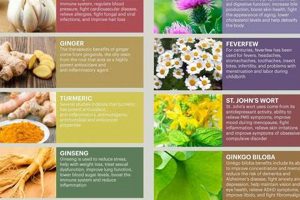
The specific combination of botanicals also plays a significant role. Synergistic effects, where the combined action of multiple plants exceeds the sum of their individual effects, are often sought. For instance, combining a plant with diuretic properties alongside another with anti-inflammatory effects can address both the cause and symptoms associated with mineral concretions. Examples of plants frequently incorporated include Phyllanthus niruri, known for its potential to inhibit crystal growth, and Equisetum arvense, valued for its diuretic properties. The ratio and preparation method of these botanicals further influence the overall effectiveness of the preparation.
Ultimately, a deep understanding of the botanical composition is crucial for optimizing the potential benefits of a “herbal stone crusher.” Misidentification of plant species or inappropriate formulation can lead to ineffective or even harmful outcomes. Rigorous quality control and adherence to established protocols are essential to ensure the consistent and safe delivery of therapeutic effects. The selection, combination, and preparation of botanicals represent an integrated approach to targeting mineral concretions, highlighting the importance of expertise and precision in the field of herbal medicine.
2. Litholytic Properties

Litholytic properties, the capacity to dissolve or break down calculi, are central to the purported mechanism of action in many “herbal stone crusher” preparations. This characteristic determines the potential of these remedies to reduce the size or eliminate mineral formations within the body.
- Solubility Enhancement
Some herbal constituents increase the solubility of minerals, facilitating their dissolution in bodily fluids and subsequent excretion. Citrates, for example, can bind to calcium, increasing its solubility and preventing further crystallization. The inclusion of plants rich in citrates, therefore, directly contributes to the litholytic activity.
- Crystal Growth Inhibition
Certain compounds found in plants can interfere with the crystallization process, inhibiting the growth of existing calculi. This mechanism doesn’t necessarily dissolve the stone entirely but prevents it from increasing in size, potentially easing its passage through the urinary tract. Phyllanthus niruri, as previously mentioned, is often cited for this particular property.
- Matrix Disruption
Mineral concretions are not solely composed of minerals; they also contain an organic matrix. Some herbal extracts can disrupt this matrix, weakening the structural integrity of the calculus and making it more susceptible to fragmentation. This may render the stone more easily passable or more vulnerable to dissolution by other agents.
- Urinary pH Modulation
The pH of urine can significantly impact the solubility of minerals. Some plants can alter urinary pH, creating an environment less conducive to stone formation or more favorable to stone dissolution. For example, increasing urinary pH can enhance the solubility of uric acid stones.
The presence and effectiveness of these litholytic properties within a “herbal stone crusher” preparation dictate its potential clinical utility. While anecdotal evidence and traditional use may suggest efficacy, rigorous scientific investigation is crucial to validate these claims and determine the specific mechanisms by which these preparations exert their effects. The understanding of litholytic properties remains fundamental to the rational design and application of natural remedies for the management of mineral concretions.
3. Diuretic action

Diuretic action, or the increased production of urine, serves as a critical component in the functionality of a “herbal stone crusher.” The increased fluid volume in the urinary tract dilutes the concentration of minerals, thereby reducing the likelihood of further crystallization and calculus formation. This enhanced fluid flow also facilitates the expulsion of smaller fragments and dissolved minerals, aiding in the clearance of existing concretions. Without sufficient diuretic action, the litholytic properties of other herbal components may be rendered less effective, as the dissolved minerals remain within the urinary system, potentially precipitating again. Plants such as dandelion leaf ( Taraxacum officinale) and horsetail ( Equisetum arvense) are often included in such formulations due to their known diuretic effects.
The effectiveness of diuretic action is intrinsically linked to adequate hydration. A “herbal stone crusher” preparation, regardless of its composition, will have limited benefit if the individual does not consume sufficient water to generate the necessary increase in urine production. Furthermore, the timing of administration can influence its efficacy. Taking the preparation throughout the day, coupled with consistent fluid intake, can maintain a steady state of increased urine flow. It is also crucial to consider any contraindications, such as existing kidney conditions or medication interactions, that could be exacerbated by diuretic herbs. The inclusion of a diuretic component must, therefore, be carefully assessed and tailored to the individual’s specific needs and medical history.
In summary, diuretic action is not merely an ancillary effect but an essential mechanism contributing to the overall effectiveness of a “herbal stone crusher.” By increasing urine volume and facilitating the removal of minerals, it complements the litholytic and anti-inflammatory properties of other herbal constituents. However, the practical significance of this action hinges on proper hydration, careful consideration of potential contraindications, and individualization of treatment based on a thorough assessment of the patient’s condition.
4. Anti-inflammatory effects

Inflammation is a common consequence of mineral concretion formation and passage, contributing significantly to the pain and discomfort experienced. The inclusion of anti-inflammatory agents within a “herbal stone crusher” preparation aims to mitigate these effects, offering symptomatic relief and potentially facilitating the natural elimination of calculi.
- Reduction of Ureteral Spasm
The presence of a stone within the ureter triggers muscular contractions, leading to spasms and intense pain. Anti-inflammatory herbs can help reduce these spasms by inhibiting the production of inflammatory mediators, thereby easing the discomfort associated with stone passage. For example, compounds found in certain plants may relax smooth muscle tissue within the ureter, promoting a more comfortable and less obstructed passage.
- Mitigation of Kidney Inflammation
Kidney inflammation, or nephritis, can occur due to the presence of stones or the resulting obstruction of urine flow. Anti-inflammatory herbs can help alleviate this inflammation, reducing the risk of kidney damage and promoting overall kidney health. Certain botanical extracts possess the ability to suppress the activity of inflammatory enzymes, thus minimizing the inflammatory response within the kidney tissue.
- Pain Management Through Inflammation Control
Inflammation directly contributes to the sensation of pain. By reducing inflammation, anti-inflammatory herbs can effectively manage the pain associated with mineral concretions. This can be particularly beneficial in cases where conventional pain medications are not desired or are contraindicated. Specific phytochemicals can block pain signals at the site of inflammation, providing localized relief.
- Promotion of Healing and Tissue Repair
Chronic inflammation can hinder the healing process. Anti-inflammatory herbs can support tissue repair and regeneration by reducing inflammation and promoting a healthier cellular environment. This is particularly important in preventing long-term damage to the urinary tract lining caused by the passage of stones. Some herbs contain compounds that accelerate the regeneration of damaged epithelial cells.
The incorporation of anti-inflammatory agents into a “herbal stone crusher” reflects a holistic approach, addressing not only the underlying mineral formation but also the associated inflammatory response. This dual action enhances the potential for both symptomatic relief and the successful elimination of calculi. Examples of botanicals used this way include turmeric ( Curcuma longa) and ginger ( Zingiber officinale), both recognized for their anti-inflammatory properties and traditional use in managing inflammatory conditions. The selection of appropriate anti-inflammatory herbs and their integration into a comprehensive treatment plan should be guided by a healthcare professional.
5. Formulation Methods

Formulation methods critically influence the efficacy and bioavailability of a “herbal stone crusher” preparation. The techniques employed determine the extent to which active compounds are extracted from the plant material and delivered to the target site within the body. The careful selection and execution of appropriate methods are, therefore, paramount to maximizing therapeutic potential.
- Extraction Techniques
The choice of extraction method significantly affects the types and concentrations of compounds obtained from the plant material. Aqueous extractions, such as infusions and decoctions, are commonly used for water-soluble constituents. Alcoholic extractions, or tinctures, are more effective for extracting resins and other non-polar compounds. Supercritical fluid extraction (SFE) offers the ability to selectively extract specific compounds while minimizing degradation. Each method necessitates careful control of parameters such as temperature, pressure, and solvent ratios to optimize yield and maintain the integrity of the active constituents. Inadequately controlled extraction can result in low potency or degradation of essential compounds.
- Dosage Forms
The form in which the preparation is administerede.g., capsules, tablets, liquid extractsimpacts absorption and bioavailability. Capsules and tablets offer convenience and standardized dosing but may require additional processing steps that could affect the stability of certain compounds. Liquid extracts, on the other hand, may be absorbed more rapidly but are often less palatable and require careful preservation. The selection of an appropriate dosage form depends on factors such as patient compliance, the stability of the active compounds, and the desired onset of action. Improperly chosen dosage forms may lead to erratic absorption or reduced therapeutic effects.
- Standardization and Quality Control
Standardization involves quantifying specific marker compounds within the preparation to ensure consistency between batches. This process necessitates the use of analytical techniques such as high-performance liquid chromatography (HPLC) or gas chromatography-mass spectrometry (GC-MS). Quality control measures, including testing for heavy metals, pesticides, and microbial contamination, are essential to ensure patient safety. A lack of standardization and quality control can result in inconsistent potency, the presence of harmful contaminants, and unreliable therapeutic outcomes.
- Combination and Synergism
The formulation may involve combining multiple herbal extracts to achieve synergistic effects. Understanding the potential interactions between different compounds is crucial for optimizing therapeutic outcomes. For example, combining a diuretic herb with a litholytic herb can enhance the overall effectiveness of the preparation. However, inappropriate combinations can lead to antagonistic effects or increased toxicity. The rational design of multi-herb formulations requires careful consideration of the pharmacological properties of each ingredient and their potential interactions.
In summary, formulation methods are not merely procedural steps but integral determinants of the therapeutic efficacy and safety of a “herbal stone crusher.” By carefully selecting appropriate extraction techniques, dosage forms, standardization procedures, and herbal combinations, it is possible to optimize the delivery of active compounds and maximize the potential benefits for individuals seeking natural solutions for mineral concretion management.
6. Clinical Evidence
The application of a “herbal stone crusher,” like any therapeutic intervention, necessitates rigorous evaluation through clinical evidence to substantiate claims of efficacy and safety. Such evidence informs responsible utilization and guides healthcare professionals in making informed recommendations.
- Randomized Controlled Trials (RCTs)
RCTs, considered the gold standard in clinical research, provide a structured framework for comparing the effects of a “herbal stone crusher” against a placebo or a conventional treatment. These trials involve randomly assigning participants to different treatment groups, minimizing bias and allowing for the assessment of causal relationships. For instance, an RCT might compare the stone clearance rate in patients receiving a specific herbal formulation versus those receiving standard medical care. The results of well-designed RCTs offer robust evidence to support or refute the effectiveness of a “herbal stone crusher”.
- Observational Studies
Observational studies, including cohort and case-control studies, examine the relationship between exposure to a “herbal stone crusher” and health outcomes without directly intervening in the treatment process. These studies can provide valuable insights into the long-term effects and real-world usage patterns of herbal preparations. For example, a cohort study might follow a group of individuals who regularly use a specific herbal formulation for stone management to assess the incidence of stone recurrence over time. While observational studies are susceptible to biases, they can generate hypotheses and complement the findings of RCTs.
- Meta-Analyses and Systematic Reviews
Meta-analyses and systematic reviews synthesize the findings of multiple independent studies to provide a comprehensive overview of the evidence base for a “herbal stone crusher.” These analyses employ statistical methods to combine the results of individual studies, increasing statistical power and providing a more precise estimate of the treatment effect. A meta-analysis might pool the data from several RCTs evaluating the same herbal formulation, allowing for a more definitive conclusion regarding its efficacy. Systematic reviews, on the other hand, provide a qualitative synthesis of the available evidence, assessing the quality and consistency of the findings across different studies.
- Pharmacokinetic and Pharmacodynamic Studies
Pharmacokinetic (PK) studies investigate how the body processes a “herbal stone crusher,” examining its absorption, distribution, metabolism, and excretion. Pharmacodynamic (PD) studies, in contrast, explore the effects of the herbal preparation on the body, elucidating its mechanisms of action and identifying potential targets. These studies are essential for understanding how herbal constituents interact with the body and for optimizing dosage regimens. For example, PK studies might determine the bioavailability of key compounds in a specific herbal formulation, while PD studies might investigate its effects on urinary pH or crystal formation in vitro.
The totality of clinical evidence, encompassing RCTs, observational studies, meta-analyses, and PK/PD studies, informs the assessment of a “herbal stone crusher’s” potential benefits and risks. While traditional use and anecdotal reports may provide preliminary support, rigorous clinical investigation is essential to validate claims of efficacy and to ensure patient safety. A critical evaluation of the available evidence is paramount for healthcare professionals and individuals considering the use of herbal remedies for stone management.
7. Safety considerations
The responsible use of any “herbal stone crusher” preparation necessitates a thorough consideration of potential safety implications. The inherent complexity of botanical compounds and their interactions with individual physiology and concurrent medications necessitates a cautious and informed approach to minimize risks and ensure patient well-being.
- Herb-Drug Interactions
The potential for interactions between herbal constituents and pharmaceutical medications represents a significant safety concern. Certain herbs can alter the absorption, metabolism, or excretion of drugs, leading to either reduced efficacy or increased toxicity. For instance, some herbal diuretics may potentiate the effects of pharmaceutical diuretics, resulting in dehydration or electrolyte imbalances. Similarly, certain herbs may interfere with blood-thinning medications, increasing the risk of bleeding. A comprehensive assessment of all medications being taken concurrently is crucial to identify and mitigate potential interactions. Consultation with a pharmacist or healthcare provider is essential to evaluate these risks.
- Adverse Effects and Allergic Reactions
Individuals may experience adverse effects or allergic reactions to specific herbal ingredients. These reactions can range from mild gastrointestinal distress to severe anaphylaxis. Common symptoms include skin rashes, itching, swelling, and difficulty breathing. Individuals with known allergies to plants in the same botanical family may be at higher risk. It is imperative to monitor for any signs of adverse reactions and to discontinue use immediately if symptoms develop. Careful evaluation of the product’s ingredient list and patch testing, when appropriate, can help identify potential allergens.
- Contraindications Based on Medical Conditions
Certain medical conditions may contraindicate the use of specific herbal ingredients. For example, individuals with kidney disease may need to avoid certain diuretic herbs, as they could exacerbate kidney dysfunction. Similarly, individuals with bleeding disorders may need to avoid herbs with anticoagulant properties. A thorough review of the individual’s medical history is crucial to identify any potential contraindications. Consultation with a physician is essential to determine the appropriateness of a “herbal stone crusher” in the context of pre-existing medical conditions.
- Quality Control and Purity
The quality and purity of herbal products can vary considerably, depending on the sourcing, manufacturing, and storage practices. Contamination with heavy metals, pesticides, or adulterants represents a significant safety risk. It is essential to source herbal products from reputable manufacturers that adhere to stringent quality control standards. Look for certifications from third-party organizations that verify the purity and potency of the product. A lack of quality control can lead to exposure to harmful substances and undermine the therapeutic benefits of the preparation.
The foregoing considerations underscore the importance of a proactive and informed approach to safety when utilizing a “herbal stone crusher.” While these preparations may offer potential benefits, their responsible use requires a comprehensive assessment of potential risks, careful monitoring for adverse effects, and consultation with qualified healthcare professionals. A commitment to safety is paramount to maximizing the benefits and minimizing the potential harms associated with these natural remedies.
Frequently Asked Questions
The following questions and answers address common inquiries and concerns regarding the use of herbal preparations marketed as “stone crushers.” The information provided is intended for educational purposes and does not constitute medical advice. Consultation with a qualified healthcare professional is essential before initiating any treatment regimen.
Question 1: Are “herbal stone crushers” a scientifically proven alternative to conventional medical treatments for kidney stones?
The scientific evidence supporting the efficacy of “herbal stone crushers” varies significantly depending on the specific formulation. Some herbal constituents have demonstrated promising results in preliminary studies, but rigorous, large-scale clinical trials are often lacking. These preparations should not be considered a replacement for established medical treatments, such as lithotripsy or surgery, when indicated. The decision to use such preparations should be made in consultation with a physician, considering the individual’s specific condition and the available evidence.
Question 2: What are the potential risks associated with using “herbal stone crushers”?
Potential risks include herb-drug interactions, allergic reactions, adverse effects on kidney function, and contamination with heavy metals or other harmful substances. The safety profile of a specific “herbal stone crusher” depends on its composition, dosage, and the individual’s medical history. It is essential to source products from reputable manufacturers that adhere to stringent quality control standards. Any signs of adverse effects, such as skin rashes, gastrointestinal distress, or changes in urine output, should prompt immediate discontinuation of use and consultation with a healthcare provider.
Question 3: How long does it typically take to see results from using a “herbal stone crusher”?
The timeframe for observing results varies depending on factors such as the size and composition of the stones, the specific herbal formulation used, and the individual’s response to treatment. Some individuals may experience symptom relief within a few weeks, while others may require several months to see noticeable changes. It is crucial to maintain realistic expectations and to monitor progress closely in consultation with a healthcare professional. A lack of improvement after a reasonable period may warrant a reevaluation of the treatment plan.
Question 4: Are all “herbal stone crushers” created equal?
No, significant variability exists in the composition, quality, and potency of different “herbal stone crusher” products. Formulations may contain different combinations of herbs, and the concentration of active compounds can vary widely. It is essential to carefully evaluate the product label, research the manufacturer, and seek advice from a qualified herbalist or healthcare professional to ensure the selection of a high-quality product.
Question 5: Can “herbal stone crushers” prevent the formation of new kidney stones?
Some herbal constituents may possess preventative properties, such as inhibiting crystal formation or altering urinary pH. However, the effectiveness of “herbal stone crushers” in preventing stone recurrence is not definitively established. Lifestyle modifications, such as increasing fluid intake and adjusting dietary habits, remain essential for long-term stone prevention. These preparations may be considered as part of a comprehensive prevention strategy, but they should not be relied upon as a sole means of preventing recurrence.
Question 6: What are the key considerations when choosing a “herbal stone crusher”?
Key considerations include the specific type and size of the kidney stones, the individual’s medical history and concurrent medications, the quality and sourcing of the herbal product, and the availability of scientific evidence supporting its efficacy and safety. Consultation with a healthcare professional is essential to determine the appropriateness of a “herbal stone crusher” and to develop a personalized treatment plan. Self-treating without professional guidance is strongly discouraged.
In summary, while “herbal stone crushers” may offer potential benefits for some individuals, their use necessitates careful consideration of potential risks, realistic expectations, and professional guidance. These preparations should not be regarded as a panacea or a substitute for conventional medical care.
The following section will delve into the regulatory landscape surrounding herbal supplements and the implications for consumer safety.
Conclusion
The preceding exploration of “herbal stone crusher” preparations has revealed a complex landscape encompassing traditional practices, potential benefits, and inherent risks. While certain botanical constituents demonstrate litholytic, diuretic, and anti-inflammatory properties, the available clinical evidence remains variable and often limited. The efficacy and safety of these preparations hinge on factors such as accurate stone diagnosis, appropriate formulation methods, stringent quality control, and careful consideration of individual medical history and concurrent medications.
Given the multifaceted nature of mineral concretion management and the potential for adverse outcomes, individuals considering the use of a “herbal stone crusher” are strongly advised to seek guidance from qualified healthcare professionals. A collaborative approach, integrating conventional medical assessments with informed herbal practices, offers the best prospect for achieving positive outcomes and safeguarding patient well-being. Further research is warranted to elucidate the mechanisms of action, optimize formulations, and establish clear guidelines for the responsible utilization of these natural remedies.