Certain plant infusions, consumed as beverages, are often considered a natural approach to alleviating discomfort in the head. These preparations utilize the purported therapeutic properties of various herbs, offering a potentially gentle alternative to conventional remedies for cephalgia. For instance, a chamomile infusion is frequently ingested for its relaxing properties, which may indirectly reduce tension-related head pain.
The appeal of using plant-based beverages for pain management lies in their perceived holistic approach. Proponents suggest these infusions offer benefits beyond mere symptom relief, potentially addressing underlying causes such as stress or inflammation. Historically, different cultures have integrated herbal preparations into their traditional medicine practices to manage physical ailments, including head discomfort. The efficacy and safety of these remedies, however, warrant careful consideration and, ideally, scientific validation.
This discussion will explore specific herbal infusions commonly cited for their potential to mitigate head discomfort, examining the scientific evidence, if any, supporting their use, and considering potential risks and interactions. The information presented is for educational purposes only and does not constitute medical advice.
Tips for Using Herbal Infusions to Manage Head Discomfort
Individuals exploring the potential of herbal infusions for addressing head discomfort should consider the following guidelines to maximize benefits and minimize potential risks.
Tip 1: Identify Potential Triggers: Maintain a detailed log of headache occurrences, noting potential triggers such as stress, dietary factors, and environmental conditions. This information can assist in determining whether herbal infusions can effectively address specific headache types.
Tip 2: Select Reputable Herbal Sources: Procure herbs from reputable suppliers to ensure quality and authenticity. Contamination with pesticides or adulteration with other substances can negate the purported benefits and potentially introduce harmful compounds.
Tip 3: Start with Low Doses: Initiate consumption with small quantities to assess individual tolerance and identify potential allergic reactions. Gradually increase the dose as needed, monitoring for any adverse effects.
Tip 4: Prepare Infusions Correctly: Adhere to recommended brewing times and water temperatures to optimize the extraction of beneficial compounds. Over-steeping can result in bitter or astringent flavors, while under-steeping may limit the therapeutic potential.
Tip 5: Consider Potential Interactions: Consult with a healthcare professional before incorporating herbal infusions into a regimen, especially if taking prescription medications. Certain herbs can interact with pharmaceuticals, altering their effectiveness or increasing the risk of side effects.
Tip 6: Maintain Realistic Expectations: Recognize that herbal infusions may not provide immediate or complete relief from head discomfort. They may be most effective as a complementary therapy in conjunction with other strategies, such as stress management techniques or lifestyle modifications.
Tip 7: Prioritize Hydration: Remember that proper hydration is crucial for overall health and can assist in managing head discomfort. While drinking an infusion, ensure adequate water intake throughout the day.
Employing these practices can help maximize the benefits and minimize the risks of integrating herbal infusions into a strategy for managing head discomfort. However, individuals must always consult with medical professionals for personalized advice.
The subsequent section will address specific herbal infusions commonly recommended for managing head discomfort, along with relevant scientific evidence.
1. Herb Selection

The selection of appropriate herbs forms the cornerstone of effectively using plant infusions to manage head discomfort. The specific plant chosen directly dictates the potential therapeutic effects, making informed selection a critical step.
- Understanding Headache Types and Corresponding Herbs
Different headache types, such as tension headaches, migraines, or cluster headaches, may respond to different herbal properties. For example, chamomile is often selected for tension headaches due to its relaxing effects, while ginger may be chosen for migraines accompanied by nausea. Identifying the predominant headache type allows for a more targeted and potentially effective herbal selection.
- Active Compounds and Their Mechanisms of Action
Each herb contains a unique profile of active compounds that exert pharmacological effects within the body. Peppermint contains menthol, which may relax muscles and provide a cooling sensation. Feverfew contains parthenolide, which has been studied for its potential to reduce migraine frequency. Understanding the active compounds and their purported mechanisms of action allows for a more rational selection process based on anticipated physiological effects.
- Source and Quality Considerations
The source and quality of the herb significantly impact its potency and safety. Herbs sourced from reputable suppliers are more likely to be free from contaminants, such as pesticides or heavy metals, and to contain the specified amount of active compounds. Organic herbs, while not necessarily more effective, may reduce exposure to synthetic chemicals. Selecting herbs from trusted sources ensures a more reliable and potentially safer product.
- Potential Allergies and Sensitivities
Individuals may experience allergic reactions or sensitivities to certain herbs. It is crucial to consider personal allergy history and to start with small doses of a new herb to assess tolerance. Common allergens include ragweed, which is botanically related to chamomile and feverfew. Awareness of potential allergies and sensitivities minimizes the risk of adverse reactions.
The convergence of headache type, active compound knowledge, source quality, and allergy awareness collectively guides the optimal selection of herbs for infusions intended to alleviate head discomfort. Employing a thoughtful approach to herb selection enhances the likelihood of a positive outcome while minimizing potential risks.
2. Preparation Method
The method by which an herbal infusion is prepared significantly influences the extraction of bioactive compounds, thereby impacting the potential efficacy of the resulting beverage for head discomfort. Inadequate preparation can result in a weak and ineffective infusion, while improper techniques may release undesirable compounds or degrade beneficial ones.
- Water Temperature
Water temperature is a critical factor. Overly hot water can degrade delicate volatile oils present in some herbs, such as peppermint, reducing their therapeutic effect. Conversely, water that is not hot enough may fail to adequately extract beneficial compounds from tougher plant materials, such as ginger root. Recommended temperatures generally range from 200-212F (93-100C) for tougher materials and slightly cooler (170-185F or 77-85C) for more delicate leaves and flowers.
- Steeping Time
Steeping time dictates the duration of compound extraction. Insufficient steeping results in a weak infusion lacking the desired therapeutic properties. Excessive steeping, particularly with herbs containing tannins, can lead to a bitter and astringent beverage. General guidelines suggest steeping times of 5-15 minutes, depending on the herb and desired strength. Experimentation within this range may be necessary to achieve optimal results.
- Herb-to-Water Ratio
The ratio of herb to water determines the concentration of active compounds in the final infusion. Insufficient herb may result in a weak, ineffective beverage. Excessive herb can lead to an overly concentrated and potentially unpleasant-tasting infusion, and in some cases, may increase the risk of adverse effects. Typical ratios range from 1-2 teaspoons of dried herb per cup (8 ounces) of water. Adjustments may be necessary based on individual preferences and the potency of the herb.
- Infusion Vessel
The choice of infusion vessel can also influence the final product. Non-reactive materials, such as glass or stainless steel, are preferred to avoid unwanted interactions between the herb and the vessel. Certain materials, such as aluminum, can react with acidic compounds in the herbs, potentially altering the flavor and composition of the infusion. Ensuring the vessel is clean and free from residues is also essential.
These facets of preparation underscore the nuanced process required to maximize the potential benefits of herbal infusions for head discomfort. By carefully controlling water temperature, steeping time, herb-to-water ratio, and infusion vessel, individuals can optimize the extraction of therapeutic compounds and create a more effective and palatable beverage. Attention to these details is crucial for realizing the full potential of plant-based infusions in the context of head discomfort management.
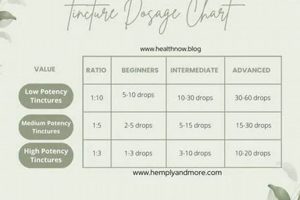
3. Dosage Control

Effective management of head discomfort using plant infusions hinges significantly on precise dosage control. The concentration of bioactive compounds directly influences therapeutic outcomes and potential adverse effects. Therefore, a thorough understanding of appropriate dosage parameters is essential for safe and effective utilization.
- Standardized Preparations vs. Raw Herbs
Standardized herbal preparations offer a degree of dosage consistency due to defined concentrations of specific active compounds. This contrasts with raw herbs, where the concentration can vary significantly depending on factors such as growing conditions and harvesting methods. When using raw herbs, careful measurement and consideration of potential variations in potency are paramount. For example, a teaspoon of chamomile flowers harvested from one garden may contain a different concentration of active compounds compared to a teaspoon from another source.
- Individual Variability and Physiological Factors
Individual responses to herbal infusions can vary widely based on physiological factors such as age, weight, metabolism, and overall health. A dosage that proves effective for one individual may be insufficient or excessive for another. Starting with a low dose and gradually increasing it while carefully monitoring for both therapeutic effects and adverse reactions is a prudent approach. Individuals with pre-existing medical conditions or those taking medications should exercise particular caution and consult with a healthcare professional.
- Potential Toxicity and Side Effects
While often perceived as gentle, plant infusions can possess inherent toxicity or induce undesirable side effects if consumed in excessive quantities. Certain herbs, such as feverfew, may cause gastrointestinal upset in some individuals. Overconsumption of caffeine-containing herbs like guarana can lead to anxiety, insomnia, and increased heart rate. Adhering to recommended dosage guidelines and being aware of potential side effects is crucial for preventing adverse outcomes.
- Long-Term Use and Tolerance
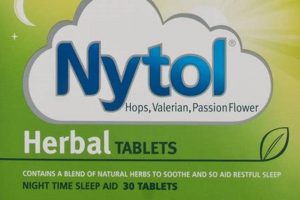
Prolonged use of certain herbal infusions may lead to the development of tolerance, requiring higher doses to achieve the same therapeutic effect. This can potentially increase the risk of adverse effects. Cyclical use, involving periods of abstinence, may help to mitigate tolerance. Regular monitoring for changes in efficacy and potential side effects is recommended for individuals who use herbal infusions on a long-term basis. For example, prolonged daily consumption of valerian root may lead to diminished sedative effects over time.
In summation, the successful application of plant infusions for managing head discomfort necessitates a meticulous approach to dosage control. By considering factors such as standardization, individual variability, potential toxicity, and long-term use, individuals can optimize therapeutic outcomes while minimizing the risk of adverse effects. The responsible and informed use of plant infusions requires a commitment to precise dosage management as a central element.
4. Interaction Risks

The concurrent use of plant infusions and conventional pharmaceuticals presents potential interaction risks that warrant careful consideration. Plant constituents may alter the pharmacokinetic or pharmacodynamic properties of prescription or over-the-counter medications, leading to diminished therapeutic efficacy or increased adverse events. The following details the nuanced aspects of these risks in the context of managing head discomfort.
- Herb-Drug Interactions Affecting Cytochrome P450 Enzymes
Cytochrome P450 (CYP) enzymes, primarily located in the liver, play a crucial role in metabolizing numerous drugs. Certain plant compounds can either inhibit or induce CYP enzyme activity, thereby affecting the clearance rate of co-administered medications. For instance, St. John’s Wort, while not typically consumed as a beverage, is a potent inducer of CYP3A4, potentially reducing the effectiveness of analgesics or triptans commonly prescribed for migraine. Conversely, grapefruit juice, known to inhibit CYP3A4, may increase the serum concentration of certain medications, potentially leading to toxicity. Individuals concurrently using herbal preparations and pharmaceuticals should be cognizant of these potential enzyme-mediated interactions.
- Additive or Synergistic Effects with Anticoagulants or Antiplatelet Agents
Some plants possess inherent anticoagulant or antiplatelet properties, which, when combined with anticoagulant or antiplatelet medications (e.g., warfarin, aspirin), can increase the risk of bleeding. Examples include ginger, garlic, and ginkgo. While ginger infusions are frequently recommended for nausea associated with migraines, concurrent use with anticoagulants necessitates careful monitoring of bleeding parameters (e.g., INR) to prevent potentially serious hemorrhagic complications.
- Interactions with Sedatives or Anxiolytics
Certain plant infusions, such as chamomile or valerian root, possess sedative properties. Concurrent use with sedative or anxiolytic medications (e.g., benzodiazepines) can result in additive central nervous system depression, leading to excessive drowsiness, impaired cognitive function, and increased risk of accidents. The potential for synergistic effects warrants caution, particularly when operating machinery or driving.
- Impact on Blood Pressure and Cardiovascular Medications
Some plants can influence blood pressure, either increasing or decreasing it. For example, licorice root contains glycyrrhizin, which can elevate blood pressure through mineralocorticoid effects. Concurrent use with antihypertensive medications may compromise blood pressure control. Conversely, plant preparations with vasodilatory effects may potentiate the effects of antihypertensive drugs, potentially leading to hypotension. Careful monitoring of blood pressure is advisable when combining plant infusions with cardiovascular medications.
Given the potential for interactions between plant infusions and conventional medications, individuals managing head discomfort should disclose all herbal preparations used to their healthcare providers. A thorough review of potential interactions is crucial to ensuring both the safety and effectiveness of the overall treatment regimen. The information provided herein is for educational purposes and does not substitute professional medical advice.
5. Underlying Causes

The utilization of herbal infusions to manage head discomfort often focuses on symptomatic relief, yet a crucial aspect frequently overlooked is the identification and management of underlying causes. While certain herbal preparations may possess analgesic or anti-inflammatory properties, their efficacy is limited when the root cause of the cephalalgia remains unaddressed. For example, a tension headache stemming from chronic stress may find temporary relief with chamomile infusion, but the recurrence is probable without stress management techniques. Similarly, a migraine triggered by dietary factors may only be partially mitigated by ginger if the offending food is not identified and eliminated. Addressing the underlying cause is, therefore, paramount for sustained relief and prevention.
Identifying underlying causes requires a comprehensive assessment, potentially involving medical history review, physical examination, and lifestyle analysis. Common triggers include stress, dehydration, hormonal fluctuations, sleep deprivation, dietary sensitivities, and musculoskeletal issues. A detailed headache diary, documenting frequency, intensity, duration, and associated factors, can aid in pinpointing potential triggers. In some instances, medical conditions such as sinusitis, temporomandibular joint disorder (TMJ), or even more serious pathologies may manifest as head discomfort, necessitating appropriate medical intervention beyond self-treatment with plant infusions. The practical implication is that herbal infusions should ideally be integrated into a broader management plan that targets the specific underlying cause.
In conclusion, while plant infusions can offer symptomatic relief for head discomfort, their role is most effectively realized when integrated within a holistic approach that prioritizes the identification and management of underlying causes. Focusing solely on symptom suppression without addressing the root issue may lead to recurrent discomfort and potentially mask more serious medical conditions. The consideration of underlying causes is, therefore, not merely an adjunct to herbal therapy, but a fundamental prerequisite for optimizing its effectiveness and ensuring comprehensive patient care.
6. Symptom Relief

Plant infusions are frequently consumed to alleviate the discomfort associated with cephalgia. These infusions are not considered curative but rather employed to mitigate the intensity or duration of symptoms. The effectiveness of such beverages in providing relief from head discomfort warrants a nuanced exploration.
- Analgesic Properties of Specific Herbs
Certain plants possess inherent analgesic properties that may contribute to a reduction in head discomfort. For example, white willow bark contains salicin, a precursor to salicylic acid, which is known for its pain-relieving effects. Similarly, feverfew contains parthenolide, which has been studied for its potential to reduce migraine pain. The analgesic action of these herbs may involve inhibiting prostaglandin synthesis or modulating pain pathways.
- Anti-Inflammatory Effects and Head Discomfort
Inflammation is often implicated in the pathophysiology of various headache types. Certain herbal infusions, such as ginger and turmeric, exhibit anti-inflammatory properties due to the presence of compounds like gingerol and curcumin, respectively. These compounds may inhibit the production of inflammatory cytokines, thereby reducing inflammation and potentially alleviating head discomfort. The extent to which anti-inflammatory effects contribute to overall symptom relief remains a subject of ongoing research.
- Muscle Relaxant Properties and Tension Headaches
Tension headaches are frequently associated with muscle tension in the head, neck, and shoulders. Certain herbs, such as chamomile and lavender, possess muscle relaxant properties, potentially contributing to the alleviation of tension-related head discomfort. These herbs may promote muscle relaxation through various mechanisms, including modulation of neurotransmitter activity and reduction of anxiety.
- Addressing Nausea Associated with Headaches
Nausea is a common symptom accompanying certain types of headaches, particularly migraines. Ginger is a well-known antiemetic agent that can help alleviate nausea and vomiting. The active compounds in ginger, such as gingerol and shogaol, may exert their antiemetic effects by modulating gastrointestinal motility and reducing the sensitivity of the vagal nerve. The inclusion of ginger in infusions can, therefore, provide relief from nausea, a common and distressing symptom associated with head discomfort.
In conclusion, the symptom relief offered by plant infusions for head discomfort is multifaceted, encompassing analgesic, anti-inflammatory, muscle relaxant, and antiemetic properties. The relative contribution of each of these mechanisms may vary depending on the specific herb, the individual’s physiology, and the underlying cause of the headache. While plant infusions can provide symptomatic relief, they are not a substitute for addressing underlying causes or seeking appropriate medical care.
7. Individual Variation
The efficacy of plant infusions in managing head discomfort is significantly influenced by individual variation, a factor necessitating personalized approaches rather than standardized recommendations. Physiological differences, genetic predispositions, and pre-existing medical conditions contribute to variable responses. Consequently, an infusion that provides substantial relief for one individual may prove ineffective or even detrimental for another. For example, an individual with a genetic sensitivity to salicylates may experience adverse reactions to white willow bark infusion, while another may derive analgesic benefits. This variation highlights the importance of individualized assessments prior to initiating herbal therapies.
Pharmacokinetic and pharmacodynamic variations are also crucial. Metabolic rates, gut microbiome composition, and receptor sensitivity vary among individuals, impacting the absorption, distribution, metabolism, and excretion of plant compounds. This, in turn, affects the concentration of active constituents reaching target tissues and the magnitude of their effect. Consider two individuals consuming the same dosage of ginger infusion for migraine-related nausea; one may experience rapid symptom relief due to efficient absorption and metabolism of gingerol, while the other may exhibit minimal improvement due to poor absorption or rapid clearance. Such examples underscore the complexity of individual responses and the limitations of generalized dosing guidelines. Furthermore, factors such as age, sex, and body weight can influence the optimal dosage and frequency of infusion consumption. An elderly individual with impaired renal function may require a lower dosage of a diuretic herb to avoid electrolyte imbalances.
In summary, the role of individual variation in determining the effectiveness and safety of plant infusions for managing head discomfort is paramount. Recognizing and accounting for these variations through careful assessment, personalized recommendations, and continuous monitoring is essential for optimizing therapeutic outcomes and minimizing adverse effects. A blanket approach to herbal therapies is ill-advised; a tailored strategy is critical. Failure to consider individual variation not only diminishes the potential benefits but also introduces unnecessary risks. The incorporation of personalized medicine principles into the application of herbal infusions represents a crucial step toward improving the management of head discomfort.
Frequently Asked Questions
The subsequent questions address common inquiries and misconceptions surrounding the use of plant-based infusions for the management of head discomfort.
Question 1: Is the consumption of plant infusions a suitable replacement for conventional headache medication?
Plant infusions may provide symptomatic relief for mild to moderate head discomfort. However, these infusions are generally not considered a substitute for conventional medications, particularly in cases of severe or chronic cephalgia. A qualified healthcare professional should be consulted for diagnosis and treatment recommendations.
Question 2: Are there potential adverse effects associated with the ingestion of plant infusions for headache relief?
Adverse effects are possible, varying according to the specific herb consumed and individual sensitivities. Potential side effects range from mild gastrointestinal upset to allergic reactions. Some herbs may interact with prescription medications. Consultation with a healthcare provider is advised prior to initiating herbal therapies.
Question 3: How long does it typically take for plant infusions to provide relief from head discomfort?
The onset of relief varies depending on the individual, the severity of the headache, and the specific plant infusion used. Some individuals may experience noticeable relief within 30 to 60 minutes, while others may require longer periods or repeated consumption. Results are not guaranteed, and effectiveness can vary.
Question 4: Are certain plant infusions more effective than others for specific types of headaches?
Anecdotal evidence and some limited research suggest that certain herbs may be more beneficial for particular headache types. For example, chamomile may be more effective for tension headaches, while ginger may alleviate nausea associated with migraines. However, conclusive scientific evidence is often lacking, and individual responses can vary.
Question 5: Can plant infusions be consumed regularly as a preventative measure against headaches?
Regular consumption of certain plant infusions may offer preventative benefits for some individuals. However, the long-term safety and efficacy of such practices have not been definitively established for all herbs. Consultation with a healthcare provider is recommended before initiating any long-term herbal regimen.
Question 6: How should plant infusions be prepared to maximize their potential effectiveness for headache relief?
Proper preparation involves using high-quality herbs, adhering to appropriate water temperatures, and steeping for the recommended duration. General guidelines suggest using one to two teaspoons of dried herb per cup of hot water, steeping for five to ten minutes. Deviations from these guidelines may affect the potency and efficacy of the infusion.
The responsible use of plant infusions for managing head discomfort requires careful consideration of potential risks and benefits, as well as consultation with qualified healthcare professionals.
The subsequent section will explore relevant scientific findings pertaining to the use of plant infusions for head discomfort.
Herbal Tea for Headache
This exposition has explored the multifaceted aspects of herbal tea for headache, encompassing considerations from herb selection and preparation to dosage control, interaction risks, and the imperative of addressing underlying causes. While certain plant infusions may offer symptomatic relief, their application necessitates a judicious approach, acknowledging individual variability and potential limitations.
The information provided serves as a foundation for informed decision-making. The use of herbal tea for headache should complement, not replace, professional medical guidance. Continued research is essential to delineate the precise mechanisms, efficacy, and safety profiles of specific herbal preparations in the context of cephalgia management. Ultimately, responsible application requires diligent self-monitoring, open communication with healthcare providers, and a commitment to evidence-based practices.