This system integrates celestial mechanics with plant-based healing practices. It posits a correlation between planetary positions and herbal properties, suggesting that the influence of the cosmos extends to the medicinal virtues found within plants. For example, a plant associated with Mars might be considered beneficial for addressing inflammation, reflecting the planet’s energetic and fiery nature.
Understanding this connection offers a holistic perspective on wellness. By considering the interplay between cosmic forces and botanical remedies, practitioners can tailor treatments to individual needs, potentially optimizing efficacy. Historically, this method of understanding health was prevalent across cultures, where the natural world, including the heavens, was viewed as interconnected and influential on human well-being.
The subsequent sections will delve into the specific planetary and zodiacal associations with various plants, explore methods for determining the appropriate herbal remedies based on astrological charts, and examine the practical applications of this integrated approach to promoting health and vitality.
Guidance Through Celestial Botany
The following recommendations offer insights into leveraging the principles of celestial botany for enhanced well-being.
Tip 1: Identify Planetary Affinities: Ascertain the planetary ruler associated with specific health conditions. Research herbs aligned with that planet for potential therapeutic benefits. For instance, the Moon is linked to emotions; herbal allies may include calming nervines like chamomile.
Tip 2: Analyze Natal Chart Aspects: Scrutinize individual astrological charts for planetary aspects impacting health. Select plants that resonate with the energies of those planets, aiming to harmonize imbalances reflected in the chart.
Tip 3: Consider Lunar Cycles: Align herbal preparations with lunar phases. Harvesting herbs during a waxing moon, for example, is often considered optimal for maximizing potency, reflecting the moon’s energetic building phase.
Tip 4: Understand Zodiacal Correspondences: Recognize the association between zodiac signs and specific body parts. Address vulnerabilities related to one’s sun sign with herbs that support the corresponding anatomical region.
Tip 5: Observe Plant Signatures: Acknowledge the Doctrine of Signatures, which suggests that a plant’s appearance hints at its medicinal uses. Red-colored plants, for example, may be associated with circulatory support.
Tip 6: Consult Expert Resources: Consult established texts and experienced practitioners for a comprehensive understanding of plant properties and astrological associations, ensuring responsible and informed herbal use.
Tip 7: Document and Observe: Maintain a record of chosen remedies and their effects. Observational data assists in refining future selections and understanding individual responses to the integrated method.
Adhering to these considerations fosters a more informed and potentially effective approach to integrating herbalism with celestial understanding, promoting a balanced and holistic approach to health.
The subsequent discussion will address practical applications for applying these guidelines, including methods for selecting remedies and integrating them into a holistic health plan.
1. Planetary Rulership

Planetary Rulership, a cornerstone of practice, asserts that each planet in the solar system exerts a unique influence on specific plants. This correspondence implies that herbs possess energetic signatures mirroring those of their ruling planet. Understanding this connection allows practitioners to select remedies that align with the perceived imbalance in an individual’s constitution. For instance, Mars, associated with heat and inflammation, rules plants like cayenne, which is used to stimulate circulation. Conversely, Saturn, embodying cold and contraction, governs plants such as comfrey, traditionally used for binding and healing tissues. This direct link provides a framework for herbal selection based on cosmological principles.
The system operates on the premise that the qualities of a planet imbue the plants under its dominion. This imbument results in a direct effect, shaping the plant’s chemical composition and therapeutic properties. The identification of a plant’s planetary ruler often stems from historical observation, the Doctrine of Signatures (where the plant’s physical characteristics suggest its use), or experimentation. Practical application involves assessing an individual’s energetic state perhaps an excess of Martian fiery energy and prescribing a cooling herb, such as cucumber, associated with the Moon, to balance the system. Successful implementation requires a nuanced understanding of planetary attributes and their manifesting characteristics.
In conclusion, Planetary Rulership provides a structured means for categorizing and utilizing plant-based remedies. The challenge lies in accurately interpreting individual needs and correctly identifying planetary influences. Despite the subjective nature of these interpretations, the concept serves as a valuable lens through which to view the relationship between the cosmos and botanical medicine, enhancing a holistic approach to well-being.
2. Zodiacal Affinity

Zodiacal Affinity, within the framework of botanical science informed by celestial mechanics, proposes a direct correlation between the twelve zodiac signs and specific physiological systems or anatomical regions within the human body. This association suggests that individuals exhibit inherent susceptibilities or strengths based on their sun sign, which can be addressed through targeted herbal interventions.
- Sign Correspondences with Body Systems
Each zodiac sign is traditionally linked to certain body parts. Aries, for example, governs the head, while Taurus is associated with the neck and throat. This correspondence suggests that individuals with a strong Aries influence in their astrological chart may be prone to headaches, whereas those with a prominent Taurus may experience throat-related ailments. Consequently, herbs that specifically target these anatomical regions are chosen to promote health and balance.
- Herbal Actions Based on Zodiacal Qualities
The zodiac signs are categorized by element (fire, earth, air, water) and modality (cardinal, fixed, mutable), which are believed to influence the qualities and actions of related herbs. Fire signs (Aries, Leo, Sagittarius) are linked to warming and stimulating herbs, while earth signs (Taurus, Virgo, Capricorn) are associated with grounding and nourishing remedies. This classification informs the selection of herbs to address energetic imbalances based on individual astrological profiles.
- Constitutional Tendencies
Zodiacal Affinity considers inherent constitutional tendencies tied to an individual’s sun sign. For instance, Gemini, an air sign, is associated with the nervous system, suggesting potential tendencies toward anxiety. Therefore, herbs known for their calming properties, such as lavender or chamomile, might be recommended to support nervous system health in individuals with a strong Gemini influence. Similarly, Cancer, a water sign, is linked to emotional sensitivity, prompting the use of supportive, emotionally balancing herbs.
- Timing of Herbal Application
Some practitioners incorporate the current astrological transits into their recommendations, suggesting that herbal treatments are most effective when aligned with the moon’s position in a specific zodiac sign. For example, using herbs that support the liver during the moon’s transit through Virgo, which is associated with digestion and the liver, is believed to maximize therapeutic impact.
Integrating the principles of Zodiacal Affinity into a health plan allows for a nuanced and personalized approach to herbalism. The system facilitates selection based on specific constitutional strengths and weaknesses, providing a targeted intervention strategy aligned with individual astrological profiles. This integration acknowledges the inherent interconnection between the microcosm of the individual and the macrocosm of the celestial sphere.
3. Elemental Correspondence

Elemental Correspondence, a foundational concept, posits that the four classical elements (Fire, Earth, Air, and Water) underpin both astrological and herbal classifications, creating a framework for understanding energetic interactions. In astrological terms, the zodiac signs are divided into these elements, each exhibiting distinct qualities. Similarly, herbs are assigned elemental affinities based on their observable characteristics and traditional uses. This framework allows for the strategic application of botanical remedies to address elemental imbalances detected within an astrological profile, reflecting a belief in the interconnectedness of the microcosm and macrocosm. The selection of a Water-dominant herb, such as aloe vera, to soothe a Fire-dominant condition, such as inflammation, exemplifies this principle, reflecting a balancing influence.
The importance of elemental understanding resides in its ability to refine remedy selection beyond simple planetary or zodiacal associations. By recognizing the elemental nature of a plant and its potential impact on the four temperaments, practitioners enhance the precision and efficacy of herbal prescriptions. For instance, a person with a strong Earth influence in their natal chart, potentially manifesting as sluggishness, may benefit from Air-dominant herbs, like rosemary, to stimulate and uplift their energy. This approach facilitates an understanding of the plant-human relationship as a dynamic interchange between complementary forces, rather than a static application of botanical properties.
In conclusion, the concept of Elemental Correspondence offers a nuanced and multifaceted layer to astrological herbalism, moving beyond simple correlations. The principle acknowledges the inherent complexity of energetic systems and proposes a strategic method for addressing imbalances through targeted herbal interventions. The successful application of this principle hinges on the accurate assessment of individual elemental constitutions and the precise identification of herbal elemental properties, thereby promoting a more effective and balanced approach to holistic well-being.
4. Harvest Timing
Harvest timing, an integral component of this practice, dictates the precise moment at which a plant is collected for medicinal use. This practice emphasizes aligning harvest with specific astrological configurations, based on the belief that celestial positions influence the plant’s potency and therapeutic properties. The alignment is not arbitrary; it stems from a belief that cosmic energies manifest within plants, and proper timing optimizes their expression. A classic example involves harvesting root herbs during the waning moon, when energies are believed to be drawn downward, concentrating medicinal properties in the root system. The practical implication is that adhering to these celestial cues enhances the efficacy of the resulting herbal preparation.
The moon’s phase, zodiacal sign, and planetary aspects are primary considerations when determining optimal harvest times. Each factor is thought to influence specific plant constituents. For instance, harvesting aerial parts of a plant during a waxing moon is believed to capture the upward flow of energy, maximizing volatile oil content. Similarly, specific planetary aspects, such as conjunctions or oppositions, are considered auspicious or inauspicious, based on their potential to either amplify or diminish desired medicinal qualities. Practitioners meticulously consult astronomical calendars and ephemerides to identify these optimal harvest windows. This detailed approach exemplifies a dedication to harnessing the inherent power of nature in harmony with cosmic forces. The effect of these choices has to be understood that can change the chemical and medicinal property.
Harvest timing within this system presents both practical and philosophical challenges. The inherent variability of weather patterns, geographical location, and plant species necessitates adaptability. Moreover, the subjective interpretation of astrological influences can lead to diverse approaches among practitioners. Despite these challenges, the practice underscores a deep respect for natural cycles and promotes a mindful connection to the plant kingdom. The adherence to cosmological rhythms, even in the face of modern scientific skepticism, reinforces the enduring appeal of this approach for those seeking a holistic and interconnected understanding of health and well-being. This system can be helpful, and understanding can be vital in determining a healthy human life.
5. Preparation Methods

Preparation methods significantly influence the efficacy and energetic expression of herbal remedies within the framework of astrological herbalism. The choice of preparation is not arbitrary but consciously aligned with planetary influences and individual constitutional needs.
- Infusion Timing and Lunar Phases
The duration and timing of herbal infusions can be synchronized with lunar phases. For instance, preparing a solar infusion (steeping herbs in sunlight) for a shorter duration during a waxing moon may amplify the invigorating properties of a plant ruled by the Sun, while a longer steeping time during a waning moon could emphasize its grounding qualities.
- Decoction and Planetary Rulership
Decoctions, involving prolonged boiling of tougher plant parts such as roots and bark, may be favored for plants ruled by Saturn, the planet associated with structure and longevity. This method extracts minerals and complex compounds, reflecting Saturn’s influence on stability and grounding. The timing of the decoction, potentially aligned with Saturn’s transit, is believed to further enhance its grounding qualities.
- Tincture Potency and Planetary Hours
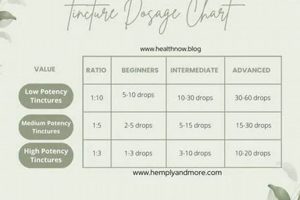
The creation of tinctures, involving the maceration of herbs in alcohol, can be timed according to planetary hours. Initiating the tincture-making process during the hour ruled by the planet associated with the herb is posited to enhance its potency and targeted action. For example, starting a valerian tincture during the hour of the Moon may amplify its calming and emotionally supportive properties.
- Salve Formulation and Elemental Considerations
Salve formulation, combining herbal infusions with oils and beeswax, integrates elemental correspondences. Selecting oils associated with specific elements (e.g., almond oil for air, olive oil for earth) and blending them with herbs sharing those elemental affinities is believed to create a synergistic effect. Applying the resulting salve during a planetary transit aligned with the governing elements may further optimize its therapeutic action.
The mindful selection and execution of preparation methods, informed by celestial dynamics, underscores the holistic approach, acknowledging the interconnectedness of cosmic influences, plant properties, and individual well-being. This integration moves beyond simple extraction, intending to harness and amplify the inherent energetic signatures of each botanical remedy.
6. Individual Constitution

Within the framework of this practice, individual constitution represents a critical element that determines the selection and application of herbal remedies. The term refers to the unique energetic and physiological makeup of a person, influencing their susceptibility to specific ailments and their response to particular treatments. Understanding this intrinsic constitution allows for a personalized approach that aims to address imbalances at their root, fostering greater harmony and well-being.
- Elemental Dominance and Temperament
Each individual is believed to possess a dominant elemental constitutionFire, Earth, Air, or Waterwhich influences their temperament, physical characteristics, and predisposition to certain health conditions. A Fire-dominant individual may exhibit warmth, energy, and a tendency towards inflammation, while an Earth-dominant person may be grounded, stable, and prone to sluggishness. Selecting herbs with opposing elemental qualities seeks to balance these inherent tendencies. For example, a Fire-dominant individual might benefit from cooling, Water-based herbs such as aloe vera or cucumber to mitigate inflammation.
- Planetary Influences on Organ Systems
Specific planets are associated with particular organ systems and physiological functions. An individual’s natal chart reveals the strength and aspects of these planetary influences, providing insights into areas of potential vulnerability. For instance, a weakened Saturn in a natal chart might indicate challenges with bone health, as Saturn governs structure and skeletal integrity. Herbal remedies that support bone strength and mineral absorption, such as horsetail (rich in silica), can be recommended to address this constitutional weakness.
- Zodiacal Susceptibilities
Each zodiac sign is linked to specific body parts and related ailments. Awareness of these connections enables practitioners to anticipate potential health challenges based on an individual’s sun sign or other significant astrological placements. For example, Aries, ruling the head, is associated with headaches and sinus issues. Herbs that alleviate these symptoms, such as peppermint or eucalyptus, can be integrated into a wellness plan to proactively address zodiacal susceptibilities.
- Energetic Imbalances and Herbal Actions
Assessing an individual’s energetic state, considering factors such as pulse quality, tongue appearance, and overall vitality, provides crucial information for selecting herbs with complementary actions. A depleted or deficient energetic state may benefit from tonifying herbs, such as ginseng or astragalus, to rebuild vitality. Conversely, an excess or stagnant energetic state might require dispersing or draining herbs, such as dandelion or ginger, to promote flow and detoxification. The goal is to correct energetic imbalances, tailoring herbal interventions to individual needs.
The emphasis on individual constitution underscores the personalized nature of botanical applications. By considering these multifaceted influences, practitioners can customize herbal protocols that align with the unique needs and characteristics of each person. The approach facilitates a more effective and holistic path to wellness, recognizing the inherent interconnectedness of the individual, the plant kingdom, and the celestial sphere.
Frequently Asked Questions
The following section addresses common inquiries regarding the integration of celestial mechanics with plant-based medicine, clarifying misconceptions and providing foundational knowledge.
Question 1: Is “astrology herbalism” scientifically valid?
The system operates outside conventional scientific paradigms, relying on observational correlations and energetic principles not directly measurable by standard scientific methods. Its efficacy is often assessed through empirical observation and traditional use, rather than controlled clinical trials.
Question 2: Does “astrology herbalism” replace conventional medicine?
It functions as a complementary modality, not a replacement for conventional medical care. Integrating this with standard medical treatments requires careful consideration and consultation with qualified healthcare professionals.
Question 3: How does one determine a plant’s planetary association?
Planetary associations are typically derived from historical texts, the Doctrine of Signatures (plant characteristics suggesting their use), and observed effects. No universal agreement exists, and interpretations can vary among practitioners.
Question 4: What qualifications are needed to practice “astrology herbalism?”
No formal licensing exists. Competent practice necessitates a thorough understanding of both botanical properties and astrological principles, often acquired through mentorship, self-study, and practical experience.
Question 5: Can lunar cycles influence the potency of herbal preparations?
The lunar cycle is believed to affect plant constituents. Harvesting and preparing herbs in alignment with specific lunar phases is thought to maximize their therapeutic properties, a practice rooted in traditional herbalism.
Question 6: Is “astrology herbalism” compatible with all belief systems?
It integrates cosmological perspectives that may resonate more strongly with those holding holistic or animistic beliefs. Individuals with differing worldviews may approach its principles with skepticism.
Key takeaways involve understanding the historical, philosophical, and practical aspects of this field. Its application requires a nuanced perspective and respect for both botanical knowledge and celestial influences.
The subsequent section will delve into resources for further learning and engagement with this interdisciplinary field.
Conclusion
This examination of “astrology herbalism” has elucidated its core tenets, including planetary rulership, zodiacal affinity, elemental correspondence, harvest timing, preparation methods, and individual constitution. This integration of celestial mechanics with botanical medicine presents a holistic system for understanding well-being. The inherent complexity of this system necessitates diligent study and careful application.
Further research and critical evaluation are essential to determine the true efficacy and applicability of the principles. While its foundations may lie outside conventional scientific validation, the enduring appeal reflects humanity’s persistent search for interconnectedness within the natural world. Continued exploration of “astrology herbalism” contributes to a broader understanding of holistic health and the potential synergy between the cosmos and botanical remedies.