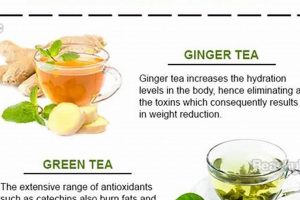
Infusions crafted from dehydrated botanicals, including flowers, leaves, roots, seeds, and barks, constitute a popular beverage category. These preparations, often consumed for their perceived health benefits or simply for enjoyment, offer a diverse range of flavors and aromas. Examples include chamomile preparations, peppermint infusions, and blends featuring rooibos or hibiscus.
The significance of these botanical beverages lies in their potential contribution to well-being and their long-standing presence in various cultures. They have been traditionally employed for relaxation, digestive support, and as a source of antioxidants. Furthermore, the practice of consuming these drinks reflects a connection to nature and a reliance on natural remedies throughout history.
The subsequent sections will delve into the selection, preparation, and storage of these infusions, exploring the various types available and outlining the potential advantages associated with their consumption. Considerations regarding safety and appropriate usage will also be addressed.
Guidance on Selection and Usage
The following points offer practical advice for those interested in incorporating botanical infusions into their routine.
Tip 1: Source from Reputable Suppliers: Prioritize establishments known for quality control and proper handling. This minimizes the risk of contamination and ensures the authenticity of the ingredients.
Tip 2: Inspect for Visual Quality: Examine the material for uniform color and the absence of mold or foreign objects. Discard any product that exhibits signs of degradation.
Tip 3: Consider Ingredient Transparency: Opt for products with clear labeling indicating the specific botanical components and their origins, when available.
Tip 4: Adhere to Recommended Steeping Times: Follow the guidelines provided by the manufacturer or reputable sources to achieve optimal flavor and potency. Over-steeping can result in bitterness, while under-steeping may yield a weak infusion.
Tip 5: Utilize Appropriate Water Temperature: Generally, water just below boiling is suitable for most infusions. However, delicate flowers may benefit from slightly cooler temperatures to preserve their volatile oils.
Tip 6: Store Properly in Airtight Containers: Protect the product from moisture, light, and air by storing it in a sealed container in a cool, dark place. This helps to maintain freshness and prevent degradation.
Tip 7: Be Mindful of Potential Interactions: Consult a healthcare professional before incorporating botanical infusions, especially if taking medications or managing pre-existing health conditions, to avoid potential interactions or adverse effects.
Tip 8: Start with Small Quantities: Introduce new infusions gradually to assess individual tolerance and identify any potential allergic reactions.
Following these guidelines promotes a safe and enjoyable experience. Responsible selection and preparation are paramount to maximizing the potential benefits.
The subsequent section will address specific varieties and their associated properties, further informing informed decision-making.
1. Source Plant Quality

The inherent characteristics of the original botanical material exert a profound influence on the quality, efficacy, and overall desirability of the resulting dried herbal infusion. The health, maturity, and genetic makeup of the plant, coupled with the environmental conditions in which it is cultivated, contribute significantly to the final product’s chemical composition and sensory attributes.
- Cultivation Practices
Agricultural methods, including the use of fertilizers, pesticides, and irrigation techniques, directly impact the accumulation of bioactive compounds within the plant. Organically grown herbs, for example, are often preferred due to the absence of synthetic chemicals, potentially leading to a purer and more beneficial infusion. Conversely, plants grown in nutrient-depleted soil may yield a final product with diminished therapeutic properties.
- Harvest Timing
The stage of growth at which a plant is harvested plays a critical role in determining its chemical profile. For instance, chamomile flowers harvested at peak bloom are known to contain higher concentrations of essential oils, resulting in a more fragrant and potent infusion. Premature or delayed harvesting can lead to a reduction in desired compounds and an increase in undesirable constituents.
- Geographic Origin and Terroir
The specific region where a plant is grown, encompassing factors such as soil composition, climate, and altitude, contributes to its unique chemical fingerprint. Certain regions are renowned for producing herbs with superior quality due to favorable environmental conditions. This concept, often referred to as “terroir,” is particularly relevant for botanicals with complex flavor profiles.
- Varietal Selection and Genetic Purity
Different cultivars of the same herb species can exhibit significant variations in their chemical composition and therapeutic properties. Selecting appropriate varietals with desired traits, and ensuring genetic purity through careful propagation practices, is crucial for consistent and high-quality infusions. Adulteration with inferior or unrelated species can compromise the integrity and efficacy of the final product.
The aforementioned factors highlight the intricate relationship between source plant quality and the characteristics of the resulting dried herbal infusion. A meticulous approach to cultivation, harvesting, and varietal selection is essential for producing a botanical beverage that meets consumer expectations for flavor, aroma, and potential health benefits. Compromises in any of these areas can negatively impact the overall quality and value of the final product.
2. Drying Method Impact

The process of dehydration, employed to transform fresh botanicals into a shelf-stable form suitable for infusion, critically influences the chemical composition, sensory attributes, and potential therapeutic properties of the resulting “dried herbal tea.” The specific drying method selected dictates the rate of moisture removal, temperature exposure, and airflow around the plant material, each of which can induce significant alterations in the herb’s volatile oil content, enzymatic activity, and overall structural integrity. Inadequate drying can lead to microbial growth, degradation of active compounds, and diminished flavor profiles, while excessively rapid or high-temperature drying can result in the loss of delicate aromas and the formation of undesirable byproducts. The choice of drying technique, therefore, directly impacts the quality and efficacy of the final infusion.
Examples of drying methods include air-drying, oven-drying, freeze-drying (lyophilization), and specialized techniques employing desiccant beads or controlled humidity chambers. Air-drying, traditionally performed in shaded, well-ventilated areas, offers a slow and gentle method suitable for preserving delicate herbs; however, it is susceptible to environmental contamination and requires careful monitoring to prevent mold growth. Oven-drying, while faster, necessitates precise temperature control to avoid scorching or volatilizing essential oils. Freeze-drying, an advanced technique that removes water via sublimation, is often regarded as the optimal method for preserving delicate flavors and bioactive compounds, but its high cost limits its widespread application. Industrial scale drying often utilizes conveyer belts moving botanicals through temperature and humidity controlled drying rooms.
In conclusion, the drying method represents a critical control point in the production of high-quality “dried herbal tea.” The selection of an appropriate technique, tailored to the specific botanical and its desired characteristics, is essential for preserving its inherent value. Overcoming challenges related to energy efficiency, scalability, and cost-effectiveness in drying technologies will further enhance the availability and affordability of premium-quality herbal infusions. Attention to drying method contributes to maintaining desirable characteristics and increasing the longevity of the end product.
3. Optimal Storage Conditions

The longevity, quality, and efficacy of dried herbal infusions are intrinsically linked to the environmental conditions under which they are stored. Degradation of these products, arising from factors such as oxidation, moisture absorption, and light exposure, can significantly diminish their flavor, aroma, and potential therapeutic benefits. Therefore, adherence to appropriate storage protocols is paramount to maintaining the integrity of these botanical preparations.
- Temperature Control
Elevated temperatures accelerate chemical reactions that degrade volatile oils and other sensitive compounds within the dried herbs. Storing herbal infusions in cool environments, ideally below 25C (77F), minimizes these reactions, preserving the product’s potency and flavor. Storage near sources of heat, such as ovens or direct sunlight, should be avoided. Refrigeration or freezing is generally not recommended unless specifically indicated, as condensation upon thawing can introduce moisture and promote mold growth.
- Humidity Management
Excessive humidity promotes the absorption of moisture by the dried herbs, creating an environment conducive to microbial growth and enzymatic degradation. Maintaining a low relative humidity, preferably below 60%, is crucial for preventing spoilage and preserving the product’s texture and flavor. Airtight containers, coupled with the use of desiccants in particularly humid environments, can effectively control moisture levels. Signs of moisture exposure include clumping, discoloration, and musty odors.
- Light Protection
Exposure to ultraviolet (UV) light can trigger photochemical reactions that degrade sensitive compounds, such as antioxidants and volatile oils, within the dried herbs. Storing herbal infusions in opaque or amber-colored containers shields them from UV radiation, preserving their integrity and extending their shelf life. Transparent containers should be stored in dark locations away from direct sunlight or artificial light sources.
- Air Exclusion
Oxygen promotes oxidation reactions that can degrade the flavor and aroma of dried herbs. Storing herbal infusions in airtight containers minimizes exposure to oxygen, slowing down oxidation and preserving the product’s freshness. Vacuum sealing, while not always practical for small-scale storage, provides an effective barrier against oxygen exposure for bulk quantities.
Effective storage practices directly impact the quality and therapeutic value of dried herbal infusions. By controlling temperature, humidity, light exposure, and air contact, consumers and manufacturers can ensure that these botanical preparations retain their desirable characteristics for an extended period. Proper storage not only preserves the product’s flavor and aroma but also safeguards its potential health benefits, maximizing its overall value.
4. Infusion Preparation Technique

The method employed to extract soluble compounds from dehydrated botanicals significantly influences the final beverage’s characteristics, thereby affecting perceived quality and potential benefits. Precise execution of these techniques optimizes the release of desirable flavors and bioactive constituents while minimizing the extraction of undesirable elements. Consequently, a thorough understanding of infusion preparation is crucial for maximizing the potential of “dried herbal tea.”
- Water Temperature
Water temperature profoundly impacts the extraction rate of various compounds. Overly hot water can degrade delicate volatile oils, leading to a bitter or astringent taste. Conversely, insufficiently heated water may result in incomplete extraction, yielding a weak and flavorless infusion. Specific temperature recommendations vary based on the botanical; delicate flowers generally require lower temperatures (around 170F), while tougher leaves and roots can withstand higher temperatures (around 212F). Utilizing a thermometer ensures accuracy and consistency in achieving optimal extraction.
- Steeping Time
The duration of steeping directly influences the concentration of extracted compounds. Short steeping times may fail to release the full spectrum of flavors and beneficial substances, while prolonged steeping can result in the extraction of tannins and other bitter compounds. Recommended steeping times typically range from 3 to 7 minutes, depending on the botanical and desired strength. Regular tasting during the steeping process allows for adjustments to achieve the preferred flavor profile.
- Water Quality
The mineral content and pH of the water significantly affect the taste and extraction efficiency of the infusion. Hard water, with high mineral content, can hinder the extraction of certain compounds and impart a chalky taste. Soft water, conversely, may lack the necessary minerals to fully develop the flavor. Filtered water, free from chlorine and other impurities, is generally recommended to ensure a clean and consistent taste. The pH of the water can also influence the extraction of specific compounds, with slightly acidic water often favoring the release of certain antioxidants.
- Material to Water Ratio
The proportion of dried botanical material to water directly affects the concentration of the resulting infusion. Insufficient material will produce a weak and dilute beverage, while excessive material can lead to an overly strong and bitter infusion. A general guideline is to use approximately 1-2 teaspoons of dried herbs per 8 ounces of water, but adjustments can be made based on personal preference and the potency of the specific botanical. Consistent measurements using a scale or measuring spoons ensure reproducibility in achieving the desired concentration.
These elements of technique converge to define the final quality of the beverage. Careful manipulation of water temperature, steeping time, water quality, and material ratio empowers individuals to tailor the infusion to their specific preferences and maximize the potential benefits derived from “dried herbal tea.” Disregarding these parameters may result in a suboptimal experience, failing to capture the full potential of the botanical ingredients.
5. Potential Health Benefits

The consumption of infusions derived from dehydrated botanicals is often associated with a range of potential health benefits, although definitive conclusions require rigorous scientific investigation. These purported advantages stem from the diverse array of bioactive compounds present in various herbs, including antioxidants, anti-inflammatory agents, and other phytochemicals. The extraction of these compounds into hot water creates a beverage that, in theory, could contribute to improved well-being. For example, chamomile infusions are commonly employed for their purported calming effects, attributed to compounds like apigenin, which may interact with brain receptors to promote relaxation. Peppermint infusions, on the other hand, are frequently used to alleviate digestive discomfort, potentially due to the muscle-relaxant properties of menthol. However, it is crucial to recognize that the concentration of these bioactive compounds in infusions can vary significantly depending on factors such as the quality of the raw materials, preparation methods, and individual plant characteristics, making it challenging to quantify their precise effects.
The practical significance of understanding the potential health benefits of these beverages lies in the ability to make informed dietary choices. Individuals seeking to incorporate natural remedies into their routines may find certain botanical infusions appealing, provided they possess realistic expectations and consult with healthcare professionals. For instance, an individual experiencing mild anxiety may choose to consume chamomile infusion regularly, while being cognizant of the fact that it is not a substitute for conventional medical treatment. Similarly, those seeking to increase their antioxidant intake might incorporate green infusions into their diets, complementing their consumption of fruits and vegetables. The inherent complexity of botanical constituents necessitates a cautious approach. Overconsumption of certain infusions could lead to adverse effects or interactions with medications. Furthermore, claims regarding the therapeutic efficacy of infusions should be carefully scrutinized, as anecdotal evidence and traditional uses do not always translate into scientifically validated benefits.
In summary, the connection between “dried herbal tea” and potential health benefits is complex and multifaceted. While anecdotal evidence and traditional uses suggest a variety of positive effects, rigorous scientific research is often lacking. A balanced perspective is crucial, acknowledging the potential benefits while also recognizing the limitations of current knowledge. Consumers should approach these beverages with informed awareness, consulting healthcare professionals and prioritizing high-quality products to ensure both safety and potential efficacy. Furthermore, as research advances, a clearer understanding of the specific compounds responsible for observed effects and their optimal concentrations will emerge, enabling more precise and targeted applications of these botanical infusions.
Frequently Asked Questions About Dried Herbal Tea
The following addresses prevalent inquiries regarding botanical infusions, aiming to clarify misconceptions and provide evidence-based information.
Question 1: Is “dried herbal tea” a true tea?
No. True teas are derived from the Camellia sinensis plant. Infusions crafted from dehydrated botanicals, lacking components from that plant, are more accurately termed herbal infusions or tisanes. Legally and scientifically, they differ.
Question 2: Can the consumption of “dried herbal tea” replace conventional medical treatments?
Under no circumstances should these infusions substitute professionally prescribed medical care. They may offer supplementary benefits, but are not intended to treat or cure diseases. Consult with a qualified healthcare provider for any health concerns.
Question 3: Do all “dried herbal tea” products provide the same health benefits?
No. The efficacy of botanical infusions varies depending on the specific herb, its quality, preparation method, and individual physiological factors. Standardized extracts typically offer more consistent and predictable results than loosely prepared infusions.
Question 4: How should “dried herbal tea” be stored to maximize its shelf life?
Optimal storage involves protecting the material from moisture, light, and air. Airtight containers, kept in a cool, dark, and dry environment, are recommended. Discard any product exhibiting signs of mold, discoloration, or off-odors.
Question 5: Are there potential side effects associated with consuming “dried herbal tea”?
Yes. Although generally considered safe for moderate consumption, certain herbs can interact with medications, exacerbate existing health conditions, or cause allergic reactions. Researching potential contraindications and consulting with a healthcare professional is advised.
Question 6: What is the ideal water temperature for brewing “dried herbal tea”?
Optimal water temperature depends on the specific herb. Delicate flowers benefit from lower temperatures (170-180F), while tougher roots and barks can withstand higher temperatures (200-212F). Overly hot water can degrade delicate volatile oils, resulting in a bitter taste.
In summation, prudent consumption and informed decision-making are paramount when incorporating botanical infusions into a wellness regimen. Evidence-based practices and professional guidance should guide the integration of these products.
The subsequent section will explore advanced topics related to this product category.
Conclusion
This examination of “dried herbal tea” has traversed aspects from sourcing and preparation to potential benefits and prudent usage. It has underscored the importance of informed selection, meticulous storage, and mindful brewing techniques. The varied nature of botanical sources necessitates recognition of their distinct properties, impacting both sensory characteristics and physiological effects. The value of rigorous quality control and transparent labeling remains paramount in ensuring consumer safety and product efficacy.
The landscape of botanical infusions continues to evolve, spurred by growing consumer interest and ongoing scientific inquiry. A commitment to evidence-based practices and responsible consumption will further illuminate the potential of these natural beverages. As knowledge expands, so too will the ability to harness the qualities of “dried herbal tea” in a safe and effective manner, contributing to individual well-being and fostering sustainable practices within the industry.