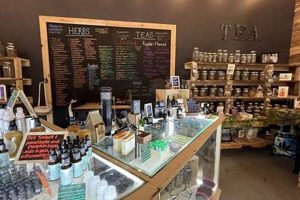
The utilization of botanicals and plant-derived substances to alleviate the symptoms associated with polycystic ovary syndrome (PCOS) represents a significant area of inquiry within complementary and alternative medicine. These natural remedies are often explored by individuals seeking to manage hormonal imbalances, menstrual irregularities, and metabolic disturbances linked to PCOS. The preparations can encompass a range of forms, from teas and tinctures to capsules and powders, derived from various plants and their extracts.
Historically, traditional medicine systems across the globe have employed plant-based therapies for women’s health concerns, including conditions resembling PCOS. Modern interest stems from a desire for potentially gentler, more holistic approaches to managing the multifaceted aspects of PCOS, aiming to improve quality of life by addressing hormonal equilibrium, enhancing fertility, and mitigating insulin resistance. This approach is often appealing due to perceived lower risks of side effects compared to conventional pharmaceutical interventions.
The subsequent discussion will delve into specific plant-derived options investigated for their potential therapeutic effects on PCOS, examining available scientific evidence, potential mechanisms of action, and important considerations regarding safety and efficacy. A thorough understanding of these factors is crucial for both healthcare practitioners and individuals considering the integration of such approaches into their PCOS management plan.
Guidance on Plant-Based Approaches for Polycystic Ovary Syndrome
This section offers informed guidance regarding the potential integration of botanical substances in the management of Polycystic Ovary Syndrome. The information presented is intended for educational purposes and does not constitute medical advice. Consultation with a qualified healthcare provider is essential prior to implementing any new treatment strategy.
Tip 1: Prioritize Professional Consultation: Engage in thorough discussions with both a medical doctor and a qualified herbalist or naturopathic physician. This dual approach ensures comprehensive assessment and the development of a tailored treatment plan, considering potential interactions with existing medications and individual health circumstances.
Tip 2: Source Reputable Products: Select herbal products from reputable manufacturers adhering to Good Manufacturing Practices (GMP). Third-party testing for purity and potency is desirable to ensure product quality and minimize the risk of contamination.
Tip 3: Research Specific Botanicals: Investigate the scientific evidence supporting the use of specific herbs for PCOS symptoms. Focus on studies published in peer-reviewed journals and evaluate the methodological rigor of the research. Understand that the evidence base may vary considerably for different botanicals.
Tip 4: Monitor for Adverse Effects: Closely observe for any adverse reactions or side effects following the initiation of herbal therapies. Discontinue use immediately and seek medical attention if any concerning symptoms arise. Common side effects can include gastrointestinal upset, allergic reactions, or interactions with prescription drugs.
Tip 5: Maintain a Comprehensive Health Log: Track menstrual cycles, symptoms, and any changes in physical or emotional well-being. This detailed record aids in assessing the effectiveness of herbal interventions and provides valuable information for healthcare providers.
Tip 6: Adopt a Holistic Lifestyle Approach: Recognize that botanical substances are most effective when integrated into a comprehensive PCOS management plan that includes dietary modifications, regular physical activity, and stress management techniques. Address underlying insulin resistance through appropriate lifestyle adjustments.
Tip 7: Be Patient and Realistic: Understand that botanical approaches often require a longer period to manifest noticeable effects compared to conventional medications. Realistic expectations are crucial for adherence and minimizing frustration. Continued monitoring and adjustments to the treatment plan may be necessary.
Implementing these guidelines promotes a more informed and cautious approach to exploring plant-based options, maximizing potential benefits while mitigating potential risks. A commitment to open communication with healthcare professionals remains paramount for safe and effective management of PCOS.
The subsequent discussion will summarize key findings related to this integrated approach and offer concluding remarks concerning the role of botanical substances in PCOS management.
1. Hormonal Balance

The central tenet of Polycystic Ovary Syndrome pathology lies in hormonal imbalance, particularly elevated androgen levels and disrupted estrogen/progesterone ratios. Consequently, the rationale behind employing plant-derived treatments often centers on their potential to modulate these hormonal irregularities. Specific botanicals are investigated for their ability to influence hormone production, metabolism, and receptor activity, with the overarching goal of restoring a more balanced hormonal milieu. For example, saw palmetto, often cited in the context of benign prostatic hyperplasia, is also explored for its anti-androgenic properties, potentially lowering testosterone levels in women with PCOS. Similarly, vitex agnus-castus (chasteberry) is hypothesized to influence prolactin secretion, indirectly impacting gonadotropin-releasing hormone (GnRH) and subsequently affecting the menstrual cycle, a key indicator of hormonal equilibrium.
The importance of hormonal balance as a component of plant-derived interventions is underscored by its direct impact on multiple PCOS-related symptoms. Elevated androgens contribute to hirsutism, acne, and male-pattern baldness. Irregular or absent menstruation is a consequence of disrupted ovulation resulting from hormonal dysregulation. Furthermore, hormonal imbalances contribute to insulin resistance and metabolic dysfunction, exacerbating the long-term health risks associated with PCOS, such as type 2 diabetes and cardiovascular disease. By targeting these hormonal disruptions, botanical remedies aim to alleviate symptoms and address the underlying pathophysiology of the syndrome. Real-life examples include individuals reporting reduced acne and improved menstrual regularity after incorporating specific herbs into their regimen, however, these anecdotal reports must be validated by rigorous scientific research.
In conclusion, achieving hormonal balance is a primary objective in the botanical management of PCOS. The practical significance lies in the potential for symptom relief, improved reproductive health, and a reduction in the long-term metabolic risks associated with the syndrome. However, challenges remain in standardizing herbal formulations, ensuring product quality, and conducting large-scale clinical trials to definitively establish the efficacy and safety of these interventions. Furthermore, the individualized nature of PCOS necessitates a tailored approach, highlighting the importance of professional guidance and careful monitoring when incorporating botanical substances into a treatment plan. A thorough understanding of the mechanisms of action, potential interactions, and individual responses is crucial for optimizing outcomes and minimizing potential risks.
2. Menstrual Regulation

Menstrual regulation is a critical aspect of managing polycystic ovary syndrome (PCOS), as irregular or absent periods are a common symptom. Plant-derived interventions are frequently explored for their potential to restore more predictable menstrual cycles, thereby addressing both the immediate discomfort and long-term health risks associated with prolonged amenorrhea or oligomenorrhea.
- Phytoestrogens and Estrogen Modulation
Certain botanicals contain phytoestrogens, compounds that mimic or modulate the effects of estrogen in the body. While not identical to human estrogen, they can bind to estrogen receptors and potentially influence the hypothalamic-pituitary-ovarian (HPO) axis. For example, soy-derived isoflavones have been investigated for their role in promoting endometrial proliferation and inducing menstruation in women with infrequent cycles. However, the efficacy and safety of phytoestrogens remain debated, with concerns about potential estrogen-dependent tumor growth requiring careful consideration.
- Progesterone-Supporting Herbs
A deficiency in progesterone is often implicated in irregular menstruation among women with PCOS. Some botanical substances are believed to support progesterone production or improve progesterone receptor sensitivity. Vitex agnus-castus (chasteberry), for instance, is traditionally used to stimulate luteinizing hormone (LH) release, which in turn can promote progesterone secretion by the corpus luteum after ovulation. While research is ongoing, anecdotal evidence suggests that chasteberry may help lengthen the luteal phase and improve menstrual regularity, though controlled trials are needed to confirm these effects.
- Insulin Sensitizers and Ovulation
Insulin resistance is a hallmark of PCOS and can significantly impact ovarian function, leading to anovulation and irregular periods. Botanicals with insulin-sensitizing properties, such as cinnamon and berberine, are sometimes used as adjunctive therapies. By improving insulin sensitivity, these substances may indirectly promote ovulation and, consequently, regular menstruation. Clinical trials have demonstrated that berberine can improve menstrual cyclicity in some women with PCOS, though further research is warranted to determine optimal dosages and long-term effects.
- Anti-Androgenic Effects and Menstrual Cycle
Elevated androgen levels can disrupt the normal hormonal cascade required for ovulation and menstruation. Plant-derived remedies with anti-androgenic effects, such as spearmint and saw palmetto, are explored for their potential to lower testosterone levels and restore a more balanced hormonal profile. While studies on spearmint tea have shown promising results in reducing hirsutism and improving hormonal markers, the impact on menstrual regularity remains less clear. Further research is necessary to fully elucidate the relationship between anti-androgenic herbs and menstrual cycle normalization.
The integration of botanical interventions for menstrual regulation in PCOS requires a nuanced understanding of the underlying hormonal imbalances and individual patient characteristics. While some plant-derived remedies show promise in promoting more predictable cycles, it is crucial to recognize that the evidence base is often limited, and outcomes can vary significantly. A comprehensive approach, incorporating lifestyle modifications, conventional medical treatments, and close monitoring by healthcare professionals, remains essential for effective PCOS management.
3. Insulin Sensitivity
Insulin resistance, a condition wherein cells become less responsive to insulin’s signaling, is a prevalent metabolic disturbance among individuals with polycystic ovary syndrome. This resistance prompts the pancreas to secrete higher insulin levels to maintain blood glucose control, a state known as hyperinsulinemia. Chronically elevated insulin levels contribute to several PCOS-related symptoms, including increased androgen production by the ovaries, which exacerbates hormonal imbalances and impedes ovulation. Addressing insulin sensitivity, therefore, becomes a critical therapeutic target in managing the syndrome.
Botanical substances are explored for their potential role in improving insulin sensitivity in women with PCOS. For instance, berberine, an alkaloid compound found in various plants, has demonstrated, in clinical trials, the ability to activate AMP-activated protein kinase (AMPK), an enzyme involved in cellular energy regulation. AMPK activation can enhance glucose uptake by cells, thereby reducing insulin resistance. Similarly, cinnamon, a common spice, has been investigated for its insulin-sensitizing properties, potentially improving glucose metabolism and reducing postprandial blood glucose spikes. Chromium, a trace mineral often included in herbal formulations, is theorized to enhance insulin signaling, although evidence for its efficacy in PCOS remains limited and inconsistent. Fenugreek seeds are another example, demonstrating in some studies a positive impact on glucose homeostasis and insulin sensitivity, likely due to their high fiber content and unique bioactive compounds.
The practical significance of improving insulin sensitivity through plant-derived interventions lies in its potential to mitigate several downstream consequences of PCOS. Enhanced insulin action can lead to reduced androgen production, contributing to improved menstrual regularity, decreased hirsutism, and potentially enhanced fertility. Furthermore, improved glucose metabolism can lower the risk of developing type 2 diabetes, a significant long-term health concern for women with PCOS. While botanical approaches to enhancing insulin sensitivity show promise, it is crucial to acknowledge that they are often used as adjuncts to lifestyle modifications, including dietary changes and exercise. A comprehensive management plan, guided by healthcare professionals, is essential for achieving optimal outcomes. The standardization of herbal products, ensuring consistent dosages and bioavailability, and further robust clinical trials remain key challenges in fully validating the efficacy and safety of these botanical interventions.
4. Anti-Inflammatory Effects

Chronic low-grade inflammation is increasingly recognized as a contributing factor in the pathogenesis and symptom manifestation of polycystic ovary syndrome. Plant-derived remedies with anti-inflammatory properties are being explored as potential adjunctive therapies to address this aspect of the syndrome.
- Role of Chronic Inflammation in PCOS
Low-grade inflammation is associated with insulin resistance, hormonal imbalances, and ovarian dysfunction in PCOS. Inflammatory cytokines can interfere with insulin signaling, promote androgen production, and disrupt normal follicular development. Addressing this inflammatory state may help improve metabolic and reproductive outcomes. For example, elevated levels of C-reactive protein (CRP) and interleukin-6 (IL-6) are frequently observed in women with PCOS, indicating systemic inflammation.
- Botanicals with Anti-Inflammatory Properties
Several plant species contain compounds with known anti-inflammatory effects. Turmeric, containing the active ingredient curcumin, has demonstrated potent anti-inflammatory properties through the inhibition of inflammatory pathways. Ginger, rich in gingerol, also exhibits anti-inflammatory activity. Similarly, resveratrol, found in grapes and red wine, possesses anti-inflammatory and antioxidant properties. These botanicals may help mitigate the inflammatory processes contributing to PCOS symptoms.
- Mechanisms of Action
The anti-inflammatory effects of plant-derived substances are often mediated through various mechanisms. Curcumin, for instance, can inhibit the activity of nuclear factor-kappa B (NF-B), a key transcription factor involved in the regulation of inflammatory gene expression. Gingerol can suppress the production of pro-inflammatory cytokines, such as TNF-alpha and IL-1beta. Resveratrol can activate sirtuin 1 (SIRT1), a protein deacetylase that promotes cellular health and reduces inflammation. By targeting these pathways, botanicals may help reduce inflammation in women with PCOS.
- Clinical Evidence and Considerations
While preclinical studies and some clinical trials suggest that botanical interventions can reduce inflammation in PCOS, further robust research is needed to confirm these effects and determine optimal dosages and long-term safety. It is important to note that the bioavailability of some anti-inflammatory compounds, such as curcumin, can be limited. Combining curcumin with piperine (found in black pepper) can enhance its absorption. Additionally, the quality and standardization of herbal products are crucial to ensure consistent efficacy. Consultation with a healthcare professional is essential before using botanical remedies, particularly if you have existing medical conditions or are taking medications.
The potential for botanical interventions to address chronic low-grade inflammation in PCOS represents a promising area of investigation. However, a comprehensive understanding of the underlying mechanisms, rigorous clinical evaluation, and careful consideration of product quality and individual patient factors are essential for safe and effective integration of these therapies. A combined approach that incorporates lifestyle modifications and conventional medical treatments remains the cornerstone of PCOS management.
5. Ovarian Function

Ovarian function is intrinsically linked to the pathophysiology of polycystic ovary syndrome (PCOS) and is a primary target when exploring botanical interventions. The syndrome is characterized by abnormal follicular development, often resulting in anovulation or oligo-ovulation, and consequently, irregular menstrual cycles and impaired fertility. Botanical substances are being investigated for their potential to influence various aspects of ovarian function, including follicular maturation, ovulation induction, and the reduction of ovarian cyst formation. Impaired ovarian function significantly contributes to the hormonal imbalances characteristic of PCOS. Therefore, any strategy aimed at mitigating PCOS must address this core component of the disorder. For example, some herbs are traditionally used to promote ovulation by indirectly influencing gonadotropin release, while others are believed to improve the quality of oocytes, although scientific evidence supporting these claims remains variable.
The impact of plant-derived treatments on ovarian function can be assessed through various clinical markers, such as follicle-stimulating hormone (FSH) and luteinizing hormone (LH) levels, antral follicle count (AFC), and ovulation rates. The practical application of this understanding involves carefully selecting botanical substances with mechanisms of action that target specific ovarian dysfunctions. For instance, inositol, though technically not an herb, is a naturally occurring compound often included in botanical formulations and has shown promise in improving oocyte quality and increasing ovulation frequency in some women with PCOS. Similarly, licorice root is explored for its potential to lower androgen levels, which can indirectly improve ovarian function by reducing the inhibitory effects of androgens on follicular development. Success stories include some women who have achieved regular menstrual cycles and even pregnancy after incorporating specific herbs or botanical supplements into their PCOS management plan, typically under the guidance of a healthcare professional.
The utilization of botanical substances to modulate ovarian function in PCOS presents both opportunities and challenges. While some plant-derived remedies show promise in improving ovarian function, further rigorous clinical trials are needed to confirm their efficacy and safety. Standardization of herbal products and individualized treatment approaches are crucial for optimizing outcomes. Furthermore, it is important to recognize that botanical interventions are often most effective when integrated into a comprehensive PCOS management plan that includes lifestyle modifications, such as diet and exercise, and conventional medical treatments, when necessary. The ultimate goal is to support healthy ovarian function and improve the reproductive and metabolic health of women with PCOS.
6. Fertility Support

The pursuit of fertility support constitutes a significant aspect of polycystic ovary syndrome (PCOS) management, given that many individuals with PCOS experience difficulties conceiving. Botanical substances are often considered as complementary or alternative approaches to conventional fertility treatments, with the aim of improving ovulation rates, enhancing oocyte quality, and optimizing the hormonal environment conducive to conception.
- Ovulation Induction and Regulation
A major challenge for individuals with PCOS is irregular or absent ovulation. Certain herbal remedies are explored for their potential to stimulate or regulate ovulation. For instance, Vitex agnus-castus (chasteberry) is traditionally used to support a more regular menstrual cycle, which may increase the chances of ovulation. Similarly, cinnamon has shown potential for improving insulin sensitivity, which indirectly contributes to ovulation by addressing underlying hormonal imbalances. Actual results can vary among users depending on unique circumstances.
- Hormonal Balance for Conception
Maintaining appropriate hormonal balance is essential for successful conception. Elevated androgen levels, common in PCOS, can inhibit ovulation and impair implantation. Some botanical substances are investigated for their ability to lower androgen levels, such as spearmint tea, potentially creating a more favorable hormonal environment for conception. A balanced hormonal profile also involves adequate progesterone levels to support the luteal phase and early pregnancy.
- Improving Oocyte Quality
The quality of oocytes (eggs) plays a crucial role in fertilization and embryo development. While direct evidence is limited, some botanical substances with antioxidant properties may contribute to improving oocyte quality by reducing oxidative stress. For instance, Coenzyme Q10 (CoQ10), although not strictly an herb, is often included in fertility supplements and has shown potential in improving oocyte quality in some studies. More research is needed to establish the impact of herbal interventions on oocyte quality specifically in PCOS.
- Endometrial Receptivity and Implantation
For a successful pregnancy, the endometrium (uterine lining) must be receptive to embryo implantation. Some botanical substances may indirectly influence endometrial receptivity by improving blood flow or reducing inflammation. Furthermore, maintaining a healthy weight and managing insulin resistance are crucial for optimal endometrial function. A holistic approach that combines lifestyle modifications with botanical remedies is often recommended.
The connection between fertility support and herbal medication for PCOS is complex and multifaceted. While some botanical remedies show promise in improving fertility outcomes, it is essential to approach these interventions with caution and under the guidance of healthcare professionals. The standardization of herbal products, the individual response to treatment, and the need for further robust clinical trials are important considerations. A comprehensive fertility plan that integrates lifestyle modifications, conventional treatments, and evidence-based botanical approaches may offer the best chance of conception for individuals with PCOS.
7. Symptom Management

Symptom management constitutes a primary objective in the therapeutic approach to polycystic ovary syndrome, with herbal medications frequently explored as a means to alleviate various manifestations of the disorder. The connection between symptom management and the utilization of plant-derived remedies is predicated on the ability of specific botanical compounds to address hormonal imbalances, metabolic disturbances, and inflammatory processes that underlie many of the outward expressions of PCOS. The alleviation of symptoms such as hirsutism, acne, menstrual irregularities, and weight management difficulties is central to improving the quality of life for individuals affected by this syndrome. Plant-derived options are often sought to modulate hormone levels, regulate menstrual cycles, and support metabolic health, thereby mitigating the severity and frequency of these symptoms. For example, spearmint tea is investigated for its anti-androgenic effects, which can potentially reduce hirsutism and acne, while cinnamon is explored for its ability to improve insulin sensitivity, aiding in weight management and the regulation of blood glucose levels.
The importance of symptom management within the context of herbal interventions for PCOS lies in its potential to provide tangible relief while addressing underlying physiological imbalances. A practical application involves carefully selecting plant-derived remedies based on their established pharmacological properties and their ability to target specific symptoms. For instance, individuals experiencing menstrual irregularities may consider vitex agnus-castus (chasteberry), known for its potential to regulate the menstrual cycle, while those struggling with insulin resistance might explore berberine, a compound with demonstrated insulin-sensitizing effects. Real-life examples include individuals reporting a reduction in acne breakouts and improved menstrual regularity following the consistent use of targeted herbal medications, often in conjunction with lifestyle modifications. However, it is crucial to recognize that individual responses to herbal interventions can vary significantly, and rigorous scientific evidence supporting the efficacy of many of these remedies remains limited.
In conclusion, symptom management represents a key focus in the utilization of herbal medications for PCOS, offering potential relief from a range of distressing manifestations. While the evidence supporting the efficacy of specific herbal remedies for PCOS symptoms is evolving, the integration of targeted plant-derived options, guided by healthcare professionals and supported by scientific research, may contribute to improved quality of life and overall well-being. Challenges remain in standardizing herbal formulations, ensuring product quality, and conducting large-scale clinical trials to definitively establish the efficacy and safety of these interventions. A holistic approach that combines herbal medications with lifestyle modifications and, when necessary, conventional medical treatments offers the most comprehensive strategy for managing PCOS and its associated symptoms.
Frequently Asked Questions
This section addresses prevalent inquiries concerning the utilization of plant-derived substances in the management of Polycystic Ovary Syndrome (PCOS). The information provided is intended to offer clarity and informed perspectives on this complex topic.
Question 1: Are herbal medications a substitute for conventional medical treatments for PCOS?
Herbal medications are generally not considered a direct substitute for conventional medical treatments for PCOS. While some botanical substances may offer symptomatic relief or address specific aspects of the syndrome, they often lack the robust scientific evidence and regulatory oversight of pharmaceutical interventions. A comprehensive management plan typically involves a combination of lifestyle modifications, conventional medications, and, in some cases, carefully selected herbal remedies, all under the guidance of qualified healthcare professionals.
Question 2: What are the potential risks associated with using herbal medications for PCOS?
The use of herbal medications carries potential risks, including allergic reactions, interactions with prescription drugs, and variability in product quality and potency. Some herbal substances may have hormonal effects or interact with metabolic pathways, leading to unintended consequences. It is crucial to source herbal products from reputable manufacturers, disclose all herbal supplement usage to healthcare providers, and monitor for any adverse effects.
Question 3: How can one determine the quality and safety of herbal products used for PCOS?
Assessing the quality and safety of herbal products requires careful consideration. Look for products manufactured under Good Manufacturing Practices (GMP) and subjected to third-party testing for purity and potency. Research the manufacturer’s reputation and look for certifications from independent organizations. Be wary of products with vague ingredient lists or unsubstantiated claims. Consultation with a qualified herbalist or naturopathic physician can provide additional guidance.
Question 4: How long does it typically take to see results from herbal medications for PCOS?
The timeframe for observing noticeable effects from herbal medications can vary significantly depending on the individual, the specific herbal remedies used, and the targeted symptoms. Some individuals may experience improvements within a few weeks, while others may require several months of consistent use. It is important to have realistic expectations, maintain open communication with healthcare providers, and track symptoms to assess the effectiveness of the treatment plan.
Question 5: Are there specific herbal medications that are generally considered safe and effective for PCOS?
While some herbal medications have shown promise in managing specific aspects of PCOS, it is important to note that the evidence base varies considerably. Some commonly explored herbal remedies include spearmint (for its anti-androgenic effects), cinnamon (for insulin sensitivity), and vitex agnus-castus (for menstrual regulation). However, the safety and efficacy of these substances are not universally established, and individual responses can differ. A personalized approach, guided by healthcare professionals, is essential.
Question 6: Where can reliable information about herbal medications for PCOS be found?
Reliable information about herbal medications for PCOS can be obtained from reputable sources, such as peer-reviewed scientific journals, evidence-based databases, and qualified healthcare professionals. Consult with physicians, herbalists, naturopathic doctors, and registered dietitians with expertise in PCOS. Be cautious of information from unregulated websites or anecdotal accounts.
The exploration of botanical substances in PCOS management requires a judicious and evidence-informed approach. While herbal medications may offer potential benefits, it is crucial to prioritize safety, quality, and individualized treatment plans under the guidance of qualified healthcare providers.
The subsequent section will synthesize key findings and offer concluding remarks on the overall role of plant-derived substances in PCOS management.
Conclusion
The preceding exploration of herbal medication for PCOS reveals a complex landscape of potential benefits and inherent limitations. Botanical interventions offer a diverse array of mechanisms targeting hormonal imbalances, insulin resistance, inflammation, and ovarian dysfunctionall core components of PCOS pathophysiology. While select herbal remedies show promise in alleviating symptoms and improving metabolic and reproductive outcomes, rigorous scientific validation remains essential. The variable quality of herbal products, the potential for adverse effects and drug interactions, and the individualized nature of PCOS underscore the need for caution and professional guidance.
The integration of herbal medication for PCOS warrants a discerning approach, emphasizing evidence-based decision-making and collaborative care. Further research is crucial to elucidate the efficacy and safety of specific botanicals, standardize product formulations, and establish clear clinical guidelines. Individuals considering herbal remedies should engage in thorough discussions with healthcare providers, prioritizing patient safety and informed choices within a comprehensive PCOS management strategy. A future outlook anticipates refined understanding and integration of plant-derived therapies, supporting improved health outcomes for those affected by PCOS.