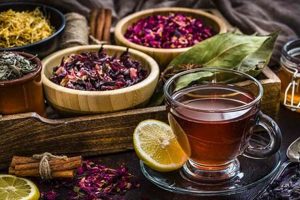
Aromatic plant mixtures designed for inhalation offer an alternative to traditional tobacco products. These typically incorporate a variety of dried herbs, flowers, and other botanicals, carefully chosen for their flavor profiles and potential effects. Examples range from blends intended to promote relaxation to those crafted for ritualistic or ceremonial purposes.
Historically, the practice of burning and inhaling plant matter has been prevalent across various cultures for spiritual, medicinal, and recreational uses. Contemporary interest stems from a desire to reduce reliance on nicotine, explore diverse sensory experiences, and embrace plant-based well-being practices. The benefits may include a calming effect, enhanced focus, or a connection to ancestral traditions.
The subsequent sections will delve into the composition of these mixtures, explore safety considerations, and examine the legal landscape surrounding their use. Further discussion will address the potential therapeutic applications and provide guidance on selecting and preparing your own custom formulations.
Considerations for Aromatic Herbal Inhalation
The following guidelines aim to provide useful information regarding the responsible and informed use of aromatic herbal inhalation practices.
Tip 1: Research Individual Herbs: Thoroughly investigate the properties of each herb before inclusion. Different herbs possess unique chemical compositions and potential effects. Ingestion through inhalation may trigger varying responses.
Tip 2: Prioritize Organic Sources: Opt for organically cultivated herbs whenever possible to minimize exposure to pesticides and other potentially harmful chemicals.
Tip 3: Maintain Proper Ventilation: Ensure adequate airflow during inhalation to prevent the buildup of smoke and ensure sufficient oxygen levels.
Tip 4: Begin with Small Quantities: Introduce new herbal combinations gradually, starting with minimal amounts to assess individual tolerance and identify potential adverse reactions.
Tip 5: Avoid Overheating: Employ indirect heating methods, such as vaporizers, or utilize gentle flame sources to prevent combustion and minimize the production of harmful byproducts.
Tip 6: Be Mindful of Allergies: Individuals with known plant allergies should exercise caution and avoid herbs from related botanical families. Consult an allergist if necessary.
Tip 7: Consult with Healthcare Professionals: Individuals with pre-existing respiratory conditions, pregnant or breastfeeding women, and those taking medications should seek guidance from qualified healthcare practitioners prior to engaging in aromatic herbal inhalation.
Following these guidelines can help promote a safe and more informed experience. Individual responses may vary, and ongoing monitoring is crucial.
The subsequent sections will address specific herbal profiles and detailed preparation methods.
1. Botanical Composition

The precise mix of botanicals in preparations designed for inhalation fundamentally determines the experience and potential effects. The selection process requires an understanding of each plant’s chemical constituents and their interactions when combined and combusted.
- Terpene Profiles
Terpenes are aromatic compounds present in many plants, contributing significantly to the scent and purported effects of these mixtures. Different terpenes, such as linalool (found in lavender) or pinene (found in pine), can evoke varying responses, ranging from relaxation to enhanced focus. The botanical makeup dictates the overall terpene profile, thus influencing the blend’s intended effect. For example, a blend high in linalool may be chosen for its calming properties.
- Cannabinoid Content (If Applicable)
Certain plants, notably hemp, contain cannabinoids. While not all such preparations contain these compounds, their presence introduces a significant factor influencing the effects. Cannabidiol (CBD), for example, interacts with the endocannabinoid system, potentially providing anti-inflammatory or anxiolytic benefits. The inclusion and concentration of cannabinoids are directly controlled by the chosen botanical makeup.
- Alkaloid Presence
Alkaloids are nitrogen-containing organic compounds found in various plants. Some alkaloids can have potent physiological effects. While less common in recreational blends, their presence, even in small amounts, can significantly alter the experience. It’s essential to be aware of any alkaloid-containing plants used and understand their potential effects before combining them. An example would be small amount of Lobelia.
- Combustion Byproducts
The chemical composition of plants also determines the byproducts released during combustion. Some botanicals, when burned, produce irritants or harmful compounds. The selection of plants should consider these potential combustion byproducts to minimize health risks. Selecting plants that combust cleanly is important to consider.
The interplay between these facets of botanical composition ultimately shapes the nature of these mixtures. Careful consideration of the terpene profile, cannabinoid content (if applicable), presence of alkaloids, and potential combustion byproducts is paramount when selecting and combining herbs for inhalation.
2. Aromatic Profiles

Aromatic profiles constitute a fundamental component of preparations for inhalation, directly influencing the user’s sensory experience and perception of the blend’s effects. The specific blend of volatile organic compounds (VOCs) released during combustion or vaporization dictates the aroma, which, in turn, affects mood, relaxation, or even perceived medicinal benefits. Consider, for example, a blend incorporating lavender and chamomile. These botanicals are known to contain compounds such as linalool and bisabolol, respectively, which contribute to a calming and floral scent, potentially inducing a state of relaxation. Conversely, a blend featuring rosemary and peppermint releases compounds like cineole and menthol, resulting in a more invigorating and stimulating aroma.
The selection of botanicals based on their aromatic profiles is not merely an aesthetic consideration; it represents a practical approach to crafting blends with specific intended effects. The olfactory system possesses direct connections to the limbic system, the brain region responsible for emotions and memories. Consequently, certain aromas can trigger distinct physiological and psychological responses. For instance, the scent of sandalwood, often associated with spiritual practices, may promote a sense of grounding and mindfulness. The complexity of aromatic profiles also extends to the nuances of layering different scents to create a balanced and multifaceted experience, influencing the overall perception of quality and efficacy.
In summary, the aromatic profile serves as a crucial element determining the character and potential benefits of preparations for inhalation. Understanding the relationship between botanical composition and the resulting aroma allows for the creation of targeted blends designed to evoke specific sensory and emotional responses. The careful selection and combination of herbs, guided by their aromatic properties, is vital to realizing the desired effects. Challenges remain in accurately predicting the interaction of VOCs in complex blends and consistently reproducing desired aromatic profiles, but ongoing research promises to refine this aspect of preparation for inhalation.
3. Combustion Properties

The combustion properties of botanicals within smoke mixtures exert a profound influence on the user experience and potential health impacts. The manner in which various herbs ignite, burn, and release volatile compounds is a critical factor in determining the overall quality and safety of the blend.
- Ignition Temperature and Burn Rate
Each herb possesses a distinct ignition temperature, the point at which it begins to combust, and burn rate, the speed at which it burns. A blend comprised of herbs with significantly differing ignition temperatures and burn rates may result in uneven combustion, producing an inconsistent smoking experience. For example, a rapidly burning herb mixed with a slow-burning herb may cause the mixture to be quickly consumed, failing to release all the aromatic compounds effectively. A balanced blend aims for a harmonious burn profile.
- Smoke Density and Composition
The density and composition of the smoke generated during combustion vary considerably among different botanicals. Certain herbs produce a thick, dense smoke, while others generate a lighter, more ethereal smoke. The chemical makeup of the smoke is equally variable, encompassing a range of volatile organic compounds, particulate matter, and potentially harmful byproducts. Understanding these smoke characteristics is essential for mitigating respiratory irritation and optimizing the sensory experience. Certain plants may produce unwanted chemicals during combustion.
- Ash Content and Residue
The amount of ash and residue remaining after combustion is another relevant combustion property. Excessive ash can indicate incomplete combustion or the presence of non-combustible materials. The nature of the residue can also provide insights into the quality and purity of the herbs used in the blend. A clean and minimal ash residue typically signifies a higher quality blend, indicating complete and efficient combustion.
- Release of Volatile Compounds
Combustion liberates a variety of volatile compounds, including terpenes, alkaloids, and other aromatic substances. The specific profile of released compounds depends on the chemical composition of the herbs and the temperature at which they are burned. Maintaining a controlled and consistent combustion process ensures the optimal release of desired compounds while minimizing the formation of undesirable or harmful byproducts. For example, a low and slow burn may be desired to extract more of the botanical’s compounds.
These facets of combustion properties critically affect the performance and safety of smoke mixtures. Awareness of these parameters enables informed selection of botanicals and refinement of combustion techniques, contributing to an enhanced and more responsible practice. Careful consideration of these factors ensures the integrity and quality of the final product.
4. Traditional Usage

The historical context profoundly shapes the composition and application of smoke preparations. Across diverse cultures, the practice of inhaling the smoke of various plants has served a multitude of purposes, from spiritual ceremonies and medicinal treatments to social rituals and recreational activities. Understanding these traditions provides critical insight into the selection of specific botanicals and their intended effects. Cause and effect are intertwined within these historical practices; the observed therapeutic or psychoactive properties of particular plants often dictated their inclusion in traditional preparations. For instance, the use of sage in Native American smudging ceremonies stems from its perceived ability to purify spaces and promote spiritual well-being. Similarly, the incorporation of specific herbs into traditional Chinese medicine preparations reflects a nuanced understanding of their energetic properties and potential to balance the body’s vital forces.
The significance of traditional usage as a component lies in its role as a guide, suggesting potential applications and providing a framework for understanding the nuanced effects of various botanicals. Real-life examples abound: the frankincense and myrrh used in ancient Egyptian religious rituals, the tobacco employed in Native American peace pipe ceremonies, and the use of cannabis in ancient Indian Ayurvedic medicine all demonstrate the profound influence of tradition on the development and application of smoke preparations. Furthermore, traditional usage informs the practical preparation techniques. Methods for drying, curing, and blending herbs are often passed down through generations, reflecting a deep understanding of how to optimize the desired effects and minimize potential harm.
In conclusion, recognizing the historical and cultural context is essential for responsible and informed exploration. The time-honored applications offer a rich tapestry of knowledge, informing the selection of botanicals, preparation methods, and intended effects. This understanding allows for a deeper appreciation of the practice and a more responsible approach to its contemporary applications, recognizing that these preparations are more than just a blend of herbs; they are a link to ancestral wisdom and cultural heritage. Challenges exist in interpreting and adapting these traditions for modern use, requiring a balance between respecting historical practices and applying scientific scrutiny to ensure safety and efficacy.
5. Potential Effects

The potential effects of aromatic herbal preparations are intrinsically linked to their botanical composition and the manner in which they are processed. Understanding the intended and unintended consequences of inhaling these preparations is paramount to responsible use. The range of potential effects spans from relaxation and mood alteration to perceived medicinal benefits and spiritual experiences. Each component within a blend contributes uniquely, and the combined effect is often synergistic, where the whole is greater than the sum of its parts. The selection of specific herbs for a given blend should therefore be driven by a clear understanding of their documented or traditionally observed effects and consideration of how these effects might interact.
Consider, for instance, blends designed to promote relaxation. These often incorporate botanicals such as lavender, chamomile, or skullcap, which contain compounds known to exert calming effects on the nervous system. Inhalation of these preparations might lead to a reduction in anxiety, muscle tension, and an overall sense of well-being. Conversely, blends intended to stimulate alertness might include herbs such as rosemary, peppermint, or yerba mate, which contain compounds known to enhance cognitive function and boost energy levels. Beyond these common applications, some preparations are crafted for more specialized purposes, such as facilitating meditation, alleviating specific ailments, or inducing altered states of consciousness, often rooted in traditional practices.
Ultimately, understanding the potential effects is not merely an academic exercise; it is a practical necessity for safe and responsible engagement. It necessitates thorough research, careful selection of botanicals, and awareness of individual sensitivities and potential contraindications. Challenges remain in accurately predicting the effects of complex blends and accounting for the variability in individual responses. However, a grounded understanding of the intended and potential effects allows practitioners to make informed decisions and navigate the complex landscape of herbal inhalation with greater awareness and responsibility. Failure to consider the range of effects can result in unintended and potentially harmful outcomes.
6. Preparation Methods

The means by which botanicals are processed and combined directly dictate the quality, efficacy, and safety of smoke mixtures. Preparation encompasses a range of techniques, from selecting appropriate plant parts to curing, drying, and blending them in specific ratios. Improper methods can degrade the active compounds, introduce contaminants, or result in uneven combustion, thereby diminishing the intended effects and potentially posing health risks. For instance, failing to properly dry herbs before blending can lead to mold growth, rendering the mixture unusable or even dangerous. Similarly, using excessive heat during drying can destroy volatile oils, reducing the aroma and therapeutic properties. The selection of appropriate preparation methods is therefore not merely a procedural step; it is a fundamental aspect of crafting effective and safe aromatic preparations. The cause is proper preparation; the effect is a high-quality, safe, and effective blend.
Practical application of appropriate methods is vital. Consider the difference between air-drying herbs in a dark, well-ventilated space versus oven-drying them at high heat. The former preserves the plant’s natural aroma and active compounds, while the latter can result in a scorched and ineffective product. Similarly, the method of grinding herbs impacts their combustion properties. A coarse grind promotes airflow and even burning, whereas a fine grind can lead to clumping and incomplete combustion. Blending techniques also matter. Layering herbs strategically can influence the burn profile and release of aromatic compounds, creating a more complex and nuanced experience. Knowledge of herbal properties dictates the best approach. Blends with delicate flowers require gentle handling, whereas robust roots may withstand more vigorous processing.
In summary, preparation is a critical component. Optimal drying, grinding, and blending are essential to unlock the full potential and ensure the safety of the blend. Challenges remain in standardizing methods across different botanical species and adapting techniques to diverse environmental conditions. Continuous refinement of preparation, guided by both traditional knowledge and scientific understanding, remains crucial. This refined understanding links directly to the broader goal of responsible and informed use, contributing to the creation of high-quality aromatic blends for therapeutic, ceremonial, or recreational use.
7. Safety Protocols

The responsible use of herbal smoking mixtures hinges on adherence to comprehensive safety protocols. These protocols encompass all aspects, from botanical sourcing and preparation to combustion methods and potential health considerations, aiming to mitigate risks and promote a safe and informed experience.
- Sourcing and Identification
Ensuring the accurate identification of plant species is paramount. Accidental substitution of toxic plants can lead to severe health consequences. Reliance on reputable suppliers who conduct thorough quality control measures is essential. Independent verification of botanical identity through microscopy or chemical analysis can further minimize risks. For example, confusing mugwort with wormwood, which contains thujone, could lead to adverse neurological effects.
- Combustion and Inhalation Techniques
The method of combustion significantly impacts the release of harmful compounds. Direct combustion, involving open flames, produces higher levels of particulate matter and carcinogenic substances compared to vaporization, which heats the herbs below their combustion point. Proper ventilation is crucial, regardless of the method, to minimize exposure to smoke and ensure adequate oxygen levels. For example, using a vaporizer at a controlled temperature minimizes harmful byproducts.
- Allergic Reactions and Sensitivities
Individuals may exhibit allergic reactions or sensitivities to specific herbs. Starting with small quantities and closely monitoring for adverse reactions is critical. Consulting an allergist prior to use is advisable for individuals with known plant allergies. Symptoms may range from mild skin irritation to severe respiratory distress. For example, some individuals may be allergic to chamomile, experiencing skin rashes or breathing difficulties.
- Pre-existing Conditions and Medication Interactions
Individuals with pre-existing respiratory conditions, cardiovascular issues, or mental health disorders should exercise extreme caution. Certain herbs may exacerbate these conditions or interact negatively with medications. Consulting a qualified healthcare professional prior to use is essential to assess potential risks. For example, certain herbs may interact negatively with blood thinners or antidepressants.
Adherence to these safety protocols constitutes an integral component of responsible engagement with herbal smoking mixtures. Consistent application of these principles minimizes risks, promotes informed decision-making, and ensures a more conscientious approach to their use. The overarching objective remains to prioritize safety and well-being while exploring the potential benefits and sensory experiences. Challenges exist in disseminating accurate information and promoting responsible practices, requiring ongoing education and awareness campaigns. The ultimate goal is an industry-wide standard of rigorous safety protocols.
Frequently Asked Questions
This section addresses common inquiries regarding herbal smoke mixtures, providing clear and concise information to promote informed decision-making.
Question 1: Are herbal smoke blends a safe alternative to tobacco?
The assertion that these mixtures are inherently “safe” requires careful scrutiny. While they typically lack nicotine, the primary addictive component of tobacco, combustion of any plant matter generates particulate matter and potentially harmful byproducts. The specific health risks are contingent on the blend’s composition and the frequency of use. Consultation with a healthcare professional is recommended before substituting these mixtures for tobacco, especially for individuals with pre-existing respiratory conditions.
Question 2: Do herbal smoke blends have psychoactive effects?
The psychoactive potential varies considerably depending on the constituent herbs. Some blends are formulated with plants known for their relaxing or mood-altering properties, while others are designed solely for their aromatic qualities and do not induce noticeable psychoactive effects. Careful examination of the ingredients is essential to understand the potential for psychoactive impact.
Question 3: Are herbal smoke blends legal?
The legal status differs significantly depending on the jurisdiction and the specific herbs included in the blend. Certain botanicals may be subject to legal restrictions or outright prohibition. It is incumbent upon the user to ascertain the legality of specific blends within their respective region.
Question 4: Can herbal smoke blends be used for medicinal purposes?
While some herbs have a history of traditional medicinal use, the inhalation of smoke is not a universally recognized or recommended method of drug delivery. The efficacy and safety of using these mixtures for medicinal purposes remain largely unproven through rigorous scientific studies. Consultation with a qualified healthcare practitioner is advisable before utilizing such blends for any therapeutic application.
Question 5: How should herbal smoke blends be stored?
Proper storage is crucial to maintain the quality and prevent degradation of these mixtures. They should be stored in airtight containers in a cool, dark, and dry environment to minimize exposure to moisture, light, and air, which can compromise their aroma and potency. Failure to adhere to appropriate storage protocols can lead to mold growth or loss of desirable properties.
Question 6: What are the potential side effects of using herbal smoke blends?
Potential side effects vary depending on the composition of the blend and individual sensitivities. Common side effects may include respiratory irritation, coughing, dizziness, and allergic reactions. Individuals with pre-existing respiratory conditions or known plant allergies are at higher risk for experiencing adverse reactions.
Herbal smoking preparations present a complex interplay of potential benefits and risks. Informed decision-making, meticulous attention to safety protocols, and consultation with qualified professionals are essential to mitigate potential harm and promote responsible engagement.
The following section will delve deeper into the legal and regulatory landscape surrounding the production and sale of aromatic herbal mixtures.
Conclusion
This article has explored various facets of herbal smoke blends, encompassing their composition, potential effects, preparation methods, safety protocols, and traditional usage. Key considerations include understanding botanical profiles, ensuring safe combustion practices, recognizing potential allergic reactions, and remaining informed about the legal landscape. Due diligence regarding these factors is paramount.
The responsible and informed use of herbal smoke blends necessitates ongoing education and adherence to established safety guidelines. Further research is needed to fully understand both the potential benefits and risks associated with these mixtures. Individuals considering their use should prioritize safety and consult with healthcare professionals when appropriate. The future of these blends depends on a commitment to transparency, scientific rigor, and responsible practices.