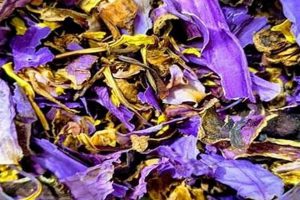
The use of plant-derived substances alongside other ingredients represents a common formulation strategy. This approach combines the purported advantages of botanicals with the functional properties of other compounds to achieve a desired effect. For example, a skin cream might include plant extracts for their antioxidant properties in conjunction with emollients to enhance hydration.
Such combination strategies may offer synergistic benefits, potentially amplifying desired outcomes. The practice has deep roots in traditional medicine systems across various cultures, where combined remedies have been employed for centuries. Careful consideration of interactions between components is crucial for ensuring efficacy and safety.
The main topics of this article will now delve into the specifics of these combinations, exploring their application in various contexts and analyzing their potential advantages and limitations. Further exploration includes specific product categories and formulation guidelines.
Formulating with Plant-Derived Ingredients
This section outlines critical considerations for product development incorporating botanicals alongside other components.
Tip 1: Ingredient Compatibility. A comprehensive review of each ingredient’s chemical properties is essential. Ensure stability and avoid undesirable reactions within the formulation. For example, certain acidic ingredients may degrade specific plant compounds.
Tip 2: Standardized Extracts. When incorporating plant extracts, prioritize standardized extracts. These provide consistent levels of key active compounds, improving product predictability and efficacy.
Tip 3: Dosage Considerations. Precise determination of botanical dosages is critical. Research and clinical data should inform dosage decisions, avoiding both sub-therapeutic and potentially harmful concentrations.
Tip 4: Solvent Residue Analysis. Plant extraction processes often involve solvents. Rigorous testing for solvent residues is imperative to ensure consumer safety and regulatory compliance.
Tip 5: Allergen Awareness. Many botanicals are known allergens. Clearly labeling potential allergens is necessary to protect sensitive individuals.
Tip 6: Quality Control. Implement stringent quality control measures throughout the production process. This includes botanical identification, purity testing, and stability studies.
These guidelines are critical for developing effective and safe products that utilize botanical components alongside other ingredients. Adherence to these principles promotes consumer well-being and product reliability.
The following sections will provide a detailed analysis of specific applications and case studies.
1. Efficacy Enhancement

Efficacy enhancement, within the context of products combining plant-derived substances with other ingredients, refers to the strategic improvement of the intended therapeutic or functional outcome. It is a critical objective in product development, influencing formulation choices and testing protocols.
- Synergistic Interactions
Synergistic interactions occur when the combined effect of botanical compounds and other ingredients exceeds the sum of their individual effects. This phenomenon can amplify the desired outcome, for example, the combination of a specific plant extract with a bioavailability enhancer to improve absorption. Careful investigation is needed to confirm and quantify these interactions.
- Targeted Delivery Systems
Formulating plant extracts alongside other ingredients within targeted delivery systems, such as liposomes or nanoparticles, can enhance their efficacy. These systems improve localized delivery to the site of action, increasing concentration and reducing systemic exposure. The selection of delivery systems requires compatibility with the plant extracts and other ingredients.
- Addressing Bioavailability Limitations
Many botanicals exhibit limited bioavailability, hindering their efficacy. Combining these botanicals with absorption enhancers, such as piperine or phospholipids, can overcome this limitation. However, these enhancers must be carefully chosen to avoid adverse effects or interactions with other ingredients.
- Optimizing Extraction Methods
The extraction method used to obtain plant extracts directly impacts their efficacy. Combining extracts derived from different methods can improve a product’s therapeutic range by targeting various active compounds. The selection of extraction methods should align with the desired efficacy and the stability of the extracted compounds in the final formulation.
Achieving efficacy enhancement in products utilizing plant-derived substances alongside other ingredients requires a thorough understanding of the interactions between components, appropriate delivery methods, and optimization of extraction processes. The resulting improvements can lead to more effective and targeted therapeutic interventions.
2. Safety Profiles

The safety profile of any product combining botanical ingredients with other substances is paramount. The inclusion of plant-derived material does not inherently guarantee safety; it necessitates a thorough assessment of potential adverse effects, interactions, and contraindications. For example, the combination of St. John’s Wort, a botanical antidepressant, with certain pharmaceutical antidepressants can lead to serotonin syndrome, a potentially life-threatening condition. Understanding these interactions is crucial. Similarly, the presence of heavy metal contaminants in poorly sourced botanicals can negate any purported benefits and introduce significant health risks. Thus, stringent quality control and rigorous testing are fundamental to establishing and maintaining a satisfactory safety profile.
Real-world examples underscore the importance of this understanding. Cases of liver toxicity have been linked to multi-ingredient products containing herbal extracts, highlighting the synergistic toxicity that can occur when various compounds are combined. Furthermore, allergic reactions to specific plant species are common and must be addressed through clear labeling and comprehensive risk assessment. The practical significance lies in the avoidance of adverse health outcomes, the maintenance of consumer trust, and the fulfillment of regulatory requirements. Manufacturers must prioritize the generation of robust safety data through preclinical and clinical studies to identify and mitigate potential risks.
In summary, the safety profile represents a critical aspect of product development involving both botanical and non-botanical components. Challenges include the complexity of botanical constituents, the potential for interactions with other ingredients and medications, and the variability in plant material quality. By prioritizing comprehensive safety assessments, manufacturers can address these challenges, ensuring that products are not only effective but also safe for consumer use. This rigorous approach contributes to the responsible and sustainable utilization of plant-derived materials in diverse product applications.
3. Formulation Stability

Formulation stability, in the context of products incorporating plant-derived materials alongside other ingredients, is a critical factor determining product shelf life, efficacy, and safety. The inherent chemical complexity of herbal extracts presents significant challenges to maintaining stable formulations. For instance, plant extracts containing volatile oils may undergo degradation or evaporation over time, altering the product’s aroma, potency, and overall characteristics. Similarly, the presence of enzymes within certain botanical materials can catalyze unwanted reactions, leading to changes in color, viscosity, or even the formation of potentially harmful byproducts. The interaction between plant-derived components and synthetic ingredients can further complicate the stability profile. For example, the addition of acidic plant extracts to formulations containing pH-sensitive compounds may accelerate degradation. Therefore, rigorous stability testing, including assessment under various temperature, humidity, and light conditions, is essential to ensure product integrity throughout its intended shelf life.
Practical applications of this understanding include the careful selection of excipients and packaging materials. Antioxidants may be incorporated to prevent oxidation of sensitive plant compounds, while opaque containers can protect against light-induced degradation. Microencapsulation techniques can also be employed to shield botanical extracts from external factors and control their release. In the pharmaceutical industry, stability studies are a regulatory requirement for product approval. These studies must demonstrate that the product retains its specified potency, purity, and physical characteristics over a defined period. Failure to meet these stability criteria can result in product recalls, economic losses, and potential harm to consumers. In the food and cosmetic industries, while regulations may be less stringent, maintaining formulation stability is still crucial for ensuring consumer satisfaction and brand reputation.
In summary, formulation stability represents a significant challenge when incorporating plant-derived materials alongside other ingredients. The complexity of herbal extracts and their potential interactions necessitate a comprehensive approach to formulation development and testing. By employing appropriate stabilization techniques, conducting rigorous stability studies, and adhering to relevant regulatory guidelines, manufacturers can ensure that products remain safe, effective, and of high quality throughout their shelf life. The careful attention to formulation stability facilitates the responsible and sustainable utilization of plant-derived materials across various industries, addressing a critical consideration for effective product design.
4. Regulatory Compliance

Regulatory compliance is inextricably linked to products integrating herbal substances with other components. The legal frameworks governing these products vary significantly across jurisdictions, impacting manufacturing processes, labeling requirements, and permitted health claims. The presence of plant-derived ingredients often triggers more stringent regulations due to concerns regarding safety, efficacy, and the potential for adulteration. Failure to adhere to these regulations can result in product recalls, legal penalties, and reputational damage. For instance, a dietary supplement combining herbal extracts with synthetic vitamins may be subject to pre-market notification requirements in some countries, necessitating the submission of safety data and manufacturing details. Products marketed with unsubstantiated health claims, such as “cures cancer,” are often targeted by regulatory agencies, leading to enforcement actions. Therefore, a thorough understanding of the applicable regulations in each target market is essential for companies developing and marketing these combination products. Without due diligence, product development can become not only costly but also entirely unsustainable.
The practical application of this understanding extends to all stages of product development, from sourcing raw materials to post-market surveillance. Manufacturers must implement robust quality control measures to ensure the botanical ingredients are accurately identified, free from contaminants, and consistent in potency. Labeling must accurately reflect the ingredients and their concentrations, as well as any potential allergens or contraindications. Furthermore, companies need to establish systems for tracking adverse events and reporting them to regulatory authorities as required. Real-world examples of regulatory challenges include the European Union’s Novel Food Regulation, which requires pre-market approval for certain novel herbal ingredients or combinations. Similarly, the U.S. Food and Drug Administration (FDA) has specific requirements for dietary supplements, including Good Manufacturing Practices (GMPs) and adverse event reporting. Compliance with these diverse regulations necessitates a multidisciplinary approach involving regulatory affairs specialists, scientists, and legal professionals.
In summary, regulatory compliance is an indispensable aspect of developing and marketing products combining herbal substances with other components. The complexity of herbal ingredients, coupled with varying regulatory frameworks across jurisdictions, presents significant challenges for manufacturers. By prioritizing regulatory compliance throughout the product lifecycle, companies can mitigate risks, protect consumers, and ensure the sustainability of their operations. Understanding that regulatory compliance is not simply a hurdle, but an integral part of a sustainable business model is key to thriving in this market. This proactive approach ensures both product safety and commercial viability.
5. Synergistic Effects
Synergistic effects, in the context of products containing both plant-derived and other ingredients, refer to the interaction of multiple components where the resulting effect is greater than the sum of their individual effects. This phenomenon is a primary driver behind the formulation of many complex remedies and requires careful consideration during product development.
- Enhanced Bioavailability
Certain compounds can enhance the absorption and utilization of plant-derived active ingredients. For example, piperine, a constituent of black pepper, is known to increase the bioavailability of curcumin, a compound found in turmeric. This synergistic interaction allows for a greater therapeutic effect from a given dose of curcumin, optimizing its potential benefits. This facet directly impacts the efficacy of the final product by ensuring that the body can effectively use the intended plant-derived ingredient.
- Modulation of Metabolic Pathways
Combinations of plant extracts and other substances may modulate metabolic pathways to achieve a desired effect. The combination of milk thistle (silymarin) with phosphatidylcholine promotes liver health via a synergistic influence on hepatic metabolic processes. This example displays the capacity of strategic combinations to exert effects that single components could not achieve independently.
- Targeted Delivery Optimization
Synergistic effects can occur in the context of targeted delivery systems. Certain compounds can facilitate the transport of plant extracts to specific tissues or cells. The combination of quercetin, a plant flavonoid, with liposomes can improve its delivery to cancer cells, enhancing its cytotoxic effects. This synergistic effect optimizes the therapeutic impact by ensuring that the plant-derived ingredient reaches its intended target efficiently.
- Antimicrobial Potentiation
Combinations of plant extracts and other antimicrobial agents can exhibit synergistic antimicrobial activity. The combination of tea tree oil with certain antibiotics enhances the antibiotic’s effectiveness against resistant bacteria. This synergistic potentiation is crucial in combating antibiotic resistance and improving treatment outcomes. It may have direct implications for public health.
These synergistic interactions underscore the complexity and potential of combining plant-derived ingredients with other components. Careful selection and formulation are essential to harness these synergistic effects, maximizing therapeutic benefits and improving product efficacy. Further research is vital to identify and characterize novel synergistic combinations, optimizing the use of plant-derived resources in diverse applications.
6. Bioavailability Impact

The bioavailability impact represents a pivotal consideration when formulating products that combine plant-derived substances with other ingredients. It refers to the extent to which an active ingredient from a botanical source becomes available at the site of action within the body. Bioavailability significantly influences the efficacy of such products and requires meticulous assessment during development.
- Physicochemical Properties
The physicochemical properties of plant-derived compounds, such as their solubility, lipophilicity, and molecular weight, directly affect their ability to be absorbed from the gastrointestinal tract. For example, highly lipophilic compounds may exhibit poor water solubility, hindering their dissolution and absorption. Similarly, large molecular weight compounds may face challenges crossing cellular membranes. The inherent properties of plant ingredients have significant implications for formulation strategies and selection of suitable delivery systems. This aspect is pivotal in predicting the effectiveness of any “herbal and” product.
- Formulation Matrix Interactions
The formulation matrix, comprised of excipients and other ingredients, can either enhance or impede the bioavailability of plant-derived compounds. Certain excipients, such as surfactants, can improve the solubility and dissolution of poorly soluble botanicals, facilitating their absorption. Conversely, other ingredients may interact with plant-derived compounds, forming complexes that reduce their bioavailability. These interactions need careful evaluation to optimize the formulation for maximal bioavailability and therapeutic effect. Specific formulation designs are required to successfully navigate these challenges and optimize efficacy.
- Metabolic Degradation
Plant-derived compounds are susceptible to metabolic degradation by enzymes in the gastrointestinal tract and liver, leading to reduced bioavailability. Cytochrome P450 enzymes, for example, play a significant role in metabolizing numerous plant compounds, reducing their systemic exposure. Co-administration with other ingredients that inhibit these enzymes can potentially increase bioavailability, but this must be carefully evaluated for safety. Understanding metabolic pathways is imperative for enhancing the therapeutic potential of many herbal preparations and is a critical concern in product development.
- Efflux Transporters
Efflux transporters, such as P-glycoprotein (P-gp), actively pump compounds out of cells, limiting their absorption and distribution. Many plant-derived compounds are substrates for efflux transporters, resulting in reduced bioavailability. Co-administration with inhibitors of efflux transporters can potentially increase the bioavailability of these compounds, but this approach requires thorough safety assessment. The influence of efflux transporters requires a rigorous understanding of pharmacokinetic behavior, directly shaping the product’s efficacy and delivery profile.
The bioavailability impact is a complex interplay of physicochemical properties, formulation interactions, metabolic degradation, and efflux transporter activity. A comprehensive understanding of these factors is essential for developing effective products that combine plant-derived substances with other ingredients. Addressing bioavailability limitations is crucial for realizing the full therapeutic potential of herbal ingredients. Addressing these complexities is critical to the optimization of “herbal and” products.
Frequently Asked Questions
This section addresses common inquiries regarding the integration of plant-derived ingredients with other components in various products.
Question 1: What are the primary concerns regarding the safety of formulations combining herbal substances with synthetic ingredients?
Safety concerns center on potential interactions between herbal constituents and synthetic compounds, leading to synergistic toxicities or reduced efficacy. Additionally, the presence of contaminants in herbal raw materials and variability in plant-derived compound concentrations necessitates rigorous quality control.
Question 2: How does regulatory compliance differ for products containing both herbal and non-herbal ingredients across various regions?
Regulatory requirements vary significantly, with some regions imposing stricter controls on herbal ingredients, including pre-market authorization requirements and limitations on health claims. Manufacturers must navigate these complexities to ensure market access and avoid legal repercussions.
Question 3: What are the primary factors influencing the bioavailability of plant-derived active compounds in combination formulations?
Bioavailability is affected by the physicochemical properties of plant compounds, formulation matrix interactions, metabolic degradation, and efflux transporter activity. Optimizing these factors is crucial for ensuring the active ingredient reaches its target site in sufficient concentration.
Question 4: How can synergistic effects be identified and characterized in herbal and non-herbal combinations?
Synergistic effects are identified through in vitro and in vivo studies, evaluating the combined effect of individual components compared to their separate effects. Characterization involves elucidating the mechanisms underlying the synergistic interaction, such as enhanced absorption or modulation of metabolic pathways.
Question 5: What strategies can be employed to enhance the formulation stability of products containing both plant-derived and other ingredients?
Stability can be enhanced through careful selection of excipients, use of antioxidants to prevent oxidation, opaque packaging to protect against light, and microencapsulation techniques to shield sensitive compounds.
Question 6: Are there specific types of products or applications where the combination of herbal and non-herbal ingredients is particularly advantageous?
Combination products may be advantageous in situations where a multi-faceted approach is required, such as addressing both the underlying cause and symptomatic relief of a condition. Specific advantages can also arise when synthetic ingredients optimize botanical bioavailability, stability, or targeted delivery.
In summary, careful consideration of safety, regulatory, bioavailability, synergistic effects, and stability is crucial when formulating products containing both herbal and non-herbal components. These aspects significantly influence product efficacy and consumer well-being.
The next section will present concluding remarks and future research directions.
Conclusion
The integration of plant-derived compounds with other ingredients, a practice often represented by the phrase “herbal and,” presents a complex landscape of opportunities and challenges. This exploration has highlighted the crucial considerations of safety, regulatory compliance, bioavailability, synergistic effects, and formulation stability. Effective utilization necessitates a robust understanding of the interplay between botanical components and other substances.
Further research is warranted to fully elucidate the mechanisms underlying synergistic interactions and to optimize delivery systems for enhanced efficacy and safety. Continued diligence in quality control and regulatory adherence is essential to ensure responsible and sustainable product development. The future of “herbal and” applications lies in a commitment to rigorous scientific investigation and ethical manufacturing practices, ultimately contributing to improved consumer health outcomes.