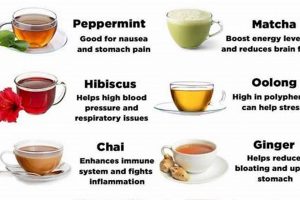
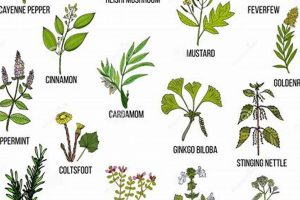
The concept encompasses the most effective methods for preparing chilled infusions using various herbs. These preparations offer a refreshing alternative to traditional beverages, focusing on flavor extraction and optimal cooling techniques. For instance, a blend of peppermint, chamomile, and lavender, properly steeped and chilled, exemplifies this. The goal is a beverage that is both palatable and retains the beneficial properties of the selected herbs.
The appeal of these infusions lies in their natural composition, potential health benefits, and customizable flavor profiles. Historically, herbal infusions have been utilized for medicinal and culinary purposes. Modern interest reflects a desire for healthier, less processed drinks. The use of herbs allows for beverages lower in sugar and devoid of artificial additives, contributing to overall well-being.
The subsequent sections will delve into specific formulations, exploring ingredient selection, brewing techniques, and variations for diverse palates. Further discussions will address the advantages of using fresh versus dried herbs and methods for achieving optimal flavor extraction without bitterness.
Brewing Superior Herbal Iced Tea
Achieving the highest quality beverage requires attention to detail during each stage of preparation. The following guidelines provide practical advice for maximizing flavor and ensuring a refreshing outcome.
Tip 1: Herb Selection and Quality: Prioritize fresh, high-quality herbs whenever feasible. If using dried herbs, ensure they are stored properly to retain potency. Avoid herbs with faded color or diminished aroma, as these indicate degradation.
Tip 2: Water Temperature Control: Avoid using boiling water when steeping delicate herbs such as chamomile or lavender. Excessively high temperatures can lead to bitterness and damage volatile oils. Aim for water temperatures between 175-200F (80-93C).
Tip 3: Steeping Time Optimization: Adjust steeping time according to the herb and desired strength. Shorter steeping times (3-5 minutes) are suitable for floral and delicate herbs, while longer steeping times (5-10 minutes) are appropriate for stronger herbs such as peppermint or ginger. Taste frequently to avoid over-extraction.
Tip 4: Sweetening Considerations: Incorporate natural sweeteners such as honey, agave nectar, or stevia sparingly. Add sweeteners while the tea is still warm to ensure proper dissolution. Avoid over-sweetening to preserve the herbal flavors.
Tip 5: Cooling Techniques: Avoid adding ice directly to the concentrated tea, as this can dilute the flavor. Instead, allow the tea to cool gradually to room temperature before refrigerating or adding ice. Alternatively, brew a stronger concentration to compensate for dilution from ice.
Tip 6: Storage Practices: Store prepared herbal iced tea in an airtight container in the refrigerator. Properly stored tea will typically maintain its flavor and freshness for up to 3 days. Discard any tea that exhibits signs of spoilage, such as cloudiness or off-putting odors.
Tip 7: Experimentation and Blending: Combine different herbs to create unique flavor profiles. Common pairings include mint and lemon balm, chamomile and lavender, or ginger and lemongrass. Document successful combinations for future reference.
Adhering to these guidelines will result in a consistently flavorful and refreshing herbal iced tea. Understanding the nuances of herb selection, water temperature, and steeping time is crucial for maximizing the beverage’s potential.
The following sections will provide specific recipes and explore advanced techniques for herbal tea preparation.
1. Herb Quality

The quality of herbs used directly influences the resulting characteristics of an iced herbal infusion. Employing superior-grade herbs is paramount in achieving a palatable and therapeutically beneficial beverage. Herb quality dictates the intensity of flavor, the concentration of active compounds, and the overall sensory experience.
- Freshness and Aroma
Freshness is a key indicator of herb quality. Recently harvested or properly stored herbs retain volatile oils responsible for aroma and flavor. Diminished aroma often signals degradation and a reduction in desirable compounds. For instance, dried lavender lacking its characteristic fragrance will yield a less flavorful and less potent tea.
- Source and Cultivation Practices
The source and cultivation methods employed significantly impact herb quality. Organically grown herbs, free from synthetic pesticides and herbicides, are preferable. Sustainable harvesting practices ensure long-term availability and environmental responsibility. Herbs sourced from reputable suppliers are more likely to meet stringent quality standards.
- Proper Drying and Storage
The processes of drying and storage are crucial for preserving herb quality. Herbs should be dried in a manner that minimizes exposure to direct sunlight and excessive heat to prevent degradation of active constituents. Proper storage in airtight containers, away from light and moisture, is essential for maintaining potency over time. Improperly dried or stored herbs can become moldy or lose their flavor.
- Absence of Contaminants
High-quality herbs should be free from contaminants such as dirt, debris, and foreign plant matter. Visual inspection is essential to ensure purity. Contaminated herbs can detract from the taste and potentially introduce harmful substances into the infusion.
In conclusion, selecting high-quality herbs is a foundational aspect of preparing superior herbal iced tea. Attention to freshness, source, drying and storage practices, and the absence of contaminants is essential for maximizing flavor, aroma, and potential health benefits. Prioritizing herb quality directly contributes to the overall success of the recipe.
2. Water Temperature

Water temperature significantly impacts the extraction of flavor and bioactive compounds from herbs during the preparation of iced tea. Incorrect water temperature can lead to undesirable outcomes, such as bitterness, diminished aroma, and reduced therapeutic potential. Elevated temperatures risk scalding delicate herbs, releasing tannins that contribute to a bitter taste, and potentially destroying volatile oils responsible for the characteristic scent of many herbs. Conversely, insufficient water temperature fails to adequately extract flavor and beneficial components, resulting in a weak and insipid beverage. For example, steeping green tea at boiling temperature typically causes a bitter taste; a lower temperature, around 170-180F (77-82C), yields a smoother, sweeter flavor. This illustrates the cause-and-effect relationship between water temperature and the sensory qualities of the final product. Understanding this temperature-sensitive extraction process is essential for achieving the optimal flavor profile.
The practical application of this understanding involves adjusting water temperature based on the specific herbs used in the recipe. Delicate floral herbs, such as chamomile and lavender, benefit from lower water temperatures (around 170F or 77C) to preserve their delicate flavor and prevent the release of bitter compounds. More robust herbs, such as peppermint or ginger, tolerate slightly higher temperatures (around 200F or 93C) to ensure adequate extraction of their potent flavors and beneficial oils. Failure to adhere to these guidelines often results in a less palatable and less effective beverage. Experienced herbal tea makers often use variable temperature kettles to precisely control the water temperature, ensuring that each herb is steeped at its optimal level.
In summary, water temperature is a critical factor in crafting superior herbal iced tea, directly influencing its flavor, aroma, and therapeutic value. Maintaining accurate temperature control, according to the herbs’ individual needs, presents a recurring challenge for home brewers. Despite these challenges, proper temperature management is essential to producing an herbal iced tea that is both refreshing and beneficial, showcasing the herb’s best qualities. This underscores the importance of considering water temperature as a cornerstone of effective herbal iced tea preparation.
3. Steeping Duration

Steeping duration is a pivotal determinant in the creation of optimal iced herbal infusions. The length of time herbs are immersed in hot water directly impacts the concentration of flavor compounds and bioactive constituents extracted, ultimately dictating the overall quality and efficacy of the beverage.
- Flavor Intensity Modulation
Steeping time is directly proportional to flavor intensity. Prolonged steeping results in a more robust and pronounced flavor profile, while shortened steeping yields a milder and more delicate taste. For example, over-steeping black tea introduces excessive tannins, producing a bitter and astringent taste, an experience similarly observed with some herbal infusions, where excessive steeping results in acrid flavor notes. Careful control of steeping time enables precise tailoring of the flavor to meet individual preferences.
- Extraction of Bioactive Compounds
The duration of steeping also influences the extraction of beneficial bioactive compounds from the herbs. Many of these compounds, such as antioxidants and anti-inflammatory agents, require sufficient time to dissolve into the water. Insufficient steeping may fail to fully unlock these therapeutic properties, diminishing the potential health benefits of the infusion. For example, studies have shown that longer steeping times for chamomile tea can increase the concentration of apigenin, a compound known for its calming effects.
- Prevention of Undesirable Compounds
Conversely, prolonged steeping can also lead to the extraction of undesirable compounds, such as tannins and bitter alkaloids. These compounds can impart an unpleasant taste and detract from the overall sensory experience. The steeping of green tea, in particular, requires careful monitoring to avoid the release of these bitter compounds, which is why most recipes suggest shorter infusion periods. Therefore, balancing steeping time is crucial to maximize beneficial compound extraction while minimizing the extraction of unwanted elements.
- Herb-Specific Steeping Protocols
Optimal steeping durations vary significantly depending on the specific herb being used. Delicate floral herbs, such as lavender and chamomile, typically require shorter steeping times (3-5 minutes) to prevent bitterness, while robust roots and barks, such as ginger and cinnamon, may benefit from longer steeping times (10-15 minutes) to fully extract their flavors and active compounds. Adhering to herb-specific steeping protocols is essential for achieving a well-balanced and flavorful iced herbal tea.
In conclusion, steeping duration is a critical variable that must be carefully considered in crafting the optimal iced herbal tea. Balancing the extraction of desirable flavors and bioactive compounds with the prevention of undesirable elements requires precise control and an understanding of the specific herbs being used. Mastery of steeping techniques ultimately contributes to a beverage that is both flavorful and beneficial, solidifying its status as a fundamental element in the creation of superior herbal iced tea.
4. Sweetener Choice

The selection of a sweetener exerts a significant influence on the final sensory characteristics of iced herbal infusions. The sweetener’s intrinsic flavor profile interacts with the herbal notes, either complementing or detracting from the intended taste. For instance, the robust caramel notes of dark brown sugar may overpower the delicate floral aroma of a lavender-infused tea, while a milder sweetener such as agave nectar might enhance the inherent sweetness of chamomile. The choice, therefore, is not merely about adding sweetness but about crafting a balanced and harmonious flavor composition.
Beyond flavor, the type of sweetener also impacts the perceived healthfulness of the beverage. Refined sugars contribute empty calories and rapid blood glucose spikes, potentially negating some of the benefits associated with consuming herbal infusions. Natural alternatives, such as honey or maple syrup, offer a more complex sweetness and often contain trace minerals or antioxidants. However, even these natural sweeteners should be used judiciously. Over-sweetening masks the subtle nuances of the herbs and diminishes the perceived refreshment. Consider the practical example of a mint-infused tea: excessive sugar can overshadow the cooling sensation and diminish the revitalizing quality associated with mint. Thus, an informed decision regarding sweetener choice becomes integral to optimizing both the flavor and potential health benefits.
In conclusion, the selection of a sweetener is an important factor in preparing high-quality iced herbal tea. The interplay between the sweetener’s flavor profile and the herbs’ characteristics requires careful consideration to achieve a balanced and flavorful beverage. Furthermore, the impact of the chosen sweetener on the nutritional profile should be carefully evaluated to align with health-conscious consumption. Therefore, thoughtful consideration of sweetener choice is paramount in ensuring a superior drinking experience.
5. Cooling Method

The cooling method employed profoundly affects the final quality of iced herbal infusions. Rapid cooling versus gradual cooling, and direct addition of ice versus indirect chilling, significantly impact flavor, clarity, and overall palatability.
- Impact on Clarity
Abrupt temperature changes can induce cloudiness in herbal teas, particularly those containing higher concentrations of polyphenols. Rapid cooling encourages precipitation of these compounds, resulting in a less visually appealing beverage. Gradual cooling, such as refrigeration, allows these substances to remain dissolved, preserving the tea’s clarity. A visually clear tea often denotes meticulous preparation.
- Flavor Dilution Mitigation
Directly adding ice to a concentrated tea can dilute the flavor profile, diminishing the intended intensity. This is especially problematic with subtle herbal blends where delicate nuances are easily lost. Brewed teas should be allowed to cool to room temperature prior to refrigeration or addition of pre-chilled tea. This technique maintains flavor concentration, contributing to a more robust and satisfying taste experience.
- Preventing Bitterness
Some herbs, when exposed to prolonged heat followed by sudden cooling, release bitter compounds. Cooling quickly can interrupt the chemical reactions that create these undesirable tastes. Flash chilling after brewing can help “lock in” the intended flavors and prevent the development of bitterness, preserving the drink’s initial taste profile.
- Consideration of Ice Quality
The quality of ice used also contributes to the final product. Ice made with unfiltered tap water introduces impurities that detract from the tea’s flavor. Using purified water to create ice ensures a cleaner, more refreshing taste. Some recipes utilize herbal ice cubes, made by freezing tea or herbal infusions, which further enhances flavor as they melt.
The selected cooling approach is a critical factor in crafting a superior herbal iced tea. Whether employing gradual refrigeration, flash chilling, or using high-quality ice, the goal remains consistent: to preserve flavor, enhance clarity, and prevent the development of undesirable tastes. Mastering these cooling techniques is crucial for any recipe.
6. Storage Conditions

Storage conditions constitute a crucial determinant in maintaining the quality and extending the shelf life of iced herbal tea preparations. Improper storage compromises flavor, color, and potential health benefits, irrespective of meticulous brewing techniques. Therefore, attention to storage is integral to realizing the full potential of any recipe.
- Temperature Control
Refrigeration, typically between 34-40F (1-4C), is essential for retarding microbial growth and enzymatic degradation. Elevated temperatures accelerate spoilage, leading to off-flavors and potential health risks. Improperly refrigerated tea can quickly become a breeding ground for bacteria. Consistently maintaining a low temperature prolongs the beverage’s usability and preserves its intended taste profile. For example, herbal iced tea left at room temperature for more than two hours should be discarded due to potential bacterial contamination.
- Light Exposure
Exposure to light, particularly sunlight, degrades light-sensitive compounds present in many herbs, such as chlorophyll and certain antioxidants. This degradation can result in discoloration and a loss of flavor potency. Storing herbal iced tea in opaque or dark-colored containers minimizes light exposure, thereby preserving its aesthetic appeal and nutritional value. Amber glass bottles, for example, effectively block UV light and prevent degradation of the tea’s components.
- Air Exposure
Oxygen exposure promotes oxidation, which negatively impacts the flavor and aroma of herbal iced tea. Oxidation can lead to stale or metallic tastes and a reduction in desirable volatile compounds. Storing the beverage in airtight containers minimizes contact with air, thus inhibiting oxidation processes. Filling the container completely, leaving minimal headspace, further reduces air exposure. Properly sealed containers are essential to retaining the tea’s original characteristics.
- Container Material
The material of the storage container can influence the tea’s stability. Reactive materials, such as certain plastics, may leach chemicals into the beverage, altering its taste and potentially posing health risks. Inert materials like glass or food-grade stainless steel are preferable, as they do not react with the tea and do not impart unwanted flavors or odors. Therefore, selection of an appropriate container is an important part of storage.
In summary, optimal storage conditionsencompassing temperature control, light exposure minimization, air exposure prevention, and appropriate container selectionare essential for preserving the quality of herbal iced tea. Attention to these details ensures that the beverage remains flavorful, visually appealing, and safe for consumption, maximizing the investment in high-quality ingredients and careful preparation.
7. Flavor Combinations
The selection and arrangement of herbal flavor profiles are fundamental to creating exemplary iced tea recipes. The success of any iced herbal tea hinges on the harmonious interplay of individual herb characteristics, resulting in a balanced and pleasing sensory experience. A poorly considered combination can lead to an unpalatable result, characterized by clashing tastes or an overwhelming single note, directly negating the intent of crafting a refreshing and nuanced beverage. For example, combining strongly astringent herbs like black tea leaves with a particularly bitter herb, such as gentian, will result in a drink unsuited to most palates due to excessive bitterness, regardless of proper steeping or cooling methods. Therefore, an understanding of how different herbs interact is essential to developing any superior iced herbal tea formulation.
The strategic application of flavor pairings transforms basic infusions into sophisticated beverages. Consider the classic combination of peppermint and lemon balm: the peppermint offers a refreshing coolness, while the lemon balm contributes a subtle citrusy sweetness. This synergy enhances the overall flavor profile, creating a balanced and invigorating iced tea. Similarly, blending chamomile with lavender creates a calming and floral infusion, ideally suited for relaxation. The creation of compelling flavor combinations is often iterative, requiring experimentation to determine optimal proportions and pairings. Experienced herbalists and tea blenders often maintain detailed records of successful and unsuccessful combinations to refine their recipes, ensuring that the final product aligns with its intended purpose, whether it be for refreshment, relaxation, or potential health benefits.
Achieving optimal flavor through careful combinations presents challenges, particularly for novice brewers. Many resources offer guidance on complementary herbs and potential flavor clashes, but practical experience remains the most effective teacher. Despite these challenges, mastering flavor combinations is essential to elevating iced herbal tea from a simple beverage to a complex and satisfying experience. A well-considered herbal blend offers a depth of flavor and aroma that single-herb infusions often lack, enhancing both enjoyment and potential therapeutic benefits. This underscores the practical significance of understanding flavor combinations as a cornerstone of crafting the very “best herbal iced tea recipes.”
Frequently Asked Questions
The following addresses common inquiries related to the preparation and enjoyment of high-quality chilled herbal infusions. The information is intended to clarify misconceptions and provide guidance for optimal results.
Question 1: Is it necessary to use fresh herbs for iced herbal tea?
While fresh herbs generally offer a more vibrant flavor profile, dried herbs are a suitable alternative, provided they are of high quality and stored properly. Adjust the quantity of dried herbs, typically using less than fresh, due to their concentrated nature.
Question 2: Can any herb be used to make iced tea?
While experimentation is encouraged, some herbs are better suited for iced tea due to their flavor profile and potential interactions. Exercise caution with herbs known to have strong medicinal effects or potential side effects. Research the properties of any unfamiliar herb before consumption.
Question 3: How long does iced herbal tea last in the refrigerator?
Properly stored iced herbal tea, in an airtight container, typically maintains its quality for up to three days. Discard any tea exhibiting signs of spoilage, such as cloudiness, off-odors, or unusual tastes.
Question 4: Should sugar always be added to iced herbal tea?
The addition of sugar is optional and dependent on personal preference. Natural sweeteners, such as honey or agave nectar, are often preferred over refined sugars. However, many herbal teas are enjoyable without any added sweeteners.
Question 5: Does steeping time affect the caffeine content of herbal iced tea?
Most herbal teas are naturally caffeine-free. However, if blending herbal infusions with caffeinated teas, such as green or black tea, steeping time will influence the caffeine level. Longer steeping times generally result in higher caffeine concentrations.
Question 6: Can iced herbal tea be made in large batches?
Iced herbal tea is amenable to large-batch preparation. Ensure proportionate scaling of ingredients and adherence to proper brewing and cooling techniques. Store the prepared tea in suitable containers in the refrigerator.
In summary, the successful preparation of excellent iced herbal tea relies on informed ingredient selection, precise brewing techniques, and appropriate storage practices. Adhering to these principles enhances both the flavor and potential health benefits of the beverage.
The subsequent section will explore advanced techniques and more specialized recipes.
The Pursuit of Optimal Herbal Iced Tea
The preceding discourse meticulously examined critical parameters governing the creation of exemplary chilled herbal infusions. Herb quality, water temperature, steeping duration, sweetener choice, cooling method, storage conditions, and flavor combinations were identified as essential determinants influencing the final product’s sensory and qualitative attributes. Adherence to established guidelines in each of these areas contributes significantly to a superior beverage.
The information detailed serves as a foundation for informed experimentation and refinement of personal preferences. Continued exploration of diverse herbal combinations and brewing techniques will undoubtedly yield further insights and innovations. The pursuit of optimal formulations remains a dynamic and rewarding endeavor, ultimately resulting in greater enjoyment and potential health benefits. The commitment to quality and mindful preparation ensures continued access to refreshing and beneficial herbal iced teas.