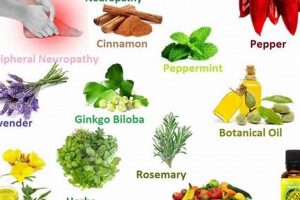
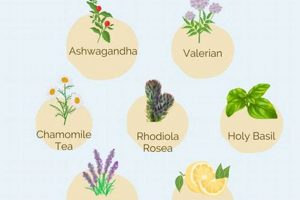
Botanical treatments employed to alleviate inflammation of the urethra represent a traditional approach to managing this condition. These treatments often involve the use of plants with purported anti-inflammatory, antimicrobial, or diuretic properties. For example, certain preparations derived from cranberry or uva ursi have been historically used to address urinary tract discomfort.
The value of exploring plant-based interventions stems from their potential accessibility and, in some cases, a perceived lower incidence of adverse effects compared to conventional pharmaceuticals. Throughout history, various cultures have relied on indigenous flora for addressing urinary ailments, forming a rich tapestry of traditional knowledge. However, it is crucial to acknowledge that the efficacy and safety of these treatments require rigorous scientific evaluation.
The subsequent sections will delve into specific botanical agents commonly considered for managing urethral inflammation, alongside a discussion of their purported mechanisms of action, available scientific evidence, and important safety considerations. Furthermore, the role of these treatments within an integrated approach to managing the underlying causes of urethral irritation will be explored.
Guidance on Botanical Approaches
The following constitutes essential guidance regarding the application of plant-derived substances in the management of urethritis. Implementation requires a cautious and informed approach, acknowledging the limitations of current scientific data.
Tip 1: Prioritize Medical Consultation: Before initiating any botanical regimen, consult a qualified healthcare provider. Self-treating urethritis can lead to complications or mask underlying conditions requiring specific medical intervention.
Tip 2: Identify the Causative Agent: Urethritis can stem from various factors, including bacterial infections. Accurate diagnosis is imperative. Botanical interventions may offer symptomatic relief, but definitive treatment for infections necessitates appropriate antimicrobial agents prescribed by a physician.
Tip 3: Exercise Caution with Dosage: Adhere strictly to recommended dosages for any botanical preparation. Overconsumption can result in adverse effects. Begin with lower doses and gradually increase as tolerated, under the guidance of a healthcare professional.
Tip 4: Research Potential Interactions: Certain botanical substances can interact negatively with prescription medications. Disclose all current medications and supplements to your healthcare provider to mitigate potential adverse interactions.
Tip 5: Select Reputable Suppliers: Source botanical products from established and reputable suppliers. Ensure that products are standardized, tested for purity, and free from contaminants. Third-party certification can provide assurance of product quality.
Tip 6: Be Aware of Allergic Reactions: Monitor for any signs of allergic reaction, such as rash, itching, or difficulty breathing. Discontinue use immediately and seek medical attention if any allergic symptoms arise.
Tip 7: Maintain Hydration: Adequate fluid intake is crucial for flushing the urinary system and supporting overall urinary tract health. Supplementing botanical treatments with increased water consumption can enhance their potential effectiveness.
Tip 8: Acknowledge Limitations: Botanical treatments may not be a sufficient substitute for conventional medical care. If symptoms persist or worsen, seek immediate medical attention.
In summary, judicious application of botanical approaches to urethritis management necessitates a combination of informed decision-making, professional guidance, and meticulous monitoring. A comprehensive approach integrates both conventional and complementary therapies for optimal outcomes.
The ensuing sections will elaborate on the integration of these tips within a broader framework of urethritis management.
1. Anti-inflammatory Potential

Inflammation, a key component of urethritis, contributes to symptoms such as pain, burning, and frequent urination. The anti-inflammatory potential inherent in certain botanical treatments forms a cornerstone of their purported efficacy in managing this condition. The mechanism involves mitigating the inflammatory response within the urethral lining, thereby reducing associated discomfort. For instance, herbs containing compounds like flavonoids or polyphenols may interfere with inflammatory pathways, leading to a decrease in pro-inflammatory mediators. This process is analogous to how non-steroidal anti-inflammatory drugs (NSAIDs) function, albeit often through different pathways and with potentially milder effects. The significance of this anti-inflammatory action lies in its ability to address the underlying cause of many urethritis symptoms, rather than merely masking them.
Examples of botanical agents traditionally used for their anti-inflammatory properties in the context of urethritis include chamomile (Matricaria chamomilla), known for its apigenin content, and calendula (Calendula officinalis), which contains triterpenoids. These compounds have demonstrated, in in vitro and animal studies, an ability to suppress inflammatory cascades. However, it is crucial to acknowledge that the translation of these findings to human clinical effectiveness requires further investigation. The practical application involves carefully selecting botanical extracts standardized for their active anti-inflammatory constituents, ensuring consistent dosing, and monitoring for any adverse effects. Furthermore, the route of administration (e.g., oral, topical) may impact the therapeutic outcome.
In summary, the anti-inflammatory potential represents a valuable, albeit not definitively proven, aspect of botanical interventions for urethritis. While anecdotal evidence and preliminary research suggest a beneficial role, rigorous clinical trials are necessary to validate the efficacy and safety of specific botanical agents. Challenges remain in standardizing herbal preparations and determining optimal dosages for individual patients. Nevertheless, understanding the anti-inflammatory mechanisms potentially offered by herbs contributes to a more comprehensive approach to managing urethral inflammation and associated symptoms.
2. Antimicrobial Properties

Antimicrobial properties are critical when considering plant-derived treatments for urethritis, a condition often resulting from bacterial infections. The ability of certain botanicals to inhibit or eradicate pathogenic microorganisms within the urinary tract forms a basis for their traditional and contemporary use.
- Mechanism of Action
Antimicrobial activity in botanical agents often stems from various mechanisms, including disruption of bacterial cell walls, interference with essential enzymatic processes, and inhibition of bacterial adhesion to the urethral lining. Specific compounds, such as arbutin found in uva ursi, are metabolized to hydroquinone, which possesses potent antibacterial effects. The complex interplay of phytochemicals contributes to a multifaceted approach against infection.
- Spectrum of Activity
The effectiveness of a particular botanical treatment hinges on its spectrum of activitythe range of microorganisms it can target. While some agents exhibit broad-spectrum activity, inhibiting a wide variety of bacteria, others are more specific. For instance, cranberry extracts are primarily effective in preventing E. coli adhesion, a common cause of urinary tract infections, but may have limited impact on other bacterial species. The selection of a suitable botanical intervention necessitates identifying the causative pathogen to ensure targeted treatment.
- Resistance Mitigation
Overuse of conventional antibiotics has led to increasing rates of antibiotic resistance. Plant-derived antimicrobials may offer an alternative or complementary approach to managing infections while potentially reducing the selection pressure for resistance development. Certain phytochemicals exhibit mechanisms of action distinct from those of conventional antibiotics, making them less susceptible to existing resistance mechanisms. However, the long-term impact of botanical antimicrobial use on resistance evolution requires further investigation.
- Bioavailability and Dosage
The effectiveness of antimicrobial properties is directly influenced by bioavailabilitythe extent to which active compounds are absorbed and reach the site of infection. Factors such as formulation, route of administration, and individual metabolism can significantly affect bioavailability. Achieving therapeutic concentrations within the urethra is essential for inhibiting bacterial growth. Precise dosage recommendations, based on rigorous pharmacokinetic studies, are crucial for optimizing treatment outcomes and minimizing the risk of adverse effects.
The assessment and application of antimicrobial properties within herbal remedies for urethritis involve a nuanced understanding of mechanisms, spectrum of activity, resistance mitigation, and bioavailability. While promising as adjuncts or alternatives to conventional antibiotics, the use of plant-derived antimicrobials demands cautious consideration and integration into a broader strategy for managing urethral infections.
3. Diuretic Effects

The diuretic effects of certain botanical agents play a role in their application as supportive treatments for urethritis. These effects, which promote increased urine production, are believed to contribute to the flushing of the urinary tract, potentially aiding in the removal of irritants and pathogens.
- Enhanced Urinary Flow
The primary function of diuretics is to increase the rate of urine formation. This enhanced urinary flow can help dilute the concentration of irritants within the urethra, reducing discomfort and inflammation. For example, consuming herbal teas prepared from dandelion or parsley may increase urine output, assisting in the natural cleansing process of the urinary tract. However, it is essential to ensure adequate hydration when using diuretics to prevent dehydration.
- Reduction of Edema
Inflammation associated with urethritis can lead to localized edema or swelling. Diuretic herbs, by promoting fluid excretion, may contribute to reducing this swelling and the associated discomfort. Buchu, for instance, has been traditionally used for its diuretic and anti-inflammatory properties, potentially alleviating edema in the urinary tract. The extent to which diuretics can directly impact urethral edema requires further investigation.
- Electrolyte Balance Considerations
While diuretic herbs can be beneficial, it is crucial to consider their impact on electrolyte balance. Increased urine output can lead to the loss of essential electrolytes, such as potassium and sodium. Prolonged or excessive use of potent diuretics can disrupt this balance, leading to adverse effects. Therefore, it is advisable to use diuretic herbs under the guidance of a healthcare professional, who can monitor electrolyte levels and provide appropriate recommendations.
- Combination with Other Therapies
Diuretic herbs are typically not used as standalone treatments for urethritis, especially if a bacterial infection is present. They are often incorporated as supportive measures alongside conventional medical interventions, such as antibiotics. The rationale is that enhanced urinary flow can complement the action of antibiotics by helping to eliminate bacteria from the urinary tract. However, the specific benefits of this combination approach require further clinical evaluation.
In summary, the diuretic effects of herbal remedies offer a potential avenue for supporting urinary tract health in the context of urethritis. While increased urine production can aid in flushing irritants, it is vital to consider electrolyte balance and hydration. The use of diuretic herbs should be approached cautiously and integrated within a comprehensive management plan under the supervision of a healthcare provider.
4. Pain Relief

Urethritis, characterized by inflammation of the urethra, frequently manifests as dysuria, or painful urination. The alleviation of this pain is a primary concern for affected individuals. The selection of botanical treatments often incorporates a consideration of their analgesic properties. Certain herbal remedies are posited to modulate pain perception through various mechanisms, either by reducing inflammation, acting on specific pain receptors, or indirectly influencing the nervous system. The efficacy of herbal remedies in providing pain relief depends on the underlying etiology of the urethritis, the specific botanical compounds employed, and individual physiological responses.
Examples of botanical agents traditionally used for pain relief in urethritis include preparations containing compounds such as those found in chamomile or valerian root. These may possess mild analgesic or spasmolytic effects that can reduce urethral discomfort. However, the potency of these effects is generally less pronounced than that of conventional analgesics, such as non-steroidal anti-inflammatory drugs or opioid medications. In clinical practice, botanical remedies may be used as adjuncts to conventional treatments, or as a primary intervention for individuals seeking a more natural approach. Practical application necessitates careful assessment of the patient’s pain intensity, the identification of any contraindications or potential drug interactions, and appropriate dosage adjustments.
The integration of pain relief strategies within a comprehensive approach to urethritis management is essential for improving patient quality of life. While herbal remedies may offer some degree of symptomatic relief, they are not a substitute for definitive treatment addressing the underlying cause of the inflammation. Challenges remain in establishing standardized dosing regimens and in conducting rigorous clinical trials to evaluate the efficacy and safety of specific herbal pain relievers. Ultimately, the appropriate selection and implementation of botanical treatments for pain relief in urethritis should be guided by evidence-based principles and individualized patient needs.
5. Immune Support

The body’s immune system plays a pivotal role in combating infections and mitigating inflammation, processes directly relevant to the management of urethritis. The potential of herbal remedies to bolster immune function represents a significant consideration in their use as supportive therapies.
- Modulation of Immune Cell Activity
Specific botanical compounds may influence the activity of immune cells, such as macrophages, T lymphocytes, and natural killer cells. Certain polysaccharides and other bioactive molecules found in herbs are believed to stimulate these cells, enhancing their ability to recognize and eliminate pathogens. For example, Echinacea purpurea has been investigated for its capacity to activate macrophages, potentially improving the clearance of bacteria from the urinary tract. The implication of this modulation is a more robust and efficient immune response to infections associated with urethritis.
- Enhancement of Antibody Production
Antibodies are crucial components of adaptive immunity, providing targeted defense against specific pathogens. Select herbal remedies may possess the ability to stimulate antibody production, increasing the concentration of circulating antibodies capable of neutralizing or opsonizing infectious agents. Astragalus, for instance, has been explored for its potential to enhance immunoglobulin levels. This increased antibody availability can facilitate the elimination of pathogens contributing to urethritis.
- Reduction of Oxidative Stress
Oxidative stress, characterized by an imbalance between free radical production and antioxidant defenses, can impair immune function. Certain herbs contain antioxidants that neutralize free radicals, protecting immune cells from oxidative damage and maintaining their functional integrity. Green tea, rich in polyphenols, is an example of a botanical agent with antioxidant properties. Reducing oxidative stress can optimize immune cell performance, thereby supporting the body’s defense against infections associated with urethritis.
- Regulation of Inflammatory Responses
While inflammation is a necessary component of the immune response, excessive or prolonged inflammation can be detrimental, contributing to tissue damage and chronic conditions. Some herbal remedies contain compounds that help regulate inflammatory responses, preventing excessive inflammation and promoting tissue healing. Turmeric, containing curcumin, is known for its anti-inflammatory properties. Regulating inflammation can alleviate symptoms of urethritis while facilitating the resolution of the underlying infection.
These facets of immune support highlight the potential role of herbal remedies in complementing conventional treatments for urethritis. By modulating immune cell activity, enhancing antibody production, reducing oxidative stress, and regulating inflammatory responses, specific botanical agents may contribute to a more effective and balanced immune response. The integration of these considerations within a holistic approach to managing urethritis underscores the importance of individualized treatment strategies and the careful evaluation of potential benefits and risks.
6. Individual Variability

The response to botanical treatments for urethritis is not uniform, demonstrating significant individual variability. This variability stems from a multitude of factors that influence how a person’s body processes and reacts to herbal interventions. A thorough understanding of these factors is critical for tailoring treatment strategies and predicting outcomes.
- Genetic Predisposition
Genetic factors influence drug metabolism and receptor sensitivity, impacting the effectiveness of herbal remedies. Polymorphisms in genes encoding drug-metabolizing enzymes, such as cytochrome P450s, can alter the rate at which active compounds are processed, affecting their bioavailability and duration of action. For example, individuals with genetic variants resulting in slower metabolism of certain herbal constituents may experience prolonged effects or increased risk of adverse reactions. This underscores the need for personalized dosing based on individual genetic profiles.
- Physiological Factors
Age, sex, body weight, and overall health status contribute to individual variability in response to herbal treatments. Age-related changes in renal and hepatic function can affect drug clearance and metabolism. Differences in body composition and hormone levels between sexes can also influence drug distribution and receptor binding. Furthermore, coexisting medical conditions, such as liver or kidney disease, may alter drug metabolism and excretion. These physiological factors necessitate adjustments in dosage and treatment duration to optimize therapeutic outcomes.
- Concomitant Medications and Dietary Interactions
The concurrent use of prescription medications, over-the-counter drugs, and dietary supplements can lead to drug interactions, affecting the efficacy and safety of herbal remedies. Certain herbs can inhibit or induce drug-metabolizing enzymes, altering the plasma concentrations of co-administered medications. Similarly, dietary components, such as grapefruit juice, can interfere with drug absorption and metabolism. A comprehensive medication history and dietary assessment are crucial for identifying and mitigating potential drug interactions.
- Gut Microbiome Composition
The composition of the gut microbiome influences the metabolism and bioavailability of certain herbal compounds. Gut bacteria can metabolize complex plant constituents, converting them into active metabolites that exert therapeutic effects. Conversely, some bacteria can degrade active compounds, reducing their bioavailability. Individual differences in gut microbiome composition can therefore affect the response to herbal remedies. Manipulating the gut microbiome through dietary interventions or probiotic supplementation may modulate the effects of herbal treatments.
In conclusion, the effectiveness of herbal remedies for urethritis is significantly influenced by individual variability. Genetic predisposition, physiological factors, concomitant medications, and gut microbiome composition all contribute to the heterogeneity of treatment responses. Personalized approaches, incorporating individual patient characteristics, are essential for optimizing therapeutic outcomes and minimizing the risk of adverse events. Further research is needed to elucidate the specific factors driving individual variability and to develop strategies for tailoring herbal treatments to individual needs.
Frequently Asked Questions Regarding Botanical Interventions for Urethritis
This section addresses common inquiries concerning the application of plant-derived substances in managing urethritis, providing clear and factual responses based on current knowledge.
Question 1: Are plant-based approaches sufficient as a primary treatment for urethritis?
The use of herbal treatments alone might not be adequate, especially in cases of bacterial infection. Urethritis has several causes, therefore correct identification of the agent is required. Medical care is recommended.
Question 2: How long does it typically take to observe results from herbal remedies for urethritis?
The time frame varies based on the treatment employed, the individual’s physiological characteristics, and the severity of the condition. Patience is paramount; however, lack of improvement should prompt a medical evaluation.
Question 3: What are the most frequently reported adverse effects associated with herbal treatments for urethritis?
Side effects range from mild gastrointestinal upset to allergic reactions. Prior to initiating any herbal regimen, consultation with a qualified healthcare practitioner is essential to mitigate potential risks.
Question 4: How does one ascertain the quality and purity of herbal products intended for treating urethritis?
Sourcing products from established, reputable suppliers is crucial. Look for certifications indicating third-party testing for purity and standardization of active compounds. Due diligence ensures product integrity.
Question 5: Can botanical agents be combined safely with conventional medications for urethritis?
Potential interactions between herbal substances and pharmaceuticals necessitate caution. A healthcare professional must be consulted to assess possible synergistic or antagonistic effects, ensuring patient safety.
Question 6: Is there scientific substantiation for the use of herbal remedies in treating urethritis?
While traditional knowledge supports the use of certain herbs, rigorous scientific evidence is frequently lacking. Further clinical trials are warranted to validate the efficacy and safety of these interventions.
In summation, the utilization of botanical treatments for urethritis requires discernment, informed decision-making, and a commitment to seeking professional medical guidance. These treatments must complement, not substitute, standard medical care.
The ensuing section will provide a consolidated summary of the preceding discussion.
Conclusion
The preceding exploration has detailed various facets of herbal remedies for urethritis, ranging from anti-inflammatory and antimicrobial properties to diuretic effects and immune support. Individual variability in response underscores the necessity for personalized approaches. The integration of botanical agents should be considered within a broader framework of conventional medical care, guided by informed decision-making and expert consultation.
Continued research is imperative to elucidate the mechanisms of action, validate the efficacy, and establish safety profiles for specific herbal interventions. The responsible application of botanical treatments for urethritis demands a commitment to evidence-based practice and a recognition of their potential, but not absolute, role in managing this condition. Further investigation will define the future of these treatments within the landscape of urological care.