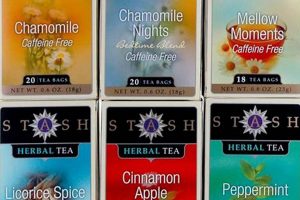
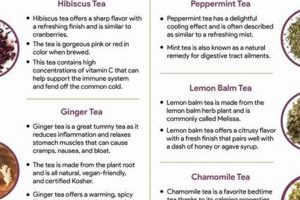
The utilization of plants for medicinal purposes represents a long-standing practice across diverse cultures. This approach involves employing botanical resources, in various forms, to alleviate symptoms, promote wellness, and address health conditions. Examples include using chamomile tea for relaxation, ginger for digestive support, or turmeric as a natural anti-inflammatory.
This practice holds significance due to its accessibility, affordability in many regions, and its deep roots in traditional healing systems. It offers a complementary or alternative approach to conventional medicine, often focusing on holistic well-being. Historically, many modern pharmaceuticals have originated from compounds initially discovered in plants, highlighting the potential of botanical research.
The following sections will delve into specific applications, scientific considerations, and responsible usage of these botanical interventions in the pursuit of health and wellness. We will explore the balance between traditional knowledge and evidence-based practices in this field.
Guidance on Botanical Remedies
The following guidelines are provided to ensure the safe and effective integration of plant-based therapies into a comprehensive healthcare regimen. These recommendations emphasize informed decision-making and responsible usage.
Tip 1: Prioritize Accurate Identification. Correctly identifying the plant species is paramount. Misidentification can lead to ineffective treatment or, in severe cases, adverse reactions. Consult with experienced herbalists or botanists for confirmation.
Tip 2: Understand Dosage and Preparation Methods. Adhere to established guidelines for dosage based on the plant material, preparation method (e.g., infusion, decoction, tincture), and individual factors. Improper preparation can alter the potency and safety profile.
Tip 3: Consider Potential Interactions. Be aware of potential interactions between botanical substances and conventional medications. Consult a qualified healthcare professional or pharmacist to assess for any contraindications or synergistic effects.
Tip 4: Source Products from Reputable Suppliers. Obtain botanical products from suppliers who adhere to quality control standards and can provide documentation regarding purity, potency, and authenticity. Avoid products with unsubstantiated claims or dubious origins.
Tip 5: Monitor for Adverse Reactions. Be vigilant for any adverse reactions or side effects following the consumption of botanical substances. Discontinue use immediately and seek medical attention if any concerning symptoms arise.
Tip 6: Recognize Limitations. Understand that botanical treatments may not be suitable for all conditions or individuals. They should not be considered a replacement for conventional medical care in cases requiring urgent or specialized intervention.
Tip 7: Maintain Realistic Expectations. Avoid unrealistic expectations regarding the speed or extent of therapeutic effects. Botanical approaches often require consistent and prolonged usage to achieve desired outcomes.
These guidelines highlight the importance of knowledge, caution, and responsible decision-making when incorporating plant-based treatments into one’s healthcare strategy. A balanced approach, combining traditional wisdom with evidence-based practices, maximizes the potential benefits while minimizing risks.
The next section will address the ethical considerations and future directions of botanical medicine, emphasizing sustainability and equitable access.
1. Identification Accuracy

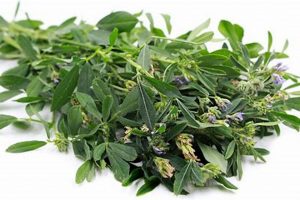
The relationship between identification accuracy and the effective and safe application of plant-based remedies is direct and critical. Accurate species identification is the foundational step upon which all subsequent therapeutic applications depend. A misidentified plant can contain different, or even harmful, chemical constituents, leading to ineffective treatment or, in the worst-case scenario, adverse health consequences. For example, mistaking foxglove (Digitalis purpurea), a potent cardiac stimulant and toxic plant, for comfrey (Symphytum officinale), which has been used traditionally for wound healing, could result in severe cardiac arrhythmia and potentially fatal outcomes. Therefore, the selection of the correct plant species is paramount.
The importance of this precision extends beyond simply avoiding toxicity. Different varieties within the same genus can possess varying levels of active compounds, influencing the potency and suitability of the botanical substance for a specific therapeutic application. For example, various cultivars of echinacea (Echinacea spp.) contain differing concentrations of active alkylamides, impacting their effectiveness in modulating the immune system. Using an echinacea species with a low concentration of these compounds may not yield the desired immune-boosting effect, despite utilizing a plant traditionally used for that purpose. This underscores the need for meticulous identification beyond the genus level, often requiring expert knowledge and potentially laboratory analysis.
In conclusion, the accuracy of plant identification is not merely a matter of botanical interest, but a fundamental prerequisite for the responsible and effective utilization of herbal remedies. Challenges exist in regions with high plant diversity, where subtle differences can be easily overlooked. Prioritizing reliable identification through expert consultation and employing taxonomic tools is essential to mitigate risks and ensure the intended therapeutic outcomes are realized. Without this foundational step, the entire premise of using plant-based approaches for health and wellness becomes unreliable and potentially hazardous.
2. Preparation Methods

Preparation methods exert a significant influence on the efficacy and safety of botanical remedies. The method employed directly affects the extraction and preservation of active compounds, thus determining the therapeutic potential of the final product. For instance, preparing an infusion by steeping delicate plant parts, such as chamomile flowers, in hot water releases volatile oils and water-soluble constituents, offering a mild relaxant effect. Conversely, a decoction, involving simmering tougher plant parts like roots or bark for an extended period, extracts different compounds, as seen in preparing ginger root decoction for digestive ailments. Incorrect preparation can destroy valuable compounds or fail to extract them, rendering the final product ineffective.
The impact of preparation methods extends to safety considerations. Some plants contain compounds that are only rendered safe through specific processing techniques. For example, certain plants traditionally used in Chinese medicine require detoxification methods, such as prolonged soaking or steaming, to reduce toxicity. Failure to perform these preparatory steps can result in adverse reactions. Furthermore, the choice of solvent in extraction processes influences the composition and concentration of the final product. Using alcohol in a tincture extracts a broader range of constituents compared to a water-based infusion, potentially leading to stronger therapeutic effects or increased risk of interactions. Standardized herbal preparations often specify precise extraction parameters to ensure consistency and reproducibility of results.
In conclusion, preparation methods are integral to the successful application of plant-based remedies. Understanding the chemical properties of plant constituents and the impact of different extraction techniques is essential for maximizing therapeutic benefits and minimizing potential risks. The selection of the appropriate preparation method should be guided by the specific plant, intended therapeutic use, and individual patient factors. Emphasizing standardized preparation protocols can improve the reliability and consistency of herbal products, promoting safer and more effective use.
3. Dosage Precision

The efficacy and safety of botanical interventions are inextricably linked to dosage precision. Administration of plant-based remedies necessitates careful consideration of quantity, as the margin between therapeutic effect and adverse reaction can be narrow. Overdosing may lead to toxic effects, while insufficient dosages may fail to elicit the desired therapeutic outcome. The active compounds within plants exert pharmacological actions; therefore, precise dosage is not merely a guideline but a critical determinant of treatment success. For example, consuming an excessive amount of senna, a plant used for its laxative properties, can result in severe dehydration and electrolyte imbalance. Conversely, too little senna may not alleviate constipation. This illustrates the fundamental requirement for accuracy in dosage to achieve intended health benefits without compromising safety.
Several factors contribute to the complexity of establishing precise dosages. Variations in plant chemotypes, growth conditions, and preparation methods can influence the concentration of active constituents. Individual patient factors, such as age, weight, metabolic rate, and the presence of concurrent health conditions, further modify the response to botanical substances. Standardized herbal extracts, which undergo rigorous quality control to ensure consistent levels of active compounds, offer a means of improving dosage precision. However, even with standardized extracts, healthcare professionals must carefully evaluate individual patient characteristics to determine the appropriate dosage. The traditional use of certain plants often provides valuable insights into safe and effective dosage ranges, yet these practices must be integrated with contemporary scientific understanding to optimize outcomes.
In summary, dosage precision represents a cornerstone of responsible and effective botanical medicine. The variable nature of plant-derived compounds, coupled with individual patient differences, necessitates a cautious and informed approach to dosage determination. The use of standardized extracts, when available, coupled with careful consideration of patient-specific factors, contributes to mitigating risks and maximizing therapeutic potential. Ongoing research into the pharmacokinetic and pharmacodynamic properties of herbal substances is crucial to further refine dosage recommendations and enhance the safety profile of botanical interventions. The challenges of establishing precise dosages underscore the importance of seeking guidance from qualified healthcare professionals experienced in botanical medicine.
4. Potential Interactions

Potential interactions represent a critical consideration when employing plant-based remedies. The pharmacological activity inherent in botanical substances carries the possibility of interacting with concurrently administered pharmaceuticals, dietary supplements, or even certain foods. These interactions can manifest in various ways, including altering drug metabolism, affecting drug absorption, or producing synergistic or antagonistic effects. A thorough understanding of these possibilities is essential to ensure patient safety and treatment efficacy. For example, St. John’s Wort, a botanical extract often used for mild depression, can induce the CYP3A4 enzyme in the liver, accelerating the metabolism of numerous medications, including certain oral contraceptives, potentially reducing their effectiveness. This illustrates the critical need to evaluate potential interactions before combining plant-based and conventional therapies.
The consequences of overlooking potential interactions can be significant. In some cases, interactions may lead to reduced therapeutic effects, necessitating an adjustment in dosage or a change in treatment strategy. Conversely, other interactions can potentiate the effects of medications, increasing the risk of adverse events. For instance, combining warfarin, an anticoagulant medication, with high doses of garlic or ginger, which also possess antiplatelet properties, can increase the risk of bleeding. Practical application of this understanding involves a comprehensive assessment of a patient’s medication history, including prescription drugs, over-the-counter medications, and herbal supplements, prior to initiating botanical treatment. Consulting with a pharmacist or healthcare professional experienced in both conventional and botanical medicine is crucial to identify and mitigate potential interaction risks.
In conclusion, an awareness of potential interactions is an indispensable component of responsible botanical medicine. These interactions can significantly impact both the efficacy and safety of treatment regimens. While plant-based remedies offer the potential for therapeutic benefit, a thorough assessment of potential interactions, coupled with informed decision-making, is paramount to ensuring optimal patient outcomes. Further research is needed to elucidate the mechanisms of interaction and to develop resources that facilitate the safe and effective integration of botanical medicine into mainstream healthcare.
5. Sourcing Quality
The quality of the source material exerts a direct and profound influence on the efficacy and safety of any botanical intervention. The principle underscores that the therapeutic potential of an herbal remedy is fundamentally determined by the integrity and purity of its constituent plant material. Contaminated, adulterated, or incorrectly identified plant sources undermine the very basis of botanical therapeutics, potentially rendering treatments ineffective or, more seriously, causing harm. The chain of custody, from cultivation and harvesting to processing and distribution, must adhere to stringent quality control measures to ensure the final product retains its intended properties and is free from undesirable substances. Consider, for instance, the contamination of herbal products with heavy metals, pesticides, or even undeclared pharmaceuticals, a documented issue that can negate the purported benefits and pose significant health risks. A reliable source, implementing rigorous testing protocols, mitigates such risks, ensuring the consumer receives a product commensurate with its intended use.
The importance of sourcing quality extends beyond merely avoiding contaminants. Factors such as cultivation practices, geographical location, and harvesting techniques can significantly impact the concentration and composition of bioactive compounds within the plant. For example, organically grown herbs, free from synthetic fertilizers and pesticides, are often preferred due to concerns about residual chemical contamination and potential impacts on plant biochemistry. Furthermore, harvesting plants at their optimal stage of maturity, when the concentration of desired compounds is at its peak, is crucial for maximizing therapeutic potential. The selection of reputable suppliers who prioritize sustainable harvesting practices is also vital to ensure the long-term availability of plant resources and to minimize environmental impact. Traceability, the ability to track the origin and processing history of plant material, is a key indicator of sourcing quality, providing transparency and accountability throughout the supply chain.
In summary, sourcing quality is an indispensable component of effective and safe herbal medicine. The potential benefits of botanical remedies are contingent upon the integrity and purity of the plant material used. Addressing challenges in sourcing quality requires a multi-faceted approach, encompassing rigorous quality control measures, sustainable harvesting practices, and transparency throughout the supply chain. Prioritizing sourcing quality not only safeguards consumer health but also contributes to the preservation of biodiversity and the long-term sustainability of botanical resources. The pursuit of high-quality sources aligns with the broader theme of responsible and evidence-based botanical medicine, ensuring that plant-based therapies are utilized safely and effectively.
6. Adverse Reactions

The potential for adverse reactions represents a significant consideration within the context of botanical therapies. While often perceived as natural and inherently safe, plant-derived substances possess pharmacological activity that can, in certain circumstances, lead to unintended and undesirable effects. A comprehensive understanding of these potential reactions is essential for the responsible and informed utilization of remedies. The following details the nature and range of adverse reactions.
- Allergic Responses
Hypersensitivity reactions to botanical substances are common, ranging from mild skin irritation to severe anaphylaxis. These reactions occur when the immune system identifies plant constituents as foreign and initiates an immune response. Common allergens include ragweed pollen, found in some herbal preparations, and compounds within plants like poison ivy or oak, which may contaminate harvests. Allergic reactions can manifest as skin rashes, hives, itching, swelling, difficulty breathing, and, in extreme cases, life-threatening anaphylactic shock. Individuals with known allergies to specific plants or plant families should exercise caution and carefully review product ingredients.
- Drug Interactions
Botanical substances can interact with prescription and over-the-counter medications, altering their effectiveness or increasing the risk of side effects. These interactions can occur through various mechanisms, including affecting drug metabolism, absorption, or distribution within the body. St. John’s Wort, for example, can induce liver enzymes that metabolize many drugs, potentially reducing their efficacy. Similarly, grapefruit juice, known to interact with numerous medications, should be considered when consuming certain herbal supplements. Awareness of potential drug interactions and consultation with a healthcare professional are crucial to avoid adverse consequences.
- Toxicities from Misidentification or Overdose
Accurate identification of plant species is paramount, as misidentification can lead to the ingestion of toxic plants. Overdosing on even typically safe herbs can also result in adverse effects. For example, consuming excessive amounts of licorice root can lead to elevated blood pressure, fluid retention, and potassium depletion. Similarly, high doses of certain herbal laxatives can cause dehydration and electrolyte imbalances. Adherence to recommended dosages and obtaining plant materials from reputable sources are essential to minimize the risk of toxicity.
- Gastrointestinal Disturbances
Many botanical substances can cause gastrointestinal side effects, such as nausea, vomiting, diarrhea, or abdominal cramping. These effects can be due to the inherent properties of the plant or to individual sensitivities. For instance, some herbs contain high concentrations of tannins, which can irritate the digestive tract. Others may have laxative effects that, if excessive, can lead to diarrhea and dehydration. Starting with low doses and gradually increasing intake, as tolerated, can help minimize gastrointestinal discomfort.
In conclusion, while “natural”, botanical remedies are not inherently free from risk. Awareness of potential adverse reactions, including allergic responses, drug interactions, toxicities, and gastrointestinal disturbances, is crucial for the safe and effective utilization of substances. Informed decision-making, careful product selection, and consultation with qualified healthcare professionals are essential to minimize the risks associated with botanical therapies.
7. Traditional Knowledge
The efficacy of plant-based treatments is inextricably linked to traditional knowledge systems. For millennia, indigenous and local communities have developed intricate understandings of the medicinal properties of plants within their environments. This knowledge, passed down through generations, encompasses plant identification, preparation techniques, dosage guidelines, and therapeutic applications specific to various ailments. A causal relationship exists: the prolonged observation and empirical testing of plant remedies over centuries directly contributed to the identification and effective use of herbal cures. The absence of such knowledge often leads to ineffective or even harmful application of botanical resources.
The importance of traditional knowledge stems from its holistic approach to health and its integration with local ecosystems. Traditional healers often possess a deep understanding of the ecological relationships between plants, humans, and the environment, allowing for sustainable harvesting practices and a nuanced approach to treatment. For example, in traditional Chinese medicine, the selection of specific herbs is based not only on their pharmacological properties but also on the individual’s constitution, the season, and the overall energetic balance of the body. Similarly, in many indigenous cultures, the preparation and administration of herbal remedies are accompanied by rituals and ceremonies that are believed to enhance their effectiveness. The practical significance of this understanding lies in the potential to bridge the gap between traditional practices and modern scientific research, fostering collaborative approaches to healthcare that respect both empirical evidence and cultural wisdom.
The preservation and ethical utilization of traditional knowledge are paramount. Biopiracy, the unauthorized appropriation of traditional knowledge for commercial gain, poses a significant threat to indigenous communities and undermines the integrity of traditional healing systems. Safeguarding this knowledge requires respecting intellectual property rights, promoting benefit-sharing agreements, and fostering collaborative research partnerships. By acknowledging the value of traditional knowledge and integrating it responsibly into contemporary healthcare practices, a more sustainable and equitable approach to utilizing plant-based remedies can be achieved, ensuring that the wisdom of generations past continues to inform the health and well-being of future generations.
Frequently Asked Questions About Herbal Cures
The following addresses common inquiries regarding the application of plant-based remedies. These responses aim to clarify uncertainties and promote informed decision-making.
Question 1: Are all herbal cures inherently safe because they are “natural”?
No. The term “natural” does not guarantee safety. All substances, including those derived from plants, possess the potential for adverse effects. Dosage, individual sensitivity, and potential interactions must be considered.
Question 2: Can herbal cures replace conventional medical treatments?
In many cases, no. Herbal remedies may offer complementary support for certain conditions, but should not be considered a replacement for conventional medical care, particularly in situations requiring urgent or specialized intervention.
Question 3: How can one verify the quality and authenticity of herbal products?
Verify by sourcing from reputable suppliers who adhere to quality control standards and can provide documentation regarding purity, potency, and authenticity. Look for certifications from independent testing organizations.
Question 4: What are the potential risks of combining herbal cures with prescription medications?
Combining substances can result in interactions that alter drug metabolism, affect drug absorption, or produce synergistic or antagonistic effects. Consult a healthcare professional to assess potential contraindications.
Question 5: How are appropriate dosages for herbal cures determined?
Dosages are determined based on the plant material, preparation method, individual factors (age, weight, health status), and traditional usage guidelines. Standardized herbal extracts offer a means of improving dosage precision.
Question 6: Is traditional knowledge always a reliable guide for using herbal cures?
Traditional knowledge provides valuable insights, but should be integrated with contemporary scientific understanding. Not all traditional practices have been scientifically validated, and some may carry risks.
In summary, the utilization of botanical interventions requires a balanced approach, combining traditional wisdom with evidence-based practices. Informed decision-making, responsible sourcing, and consultation with healthcare professionals are essential for safe and effective use.
The next section will explore ethical considerations surrounding herbal medicine and sustainable practices.
Herbal Cure
This exploration has illuminated the multifaceted nature of the herbal cure. From the importance of precise plant identification to the recognition of potential adverse reactions and the necessity for responsible sourcing, the application of botanical remedies demands careful consideration. Traditional knowledge provides a valuable foundation, but must be integrated with contemporary scientific understanding to ensure both efficacy and safety.
The future of herbal medicine rests on a commitment to evidence-based practices, sustainable sourcing, and ethical utilization of traditional knowledge. The pursuit of effective and safe botanical interventions requires ongoing research, responsible regulation, and informed consumer choices. Let us embrace a path that honors the wisdom of the past while embracing the rigor of scientific inquiry, ensuring that herbal cures contribute to a healthier and more sustainable future.