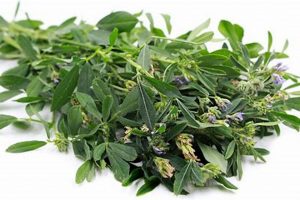
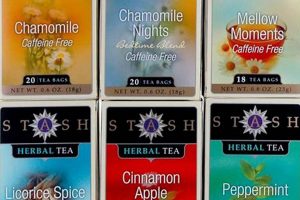
Botanical remedies represent a category of natural substances employed during the transitionary period leading to menopause. These plant-derived treatments are utilized with the intention of alleviating symptoms associated with hormonal fluctuations characteristic of this phase in a woman’s life. An example includes the use of black cohosh extracts to manage hot flashes.
The significance of these approaches lies in their potential to offer a gentler alternative for individuals seeking relief from discomforts like mood swings, sleep disturbances, and vasomotor symptoms. Historically, various cultures have incorporated plant-based solutions into their healthcare practices, recognizing their capacity to support physiological well-being during significant life stages. Their advantage often stems from a perceived lower incidence of side effects compared to conventional pharmaceutical interventions.
The subsequent discussion will delve into specific botanical options, their documented effects, safety considerations, and current research findings relevant to managing perimenopausal symptoms. Information is provided to help individuals make informed decisions regarding their health and wellness during this natural life transition.
Guidance on Botanical Approaches During the Perimenopausal Transition
The following provides practical guidance for individuals considering botanical support during perimenopause. Implementing these suggestions may contribute to a more informed and responsible approach.
Tip 1: Prioritize Consultation with a Healthcare Professional: Before initiating any botanical regimen, consult with a qualified healthcare provider. This ensures that chosen remedies are appropriate given individual health history, current medications, and existing medical conditions. Failure to do so may result in adverse interactions or contraindications.
Tip 2: Source Products from Reputable Suppliers: The quality and purity of botanical products can vary substantially. Select brands that adhere to Good Manufacturing Practices (GMP) and provide third-party testing results to verify product contents and the absence of contaminants.
Tip 3: Begin with Low Dosages: Initiate botanical treatments with a conservative dosage, gradually increasing as tolerated and as advised by a healthcare professional. This approach allows for the assessment of individual sensitivity and minimizes the potential for adverse effects.
Tip 4: Monitor for Side Effects: Maintain diligent observation for any adverse reactions following the introduction of new botanical substances. Common side effects can include gastrointestinal upset, skin irritation, or allergic responses. Discontinue use and seek medical attention if unexpected or severe symptoms manifest.
Tip 5: Consider Cycle Timing: Some botanical substances may interact with hormonal cycles. Discuss with a healthcare provider whether cycle phase should influence the timing or dosage of the botanical approach.
Tip 6: Be Aware of Potential Interactions: Inform healthcare providers about all botanical products being used, as they can interact with prescription medications, over-the-counter drugs, and other supplements. Such interactions may alter the efficacy or safety of the treatments.
Tip 7: Manage Expectations: Understand that botanical interventions may not provide immediate or complete symptom relief. Allow a sufficient trial period (e.g., several weeks to months) to assess their effectiveness, while maintaining realistic expectations about their potential benefits.
Adherence to these recommendations promotes a safe and informed approach to incorporating botanical remedies during perimenopause. Individual experiences may vary; therefore, personalized guidance from a healthcare professional is crucial.
The concluding sections of this resource will offer further insights into specific botanical options and resources for additional information.
1. Symptom Alleviation

The selection and application of botanicals during perimenopause frequently center on the desired effect of symptom alleviation. Discomforts such as vasomotor instability (hot flashes), sleep disturbances, mood alterations, and vaginal dryness drive many individuals to explore alternative treatment options, including plant-derived compounds. The perceived cause-and-effect relationship involves the ability of specific constituents within these botanicals to modulate hormonal activity or influence related physiological pathways, thus mitigating these unwanted manifestations of hormonal transition.
Symptom alleviation functions as a core component in the framework of perimenopausal botanical usage. For example, compounds like phytoestrogens, found in plants such as soy and red clover, are thought to exert mild estrogenic effects, potentially lessening hot flash frequency and intensity. Similarly, preparations containing valerian root or chamomile may be employed to promote relaxation and improve sleep quality. Practical significance lies in the potential for improving overall quality of life during a period often marked by significant physical and emotional challenges. Individuals frequently turn to botanical options when conventional hormone therapies are contraindicated or undesired.
In summary, the rationale for utilizing botanical approaches during perimenopause frequently stems from the intention to alleviate bothersome symptoms. While such remedies may offer benefits, it is imperative that these approaches are pursued under the guidance of a qualified healthcare professional, and with careful consideration of individual health profiles, potential interactions, and the current state of scientific evidence. The complexity of perimenopausal physiology necessitates a holistic and cautious approach to symptom management.
2. Hormonal Balance

Hormonal balance is a central consideration when exploring the potential role of botanical substances during perimenopause. The fluctuating levels of estrogen, progesterone, and other hormones are causative factors behind the range of symptoms experienced during this transitional phase. Botanical interventions are often proposed as a method to influence these hormonal shifts or to mitigate the effects of hormonal imbalance. The assumption is that certain compounds found in plants may exert estrogenic, progestogenic, or adaptogenic effects, thereby restoring a degree of equilibrium within the endocrine system. Black cohosh, for instance, has been investigated for its possible influence on luteinizing hormone, while phytoestrogens in soy may weakly mimic estrogen’s effects. The practical importance lies in the potential to reduce the severity and frequency of perimenopausal symptoms without resorting to conventional hormone therapies.
The modulation of hormonal pathways through botanical means requires careful consideration, given the intricate feedback mechanisms governing endocrine function. Adaptogenic herbs, such as ashwagandha and rhodiola, are suggested to support the hypothalamic-pituitary-adrenal (HPA) axis, which plays a crucial role in stress response and hormonal regulation. Examples of practical application include utilizing these adaptogens to manage anxiety and improve sleep quality during perimenopause. However, the precise mechanisms of action and the long-term effects of such interventions remain areas of ongoing research. The application of botanicals to achieve hormonal balance represents a nuanced approach, requiring a detailed understanding of both the plant’s constituents and the individual’s physiological state.
In conclusion, the pursuit of hormonal balance constitutes a core rationale for employing botanical substances during perimenopause. While the potential to modulate hormonal pathways and alleviate associated symptoms exists, challenges remain regarding standardization, dosage optimization, and the variability of individual responses. A holistic strategy, incorporating lifestyle modifications, nutritional support, and close collaboration with healthcare professionals, is essential to maximizing the benefits and minimizing the risks associated with these interventions.
3. Safety Profiles

The safety profile of any botanical substance intended for use during perimenopause represents a crucial consideration. The potential for adverse effects, drug interactions, and contraindications necessitates thorough evaluation prior to implementation. Individuals respond differently to botanical compounds, and factors such as pre-existing medical conditions, concomitant medications, and individual sensitivities can significantly impact the risk-benefit ratio. For instance, black cohosh, a common botanical used for managing hot flashes, carries potential risks of liver toxicity in certain individuals. The importance of understanding these safety profiles lies in minimizing harm and optimizing therapeutic outcomes when navigating the hormonal shifts of perimenopause. A real-life example involves a woman with a history of estrogen-sensitive breast cancer being advised against using phytoestrogen-rich herbs due to the theoretical risk of stimulating tumor growth. The practical significance of this understanding translates to the need for personalized risk assessment and informed decision-making in the selection and application of botanical remedies.
Further analysis reveals that standardization of botanical products presents a challenge in evaluating safety profiles. Variability in plant species, growing conditions, extraction methods, and manufacturing processes can lead to inconsistencies in the concentration and bioavailability of active compounds. This, in turn, affects the predictability of both therapeutic effects and adverse reactions. Moreover, interactions between different botanical substances, or between botanicals and conventional medications, remain largely understudied. Therefore, cautious application and diligent monitoring are essential. A practical application would involve starting with low doses of a single botanical and gradually increasing the dose only if tolerated, while carefully observing for any untoward symptoms.
In conclusion, establishing robust safety profiles for botanicals used during perimenopause constitutes a paramount aspect of responsible healthcare. This demands rigorous scientific investigation, stringent quality control measures, and personalized risk assessment. The challenges associated with standardization and the potential for interactions underscore the importance of ongoing research and collaborative decision-making between individuals and qualified healthcare professionals. Prioritizing safety ensures that botanical interventions are employed judiciously and contribute positively to the well-being of individuals navigating the perimenopausal transition.
4. Traditional Usage

Traditional usage forms a historical foundation upon which many contemporary applications of botanicals for perimenopausal symptom management are based. The accumulated experience of various cultures offers insights into plant-based remedies for addressing the physiological changes associated with this life stage. Investigating traditional usage provides context for understanding current practices and evaluating the potential efficacy of specific botanical interventions.
- Cross-Cultural Applications
Diverse cultures have independently identified and utilized plant species for managing perimenopausal symptoms. For example, Traditional Chinese Medicine (TCM) employs specific herbal formulas to address kidney yin deficiency, often associated with symptoms like hot flashes and night sweats. Similarly, Ayurvedic medicine incorporates herbs such as Shatavari for their purported hormone-balancing effects. This cross-cultural convergence suggests a potential underlying efficacy of certain botanical approaches.
- Empirical Evidence and Lineage
Traditional usage is often rooted in empirical observation passed down through generations. Herbalists and traditional healers have relied on centuries of experience to refine their understanding of plant properties and their application in addressing specific health concerns. While not equivalent to modern scientific evidence, this lineage of knowledge offers valuable clues for researchers investigating the active constituents and mechanisms of action of botanical remedies.
- Holistic Approach
Traditional systems of medicine typically view perimenopause within a broader context of overall health and well-being. Botanical interventions are often integrated with dietary modifications, lifestyle adjustments, and other holistic practices to address the underlying imbalances contributing to perimenopausal symptoms. This comprehensive approach contrasts with the often-targeted approach of conventional medicine and highlights the importance of considering the individual’s overall health when utilizing botanical remedies.
- Cautionary Considerations
It is critical to approach traditional usage with a degree of caution. Not all traditional practices have been validated by scientific research, and some may carry potential risks. Furthermore, the quality and potency of botanical products can vary widely, and traditional preparations may not adhere to modern safety standards. Therefore, it is essential to consult with qualified healthcare professionals and to source botanical products from reputable suppliers.
In conclusion, traditional usage provides a rich source of information regarding the application of botanicals for perimenopausal symptom management. The cross-cultural convergence of certain practices, the empirical evidence accumulated over generations, and the holistic approach inherent in traditional systems of medicine offer valuable perspectives for researchers and clinicians. However, the limitations and potential risks associated with traditional practices must be carefully considered, and evidence-based research should inform the application of botanical interventions.
5. Scientific Evidence

The integration of scientific evidence is paramount in evaluating the efficacy and safety of botanical interventions during perimenopause. Claims regarding symptom alleviation or hormonal modulation require substantiation through rigorous clinical trials and mechanistic studies. The absence of robust scientific data necessitates caution when considering botanical remedies, as anecdotal evidence or traditional use alone does not guarantee effectiveness or safety. For instance, while some preliminary studies suggest a potential benefit of black cohosh for hot flashes, conflicting results and methodological limitations underscore the need for further investigation. The practical significance of this understanding lies in enabling informed decision-making, protecting individuals from potentially ineffective or harmful treatments, and directing research efforts toward promising botanical candidates.
Further analysis of scientific evidence reveals several critical areas. Randomized controlled trials (RCTs) are essential for assessing the impact of botanical interventions on perimenopausal symptoms compared to placebo or conventional treatments. Meta-analyses and systematic reviews can synthesize findings from multiple studies, providing a more comprehensive evaluation of the available evidence. Examples of such analyses have examined the effectiveness of phytoestrogens for vasomotor symptoms, highlighting the variability in study outcomes and the need for standardized preparations. Additionally, research into the mechanisms of action of botanical compounds is crucial for understanding how they interact with physiological pathways. This knowledge informs dosage recommendations, identifies potential drug interactions, and guides the development of more targeted therapies.
In conclusion, scientific evidence serves as a cornerstone for evaluating the role of botanicals in managing perimenopausal symptoms. While traditional usage and anecdotal reports may provide initial insights, rigorous clinical trials and mechanistic studies are essential for confirming efficacy, establishing safety profiles, and optimizing therapeutic applications. Challenges remain in standardizing botanical preparations, conducting large-scale studies, and addressing potential biases. However, a commitment to evidence-based practices is paramount for ensuring that botanical interventions are used judiciously and contribute positively to the health and well-being of individuals navigating the perimenopausal transition.
Frequently Asked Questions
The following addresses common inquiries concerning the use of botanical remedies during the perimenopausal transition. These responses aim to provide clarity and inform responsible decision-making.
Question 1: Are botanical treatments a substitute for hormone replacement therapy (HRT)?
Botanical treatments are not inherently a substitute for HRT. HRT involves the administration of synthetic hormones to directly address hormonal deficiencies. Botanical options, on the other hand, may offer milder support and are often chosen for those who prefer a more natural approach or have contraindications for HRT. A healthcare professional should be consulted to determine the most appropriate treatment strategy.
Question 2: How long does it typically take to experience the benefits of botanical remedies?
The timeframe for experiencing noticeable benefits from botanical interventions varies. Individual responses differ, and the specific botanical utilized also plays a role. Some individuals may experience relief within a few weeks, while others may require several months of consistent use. Patience and diligent monitoring are essential, and sustained use should be discussed with a healthcare provider.
Question 3: Is it safe to combine multiple botanical substances for perimenopausal symptoms?
Combining multiple botanical substances concurrently introduces the potential for interactions, both positive and negative. Due to the complexities of herbal pharmacology, it is generally advisable to avoid self-prescribing multiple botanicals. A healthcare professional can assess individual needs and guide the selection and combination of appropriate remedies while minimizing potential risks.
Question 4: Are all botanical products regulated to ensure quality and safety?
The regulation of botanical products varies across different regions. In some countries, botanical substances are subject to rigorous quality control measures, while in others, oversight is less stringent. Consumers are advised to select products from reputable manufacturers that adhere to Good Manufacturing Practices (GMP) and provide third-party testing results to verify product quality and purity.
Question 5: Can botanical treatments completely eliminate perimenopausal symptoms?
Botanical treatments may help to alleviate perimenopausal symptoms, but they are unlikely to eliminate them entirely. Perimenopause is a complex physiological process influenced by multiple factors. Botanical interventions can be part of a comprehensive approach that also includes lifestyle modifications, stress management, and nutritional support.
Question 6: What are the potential long-term effects of using botanical remedies during perimenopause?
The long-term effects of using botanical remedies during perimenopause remain an area of ongoing research. While some botanical substances have a long history of traditional use, comprehensive data on their sustained impact is often limited. Long-term use should be discussed with a healthcare professional who can monitor individual health and assess the risk-benefit profile.
Botanical remedies offer a potential avenue for managing perimenopausal symptoms, but they are not without limitations and potential risks. A cautious and informed approach, guided by professional medical advice, is paramount.
The subsequent section will provide resources for further exploration of this topic.
Conclusion
This exploration of perimenopause herbal interventions has underscored several critical facets. The potential for symptom alleviation, the emphasis on hormonal balance, the paramount importance of safety profiles, the historical context of traditional usage, and the necessity of scientific evidence have all been examined. These elements represent essential considerations for individuals navigating the perimenopausal transition and seeking alternative or complementary treatment options.
The responsible application of botanical remedies requires ongoing diligence and critical evaluation. Further research is imperative to refine our understanding of these complex interactions, establish robust safety guidelines, and personalize treatment strategies. A collaborative approach between individuals and qualified healthcare professionals remains the cornerstone of informed decision-making and the pursuit of optimal well-being during this significant life stage.