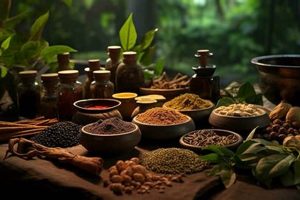
Approaches employing botanical substances to address the chronic, progressive liver disease characterized by fibrosis and distortion of the liver’s structure are gaining increased attention. These methods often involve plants known for their purported anti-inflammatory, antioxidant, and hepatoprotective properties. Historically, various cultures have utilized plant-based remedies in attempts to manage liver ailments.
The appeal lies in the potential for fewer side effects compared to conventional pharmaceutical interventions and the accessibility of natural resources in certain regions. Some proponents suggest such methods may aid in slowing disease progression, reducing inflammation, and supporting liver regeneration. The documented historical use offers a compelling, if not conclusive, basis for further research into their efficacy.
The following sections will delve into specific botanical agents that have been studied for their impact on cirrhotic liver conditions, examining the existing scientific evidence and highlighting areas where further investigation is warranted to validate their potential therapeutic benefits. The discussion will encompass both traditional applications and modern research findings, providing a balanced perspective on the role of botanical interventions in managing this complex disease.
Important Considerations Regarding Botanical Interventions for Cirrhosis
The following information outlines critical aspects to consider when exploring the use of botanical substances in the management of cirrhotic liver disease. This information is for informational purposes only and does not constitute medical advice.
Tip 1: Consultation with a Qualified Healthcare Professional: Prior to initiating any regimen involving botanical substances, a thorough consultation with a physician specializing in liver diseases (hepatologist) or a qualified healthcare provider is essential. This ensures appropriate diagnosis, monitoring of liver function, and assessment of potential interactions with existing medications.
Tip 2: Awareness of Potential Interactions: Botanical compounds can interact with conventional pharmaceuticals, altering their efficacy or increasing the risk of adverse effects. Detailed disclosure of all herbal supplements to the healthcare provider is imperative to avoid harmful drug interactions.
Tip 3: Standardization and Quality Control: The potency and purity of botanical products can vary significantly. Selecting standardized extracts from reputable manufacturers who adhere to stringent quality control standards is crucial to ensure consistent dosing and minimize the risk of contamination.
Tip 4: Understanding of Limited Evidence: While some botanical agents show promise in preclinical and early clinical studies, robust scientific evidence supporting their efficacy in treating cirrhosis remains limited. Patients should maintain realistic expectations and understand that botanical interventions are often considered complementary rather than primary therapies.
Tip 5: Monitoring Liver Function: Regular monitoring of liver function tests (LFTs) is necessary to assess the impact of botanical interventions on liver health. Any significant changes in LFTs should be promptly reported to the healthcare provider.
Tip 6: Avoiding Hepatotoxic Substances: It is crucial to avoid any substances known to be toxic to the liver, including alcohol, certain medications, and unregulated herbal products. A healthy lifestyle, including a balanced diet and avoidance of known liver toxins, is essential for managing cirrhosis.
Tip 7: Adherence to Conventional Medical Treatment: Botanical interventions should not replace conventional medical treatment for cirrhosis. Adherence to prescribed medications and lifestyle recommendations from the healthcare provider is paramount for managing the disease effectively.
These considerations highlight the importance of a cautious and informed approach to employing botanical agents in the management of cirrhosis. Collaboration with a qualified healthcare provider is crucial to ensure patient safety and optimize treatment outcomes.
The following sections will provide additional perspectives on the integration of botanical interventions within a comprehensive cirrhosis management strategy.
1. Hepatoprotective Potential

Hepatoprotective potential, the ability of a substance to shield the liver from damage, forms a cornerstone in evaluating the viability of botanical interventions for liver cirrhosis. Liver cirrhosis, characterized by progressive fibrosis and hepatocellular damage, necessitates therapeutic strategies aimed at mitigating further injury. Botanical agents exhibiting demonstrable hepatoprotective effects are therefore of particular interest. The connection between hepatoprotective potential and botanical interventions lies in the expectation that such agents can reduce inflammation, scavenge free radicals, stabilize cell membranes, and ultimately, slow the progression of fibrosis. Silymarin, derived from milk thistle (Silybum marianum), exemplifies this connection. Studies suggest silymarin exerts hepatoprotective effects through antioxidant and anti-inflammatory mechanisms, potentially shielding hepatocytes from oxidative stress and inflammatory damage, which are key drivers of cirrhosis.
The importance of hepatoprotective potential as a component of botanical-based approaches stems from the multifaceted nature of cirrhotic liver damage. Effective interventions must address not only the underlying cause of the liver disease (e.g., viral hepatitis, alcohol abuse) but also the consequential hepatocellular injury and fibrotic processes. Botanicals with hepatoprotective properties offer a mechanism to directly target the latter. For instance, glycyrrhizin, a compound found in licorice root, has shown promise in mitigating liver inflammation and fibrosis in certain preclinical models. However, the practical significance of these findings necessitates rigorous clinical validation. While preclinical studies may demonstrate promising hepatoprotective effects, clinical trials are essential to confirm efficacy and safety in human subjects with liver cirrhosis.
In conclusion, the assessment of hepatoprotective potential is crucial in evaluating the utility of botanical agents for liver cirrhosis. While certain herbs exhibit promising hepatoprotective properties, definitive conclusions require well-designed clinical trials. The integration of botanical interventions into a comprehensive cirrhosis management strategy must be guided by evidence-based principles, acknowledging the limitations of current data and prioritizing patient safety. Furthermore, the challenges associated with standardization, quality control, and potential drug interactions necessitate careful monitoring and oversight by qualified healthcare professionals to ensure botanical applications are optimized for individual patient needs.
2. Safety Profiles

The assessment of safety profiles represents a critical juncture in evaluating the potential of botanical interventions for liver cirrhosis. Given the compromised state of the cirrhotic liver, meticulous consideration must be given to potential adverse effects and interactions associated with herbal remedies. A nuanced understanding of these profiles is essential to ensure that botanical applications do not exacerbate existing liver damage or interfere with conventional medical treatments.
- Potential for Hepatotoxicity
Some botanical substances, despite purported therapeutic benefits, may possess inherent hepatotoxic properties. These properties can lead to further liver damage, negating any potential benefits. Pyrrolizidine alkaloids, found in certain plants, are a prime example of botanicals known to cause liver injury. It is imperative to thoroughly research the hepatotoxic potential of any herbal remedy before its use in individuals with liver cirrhosis.
- Drug Interactions
Botanical compounds can interact with conventional medications, altering their efficacy or increasing the risk of adverse effects. For instance, St. John’s Wort (Hypericum perforatum) is known to induce cytochrome P450 enzymes, potentially reducing the effectiveness of immunosuppressants and other medications commonly prescribed for managing complications of cirrhosis. Understanding and predicting these interactions is crucial to avoid compromising patient care.
- Quality Control and Adulteration
The absence of stringent quality control measures in the herbal supplement industry poses a significant safety risk. Adulteration with heavy metals, pesticides, or other contaminants can lead to liver toxicity or other adverse health effects. Independent testing and certification from reputable organizations are vital to ensure the purity and safety of herbal products.
- Individual Variability and Allergic Reactions
Individual responses to botanical substances can vary widely due to genetic factors, pre-existing medical conditions, and other variables. Allergic reactions, although less common, can occur with any herbal remedy. It is essential to start with low doses and monitor for any signs of adverse reactions, particularly in individuals with a history of allergies or sensitivities.
The integration of botanical interventions into the management of liver cirrhosis necessitates a cautious and evidence-based approach. Thorough assessment of safety profiles, including potential hepatotoxicity, drug interactions, and quality control issues, is paramount. Healthcare professionals must diligently evaluate individual patient characteristics and monitor for adverse effects to ensure that botanical applications are safe and beneficial. The absence of rigorous scientific evidence supporting the safety and efficacy of many herbal remedies underscores the importance of prioritizing conventional medical treatments and employing botanical interventions as complementary modalities under strict medical supervision.
3. Standardized Extracts

The reliable application of botanical substances in addressing liver cirrhosis is significantly contingent on the utilization of standardized extracts. These extracts represent a refined form of herbal preparations, designed to ensure consistency and predictability in their therapeutic effects. This consistency is particularly crucial in the context of a complex and potentially life-threatening condition like liver cirrhosis.
- Consistent Potency
Standardization ensures that each dose of an herbal extract contains a pre-defined and consistent amount of the active constituent(s) believed to be responsible for its therapeutic effects. For instance, a standardized milk thistle extract guarantees a specific percentage of silymarin, the compound attributed to its hepatoprotective properties. This consistency mitigates the variability inherent in whole herb preparations, where the concentration of active compounds can fluctuate due to factors such as growing conditions, harvesting techniques, and processing methods. In herbal treatment for liver cirrhosis, this consistent potency allows for more accurate dosing and a greater likelihood of achieving the desired therapeutic outcome.
- Improved Quality Control
The standardization process mandates rigorous quality control measures throughout the manufacturing process. These measures include testing for identity, purity, and potency, ensuring that the final product is free from contaminants and adulterants. This is especially important given the potential for herbal products to be contaminated with heavy metals, pesticides, or other harmful substances. For individuals with compromised liver function, such contaminants can pose a significant risk. Standardized extracts, therefore, offer a greater degree of safety and reliability.
- Enhanced Bioavailability
In some cases, standardization may involve processes that enhance the bioavailability of the active constituents, improving their absorption and utilization by the body. This can be achieved through techniques such as encapsulation or complexation, which protect the active compounds from degradation in the digestive tract and facilitate their passage across cell membranes. Improved bioavailability can translate to a more pronounced therapeutic effect at a given dose, potentially reducing the risk of side effects associated with higher doses. The enhanced bioavailability offered by some standardized extracts makes them more effective than non-standardized preparations in herbal treatment for liver cirrhosis.
- Facilitated Research and Clinical Application
Standardized extracts are essential for conducting rigorous research on the efficacy and safety of herbal treatments. By using standardized extracts, researchers can ensure that they are testing a consistent product, allowing for more reliable and reproducible results. This is crucial for building a solid evidence base for the use of herbal treatments in liver cirrhosis. Furthermore, the use of standardized extracts facilitates clinical application by providing healthcare professionals with a product that they can confidently prescribe, knowing that each dose will deliver a consistent amount of the active constituent(s). This predictability is essential for optimizing treatment outcomes and minimizing the risk of adverse events.
The utilization of standardized extracts represents a critical step towards ensuring the responsible and effective application of botanical substances in addressing liver cirrhosis. By providing consistent potency, improved quality control, enhanced bioavailability, and facilitating research and clinical application, standardized extracts offer a more reliable and predictable approach to herbal treatment for liver cirrhosis. However, it is crucial to recognize that standardization alone does not guarantee efficacy or safety. Rigorous clinical trials are still needed to evaluate the true potential of standardized herbal extracts in the management of this complex condition.
4. Integrative Approach

An integrative approach to liver cirrhosis management acknowledges the potential role of botanical interventions alongside conventional medical treatments. This strategy, rather than promoting herbal remedies as standalone cures, emphasizes their judicious inclusion within a comprehensive care plan. The causal connection stems from the multifaceted nature of liver cirrhosis, where conventional therapies often address disease progression but may not fully alleviate symptoms or address underlying inflammation. In this context, certain herbal treatments, supported by preliminary evidence, may offer complementary benefits, such as antioxidant or anti-inflammatory effects, potentially improving patient well-being and potentially slowing disease progression.
The importance of an integrative approach lies in its patient-centered focus, prioritizing individualized treatment plans based on thorough assessments and evidence-informed decisions. Real-life examples illustrate this concept: A patient undergoing antiviral therapy for hepatitis C-related cirrhosis might incorporate milk thistle (Silybum marianum) under medical supervision, aiming to support liver function and reduce inflammation. Another patient with alcohol-induced cirrhosis might utilize licorice root extract (Glycyrrhiza glabra) cautiously, with monitoring for blood pressure elevations, to potentially mitigate liver injury and inflammation. These examples underscore the need for careful consideration, highlighting that “herbal treatment for liver cirrhosis” should never replace proven medical interventions, but rather augment them under expert guidance.
Understanding the practical significance of an integrative approach necessitates acknowledging both its potential benefits and inherent limitations. Challenges include the lack of robust clinical trials for many herbal remedies, the potential for herb-drug interactions, and the variability in product quality. In light of these challenges, the integrative approach emphasizes transparent communication between patients and healthcare providers, incorporating evidence-based herbal treatments cautiously, and monitoring outcomes diligently. The goal is to optimize patient care by harnessing the potential of both conventional medicine and select botanical interventions, while simultaneously mitigating risks and ensuring patient safety. Ultimately, this coordinated strategy aims to improve the quality of life and potentially influence the long-term trajectory of liver cirrhosis.
5. Regular Monitoring
The administration of botanical substances in managing liver cirrhosis necessitates diligent and consistent surveillance of liver function. The justification for regular monitoring arises from the potential for both therapeutic benefits and adverse effects associated with herbal interventions. A direct causal relationship exists: the administration of a botanical substance can alter liver function, either positively or negatively, and regular monitoring serves to detect these alterations promptly. This surveillance encompasses a suite of diagnostic tests, including but not limited to serum aminotransferases (ALT and AST), bilirubin levels, alkaline phosphatase, albumin, prothrombin time/INR, and complete blood counts. The specific frequency of monitoring is dictated by factors such as the severity of the cirrhosis, the specific botanical being used, and the presence of concomitant medical conditions.
The importance of regular monitoring as an integral component of herbal management stems from the need to assess efficacy and detect potential hepatotoxicity. For example, if an individual is utilizing silymarin (milk thistle extract) with the intent of reducing liver inflammation, serial monitoring of ALT and AST levels provides objective data to determine if the botanical is achieving the desired effect. Conversely, if liver enzyme levels unexpectedly elevate during herbal use, this prompts immediate investigation to rule out drug-induced liver injury. Real-life scenarios underscore the necessity of this vigilance. A patient with cirrhosis related to non-alcoholic steatohepatitis (NASH) may experience worsening hyperbilirubinemia during the use of a poorly regulated herbal supplement, necessitating its immediate discontinuation and prompt medical intervention. Similarly, another patient may experience improvements in liver enzyme levels with careful, medically supervised use of a botanical agent, which would be detectable through routine monitoring.
In summary, regular monitoring constitutes an indispensable facet of botanical-based strategies for managing liver cirrhosis. It provides essential data to evaluate efficacy, identify potential adverse effects, and guide treatment adjustments. While certain botanicals may offer potential benefits, these benefits must be carefully weighed against the risks. The challenges inherent in herbal medicine, such as variations in product quality and potential for drug interactions, further underscore the importance of rigorous surveillance. Ultimately, the integration of botanical interventions into a comprehensive cirrhosis management plan requires a collaborative approach involving patients, physicians, and other healthcare professionals, with regular monitoring serving as the cornerstone of safe and effective care.
Frequently Asked Questions Regarding Botanical Interventions for Liver Cirrhosis
The following questions and answers address common concerns and misconceptions surrounding the use of botanical treatments in managing liver cirrhosis. These responses are intended to provide factual information and should not be interpreted as medical advice.
Question 1: Are herbal treatments a cure for liver cirrhosis?
Herbal treatments are not a recognized cure for liver cirrhosis. The condition is characterized by irreversible scarring of the liver, and while some botanical substances may offer supportive or symptomatic relief, they cannot reverse the underlying fibrosis.
Question 2: Are herbal remedies safe for individuals with cirrhosis?
The safety of herbal remedies for individuals with cirrhosis is not universally established. The compromised state of the liver may increase susceptibility to hepatotoxicity or drug interactions. Rigorous safety evaluations are often lacking for many herbal products, necessitating caution.
Question 3: Can herbal supplements replace conventional medical treatment for cirrhosis?
Herbal supplements should not replace conventional medical treatment for cirrhosis. Standard medical care, including lifestyle modifications, antiviral therapies (for viral hepatitis), and medications to manage complications, remains the cornerstone of cirrhosis management.
Question 4: What is the role of standardization in herbal treatments for cirrhosis?
Standardization is crucial for ensuring consistency in the potency and quality of herbal extracts. Standardized extracts contain a defined amount of active compounds, reducing variability and improving predictability of effects. However, standardization alone does not guarantee efficacy or safety.
Question 5: How should potential herb-drug interactions be addressed in patients with cirrhosis?
Potential herb-drug interactions should be carefully evaluated by a qualified healthcare professional. Botanical substances can interact with conventional medications, altering their efficacy or increasing the risk of adverse effects. A comprehensive review of all medications and supplements is essential.
Question 6: What steps should be taken before using herbal treatments for cirrhosis?
Prior to initiating any herbal treatment for cirrhosis, consultation with a hepatologist or qualified healthcare provider is mandatory. This ensures appropriate diagnosis, monitoring of liver function, assessment of potential risks and interactions, and integration of herbal treatments within a comprehensive care plan.
In summary, while some botanical substances may offer potential benefits in managing symptoms or supporting liver function, it is crucial to approach “herbal treatment for liver cirrhosis” with caution, prioritize conventional medical care, and seek guidance from a qualified healthcare professional.
The subsequent section will address specific botanical agents that have been studied for their impact on cirrhotic liver conditions.
Conclusion
The preceding discussion has explored the multifaceted considerations surrounding the use of botanical substances in the context of liver cirrhosis. The analysis has encompassed the potential hepatoprotective properties of select herbs, the critical importance of safety profile assessments, the role of standardized extracts in ensuring consistency, the benefits of an integrative approach combining conventional and botanical interventions, and the necessity of regular monitoring to detect both efficacy and adverse effects. These elements collectively underscore the complexities involved in evaluating the suitability of “herbal treatment for liver cirrhosis.”
Given the irreversible nature of cirrhotic liver damage and the limitations in current scientific evidence, a cautious and informed approach is paramount. The potential benefits of botanical interventions must be rigorously weighed against the risks, and their integration into a comprehensive management strategy should always be guided by a qualified healthcare professional. Further research is essential to elucidate the true therapeutic potential and long-term safety of specific herbal remedies in the management of this challenging condition. A commitment to evidence-based practices and patient safety remains the ethical imperative in this evolving field.