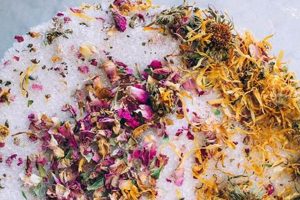
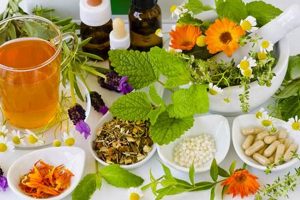
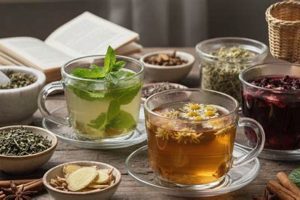
A variety of dried herbs, flowers, fruits, and spices, prepared as infusions or decoctions for consumption, represents a significant category within the beverage market. These plant-derived concoctions offer alternatives to traditional caffeinated drinks and are often sought for their purported health-promoting properties. The availability of these products extends across diverse retail channels, encompassing specialty shops, supermarkets, and online platforms.
The consumption of these botanical beverages dates back millennia, with various cultures utilizing them for medicinal and ceremonial purposes. Contemporary interest is driven by perceived wellness benefits, including relaxation, digestive support, and antioxidant properties. Furthermore, the diverse range of flavors and aromas contributes to their widespread appeal, offering a customizable and sensory experience.
The following sections will delve into the composition, sourcing, and regulatory considerations surrounding the procurement and distribution of these products, examining the factors that influence consumer choice and market trends.
Guidance for Acquiring Herbal Infusions
The procurement of quality herbal infusions requires careful consideration. Several factors influence the final product’s quality and efficacy, including sourcing, processing, and storage. Diligence in these areas ensures a satisfactory consumer experience.
Tip 1: Prioritize Reputable Suppliers: Establish relationships with suppliers known for ethical sourcing and rigorous quality control. Certifications from recognized organizations can indicate adherence to specific standards.
Tip 2: Examine Ingredient Lists: Scrutinize ingredient lists to verify the presence of desired herbs and the absence of unwanted additives or artificial flavorings. Opt for products with clearly labeled botanical names.
Tip 3: Assess Packaging and Storage: Choose products packaged in airtight, opaque containers to protect ingredients from light and moisture, which can degrade their quality. Consider proper storage conditions post-purchase to maintain freshness.
Tip 4: Research Potential Interactions: Before consumption, research potential interactions between specific herbs and existing medications or health conditions. Consultation with a qualified healthcare professional is recommended in cases of uncertainty.
Tip 5: Evaluate Processing Methods: Understand the processing methods employed, such as drying and extraction techniques. Methods that minimize heat exposure are generally preferred to preserve volatile oils and beneficial compounds.
Tip 6: Inquire About Origin and Harvest: Whenever possible, seek information regarding the geographic origin and harvest practices of the herbs. Sustainable and ethical harvesting methods contribute to environmental responsibility.
Tip 7: Consider Organic Certifications: Opt for organically certified products when available to minimize exposure to pesticides and herbicides. Organic certification ensures adherence to stringent agricultural practices.
Adhering to these guidelines enhances the likelihood of obtaining high-quality herbal infusions that align with specific needs and preferences, contributing to a more informed and satisfying purchasing decision.
These tips represent critical considerations. The subsequent sections will explore the regulatory framework governing the sale of these products and address common consumer concerns.
1. Botanical Authenticity

Botanical authenticity constitutes a cornerstone in the responsible procurement and distribution of herbal infusions. Accurate identification of plant species used in these products is essential for ensuring consumer safety and efficacy. Misidentification or adulteration can have significant ramifications.
- Species Verification
Correct species identification is paramount. Different plant species, even within the same genus, may possess vastly different chemical compositions and pharmacological properties. Utilizing DNA barcoding and microscopic analysis aids in confirming the botanical origin of the raw materials. Incorrect identification poses risks of inefficacy or adverse reactions.
- Adulteration Detection
Adulteration involves the intentional or unintentional substitution of genuine plant material with inferior or unrelated substances. This practice compromises product quality and can introduce harmful contaminants. Analytical techniques, such as chromatography and spectroscopy, are employed to detect adulterants and ensure product purity.
- Geographic Origin
The geographic origin of herbal ingredients can influence their chemical profile and therapeutic potential. Environmental factors, such as soil composition and climate, affect the concentration of active compounds. Traceability systems are crucial for documenting the origin and ensuring consistent product quality. Some regions might have specific regulations or certifications.
- Chemotypic Variation
Within a single plant species, variations in chemical composition, known as chemotypes, can exist. These variations arise due to genetic differences and environmental influences. Understanding chemotypic variation is essential for standardizing herbal extracts and ensuring consistent therapeutic effects. Analytical testing is necessary to characterize the chemotype of the raw material.
The adherence to rigorous botanical authentication protocols is integral to maintaining consumer trust and ensuring the safety and efficacy of the products. Failure to address these aspects compromises the integrity of the market and poses significant risks to public health. This directly impacts the perceived value and long-term viability of the product.
2. Ethical Sourcing

Ethical sourcing represents a critical component within the context of herbal infusions. It encompasses the responsible management of the supply chain, ensuring fair labor practices, environmental sustainability, and community well-being throughout the production process. The connection between ethical sourcing and these beverages is one of direct cause and effect: unsustainable or exploitative practices negatively impact both the environment and the communities involved, undermining the long-term viability of the market. The absence of ethical considerations can lead to deforestation, soil degradation, and the exploitation of workers in harvesting regions. For example, the unsustainable harvesting of wild-grown herbs can deplete natural resources, disrupting ecosystems and threatening biodiversity. Similarly, the use of child labor or the payment of unfairly low wages to farmers can perpetuate poverty and social injustice.
The practical significance of understanding ethical sourcing lies in its ability to empower consumers to make informed choices. By supporting companies that prioritize ethical practices, consumers can contribute to positive social and environmental outcomes. This, in turn, creates a demand for ethically sourced ingredients, incentivizing producers to adopt more responsible practices. Certification programs, such as Fair Trade and organic certifications, provide verifiable assurance of ethical sourcing practices. These certifications guarantee that specific standards have been met, ensuring fair prices for farmers, safe working conditions, and environmentally sustainable agricultural practices. Businesses prioritizing ethical sourcing often invest in community development projects, supporting education, healthcare, and infrastructure in harvesting regions.
In conclusion, ethical sourcing is not merely an optional add-on but an essential element in a responsible and sustainable beverage industry. Its integration addresses crucial social and environmental concerns, safeguarding the well-being of both people and the planet. Challenges remain in tracing complex supply chains and ensuring consistent adherence to ethical standards. However, increased consumer awareness and industry accountability will continue to drive progress towards a more ethical and sustainable future. The long-term success of the market relies on prioritizing fair and sustainable practices throughout the entire value chain.
3. Safety Regulations

Safety regulations are intrinsically linked to the distribution and consumption of herbal infusions. These regulations, enacted by governmental bodies and industry organizations, aim to protect consumers from potential health risks associated with the consumption of improperly sourced, processed, or labeled herbal products. The absence of stringent safety regulations can result in the presence of contaminants, such as heavy metals, pesticides, or harmful microorganisms, posing significant health hazards. For example, instances of herbal products contaminated with lead or arsenic have led to recalls and consumer health alerts, highlighting the critical need for comprehensive safety measures. Regulations address various aspects, including ingredient sourcing, manufacturing processes, labeling requirements, and post-market surveillance.
Stringent regulations are crucial to ensure that herbal products are free from contaminants and accurately labeled with information regarding ingredients, potential allergens, and recommended usage. These regulations also mandate adherence to good manufacturing practices (GMP), which dictate the conditions under which herbal products are produced to minimize the risk of contamination and ensure product consistency. Furthermore, safety regulations often require companies to conduct testing for the presence of harmful substances and to provide evidence of product safety and efficacy. The practical significance of understanding these regulations lies in enabling consumers to make informed choices and to distinguish between products that have undergone rigorous safety testing and those that have not. Knowledge of the regulatory framework empowers consumers to select products that are more likely to be safe and effective.
In conclusion, safety regulations play a vital role in safeguarding consumer health and ensuring the quality of herbal infusions. The enforcement of these regulations requires collaboration between governmental agencies, industry stakeholders, and consumers. Challenges remain in harmonizing regulations across different jurisdictions and in addressing the growing market for unregulated herbal products sold online. However, continued vigilance and adherence to safety standards are essential for maintaining consumer trust and ensuring the long-term sustainability of the herbal products market. Without robust regulatory oversight, the potential for adverse health effects and the erosion of consumer confidence increase significantly.
4. Consumer Education

Consumer education regarding herbal infusions is paramount for ensuring informed purchasing decisions and mitigating potential health risks. The complex nature of herbal products, coupled with varying levels of scientific evidence supporting their efficacy, necessitates a proactive approach to educating consumers about the benefits, risks, and appropriate usage of these beverages.
- Ingredient Awareness
A fundamental aspect of consumer education is fostering awareness of the specific ingredients present in herbal infusions. Consumers should be informed about the botanical names of the herbs, their traditional uses, and any known contraindications or potential interactions with medications. For instance, an individual taking blood thinners should be aware of the potential blood-thinning effects of certain herbs, such as ginger or ginkgo biloba. Providing clear and accurate ingredient information empowers consumers to make informed choices based on their individual health needs and circumstances.
- Quality and Sourcing
Consumer education should also address the importance of quality and sourcing when selecting herbal infusions. Factors such as organic certification, sustainable harvesting practices, and reputable suppliers can significantly impact the quality and safety of the final product. Consumers should be educated on how to identify products that have undergone rigorous quality control measures and that are sourced from environmentally responsible and ethically sound suppliers. For example, understanding the difference between wild-harvested and cultivated herbs can influence purchasing decisions based on environmental concerns.
- Dosage and Preparation
Proper dosage and preparation methods are critical for maximizing the benefits and minimizing the risks associated with herbal infusions. Consumers should be educated on the recommended dosage for specific herbs, as well as the optimal brewing time and temperature to extract the desired compounds. Overconsumption or improper preparation can lead to adverse effects. Providing clear instructions on product packaging and online resources ensures that consumers are well-informed about how to safely and effectively use herbal infusions. An example of this is that the brewing time for green tea must be exact, whereas herbal teas allow more freedom.
- Potential Risks and Interactions
Consumer education must include comprehensive information about the potential risks and interactions associated with herbal infusions. Certain herbs can interact with medications, exacerbate existing health conditions, or cause allergic reactions. Consumers should be advised to consult with a healthcare professional before using herbal infusions, especially if they have pre-existing medical conditions or are taking prescription medications. Providing clear warnings and disclaimers on product packaging helps to protect consumers from potential harm.
The effective implementation of consumer education initiatives, including clear labeling, informative websites, and educational campaigns, is essential for promoting the responsible consumption of herbal infusions. By empowering consumers with knowledge, the market can reduce the risks associated with herbal products and enhance the overall perception and trust in these products.
5. Market Trends
Market trends exert a significant influence on the availability, variety, and consumer perception of herbal infusions. Shifts in consumer preferences, driven by factors such as health consciousness, ethical considerations, and evolving taste preferences, directly impact the demand for specific herbal ingredients and product formats. The increasing consumer interest in wellness and self-care has fueled a surge in demand for herbal infusions marketed for their perceived health benefits, such as relaxation, stress reduction, and immune support. This heightened demand has prompted manufacturers to introduce a wider range of products containing ingredients such as chamomile, lavender, and echinacea. For example, the growing popularity of adaptogenic herbs, such as ashwagandha and rhodiola, has led to the proliferation of herbal infusions formulated to enhance stress resilience and cognitive function. A further example of market trends impacting herbal products is the demand for sustainable practices, with organic and fair trade ingredients that are becoming increasingly important considerations for consumers.
The practical significance of understanding market trends lies in its ability to inform strategic decision-making across the herbal tea value chain. Manufacturers, retailers, and suppliers who closely monitor market trends can anticipate shifts in consumer demand, adapt their product offerings, and optimize their marketing strategies. For example, retailers can leverage market trend data to curate their product assortments, stocking shelves with herbal infusions that align with current consumer preferences. Manufacturers can use market trend insights to develop new product formulations, packaging formats, and marketing campaigns that resonate with target consumers. Suppliers can benefit from understanding market trends by focusing on the cultivation and sourcing of herbal ingredients that are in high demand. E-commerce also plays a significant role, allowing brands to reach a broader customer base and tailor product offerings based on real-time consumer data.
In conclusion, market trends serve as a critical driver of innovation and growth within the herbal infusions market. Monitoring these trends enables businesses to adapt to evolving consumer preferences, develop competitive advantages, and ensure the long-term sustainability of their operations. The market responds in direct correlation with consumer demand. The integration of market trend analysis into strategic planning is essential for navigating the dynamic landscape of the herbal beverage industry and capitalizing on emerging opportunities. Challenges include the need for accurate and timely data, as well as the ability to interpret and apply market insights effectively.
6. Varietal Diversity

Varietal diversity constitutes a fundamental aspect of the herbal infusion market, directly influencing consumer choice and market dynamics. The availability of a wide range of herbal ingredients, each possessing unique flavor profiles, purported health benefits, and cultural associations, drives consumer interest and supports market growth. This diversity is not merely a matter of taste; it reflects the rich botanical resources available globally and the diverse traditional uses of these plants. The cause and effect relationship is evident: greater varietal diversity leads to increased consumer engagement, driving demand and stimulating innovation in product development. The absence of diversity would severely limit consumer options, hindering market expansion. Examples abound: Chamomile, known for its calming properties, contrasts sharply with the invigorating nature of peppermint. Similarly, the earthy notes of rooibos offer a distinct experience compared to the floral aroma of hibiscus. This variety caters to a wide spectrum of preferences and perceived wellness needs.
The importance of varietal diversity as a component of the herbal infusion market is underscored by its impact on product differentiation and market segmentation. Manufacturers leverage unique herbal blends and innovative flavor combinations to create niche products that appeal to specific consumer segments. For instance, infusions targeting sleep support often incorporate valerian root and lavender, while those aimed at boosting immunity may feature elderberry and echinacea. This targeted approach allows businesses to tailor their offerings to meet the specific needs and preferences of diverse consumer groups, enhancing brand loyalty and driving sales. Furthermore, varietal diversity facilitates the exploration of novel ingredients and traditional formulations, driving innovation and expanding the market’s boundaries. The growing interest in traditional Chinese and Ayurvedic herbs has led to the introduction of new and unique infusions, further enriching the consumer experience.
In conclusion, varietal diversity is not just a desirable feature but a critical driver of success in the herbal infusion market. It fuels consumer interest, supports product differentiation, and stimulates innovation. Challenges remain in ensuring the quality, safety, and sustainable sourcing of diverse herbal ingredients. However, continued investment in research, education, and responsible sourcing practices will unlock the full potential of varietal diversity, fostering a thriving and sustainable market that benefits both consumers and the environment. Without varietal diversity, the herbal tea segment would be reduced to a simplistic market.
Frequently Asked Questions Regarding Herbal Tea Acquisitions
The following questions and answers address common inquiries concerning the purchase and consumption of herbal infusions. It is intended to provide clarity and guidance for consumers seeking to make informed decisions.
Question 1: What are the primary factors influencing the quality of herbal teas available for acquisition?
Key factors include the source of the herbs, cultivation methods, processing techniques, and storage conditions. Herbs sourced from reputable suppliers who employ sustainable harvesting practices and adhere to stringent quality control measures generally yield superior products. Organic certifications and adherence to Good Manufacturing Practices (GMP) are also indicators of quality.
Question 2: How can one ascertain the authenticity of herbal ingredients listed on product labels?
Botanical authentication often involves the use of scientific methods, such as microscopy and DNA barcoding, to verify the species of the herbs. Reputable manufacturers typically conduct these tests and may provide certificates of analysis upon request. Consumers can also look for certifications from independent organizations that specialize in verifying the authenticity of herbal ingredients.
Question 3: What are the potential health risks associated with consuming herbal teas, and how can these risks be mitigated?
Potential health risks include allergic reactions, interactions with medications, and contamination with heavy metals or pesticides. These risks can be mitigated by selecting products from reputable suppliers, carefully reviewing ingredient lists, and consulting with a healthcare professional before consuming herbal teas, particularly if one has pre-existing medical conditions or is taking prescription medications.
Question 4: Are there specific regulations governing the sale and labeling of herbal teas?
Regulations vary depending on the jurisdiction, but generally, they address aspects such as ingredient sourcing, manufacturing processes, labeling requirements, and post-market surveillance. In many countries, herbal teas are classified as food products and are subject to food safety regulations. Consumers can look for products that comply with these regulations and that provide clear and accurate labeling information.
Question 5: What are the ethical considerations involved in the sourcing of herbal ingredients?
Ethical considerations include fair labor practices, environmental sustainability, and community well-being. Sustainable harvesting practices help to protect biodiversity and prevent the depletion of natural resources. Fair trade certifications ensure that farmers and workers receive fair wages and safe working conditions. Supporting companies that prioritize ethical sourcing contributes to positive social and environmental outcomes.
Question 6: How does the increasing consumer demand for herbal teas impact the market?
Increased consumer demand drives innovation in product development, expands the range of available options, and promotes greater transparency and accountability within the supply chain. It also encourages manufacturers to invest in quality control measures and to adopt sustainable sourcing practices. However, it also presents challenges, such as ensuring the authenticity and safety of ingredients and managing the environmental impact of increased production.
These answers provide a foundational understanding of key considerations when acquiring herbal teas. Consumers are encouraged to conduct further research and seek expert advice to make informed purchasing decisions.
The subsequent section will provide a conclusion summarizing key takeaways and future outlook.
Concluding Observations on Herbal Tea Availability
The preceding exploration has illuminated the multifaceted aspects surrounding herbal teas. From botanical authentication and ethical sourcing to safety regulations, consumer education, market trends, and varietal diversity, several key points have been emphasized. A comprehensive understanding of these elements is vital for consumers and stakeholders involved in this market. Adherence to safety standards, transparency in sourcing, and accurate product labeling are paramount in ensuring consumer confidence and responsible consumption.
The future of herbal teas hinges on continued vigilance and adherence to ethical practices. As consumer awareness grows, demand for transparency and sustainability will likely increase. Stakeholders are encouraged to prioritize quality, safety, and ethical sourcing to ensure the long-term viability of this market. Diligence in these areas is critical to secure the future of this segment.