Certain naturally derived substances are purported to aid in the restoration or enhancement of erectile function. These substances, often available over-the-counter, are derived from plants and are consumed with the aim of addressing male sexual dysfunction. An example would be the use of ginseng or yohimbe bark extract to improve erectile hardness and maintain it during intercourse.
The exploration of plant-based remedies for addressing diminished sexual capabilities has a long history, rooted in traditional medicine systems across various cultures. The potential advantages lie in their perceived natural origin and, in some instances, documented effects on vasodilation, hormone regulation, and stress reduction factors that can contribute to improved sexual health. However, the effectiveness and safety of these remedies require careful consideration due to potential interactions with medications and variable quality control.
The following sections will explore specific examples, examine the scientific evidence supporting their use, and outline the potential risks and considerations associated with their consumption, emphasizing the need for informed decision-making and consultation with qualified healthcare professionals.
Guidance on Natural Remedies for Erectile Dysfunction
The responsible and informed use of plant-derived compounds intended to improve erectile function requires careful consideration. The following guidelines are provided to promote safe and effective usage.
Tip 1: Conduct Thorough Research: Prior to initiating any regimen, investigate the scientific evidence supporting the effectiveness and safety of the specific herbal supplement. Peer-reviewed studies and reputable sources should be prioritized.
Tip 2: Consult a Healthcare Professional: A qualified physician should be consulted to determine the underlying cause of erectile dysfunction and to assess potential interactions between herbal supplements and existing medications or health conditions. This is particularly important for individuals with cardiovascular issues or diabetes.
Tip 3: Verify Product Quality: Select products from reputable manufacturers that adhere to strict quality control standards. Look for certifications from third-party organizations that verify the purity and potency of the supplement.
Tip 4: Adhere to Recommended Dosages: Exceeding the recommended dosage does not necessarily enhance efficacy and may increase the risk of adverse effects. Follow the instructions provided by the manufacturer or the guidance of a healthcare professional.
Tip 5: Monitor for Adverse Reactions: Pay close attention to any changes in health or well-being following the initiation of herbal supplement use. Discontinue use immediately and seek medical attention if any adverse reactions occur. Common side effects can include headaches, digestive issues, or allergic reactions.
Tip 6: Be Aware of Potential Interactions: Many herbal supplements can interact with prescription medications, over-the-counter drugs, and other supplements. Inform all healthcare providers of all substances being consumed to avoid potentially harmful interactions.
Tip 7: Set Realistic Expectations: Herbal supplements may not provide immediate or dramatic results. Their effectiveness can vary depending on the individual and the underlying cause of erectile dysfunction. A holistic approach that includes lifestyle modifications, such as diet and exercise, may be necessary for optimal outcomes.
Following these tips promotes the responsible and informed utilization of natural remedies. The ultimate goal is to improve sexual health and well-being through a well-researched and professionally guided process.
The subsequent sections will summarize the key aspects of this discussion and provide a final perspective on the judicious use of herbal supplements.
1. Efficacy Evidence

The availability of robust evidence supporting the effectiveness of botanical remedies is paramount when considering options to address erectile dysfunction. The strength and quality of this evidence directly impact the reliability of claims made regarding the ability of these remedies to improve sexual function.
- Clinical Trial Data
Randomized, placebo-controlled clinical trials are the gold standard for assessing the efficacy of any treatment, including herbal supplements. The presence of multiple, well-designed trials demonstrating a statistically significant improvement in erectile function compared to a placebo is a strong indicator of potential effectiveness. Conversely, a lack of such trials or the presence of trials with methodological flaws casts doubt on the claimed benefits.
- Meta-Analyses and Systematic Reviews
Meta-analyses and systematic reviews synthesize the findings of multiple individual studies, providing a comprehensive overview of the available evidence. These analyses can help to determine the overall consistency and magnitude of the effect of a particular herbal supplement. A meta-analysis that concludes there is insufficient evidence to support the use of a given supplement should be interpreted as a significant caution.
- Traditional Use vs. Modern Research
Many herbal remedies have a long history of traditional use for addressing sexual dysfunction. While traditional use can provide valuable insights, it is not a substitute for rigorous scientific investigation. Modern research is necessary to confirm the effectiveness of these remedies and to identify the mechanisms by which they exert their effects.
- Dosage and Standardization
Even if some evidence supports the efficacy of an herbal supplement, it is crucial to ensure that the dosage used in clinical trials is comparable to the dosage available in commercially available products. Furthermore, the standardization of herbal extracts is essential to ensure consistency in the concentration of active compounds. Products that lack standardization may exhibit variable efficacy, making it difficult to determine the optimal dosage.
Ultimately, a careful evaluation of the available evidence is essential to make informed decisions about the use of herbal supplements for erectile dysfunction. It is important to recognize that the level of evidence varies widely among different herbal remedies, and that some products may not have been adequately studied. A cautious approach that prioritizes evidence-based information and professional guidance is recommended.
2. Safety Profile

The connection between the safety profile and the judicious selection of herbal supplements intended to address erectile dysfunction is inextricable. An ideal herbal intervention is not merely one demonstrating potential efficacy; its benefit must be weighed against the possibility of adverse effects. The assessment of the safety profile encompasses a thorough examination of potential side effects, contraindications, and interactions with concurrently administered medications or pre-existing medical conditions. The absence of a comprehensive safety assessment renders any claimed benefit suspect.
The practical significance of understanding the safety profile is illustrated by the example of yohimbe. While some studies suggest it may have a positive impact on erectile function, yohimbe is associated with an increased risk of anxiety, hypertension, and cardiac arrhythmias. For individuals with pre-existing cardiovascular conditions, the potential benefits of yohimbe are likely outweighed by the risks. This underlines that the selection of the “best” herbal supplement must be individualized, based on a thorough understanding of the person’s medical history and concurrent medication use. The liver is another risk, because most of supplement are filtrated in liver.
In summary, the evaluation of the safety profile is an indispensable component in the informed selection of plant-derived interventions for erectile dysfunction. It necessitates a rigorous analysis of potential adverse effects, contraindications, and drug interactions. The “best” option is not simply the one that demonstrates potential efficacy, but rather the one that offers the most favorable balance between potential benefits and risks, assessed within the context of the individual’s specific medical circumstances. The lack of data could cause problem. Therefore, always do research before usage.
3. Quality Control

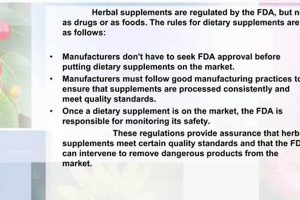
The connection between quality control and the selection of effective herbal supplements for impotence is fundamentally causal. Inadequate quality control directly undermines the reliability and therapeutic potential of such products. Herbal supplements, unlike pharmaceuticals, often lack stringent regulatory oversight, creating opportunities for inconsistencies in ingredient sourcing, manufacturing processes, and final product composition. Consequently, consumers may encounter supplements with inaccurate ingredient labeling, contamination with adulterants or toxins, and variable concentrations of active compounds. This variability directly impairs the ability to achieve consistent and predictable therapeutic outcomes. A supplement marketed as containing a specific amount of an active ingredient may, in reality, contain significantly less, rendering it ineffective. Conversely, it could contain excessive amounts or contaminants, posing potential health risks. Therefore, robust quality control is not merely a desirable attribute but a prerequisite for any herbal supplement claiming to address impotence to be considered a viable and safe option.
Examples illustrating the practical significance of quality control are numerous. Studies have revealed herbal supplements contaminated with heavy metals, pesticides, and even prescription drugs. Such adulteration not only negates any potential therapeutic benefit but also poses serious health hazards. Furthermore, variations in plant species used in supplement production can lead to significant differences in the chemical composition and pharmacological activity of the final product. For instance, different varieties of ginseng may contain varying ratios of ginsenosides, the active compounds responsible for its purported effects. Without rigorous quality control measures to ensure the correct species and consistent ginsenoside content, the efficacy of a ginseng supplement for impotence is inherently unpredictable. Third-party certification programs, such as those offered by USP or NSF International, provide an avenue for consumers to identify products that have undergone independent testing for quality and purity.
In conclusion, quality control is an indispensable component of any herbal supplement intended to address impotence. It is the mechanism through which the reliability, safety, and therapeutic potential of these products are established and maintained. The absence of stringent quality control measures introduces unacceptable risks, rendering claims of efficacy dubious and potentially jeopardizing consumer health. Therefore, individuals seeking herbal remedies for impotence must prioritize products from reputable manufacturers who adhere to rigorous quality control standards and subject their products to independent testing and certification. This will allow the consumer to experience a real benefit from the herbal supplement while also being assured of its safety.
4. Potential Interactions

The association between potential interactions and the selection of purportedly beneficial herbal supplements for erectile dysfunction constitutes a critical determinant of safety and efficacy. The consumption of plant-derived compounds concurrently with prescription medications, over-the-counter drugs, or other herbal remedies introduces the possibility of pharmacokinetic or pharmacodynamic interactions. These interactions can alter the absorption, distribution, metabolism, or excretion of either the herbal supplement, the co-administered drug, or both, leading to either diminished therapeutic effects or increased toxicity. The absence of a thorough evaluation of potential interactions can transform a seemingly benign herbal remedy into a source of significant adverse health consequences. A concrete example is the concurrent use of St. John’s Wort, an herb sometimes used for mood elevation, and sildenafil, a common medication for erectile dysfunction. St. John’s Wort is a potent inducer of CYP3A4, an enzyme responsible for metabolizing sildenafil. This induction can lead to decreased sildenafil levels in the bloodstream, rendering it less effective in treating erectile dysfunction.
Furthermore, certain herbal supplements may possess inherent pharmacological properties that exacerbate the effects of prescription medications. For instance, some herbs, such as ginkgo biloba, exhibit antiplatelet activity. Concomitant use of ginkgo biloba with anticoagulant medications, such as warfarin, can increase the risk of bleeding complications. Likewise, interactions can occur even between different herbal supplements. Combining multiple herbs with similar mechanisms of action can lead to additive effects, potentially increasing the risk of adverse events. The practical implication of understanding these potential interactions is the necessity for comprehensive patient history taking, including inquiries about all medications, supplements, and herbal remedies being used. Healthcare providers must possess the knowledge to identify potential interactions and provide guidance on safe and effective treatment strategies.
In summation, the evaluation of potential interactions is an indispensable component of the responsible use of plant-based compounds for erectile dysfunction. Failure to acknowledge and address these interactions can compromise the efficacy of conventional treatments and elevate the risk of adverse health outcomes. A collaborative approach involving open communication between patients and healthcare providers is essential to minimize the risks associated with concurrent use of herbal supplements and conventional medications. Prior to initiating the consumption of any herbal supplements to help solve impotence, a physician is needed. The physician can analyze any potential interactions and prevent any adverse side effects.
5. Underlying Causes

The relationship between underlying causes and the selection of appropriate herbal supplements for impotence is one of direct dependence. Erectile dysfunction is frequently a symptom of an underlying physiological or psychological condition rather than a primary ailment. Effective management necessitates addressing the root cause, not merely suppressing the symptom. The application of herbal supplements without proper diagnosis may, at best, provide temporary relief, while at worst, delay the identification and treatment of a more serious underlying health issue. Examples of such underlying causes include cardiovascular disease, diabetes, hormonal imbalances, neurological disorders, and psychological factors like stress, anxiety, and depression. Each of these conditions requires a specific diagnostic and therapeutic approach, which may or may not include herbal supplements as an adjunct therapy.
The practical significance of recognizing underlying causes is exemplified by the case of a man experiencing erectile dysfunction due to undiagnosed type 2 diabetes. The use of herbal supplements marketed to enhance erectile function might offer some transient improvement. However, it would fail to address the underlying hyperglycemia, increasing the risk of long-term complications such as neuropathy, retinopathy, and cardiovascular events. Conversely, addressing the diabetes through lifestyle modifications and medication could resolve the erectile dysfunction and improve overall health. The identification of psychological factors, such as performance anxiety, requires a different approach. Cognitive behavioral therapy or other psychological interventions may be more effective than herbal supplements in addressing the underlying cause of erectile dysfunction in such cases.
In summary, the use of herbal supplements for impotence should be predicated on a thorough medical evaluation to identify and address any underlying causes. Treating erectile dysfunction as an isolated symptom without considering its potential origins risks neglecting more serious health conditions and hindering the implementation of appropriate and effective therapies. A holistic approach that integrates diagnostic assessment, treatment of underlying causes, and judicious use of herbal supplements, when appropriate, offers the best prospect for long-term resolution. Therefore, to define “best herbal supplements for impotence”, we need to add “to treat the underlying cause of impotence” into consideration. This new definition is most accurate to help readers have the right definition.
Frequently Asked Questions
This section addresses common inquiries concerning the use of herbal supplements for addressing erectile dysfunction, aiming to provide clear and concise information.
Question 1: Are herbal supplements a guaranteed cure for erectile dysfunction?
No. Herbal supplements are not universally effective, and their efficacy varies depending on the individual and the underlying cause of the condition. They should not be considered a guaranteed cure.
Question 2: Are herbal supplements safe to use with prescription medications for erectile dysfunction?
Not necessarily. Many herbal supplements can interact with prescription medications, potentially diminishing their effectiveness or increasing the risk of adverse effects. Consultation with a healthcare professional is essential before combining herbal supplements with prescription medications.
Question 3: How can the quality and purity of herbal supplements be ensured?
Select products from reputable manufacturers that adhere to strict quality control standards. Look for certifications from third-party organizations that verify the purity and potency of the supplement.
Question 4: What are the potential side effects of herbal supplements for erectile dysfunction?
Side effects vary depending on the specific herbal supplement but can include headaches, digestive issues, allergic reactions, and cardiovascular effects. It is important to research the potential side effects of any herbal supplement before use.
Question 5: How long does it take to see results from using herbal supplements for erectile dysfunction?
The time it takes to see results varies depending on the individual and the specific herbal supplement. Some individuals may experience improvements within a few weeks, while others may not see any noticeable effects.
Question 6: Is a prescription required to purchase herbal supplements for erectile dysfunction?
No, most herbal supplements are available over-the-counter without a prescription. However, consultation with a healthcare professional is still recommended before use to ensure safety and appropriateness.
It is important to emphasize that the information provided here is not a substitute for professional medical advice. Always consult with a qualified healthcare provider before initiating any new treatment regimen, including the use of herbal supplements.
The following section will provide concluding remarks and a summary of the main points discussed in this article.
Conclusion
This exploration of “best herbal supplements for impotence” has underscored several critical factors. The assessment of efficacy, safety, quality control, potential interactions, and underlying causes is paramount. No plant-derived compound should be considered a definitive treatment without rigorous evaluation across these dimensions. The available scientific evidence supporting the use of many such supplements remains limited, and potential risks must be carefully weighed against purported benefits.
The pursuit of solutions for erectile dysfunction necessitates a comprehensive and informed approach. Individuals experiencing this condition should prioritize consultation with qualified healthcare professionals to identify and address underlying causes. Responsible use of herbal supplements, when appropriate, should be guided by evidence-based information and conducted under medical supervision. The information provided herein is intended for informational purposes only, and does not constitute medical advice.