Botanical preparations intended to support cognitive function and mental acuity are derived from various plant sources. These formulations aim to enhance attention span, information processing, and overall mental performance. Examples include extracts of Ginkgo biloba, known for its potential to improve blood flow to the brain, and Bacopa monnieri, traditionally used in Ayurvedic medicine to support memory and learning.
The use of plant-derived substances to promote mental clarity has a long history across various cultures. These natural remedies are often perceived as gentler alternatives to synthetic stimulants. Individuals seeking to improve their cognitive capabilities may turn to these options due to potential benefits like increased productivity, improved learning capacity, and enhanced mental alertness, while also considering their safety profile and potential interactions.
The subsequent sections will delve into specific botanical ingredients commonly found in these cognitive support products, examine the scientific evidence supporting their efficacy, and address considerations for safe and responsible usage, including potential side effects and interactions with other medications. Furthermore, it will explore the regulatory landscape surrounding these products and offer guidance on selecting high-quality preparations.
Guidance on Cognitive Enhancement Through Botanical Preparations
The following recommendations are intended to provide individuals with information to make informed decisions regarding the use of plant-derived supplements aimed at enhancing focus and cognitive performance. These suggestions address factors related to the selection, implementation, and responsible usage of such products.
Tip 1: Research Specific Ingredients: Prior to initiating any regimen, thoroughly investigate the specific plant extracts included in the supplement. Examine existing scientific literature to ascertain the level of evidence supporting its purported cognitive benefits. Pay particular attention to studies conducted on human subjects.
Tip 2: Verify Product Quality: Opt for products that have undergone third-party testing for purity and potency. Look for certifications from independent organizations that verify the accuracy of the product label and confirm the absence of contaminants. This helps ensure the product contains the stated ingredients at the specified concentrations.
Tip 3: Consult with a Healthcare Professional: Individuals with pre-existing medical conditions, or those currently taking medications, should consult with a physician or qualified healthcare practitioner before using any botanical supplement. This consultation helps to identify potential interactions and contraindications.
Tip 4: Adhere to Recommended Dosage: Carefully follow the dosage instructions provided on the product label or as directed by a healthcare professional. Exceeding the recommended dosage does not necessarily result in enhanced benefits and may increase the risk of adverse effects.
Tip 5: Monitor for Adverse Effects: Pay close attention to any potential side effects that may arise after initiating the supplement. Discontinue use and consult with a healthcare provider if any adverse reactions are experienced. Common side effects might include gastrointestinal discomfort, headaches, or changes in sleep patterns.
Tip 6: Consider Potential Interactions: Be aware that certain plant extracts can interact with prescription medications or other supplements. Inform healthcare providers of all supplements being used to avoid potential adverse interactions. For example, Ginkgo biloba can interact with blood-thinning medications.
Tip 7: Set Realistic Expectations: Recognize that plant-derived cognitive support supplements are not a substitute for a healthy lifestyle, including a balanced diet, regular exercise, and adequate sleep. These preparations are most likely to be beneficial when used in conjunction with these established healthy habits.
The responsible use of botanical preparations for cognitive enhancement requires careful consideration of potential benefits, risks, and interactions. A thorough understanding of individual ingredients and a proactive approach to safety are crucial for maximizing potential benefits while minimizing the risk of adverse effects.
The subsequent sections will discuss the regulatory aspects of these supplements and the importance of critical evaluation of marketing claims made by manufacturers.
1. Botanical Sources

The efficacy and safety of plant-derived cognitive support formulations are fundamentally linked to the specific botanical sources from which they are derived. The chemical composition, concentration of active compounds, and potential presence of contaminants vary significantly based on the plant species, growing conditions, harvesting methods, and extraction processes employed. Therefore, the selection of appropriate botanical sources constitutes a crucial determinant of the overall quality and effectiveness of these preparations.
For instance, the cognitive-enhancing effects attributed to Ginkgo biloba are directly related to the presence of specific flavonoids and terpenoids within the plant’s leaves. The standardization of Ginkgo biloba extracts to contain specific concentrations of these compounds, such as ginkgolides and bilobalide, ensures consistency in the delivered dose and potential therapeutic effects. Conversely, variations in the cultivation or processing of Ginkgo biloba may result in products with inconsistent or diminished concentrations of these active constituents, impacting their cognitive benefits. Similarly, the selection of specific chemotypes of Bacopa monnieri, characterized by distinct compositions of bacosides, dictates the degree to which the extract influences cognitive parameters such as memory consolidation and recall. In instances where the source plant is misidentified or adulterated, the expected cognitive benefits are compromised, and potential adverse effects may arise.
In conclusion, the botanical source represents a critical foundation for any plant-derived product intended to enhance cognitive function. The selection and processing of the source material exert a direct influence on the chemical profile, potency, and safety of the final product. Understanding the specific botanical origin, along with the corresponding cultivation and extraction methods, is essential for evaluating the potential benefits and risks associated with any particular preparation.
2. Cognitive Mechanisms

Understanding the mechanisms through which plant-derived substances influence cognitive function is crucial for evaluating their potential efficacy and guiding appropriate usage. These mechanisms encompass a range of neurochemical and physiological processes within the central nervous system. Investigating these pathways facilitates a more informed assessment of the benefits and limitations associated with utilizing botanical preparations for cognitive support.
- Neurotransmitter Modulation
Many botanical extracts exert their effects by modulating neurotransmitter systems within the brain. For example, some substances may enhance cholinergic neurotransmission by inhibiting acetylcholinesterase, the enzyme responsible for breaking down acetylcholine. This, in turn, can improve attention, memory, and learning. Other extracts may influence dopaminergic or serotonergic pathways, affecting mood, motivation, and cognitive flexibility. The specific neurotransmitter system targeted and the magnitude of its modulation determine the overall cognitive impact of the botanical ingredient.
- Neuroprotection
Certain plant-derived compounds possess neuroprotective properties, shielding neurons from damage caused by oxidative stress, inflammation, or excitotoxicity. Antioxidant constituents, such as those found in grape seed extract or green tea, can neutralize free radicals and reduce oxidative damage to brain cells. Anti-inflammatory compounds may mitigate neuroinflammation, which is implicated in cognitive decline and neurodegenerative diseases. By protecting neurons from various forms of damage, these substances may contribute to long-term cognitive health.
- Cerebral Blood Flow
Adequate cerebral blood flow is essential for delivering oxygen and nutrients to the brain, supporting optimal neuronal function. Some botanical extracts, such as Ginkgo biloba, are believed to enhance cerebral blood flow by promoting vasodilation and reducing blood viscosity. Improved blood flow can enhance cognitive performance, particularly in tasks requiring sustained attention or working memory. However, the extent to which these extracts effectively increase cerebral blood flow in humans and the clinical significance of such changes remain subjects of ongoing research.
- Synaptic Plasticity
Synaptic plasticity, the ability of synapses to strengthen or weaken over time, is a fundamental mechanism underlying learning and memory. Certain botanical compounds may enhance synaptic plasticity by increasing the expression of neurotrophic factors, such as brain-derived neurotrophic factor (BDNF), or by modulating the activity of signaling pathways involved in synaptic remodeling. By promoting synaptic plasticity, these substances may facilitate the formation of new memories and improve cognitive flexibility.
The cognitive effects of plant-derived supplements are often mediated through a combination of these mechanisms, with different ingredients exerting their influence on distinct or overlapping pathways. A comprehensive understanding of these cognitive mechanisms is essential for rationalizing the use of botanical preparations for specific cognitive goals and for predicting potential interactions or side effects. Further research is needed to fully elucidate the complex interplay between botanical compounds and the intricacies of brain function.
3. Efficacy Evidence

The determination of whether a botanical preparation effectively supports focus and concentration rests upon the foundation of rigorous scientific inquiry. The presence or absence of credible efficacy evidence dictates the viability of any claim regarding cognitive enhancement. Such evidence stems from controlled clinical trials, pre-clinical studies, and meta-analyses of existing research. These investigations aim to establish a causal link between the use of a specific herbal supplement and measurable improvements in cognitive performance, as assessed through validated neuropsychological tests and objective measures of brain activity.
The absence of robust efficacy evidence renders claims of improved focus and concentration speculative. Real-world examples illustrate this principle. Ginkgo biloba, often marketed for memory enhancement, has demonstrated variable results in clinical trials. While some studies suggest a modest benefit for certain cognitive domains in older adults, others have found no significant effect. Similarly, Bacopa monnieri has shown promise in improving memory and cognitive processing speed in some studies, but these findings require replication in larger, well-designed trials to solidify the evidence base. A critical examination of the methodology, sample size, and outcome measures employed in these studies is essential for interpreting the results and assessing the strength of the evidence.
In conclusion, efficacy evidence is paramount in evaluating the potential of herbal supplements to enhance focus and concentration. The strength of this evidence dictates the level of confidence one can place in the purported cognitive benefits. Challenges remain in conducting high-quality research in this area, including the variability in product formulations, the complexity of cognitive processes, and the potential for placebo effects. Therefore, a discerning approach to evaluating efficacy evidence is crucial for making informed decisions about the use of plant-derived substances for cognitive support.
4. Safety Profile

The safety profile of botanical preparations intended to support focus and concentration is a critical determinant of their overall utility. The potential for adverse effects, drug interactions, and contraindications necessitates a thorough evaluation of the risks associated with each individual substance and product formulation. A comprehensive understanding of the safety profile is paramount to protect individuals from unintended harm and to inform responsible usage.
The specific constituents of these supplements, their inherent toxicity, and the potential for contamination with heavy metals or other adulterants directly influence their safety. For example, certain plant extracts, when taken in excessive doses, may lead to gastrointestinal distress, headaches, or cardiovascular complications. Furthermore, many botanical compounds can interact with prescription medications, altering their efficacy or increasing the risk of adverse reactions. An individual taking warfarin, for instance, should exercise caution with substances like Ginkgo biloba, known to possess antiplatelet properties, due to an increased risk of bleeding. Likewise, St. John’s Wort, sometimes used for mood enhancement, can interact with a wide range of medications, including antidepressants and oral contraceptives, potentially diminishing their effectiveness. Moreover, the lack of standardized manufacturing processes for some herbal supplements raises the possibility of inconsistencies in product composition and the presence of contaminants, further compromising safety.
In conclusion, the safety profile represents an indispensable component of any evaluation of plant-derived cognitive support products. A proactive approach to assessing potential risks, including careful consideration of pre-existing medical conditions, concurrent medication use, and potential drug interactions, is essential for mitigating harm. Rigorous testing for purity and potency, coupled with adherence to recommended dosages, can further enhance the safety of these preparations. Individuals contemplating the use of botanical supplements to enhance focus and concentration should prioritize a comprehensive understanding of their safety profile, often in consultation with a qualified healthcare professional.
5. Dosage Guidelines

Dosage guidelines represent a critical component in the safe and effective utilization of botanical preparations intended to support focus and concentration. The concentration of active compounds within plant extracts varies significantly based on factors such as plant species, growing conditions, and extraction methods. Therefore, established dosage recommendations are essential to minimize the risk of adverse effects while maximizing potential cognitive benefits. A failure to adhere to appropriate dosage guidelines can result in either a lack of therapeutic effect due to insufficient quantities of active compounds or the manifestation of unwanted side effects resulting from excessive intake.
The relationship between dosage and effect is often non-linear, exhibiting a bell-shaped curve where both insufficient and excessive doses may yield suboptimal outcomes. For example, the cognitive benefits of Ginkgo biloba typically manifest within a specific dosage range, often cited as 120-240mg of a standardized extract daily. Doses below this range may prove ineffective, while doses significantly exceeding this range could increase the risk of bleeding complications. Similarly, the cognitive-enhancing effects of Bacopa monnieri are often observed with dosages ranging from 300-450mg of a standardized extract daily. However, exceeding these recommended dosages may increase the likelihood of gastrointestinal distress. Individual factors such as body weight, age, and pre-existing medical conditions can also influence the optimal dosage range, necessitating individualized considerations.
In conclusion, dosage guidelines are not merely advisory but rather integral to the safe and effective utilization of plant-derived substances for cognitive support. Adherence to established dosage recommendations, consideration of individual factors, and awareness of potential adverse effects are essential for maximizing the potential benefits while minimizing the risks associated with these preparations. Furthermore, individuals should consult with qualified healthcare professionals to determine the most appropriate dosage based on their specific needs and circumstances, ensuring responsible and informed utilization.
6. Regulatory Oversight
The sphere of plant-derived substances intended to support cognitive function operates within a complex regulatory environment. Governmental bodies and international organizations establish guidelines and standards aimed at ensuring the safety, quality, and accurate labeling of these products. The level of regulatory scrutiny varies significantly across jurisdictions, impacting the availability, manufacturing practices, and marketing claims associated with these formulations.
- Classification and Definition
The classification of botanical preparations as foods, dietary supplements, or drugs profoundly influences the regulatory requirements to which they are subject. In many countries, substances marketed as dietary supplements face less stringent pre-market approval processes than pharmaceutical drugs. This distinction impacts the type of evidence required to support safety and efficacy claims, as well as the level of oversight regarding manufacturing practices and product quality. Regulatory ambiguity surrounding the definition of a “dietary supplement” can lead to inconsistent application of standards and potential for consumer confusion.
- Manufacturing Standards and Quality Control
Adherence to Good Manufacturing Practices (GMP) is a cornerstone of regulatory oversight in the realm of botanical supplements. GMP guidelines mandate specific procedures and controls to ensure the consistency, purity, and potency of products. These guidelines address aspects such as facility hygiene, equipment maintenance, raw material sourcing, and quality testing. Regulatory agencies conduct inspections to verify compliance with GMP standards, and failure to adhere to these standards can result in product recalls, fines, or other enforcement actions. Effective GMP implementation is essential for minimizing the risk of contamination, adulteration, and inaccurate labeling.
- Labeling and Claims Substantiation
Regulations governing labeling and claims substantiation aim to prevent misleading or unsubstantiated claims regarding the cognitive benefits of botanical supplements. Regulatory bodies typically require that product labels accurately list all ingredients, including their quantities, and provide appropriate warnings or precautions. Furthermore, manufacturers must possess adequate scientific evidence to support any claims made about the product’s effects on cognitive function. The level of evidence required varies depending on the jurisdiction and the specific claim being made. Enforcement actions may be taken against manufacturers who make false or misleading claims, potentially resulting in product recalls or legal penalties.
- Import and Export Controls
International trade in botanical ingredients and finished products is subject to import and export controls designed to protect public health and prevent the introduction of adulterated or unsafe goods. Regulatory agencies in importing countries may require documentation to verify the origin, identity, and quality of botanical ingredients. They may also conduct inspections or testing to ensure compliance with local standards. Exporting countries may impose restrictions on the export of certain botanicals to protect endangered species or to ensure compliance with international treaties. These import and export controls contribute to the overall regulatory framework governing the trade in botanical supplements.
These facets highlight the multifaceted nature of regulatory oversight pertaining to botanical supplements marketed for focus and concentration. Varying regulatory approaches and enforcement practices contribute to inconsistencies in product quality and labeling across different regions. Consumers should exercise caution when selecting these products, seeking out those that have undergone third-party testing or are manufactured by companies with a strong commitment to quality and compliance. The evolving regulatory landscape necessitates ongoing vigilance on the part of manufacturers, regulators, and consumers to ensure the safety and integrity of these products.
Frequently Asked Questions Regarding Plant-Derived Cognitive Enhancers
The following section addresses common inquiries and misconceptions surrounding the utilization of botanical preparations intended to support focus and concentration. The information provided aims to offer clarity and guidance based on current scientific understanding.
Question 1: Are herbal supplements for focus and concentration regulated?
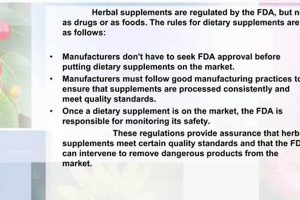
The extent of regulation varies considerably across different jurisdictions. In many regions, these preparations are classified as dietary supplements, which often face less stringent pre-market approval processes compared to pharmaceutical drugs. Consumers should familiarize themselves with the specific regulatory framework in their region.
Question 2: Can herbal supplements for focus and concentration replace prescription medications?
Botanical preparations are not intended to serve as a substitute for prescription medications prescribed by a qualified healthcare professional. Individuals considering using these supplements in conjunction with existing medications should consult their physician to assess potential interactions.
Question 3: How long does it take to experience the effects of herbal supplements for focus and concentration?
The time required to observe noticeable effects can vary depending on the specific supplement, the individual’s physiology, and the dosage administered. Some individuals may experience effects within a few days, while others may require several weeks of consistent use to perceive any benefits. Maintaining realistic expectations is crucial.
Question 4: Are there any side effects associated with herbal supplements for focus and concentration?
As with any bioactive substance, herbal supplements may elicit side effects in some individuals. Common side effects can include gastrointestinal distress, headaches, and changes in sleep patterns. More serious adverse reactions are possible, particularly in individuals with pre-existing medical conditions or those taking interacting medications. Consulting with a healthcare provider is recommended.
Question 5: How can I ensure the quality of herbal supplements for focus and concentration?
To mitigate the risk of purchasing substandard or adulterated products, individuals should prioritize brands that employ third-party testing for purity and potency. Look for certifications from independent organizations that verify the accuracy of the product label and the absence of contaminants.
Question 6: What is the optimal dosage of herbal supplements for focus and concentration?
The appropriate dosage varies depending on the specific supplement and the individual’s unique characteristics. Adhering to the dosage instructions provided on the product label or as directed by a healthcare professional is essential. Exceeding the recommended dosage does not necessarily enhance benefits and may increase the risk of adverse effects.
This FAQ section provides a brief overview of common inquiries regarding plant-derived cognitive enhancers. It is essential to conduct thorough research and consult with qualified healthcare professionals before incorporating these supplements into one’s cognitive support regimen.
The subsequent section will delve into strategies for selecting high-quality botanical preparations and critically evaluating marketing claims.
Concluding Remarks on Botanical Cognitive Support
This exploration has sought to provide a comprehensive overview of botanical preparations marketed to enhance cognitive functions. A critical examination of botanical sources, cognitive mechanisms, efficacy evidence, safety profiles, dosage guidelines, and regulatory oversight has been presented. The intent has been to provide a foundation for informed decision-making regarding the use of these products.
Given the complexities inherent in the field of botanical medicine, ongoing critical evaluation remains paramount. Continued research into specific botanical compounds, rigorous adherence to quality control standards, and transparent communication between manufacturers, regulatory agencies, and consumers are essential to ensure the responsible and effective application of these supplements. Individuals should carefully consider the available evidence and consult with qualified healthcare professionals to determine whether a “herbal supplement for focus and concentration” is appropriate for their individual needs and circumstances.