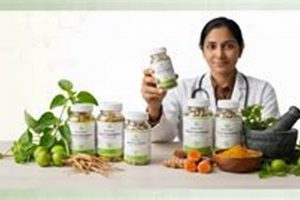
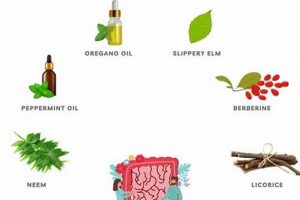
Botanical preparations marketed with the intention of influencing glycemic control are widely available. These products, derived from plants, are presented as aids in managing blood glucose levels, often used adjunctively or as alternatives to conventional pharmaceutical interventions. Examples include extracts of cinnamon, berberine (found in plants like goldenseal), and bitter melon, each purported to possess properties beneficial for individuals seeking to maintain healthy blood sugar.
The appeal of using plant-derived products to modulate blood sugar stems from a perceived association with natural remedies and the potential for fewer side effects compared to some prescribed medications. Historically, various cultures have employed plants for their therapeutic effects, including the management of metabolic conditions. The continued interest is fueled by ongoing research exploring the active compounds within these plants and their mechanisms of action on glucose metabolism, insulin sensitivity, and pancreatic function.
The subsequent sections will delve into the specific plant-based products commonly associated with glucose management, exploring the evidence supporting their efficacy, potential risks, and considerations for their integration into a comprehensive approach to managing healthy blood sugar levels.
Guidance on Utilizing Plant-Based Adjuncts for Glycemic Regulation
The following guidelines provide critical considerations when exploring the use of botanicals to support healthy blood glucose. These recommendations emphasize informed decision-making and highlight the need for professional oversight.
Tip 1: Consult a Healthcare Provider: Prior to initiating any regimen involving plant-derived products for glycemic management, a consultation with a qualified physician, endocrinologist, or registered dietitian is essential. These professionals can assess individual medical history, current medications, and potential interactions.
Tip 2: Research Product Quality: Due to variations in manufacturing standards, the potency and purity of botanical preparations can differ significantly. Seek products from reputable manufacturers that adhere to Good Manufacturing Practices (GMP) and provide third-party testing results to verify product content and absence of contaminants.
Tip 3: Understand Potential Interactions: Certain botanicals can interact with prescription medications, including those used to manage diabetes. Concomitant use may lead to either enhanced or diminished drug effects, necessitating careful monitoring and dosage adjustments by a healthcare professional.
Tip 4: Monitor Blood Glucose Levels: Individuals considering botanical adjuncts should diligently monitor their blood glucose levels, typically using a home glucometer. This enables assessment of the product’s impact on glycemic control and informs necessary adjustments to the overall management plan.
Tip 5: Be Aware of Potential Side Effects: While often perceived as benign, plant-derived substances can induce adverse effects in some individuals. Common side effects may include gastrointestinal distress, allergic reactions, or, in rare cases, more serious complications. Discontinue use and seek medical attention if adverse symptoms develop.
Tip 6: Start with a Low Dose: When initiating a botanical regimen, begin with a low dose and gradually increase it while closely monitoring for both efficacy and adverse effects. This approach allows for individual tolerance to be assessed and minimizes the risk of untoward reactions.
Tip 7: Recognize Limitations: Plant-derived products should not be regarded as a standalone treatment for diabetes or other conditions requiring strict glycemic control. A comprehensive approach encompassing dietary modifications, regular physical activity, and, when necessary, conventional pharmaceutical interventions remains the cornerstone of effective management.
Adhering to these recommendations can help ensure the responsible and informed use of plant-based approaches as part of an integrated strategy for supporting healthy blood glucose.
The subsequent sections will provide more in-depth discussions on individual botanical preparations and their role in glycemic management.
1. Botanical Identity

Botanical identity, in the context of botanical products intended to lower blood sugar, is the unequivocal scientific determination of the plant species from which the product is derived. This identification is crucial because different species, even within the same genus, may possess varying chemical compositions and thus exhibit different physiological effects or present different safety profiles. Misidentification or imprecise labeling can lead to the use of ineffective or even harmful substances, undermining the intended therapeutic benefit.
A real-life example illustrates the importance of accurate botanical identification. The term “ginseng” is often used generically, but it encompasses several distinct species, including Panax ginseng (Asian ginseng) and Panax quinquefolius (American ginseng). While both are believed to have adaptogenic properties, their specific effects on blood glucose and potential interactions with other medications may differ. Using the incorrect species could result in unpredictable or adverse outcomes. Similarly, different chemotypes (plants of the same species with different chemical compositions) exist within species like Cinnamomum cassia and Cinnamomum verum, both marketed as cinnamon. The coumarin content, a potential hepatotoxin, varies significantly between these, impacting safety considerations.
In conclusion, precise botanical identification is not merely a technical detail but a fundamental prerequisite for the safe and effective use of plant-based products intended to modulate blood sugar. It underpins the entire process, from research and development to manufacturing and consumer use. Challenges in botanical identification include adulteration, substitution with cheaper or more readily available species, and inconsistent labeling practices. Addressing these challenges through rigorous quality control measures and standardized analytical techniques is essential for ensuring the integrity and reliability of these products.
2. Bioactive Compounds

The efficacy of plant-derived products to support healthy blood glucose is primarily attributed to specific bioactive compounds present within the botanical material. These compounds interact with various physiological pathways related to glucose metabolism, insulin sensitivity, and pancreatic function. The understanding of these bioactive constituents is critical for evaluating the potential benefits and risks associated with the use of botanical preparations.
- Polyphenols
Polyphenols, a large class of plant-derived compounds, exhibit antioxidant and anti-inflammatory properties that may influence glucose metabolism. For instance, resveratrol found in grapes and berries, and epigallocatechin gallate (EGCG) in green tea, have demonstrated potential in improving insulin sensitivity and reducing oxidative stress, factors implicated in the pathogenesis of insulin resistance. In vitro and animal studies have shown promising results, but human clinical trials are often less conclusive, highlighting the need for further research to determine the extent of their therapeutic effect on blood sugar levels.
- Alkaloids
Alkaloids represent a diverse group of nitrogen-containing organic compounds found in numerous plants. Berberine, an alkaloid present in plants like goldenseal and barberry, is one example that has been extensively studied. Berberine appears to enhance glucose uptake in cells and improve insulin signaling pathways. Clinical trials have suggested its potential to lower blood glucose levels, with some studies reporting comparable effects to metformin, a common pharmaceutical agent. However, bioavailability issues and potential gastrointestinal side effects are considerations that must be addressed.
- Terpenoids
Terpenoids, another large class of plant compounds, are characterized by their isoprene-derived structure. Several terpenoids have shown promise in regulating blood glucose. For example, gymnemic acid found in Gymnema sylvestre, is believed to interfere with glucose absorption in the intestines. Research suggests that it may contribute to reduced blood sugar levels and improved glycemic control in individuals with diabetes. However, rigorous scientific investigation, including well-designed clinical trials, is necessary to validate these findings and establish optimal dosage and long-term safety.
- Saponins
Saponins are glycosides with a characteristic soap-like foaming property. Some saponins, like those found in fenugreek seeds, have demonstrated hypoglycemic effects. Fenugreek is believed to delay gastric emptying and inhibit carbohydrate digestion, leading to a slower release of glucose into the bloodstream. Clinical studies have indicated potential benefits for individuals with type 2 diabetes, but the evidence remains somewhat inconsistent, and more comprehensive research is warranted to confirm these findings and understand the underlying mechanisms fully.
The identified bioactive compounds, while demonstrating potential for positively influencing glycemic control, necessitate cautious evaluation. The variability in the composition of plant-derived products, the influence of processing methods, and individual responses to these compounds all contribute to the complexity of their therapeutic use. Rigorous scientific validation and professional medical guidance are indispensable in the context of employing these agents to support healthy blood glucose levels.
3. Mechanism of Action

The mechanism of action describes the specific biochemical interaction through which a substance produces a physiological effect. In the context of botanical preparations intended to modulate blood sugar, understanding the mechanism of action is crucial for several reasons. First, it provides a rational basis for expecting a therapeutic effect. Instead of relying on anecdotal evidence, a defined mechanism offers a scientific explanation for how a particular plant-derived compound may influence glucose metabolism. Second, elucidating the mechanism helps predict potential side effects and drug interactions. If the biochemical pathways affected by a botanical are known, possible adverse outcomes can be anticipated and monitored. Finally, mechanistic knowledge enables the development of more targeted and effective botanical therapies through informed selection, dosage optimization, and combination strategies. For example, if a compound is known to enhance insulin sensitivity by activating a specific receptor, this understanding can guide the search for other compounds with similar activity or the design of synthetic analogs with improved efficacy. Conversely, if the mechanism involves inhibition of a crucial enzyme, this information can be used to identify potential drug interactions with pharmaceuticals that rely on the same enzyme for metabolism.
The mechanisms by which botanical agents might influence blood glucose are varied. Some compounds may enhance insulin secretion from pancreatic beta cells, while others improve insulin sensitivity in peripheral tissues like muscle and liver. Some plant constituents interfere with carbohydrate digestion or absorption in the gut, reducing postprandial glucose excursions. Still others modulate hepatic glucose production or influence the expression of genes involved in glucose metabolism. For example, berberine, found in several medicinal plants, has been shown to activate AMPK (AMP-activated protein kinase), a cellular energy sensor that plays a key role in regulating glucose and lipid metabolism. This activation can lead to increased glucose uptake and utilization in cells, as well as reduced hepatic glucose production. Similarly, compounds in cinnamon have been reported to enhance insulin signaling by increasing the phosphorylation of insulin receptor substrate-1 (IRS-1), a key protein in the insulin signaling cascade. Understanding these specific mechanisms allows for a more targeted and rational approach to using these botanicals for glycemic management. However, it’s essential to acknowledge that many botanical preparations contain a complex mixture of compounds, and their overall effect may be due to the combined actions of multiple constituents acting through different mechanisms. Therefore, comprehensive research is required to fully understand the mechanism of action of any botanical product and to determine its optimal use for glycemic control.
The study of the mechanism of action of botanical preparations intended to modulate blood sugar is an ongoing and challenging endeavor. While in vitro and animal studies can provide valuable insights, the results may not always translate directly to humans. Clinical trials are essential for confirming the proposed mechanisms and assessing the efficacy and safety of these products in real-world settings. Furthermore, the quality and standardization of botanical products can vary significantly, making it difficult to compare results across studies. Despite these challenges, understanding the mechanism of action of botanical agents is crucial for developing safe and effective strategies for using these products to support healthy blood glucose levels. This understanding facilitates informed decision-making by both healthcare professionals and individuals seeking to incorporate these products into their overall diabetes management plan. It also helps prevent misinformation and ensure responsible use of botanical preparations for glycemic regulation.
4. Efficacy Evidence

The relationship between efficacy evidence and botanical preparations aimed at modulating blood sugar is fundamental. Efficacy evidence, derived from rigorous scientific investigation, provides substantiation for claims regarding a botanical’s ability to influence glycemic control. Absent sufficient efficacy evidence, the use of such preparations remains speculative, potentially misleading, and possibly harmful. The cause-and-effect relationship is straightforward: if a botanical demonstrably lowers blood sugar in well-controlled clinical trials, its use is supported by evidence. Conversely, lacking such evidence, the purported benefits are unsubstantiated.
The importance of efficacy evidence as a component of plant-derived products cannot be overstated. Consider the instance of berberine. Initial in vitro and animal studies suggested promising hypoglycemic effects. However, it was the subsequent performance of randomized, controlled clinical trials that provided a stronger basis for its potential utility in managing blood sugar. In contrast, numerous botanicals touted for similar effects lack such robust clinical validation. These products may be supported by traditional use or preliminary data, but without compelling clinical evidence, their efficacy remains uncertain. This distinction is critical for both healthcare professionals and individuals seeking to manage their blood glucose levels.
In conclusion, efficacy evidence is not merely an optional component but an essential prerequisite for the responsible use of botanicals. The absence of such evidence necessitates caution and should prompt a thorough evaluation of potential risks and benefits in consultation with a healthcare provider. The practical significance of this understanding lies in promoting informed decision-making and preventing the unwarranted reliance on unproven remedies for a condition as critical as glycemic dysregulation. Further studies are necessary to fully elucidate the efficacy and safety of several plant-based products.
5. Safety Profile

The safety profile of botanical preparations intended for glycemic regulation is of paramount importance. This profile encompasses potential adverse effects, drug interactions, contraindications, and considerations related to dosage and duration of use. A comprehensive safety evaluation is essential to mitigate risks and ensure that the potential benefits of plant-derived products outweigh their potential harms. Disregarding the safety profile can lead to significant health consequences, especially in individuals with pre-existing medical conditions or those taking prescription medications. The cause-and-effect relationship is direct: inadequate attention to safety can result in adverse reactions, while a thorough assessment minimizes the likelihood of harm. The practical significance of this understanding lies in promoting responsible use and safeguarding patient well-being.
Real-life examples underscore the necessity of a robust safety profile. Consider the case of bitter melon, a plant often used in traditional medicine for its hypoglycemic effects. While it may lower blood sugar, it can also cause gastrointestinal distress, interact with anticoagulant medications, and even lead to hypoglycemia if combined with other glucose-lowering agents. Similarly, cinnamon, although generally considered safe in culinary amounts, contains coumarin, a compound that can cause liver damage in high doses. Furthermore, certain botanical preparations may be contaminated with heavy metals, pesticides, or other toxins, posing additional health risks. These examples illustrate that even seemingly benign plant-derived products can have adverse effects if their safety profile is not carefully considered.
In conclusion, a thorough understanding of the safety profile is a non-negotiable aspect of using botanical preparations to modulate blood sugar. Healthcare providers and individuals considering such products must be aware of potential risks, interactions, and contraindications. Responsible use necessitates selecting high-quality products from reputable manufacturers, adhering to recommended dosages, and monitoring for adverse effects. The ongoing challenge lies in the variability of botanical products and the limited number of rigorous safety studies. Further research is needed to fully characterize the safety profiles of these preparations and to establish evidence-based guidelines for their use. Without a strong emphasis on safety, the potential benefits of botanical preparations may be overshadowed by unacceptable risks.
Frequently Asked Questions Regarding Botanical Adjuncts for Glycemic Regulation
This section addresses common inquiries and clarifies misconceptions related to the use of plant-derived products to support healthy blood glucose levels. The information provided is intended for educational purposes and should not substitute professional medical advice.
Question 1: Are botanical products a safe alternative to prescription medications for diabetes?
Botanical products are not universally safe alternatives to prescription medications for diabetes. While some may demonstrate efficacy in managing blood sugar, they often lack the rigorous testing and standardization of pharmaceuticals. Additionally, interactions with prescription medications are possible, potentially leading to adverse health outcomes. A healthcare professional should be consulted before substituting prescription medications with botanical preparations.
Question 2: Can plant-derived substances completely cure diabetes?
Currently, no scientific evidence supports the claim that plant-derived substances can completely cure diabetes. Diabetes is a complex metabolic disorder that often requires a multifaceted approach involving lifestyle modifications, prescription medications, and regular monitoring. Botanical products may play a supportive role, but they should not be considered a definitive cure.
Question 3: Are botanical supplements regulated for quality and consistency?
The regulation of botanical supplements varies across jurisdictions. In many regions, the standards for quality control and consistency are less stringent than those for prescription medications. This can lead to variability in product potency, purity, and potential contamination. Selecting products from reputable manufacturers that adhere to Good Manufacturing Practices (GMP) and undergo third-party testing is advisable.
Question 4: What are the potential risks associated with using plant-based products to lower blood sugar?
Potential risks associated with plant-based products include allergic reactions, gastrointestinal distress, interactions with medications, and the possibility of hypoglycemia (excessively low blood sugar). Some botanical products may also contain harmful contaminants or adulterants. It is crucial to be aware of these risks and to consult a healthcare provider before initiating any new regimen.
Question 5: How long does it take to see results from botanical preparations for blood sugar management?
The time required to observe noticeable effects from botanical preparations can vary depending on the individual, the specific product used, and the underlying condition. Some individuals may experience changes within a few weeks, while others may require several months to see measurable results. Consistent monitoring of blood glucose levels is essential to assess the effectiveness of any botanical intervention.
Question 6: Where can individuals find reliable information about the safety and efficacy of botanical supplements?
Reliable information regarding the safety and efficacy of botanical supplements can be obtained from reputable sources such as peer-reviewed scientific journals, government health agencies, and professional organizations specializing in diabetes and endocrinology. Consulting with a qualified healthcare provider is also recommended.
In summary, using plant-derived preparations to modulate blood glucose involves careful consideration of potential benefits, risks, and limitations. Consulting healthcare professionals and conducting due diligence are vital to ensure responsible and informed decision-making.
The following sections will provide further information on integrating plant-based approaches into comprehensive strategies for supporting healthy blood sugar levels.
Conclusion
The exploration of herbal supplements to lower blood sugar reveals a landscape characterized by both potential and complexity. While certain botanical preparations demonstrate promise in supporting glycemic control, rigorous scientific scrutiny is essential. Factors such as botanical identity, bioactive compounds, mechanism of action, efficacy evidence, and safety profile must be carefully evaluated to ensure responsible utilization. The variability in product quality and the potential for interactions with conventional medications necessitate informed decision-making and professional guidance.
The judicious integration of these preparations into comprehensive strategies for managing blood glucose requires a commitment to evidence-based practices and a recognition of individual patient needs. Future research should prioritize standardized clinical trials and the elucidation of long-term safety outcomes. Only through diligent investigation and responsible application can the potential benefits of plant-derived products be realized without compromising patient well-being.