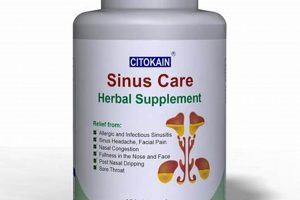
The selection of optimal natural remedies for routine consumption involves considering various factors, including individual health needs, potential interactions with medications, and scientifically supported evidence. The goal is to identify plant-derived products that contribute to overall well-being when incorporated into a daily regimen. For example, certain adaptogens are frequently examined for their potential to mitigate stress and promote balance within the body.
Regular use of appropriately chosen botanical preparations may offer a range of advantages, from supporting the immune system to enhancing cognitive function. Historically, traditional medical systems have relied heavily on plants for their therapeutic properties. Understanding the historical context and documented uses of different herbs provides valuable insight into their potential efficacy and safety.
The subsequent discussion will delve into several commonly considered options for daily incorporation, exploring their potential benefits, mechanisms of action, and essential considerations for responsible use. It is important to consult with a qualified healthcare professional before beginning any new supplement regimen.
Guidance on Integrating Beneficial Botanical Products
Effective integration of plant-derived compounds into a daily routine necessitates a measured approach, informed by credible resources and professional guidance. Consider the following points to optimize the experience.
Tip 1: Conduct Thorough Research: Prior to introducing any new botanical product, dedicate time to examining the available scientific literature. Evaluate studies that assess efficacy, safety, and potential interactions with existing medications.
Tip 2: Prioritize Quality Sourcing: The potency and purity of botanical products are significantly influenced by sourcing. Opt for reputable brands that adhere to rigorous quality control standards and provide transparent information regarding cultivation, processing, and testing.
Tip 3: Start with Low Doses: Introduce new botanical products gradually, commencing with low dosages. This approach allows for the assessment of individual tolerance and minimization of potential adverse effects. Incrementally increase the dosage as tolerated, while adhering to recommended guidelines.
Tip 4: Monitor for Adverse Reactions: Vigilantly monitor for any adverse reactions following the introduction of a new botanical product. Discontinue use immediately if any unfavorable symptoms develop and seek consultation with a healthcare professional.
Tip 5: Consider Potential Interactions: Recognize that botanical products can interact with prescription medications and other supplements. Consult with a qualified healthcare provider to assess potential interactions and ensure safety.
Tip 6: Maintain a Detailed Log: Keep a detailed record of all botanical products consumed, including dosages, timing, and any observed effects, both positive and negative. This information can facilitate more informed decision-making and enhance communication with healthcare providers.
Tip 7: Adopt a Holistic Approach: Recognize that plant-derived compounds are most effective when integrated within a comprehensive wellness strategy. Prioritize a balanced diet, regular physical activity, adequate sleep, and stress management techniques to maximize overall benefits.
Following these guidelines can help ensure a safer and more effective incorporation of botanical products into one’s daily routine, potentially leading to enhanced well-being.
The article will now transition to a more in-depth examination of specific examples, while reinforcing the importance of personalized assessment and professional guidance.
1. Safety Profiles

The evaluation of safety profiles is paramount when considering botanical products for regular incorporation into one’s daily health regimen. A comprehensive understanding of potential adverse effects, contraindications, and interactions is essential to mitigate risk and ensure responsible utilization.
- Adverse Effect Monitoring
Comprehensive safety assessment mandates continuous monitoring for potential adverse effects, which can range from mild gastrointestinal distress to more severe allergic reactions or organ-specific toxicities. For example, St. John’s Wort, commonly used for mood support, can cause photosensitivity in some individuals, necessitating diligent monitoring and protective measures. The implications of neglecting such monitoring could lead to compromised health and the need for medical intervention.
- Drug Interactions Assessment
Many botanical products possess the potential to interact with prescription medications, altering their metabolism or efficacy. For instance, grapefruit juice, while not an herbal supplement, serves as an illustrative example due to its known interaction with numerous drugs. Similarly, herbs like ginseng can affect blood clotting, potentially interfering with anticoagulant medications. Prior assessment of such interactions is crucial to prevent adverse clinical outcomes.
- Contraindication Identification
Certain health conditions or physiological states may contraindicate the use of specific botanical products. Pregnancy, for example, necessitates careful consideration, as many herbs have not been adequately studied for their safety during gestation and may pose risks to the developing fetus. Similarly, individuals with autoimmune disorders should exercise caution, as some herbs may exacerbate immune system activity. Identifying and respecting these contraindications is vital for patient safety.
- Dosage-Dependent Toxicity Evaluation
Even generally safe botanical products may exhibit toxicity at excessive doses. Liver damage, for example, can occur with overuse of certain herbal supplements. Accurate adherence to recommended dosages and awareness of potential dose-dependent effects are crucial for mitigating this risk. Long-term safety studies, though often limited, offer further insights into potential cumulative effects and are essential for informed decision-making.
Thoroughly evaluating safety profiles is not merely a preliminary step but an ongoing process that requires diligent monitoring, professional guidance, and a commitment to evidence-based decision-making. Integrating this approach into the selection and use of botanical products can significantly contribute to a safer and more beneficial daily health routine.
2. Sourcing Quality
The concept of “best herbal supplements to take daily” is inextricably linked to the quality of sourcing. The origin, cultivation, harvesting, and processing methods directly impact the final product’s efficacy and safety profile. Inferior sourcing can introduce contaminants, dilute active compounds, and compromise the integrity of the botanical material. For instance, herbs grown in regions with polluted soil may accumulate heavy metals, rendering them unsuitable for human consumption. Similarly, improper drying or storage can lead to mold growth or degradation of essential constituents, diminishing the intended therapeutic benefits.
The selection of reputable suppliers who adhere to Good Agricultural and Collection Practices (GACP) and Good Manufacturing Practices (GMP) is crucial. These practices ensure that herbs are cultivated in suitable environments, harvested at optimal times, and processed using methods that preserve their inherent properties. Certificates of analysis (COAs) from independent laboratories provide valuable information regarding the identity, purity, and potency of the finished product. A COA should verify the absence of contaminants such as heavy metals, pesticides, and microbes, as well as confirm the concentration of key active compounds. Products lacking transparent sourcing information or verifiable quality control measures should be viewed with caution.
In summary, the pursuit of “best herbal supplements to take daily” necessitates a rigorous focus on sourcing quality. Compromises in this area can undermine the potential benefits and introduce significant risks. Prioritizing products from reputable suppliers with verifiable quality control procedures is a critical step in ensuring the safety and efficacy of botanical supplements intended for daily consumption. This understanding underscores the importance of informed consumer choices and the need for greater transparency within the herbal supplement industry.
3. Specific Benefits

The determination of “best herbal supplements to take daily” is inextricably linked to the concept of specific benefits. Individual requirements and health goals dictate the appropriateness of any botanical intervention. The efficacy of an herb is not universally applicable; rather, its value stems from its targeted action on specific physiological processes or conditions. For example, an individual seeking to enhance cognitive function might consider Bacopa monnieri, based on evidence suggesting improvements in memory and learning. Conversely, an individual focused on immune support might prioritize Elderberry preparations, supported by data indicating antiviral properties and symptom reduction during respiratory infections. The selection process must be driven by a clear understanding of the desired outcome and the herb’s documented capacity to achieve that outcome.
A mismatch between the proclaimed benefits of a botanical product and an individual’s needs can lead to inefficacy and potentially adverse effects. The indiscriminate use of herbal supplements, without considering specific benefits, is not only wasteful but also carries the risk of disrupting physiological balance. Consider the case of an individual with pre-existing anxiety disorders using stimulating herbs such as Guarana without proper evaluation. The unintended consequence could be the exacerbation of anxiety symptoms. Proper evaluation and the selection of herbs known to promote relaxation, such as Lemon Balm, would be a more appropriate approach. The “best herbal supplements to take daily” are, therefore, those that align precisely with an individual’s unique health profile and wellness objectives.
Consequently, identifying and understanding the specific benefits associated with various botanical products is paramount. This requires diligent research, consultation with healthcare professionals, and a personalized approach to supplement selection. The pursuit of the “best herbal supplements to take daily” necessitates a departure from generalized recommendations and an embrace of individualized, evidence-based strategies that prioritize targeted action and minimize potential risks. It also calls for continuous monitoring and reassessment to ensure ongoing relevance and effectiveness in addressing evolving health needs.
4. Dosage Precision

The determination of “best herbal supplements to take daily” relies substantially on dosage precision. Incorrect dosing, whether exceeding or falling short of established guidelines, can negate therapeutic benefits and potentially induce adverse reactions. Dosage, therefore, is not a mere detail, but a fundamental component dictating the safety and effectiveness of any botanical regimen. Insufficient dosage may render the supplement ineffective, failing to elicit the desired physiological response. Excessive dosage, conversely, can overwhelm the body’s detoxification mechanisms and lead to unintended consequences.
One example demonstrating the importance of dosage precision can be found in the use of Milk Thistle ( Silybum marianum) for liver support. Studies indicate that silymarin, the active compound in Milk Thistle, requires a specific dosage range to exert its hepatoprotective effects. Sub-therapeutic doses may not offer any discernible benefit, while excessively high doses could potentially lead to gastrointestinal upset. Similarly, in the realm of adaptogens like Ashwagandha ( Withania somnifera), employed for stress management, dosage precision is critical to achieving the desired anxiolytic effects without causing over-sedation or other unwanted side effects. Another case is Turmeric ( Curcuma longa), the active compound curcumin requires specific dosage and with piperine for absorption to have anti-inflammatory effects.
In conclusion, dosage precision is not merely a secondary consideration but an indispensable element in determining the suitability of botanical products for daily use. It ensures the desired therapeutic effects are achieved while minimizing the risk of adverse events. This understanding underscores the need for careful adherence to established dosage guidelines, professional consultation when necessary, and a continuous evaluation of individual response to botanical interventions. The pursuit of “best herbal supplements to take daily” must therefore be guided by a commitment to dosage accuracy as a cornerstone of responsible and effective botanical supplementation.
5. Potential Interactions

The selection of “best herbal supplements to take daily” requires meticulous consideration of potential interactions with pharmaceutical medications, other supplements, and even dietary components. Botanical products contain bioactive compounds that can influence drug metabolism, absorption, and excretion, potentially leading to reduced drug efficacy, increased drug toxicity, or unexpected side effects. The risk of interactions underscores the need for informed decision-making and professional consultation, particularly for individuals with pre-existing medical conditions or those taking prescription medications.
Examples of potential interactions are numerous and varied. St. John’s Wort, a commonly used herb for mood support, is a potent inducer of cytochrome P450 enzymes, which are responsible for metabolizing many drugs. This induction can accelerate the breakdown of medications such as warfarin, oral contraceptives, and certain antidepressants, potentially reducing their effectiveness. Similarly, Ginkgo biloba, often used to enhance cognitive function, possesses antiplatelet properties and may increase the risk of bleeding when taken concurrently with anticoagulant or antiplatelet medications. Even seemingly innocuous herbs like chamomile can interact with sedative medications, potentially amplifying their effects and causing excessive drowsiness. The practical significance of understanding these interactions lies in the ability to prevent adverse events and optimize therapeutic outcomes.
In summary, the relationship between “potential interactions” and the selection of “best herbal supplements to take daily” is critical. The presence of potential interactions transforms the decision-making process from one based solely on perceived benefits to one that prioritizes safety and risk mitigation. A thorough understanding of possible interactions, coupled with professional guidance, is essential to ensure that the chosen botanical products contribute positively to overall health without compromising the efficacy or safety of existing medications. The challenges lie in the complexity of botanical compounds and the limited availability of comprehensive interaction data, emphasizing the need for ongoing research and vigilance.
6. Individual Needs
The determination of what constitutes the “best herbal supplements to take daily” is fundamentally intertwined with the specific and often unique health requirements of each individual. General recommendations, while potentially useful as starting points, cannot supplant the necessity for personalized assessment and tailored strategies. Factors such as age, sex, genetic predispositions, pre-existing medical conditions, lifestyle, and dietary habits all contribute to an individual’s unique physiological landscape and influence the suitability of any given botanical product. The appropriateness of a supplement is thus contingent upon its alignment with these individualized needs.
- Age and Life Stage Considerations
Different life stages present distinct nutritional and physiological demands. For example, children and adolescents may have increased requirements for certain vitamins and minerals to support growth and development, while older adults may benefit from supplements that address age-related decline in cognitive function or bone density. The selection of “best herbal supplements to take daily” must consider these age-specific needs. Moreover, women who are pregnant or breastfeeding have unique requirements and potential contraindications that necessitate careful evaluation before initiating any supplement regimen. Neglecting these age and life stage factors can lead to ineffective or even harmful outcomes.
- Existing Medical Conditions and Medications
Pre-existing medical conditions and the medications used to manage them represent critical considerations in the selection of botanical supplements. Certain herbs may exacerbate underlying conditions or interact negatively with prescribed medications, potentially leading to adverse events. For instance, individuals with autoimmune disorders may need to exercise caution with immune-stimulating herbs, while those taking anticoagulant medications should avoid herbs with antiplatelet properties. Thorough assessment of an individual’s medical history and current medication regimen is essential to identify potential risks and ensure the safe integration of herbal supplements into their daily routine. The “best herbal supplements to take daily” are those that do not compromise the individual’s existing health status or interfere with their medical treatment.
- Lifestyle and Dietary Habits
Lifestyle factors, such as physical activity levels, sleep patterns, and stress management techniques, also influence an individual’s supplement needs. Athletes, for example, may benefit from herbs that support muscle recovery and reduce inflammation, while individuals with chronic stress may find relief from adaptogenic herbs that promote resilience. Similarly, dietary habits play a significant role. Individuals with nutrient deficiencies due to restrictive diets may require specific supplements to address these gaps. The “best herbal supplements to take daily” are those that complement an individual’s lifestyle and dietary choices, addressing any imbalances or supporting optimal function within their existing framework. Neglecting these aspects can lead to suboptimal results or unnecessary supplementation.
- Genetic Predispositions and Individual Variability
Genetic factors can influence an individual’s response to herbal supplements, affecting their absorption, metabolism, and sensitivity to specific compounds. Some individuals may be genetically predisposed to metabolize certain herbs more slowly or exhibit increased sensitivity to their effects. This variability underscores the importance of personalized assessment and careful monitoring of individual responses. What may be a beneficial supplement for one individual could be ineffective or even harmful for another due to these genetic differences. The “best herbal supplements to take daily” are, therefore, those that are well-tolerated and effective for a given individual, considering their unique genetic makeup and physiological response patterns.
In conclusion, the concept of “best herbal supplements to take daily” is inextricably linked to the concept of individual needs. A generalized approach is insufficient, and a personalized strategy that considers age, medical conditions, lifestyle, dietary habits, and genetic predispositions is essential for safe and effective supplementation. It is important to remember that herbs are not a substitute for a healthy lifestyle and should be used in conjunction with a balanced diet, regular exercise, and stress management techniques. The ultimate determination of the “best herbal supplements to take daily” should be made in consultation with a qualified healthcare professional who can assess an individual’s unique needs and provide evidence-based recommendations.
Frequently Asked Questions
This section addresses commonly encountered inquiries and concerns regarding the integration of plant-derived supplements into a daily health regimen. The information provided aims to clarify misconceptions and promote informed decision-making.
Question 1: Are there universal recommendations for “best herbal supplements to take daily” applicable to all individuals?
No. The selection of appropriate botanical supplements is highly individualized and depends on factors such as age, health status, existing medications, and specific health goals. Blanket recommendations are not advisable.
Question 2: How can potential interactions between botanical supplements and prescription medications be identified?
Consulting a qualified healthcare professional, including a physician or pharmacist, is crucial. These professionals possess the knowledge and resources to assess potential interactions and provide guidance on safe and effective supplement use. Online resources, while readily accessible, should not be considered a substitute for professional advice.
Question 3: What criteria should be used to evaluate the quality and purity of botanical supplements?
Look for products that have been independently tested by third-party organizations and that provide Certificates of Analysis (COAs) verifying the absence of contaminants and the presence of specified active compounds. Select reputable brands adhering to Good Manufacturing Practices (GMP).
Question 4: Is it safe to self-prescribe botanical supplements without consulting a healthcare professional?
Self-prescription is discouraged, particularly for individuals with underlying health conditions or those taking prescription medications. The potential for adverse effects and interactions necessitates professional oversight.
Question 5: Can “best herbal supplements to take daily” replace conventional medical treatments?
Botanical supplements are not intended to replace conventional medical treatments. They may be used as complementary therapies, but should not be considered a substitute for necessary medical care. Consult with a physician regarding appropriate treatment strategies.
Question 6: How should dosage adjustments be approached when incorporating new botanical supplements into a daily regimen?
Begin with low dosages and gradually increase as tolerated, while closely monitoring for any adverse effects. Adhere to recommended dosage guidelines provided by the manufacturer or a qualified healthcare professional.
In summary, the safe and effective use of botanical supplements requires careful consideration of individual needs, potential interactions, and product quality. Professional guidance is strongly recommended to mitigate risks and optimize therapeutic outcomes.
The following section will offer a concise summary of the key principles discussed throughout this article.
Best Herbal Supplements to Take Daily
The exploration of selecting optimal daily botanical supplements reveals a landscape characterized by complexity and individual variability. Key considerations encompass rigorous assessment of safety profiles, verification of sourcing quality, understanding of specific benefits, adherence to precise dosages, and comprehensive evaluation of potential interactions. The suitability of any herbal supplement is intrinsically linked to an individual’s unique health status, lifestyle factors, and medical history. Generalized recommendations lack the necessary granularity to ensure both efficacy and safety.
The integration of botanical supplements into a daily routine warrants a cautious, informed approach, prioritizing evidence-based decision-making and professional guidance. Future endeavors should focus on expanding the scientific understanding of herbal supplement interactions and promoting transparent quality control standards within the industry. Prioritizing responsible use of these supplements contributes to holistic well-being, it must be pursued with prudence and a commitment to individual health needs.