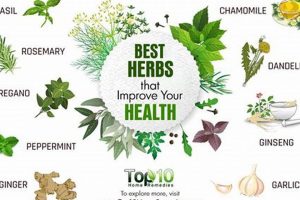
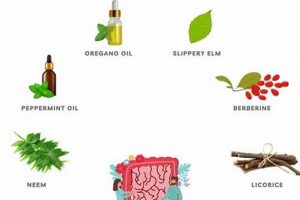
The accumulation of excess fluid in bodily tissues, known as edema, can manifest in various locations, leading to discomfort and potential health complications. Plant-derived products marketed to alleviate this condition encompass a range of formulations intended to promote fluid balance and reduce swelling. These preparations often contain compounds believed to possess diuretic or anti-inflammatory properties. For example, supplements containing dandelion or parsley are sometimes used with the intention of increasing urine production and thereby reducing fluid retention.
Addressing fluid accumulation is a critical aspect of managing overall health. Historically, various cultures have utilized botanical remedies to combat this condition. The potential benefits of such approaches lie in their accessibility and perceived natural origin. However, the efficacy and safety of these remedies warrant careful consideration, especially in the context of underlying medical conditions or concurrent medications. It is important to consult with a healthcare professional.
The following sections will explore specific botanical options and their purported mechanisms of action, examine the available scientific evidence supporting their use, and discuss potential risks and interactions associated with their consumption. Crucially, this discussion emphasizes the need for informed decision-making and professional medical guidance when considering alternative or complementary treatments for managing fluid imbalance.
Guidance on Botanical Products for Edema
The judicious use of plant-based products may be considered as a complementary approach to managing edema. However, it is imperative to proceed with caution and prioritize safety and efficacy.
Tip 1: Consultation with a Healthcare Professional: Prior to initiating any herbal regimen, seek guidance from a qualified healthcare provider. This ensures the suitability of the chosen product, minimizes potential interactions with existing medications, and allows for appropriate monitoring of the condition.
Tip 2: Selection of Reputable Brands: Opt for supplements from established manufacturers adhering to stringent quality control measures. Third-party certification can provide assurance regarding the product’s purity and potency.
Tip 3: Adherence to Recommended Dosage: Strictly follow the dosage guidelines provided by the manufacturer or as directed by a healthcare professional. Exceeding the recommended dose does not necessarily enhance efficacy and may increase the risk of adverse effects.
Tip 4: Monitoring for Allergic Reactions: Be vigilant for any signs of an allergic reaction, such as skin rash, itching, swelling, or difficulty breathing. Discontinue use immediately if such symptoms occur and seek medical attention.
Tip 5: Awareness of Potential Interactions: Recognize that certain plant-based products may interact with prescription or over-the-counter medications. Inform your healthcare provider of all supplements being used to avoid potential complications.
Tip 6: Consider Lifestyle adjustments: Complementing botanical approaches with changes to eating habits such as reducing salt and drinking more water can help the body’s natural processes function properly
These tips are to inform. Implementing appropriate strategies requires careful planning and evaluation of outcomes.
The subsequent sections will delve further into specific botanical agents and their mechanisms of action, examining the scientific evidence supporting their utilization and delineating potential hazards and drug interactions associated with their consumption.
1. Diuretic Properties

Diuretic properties, the capacity to increase urine production, constitute a primary mechanism by which certain plant-derived supplements are purported to alleviate edema. Edema, characterized by excessive fluid accumulation within tissues, often necessitates strategies to promote fluid excretion. Botanical agents possessing diuretic activity can potentially reduce fluid volume, thereby mitigating swelling and associated discomfort. The efficacy of such supplements hinges on the presence and concentration of active compounds that directly influence renal function, augmenting the rate of urine formation and the excretion of electrolytes, such as sodium.
Examples of botanicals traditionally utilized for their diuretic properties include Equisetum arvense (horsetail) and Apium graveolens (celery seed). The purported action of these plants involves modulating kidney function, leading to increased fluid output. However, the extent to which these effects translate to clinically significant reductions in edema remains a subject of ongoing investigation. Furthermore, it is critical to acknowledge that the diuretic effect of plant-based supplements can vary considerably depending on factors such as plant species, preparation methods, and individual physiological characteristics. Over-consumption of diuretics can lead to dehydration and electrolyte imbalance.
In summary, diuretic properties represent a critical component of plant-based supplements intended for edema management. While certain botanicals exhibit the potential to promote fluid excretion, their efficacy and safety require rigorous scientific validation. The use of such supplements should be guided by healthcare professionals, taking into account individual health status, potential interactions with other medications, and the specific characteristics of the edema being treated. It also requires careful monitoring and adjustments to achieve desired outcomes and ensure balance.
2. Anti-inflammatory Actions

Inflammation frequently underlies the pathogenesis of edema. In various conditions, inflammatory processes contribute to increased vascular permeability, allowing fluid to leak from blood vessels into surrounding tissues. This fluid extravasation results in swelling, pain, and impaired tissue function. Certain plant-derived supplements are theorized to mitigate edema by virtue of their anti-inflammatory properties. These supplements contain compounds believed to modulate the inflammatory cascade, thereby reducing vascular leakage and promoting fluid reabsorption. For instance, edema associated with venous insufficiency often involves chronic inflammation of the venous walls. Supplements containing constituents like flavonoids, present in several plants, may help to stabilize blood vessel walls and decrease fluid leakage through dampening of inflammtory agents. Understanding of the underlying cause is crucial to deciding the appropriate measure.
The effectiveness of plant-based anti-inflammatories in addressing edema depends on the specific inflammatory mechanisms involved. In cases where edema is primarily driven by non-inflammatory factors, such as lymphatic obstruction, the impact of these supplements may be limited. Furthermore, the anti-inflammatory potency of different botanicals varies considerably. For example, while curcumin, derived from turmeric ( Curcuma longa), exhibits potent anti-inflammatory effects in vitro and in some clinical studies, its bioavailability and efficacy in treating edema require further investigation. Other potential inflammation-reducing herbs are Ginger and willow barks.
In conclusion, anti-inflammatory actions represent a potentially important mechanism by which certain plant-derived supplements may alleviate edema. However, the use of such supplements necessitates a careful consideration of the underlying etiology of the edema, the specific anti-inflammatory properties of the botanical agent, and potential interactions with other medications or health conditions. Integration should always be under guidance from a qualified expert.
3. Product Standardization

Product standardization constitutes a crucial element in ensuring the safety and efficacy of plant-derived supplements intended for the management of edema. The inherent variability in plant composition necessitates rigorous quality control measures to guarantee consistent therapeutic outcomes.
- Active Constituent Quantification
The accurate quantification of active constituents within herbal supplements is paramount. Variations in growing conditions, harvesting practices, and processing methods can significantly impact the concentration of compounds responsible for therapeutic effects. Standardized products undergo analytical testing to verify the presence and concentration of specific active compounds, ensuring that each dose delivers a consistent and predictable effect. For instance, a supplement claiming to contain a specific level of flavonoids for anti-inflammatory action should be verified through analytical methods like High-Performance Liquid Chromatography (HPLC).
- Consistency in Formulation
Maintaining consistency in formulation is essential for reliable clinical outcomes. Herbal supplements often contain a complex mixture of plant constituents, some of which may contribute to efficacy while others may be inactive or even detrimental. Standardization ensures that the ratio of different constituents remains consistent from batch to batch, minimizing the risk of unexpected side effects or diminished therapeutic activity. Some suppliers use marker compounds rather than standardizing to the amount of the active ingredient.
- Purity and Absence of Contaminants
Standardization processes encompass measures to ensure the purity of herbal supplements and the absence of contaminants. Plant materials can be susceptible to contamination with heavy metals, pesticides, microbial pathogens, or adulterants. Standardized products undergo testing to detect and eliminate these contaminants, safeguarding consumer health. If a contaminant is detected above allowable limit, the entire batch is rejected.
- Bioavailability Enhancement
Standardization may involve techniques to enhance the bioavailability of active constituents. Some compounds exhibit poor absorption or rapid metabolism, limiting their therapeutic effectiveness. Techniques such as encapsulation or complexation with other molecules can improve bioavailability, ensuring that a greater proportion of the active constituent reaches the target tissues. Product standardization should include testing to confirm bioavailability.
These facets underscore the importance of product standardization in the context of herbal supplements intended for edema management. By addressing active constituent quantification, formulation consistency, purity, and bioavailability, standardization contributes to safer, more effective, and more predictable therapeutic outcomes, maximizing patient benefit while minimizing risk.
4. Potential Interactions

The realm of plant-derived supplements is not devoid of complexity, particularly concerning potential interactions with conventional pharmaceuticals and pre-existing health conditions. The simultaneous administration of herbal remedies with prescription medications can lead to synergistic, additive, or antagonistic effects, thereby altering the intended therapeutic outcomes. Interactions may manifest through diverse mechanisms, including modulation of drug metabolism, competition for receptor binding sites, or alteration of physiological processes such as blood clotting or electrolyte balance. For instance, a patient concurrently using warfarin, an anticoagulant medication, and a supplement containing high levels of coumarin, a compound found in some plants, may experience an increased risk of bleeding due to the synergistic anticoagulant effects. Similar interactions have been reported between certain herbal supplements and medications used to manage cardiovascular conditions, diabetes, and mental health disorders. Always check with your physician or clinical pharmacist before making changes in your medication usage.
The importance of understanding potential interactions stems from the fact that many individuals may not disclose their use of herbal supplements to their healthcare providers, leading to undetected and potentially harmful consequences. Elderly patients and those with multiple comorbidities are at heightened risk due to the increased likelihood of polypharmacy and altered drug metabolism. A practical example involves supplements marketed for their diuretic effects, intended to alleviate edema. If these are taken in conjunction with prescription diuretics, the combined effect may result in excessive fluid loss and electrolyte imbalances, leading to dehydration, cardiac arrhythmias, and renal dysfunction. In some cases, plant-derived supplements can inhibit or induce hepatic enzymes responsible for drug metabolism, thereby altering the plasma concentrations of concurrently administered medications. A real life example is St. John’s Wort which is known to interact with many medications.
In conclusion, the potential for interactions represents a critical consideration when contemplating the use of herbal supplements for edema. A thorough evaluation of potential interactions is essential to mitigate risks and ensure patient safety. Such evaluation should encompass a comprehensive medication history, an awareness of potential herb-drug interactions, and collaboration with qualified healthcare professionals. This will allow for informed decision-making and personalized treatment strategies. The risk for potential interaction also increases with higher dosages of herbs.
5. Individual Variability

The human body’s unique response to substances, known as individual variability, is a critical factor influencing the efficacy and safety of plant-derived supplements intended to alleviate edema. Genetic predispositions, physiological differences, and concurrent health conditions all contribute to the diverse ways individuals may react to herbal interventions. These differences necessitate a personalized approach when considering botanical remedies for fluid retention.
- Genetic Polymorphisms
Genetic variations, or polymorphisms, in genes encoding drug-metabolizing enzymes can significantly impact the pharmacokinetic profile of herbal constituents. Individuals with specific genetic variants may metabolize certain compounds more rapidly or slowly, leading to altered plasma concentrations and, consequently, variations in therapeutic response. For example, polymorphisms in cytochrome P450 enzymes can affect the metabolism of flavonoids, potentially influencing their anti-inflammatory or diuretic effects. Patients with impaired liver function may not metabolize the supplement as quickly. Knowing one’s genetic profile can assist in predicting whether someone may respond to the treatment.
- Physiological Factors
Physiological factors, such as age, body weight, and renal function, play a pivotal role in determining the appropriate dosage and efficacy of herbal supplements for edema. Elderly individuals often exhibit reduced renal function, potentially increasing their sensitivity to the diuretic effects of certain botanicals. Similarly, body weight can influence the distribution and elimination of active compounds, necessitating dosage adjustments. A smaller person may respond better to a lower dosage and vice versa.
- Pre-existing Health Conditions
Pre-existing health conditions can significantly modify an individual’s response to herbal supplements. Patients with underlying cardiovascular disease may be more susceptible to electrolyte imbalances induced by potent diuretics. Similarly, individuals with kidney disease require careful monitoring due to the potential for herb-induced nephrotoxicity or exacerbation of their condition. It is crucial for patients with underlying medical problems to consult their physician before starting any treatment.
- Gut Microbiome Composition
The gut microbiome, a complex community of microorganisms residing in the digestive tract, can influence the bioavailability and metabolism of herbal constituents. Certain gut bacteria possess the capacity to metabolize plant compounds, generating metabolites that may exert distinct biological effects. Variations in gut microbiome composition can therefore contribute to inter-individual differences in response to herbal supplements. A healthy gut allows one to absorb the nutrients in the herbal supplements effectively.
These facets underscore the paramount importance of considering individual variability when utilizing herbal supplements for edema. A personalized approach, encompassing a thorough assessment of genetic predispositions, physiological factors, pre-existing health conditions, and gut microbiome composition, is essential to maximize therapeutic benefits and minimize the risk of adverse effects. Collaboration between patients and healthcare professionals is crucial to tailoring treatment strategies to individual needs and optimizing outcomes. The same herbs may respond differently for different people.
Frequently Asked Questions
The following questions and answers address common inquiries regarding the utilization of plant-derived supplements in the management of edema. This information is intended to provide a general understanding and should not be interpreted as medical advice. Consultation with a qualified healthcare professional is imperative before initiating any treatment regimen.
Question 1: Are plant-based supplements a safe and effective treatment for all types of edema?
The safety and efficacy of plant-based supplements for edema are contingent upon several factors, including the underlying cause of the edema, the specific herbal product used, and the individual’s overall health status. Edema arising from certain medical conditions, such as heart failure or kidney disease, may necessitate conventional medical interventions. Plant-based supplements may serve as a complementary approach in some cases, but they are not universally effective or safe for all types of edema.
Question 2: How can one ensure the quality and purity of plant-derived supplements?
Ensuring the quality and purity of plant-derived supplements requires careful selection of reputable manufacturers and adherence to stringent quality control standards. Look for products that have undergone third-party testing to verify their identity, potency, and absence of contaminants. Certifications from organizations such as USP or NSF International can provide assurance of product quality.
Question 3: Are there specific plant-derived supplements that are contraindicated in certain medical conditions?
Certain plant-derived supplements are contraindicated in individuals with specific medical conditions. For example, supplements containing licorice root may exacerbate hypertension or hypokalemia. Individuals with kidney disease should exercise caution when using supplements with diuretic properties. Consultation with a healthcare professional is essential to identify potential contraindications.
Question 4: Can plant-derived supplements interact with prescription medications?
Plant-derived supplements can interact with prescription medications, potentially altering their efficacy or increasing the risk of adverse effects. Supplements may affect drug metabolism, absorption, or excretion. Individuals taking prescription medications should inform their healthcare provider about their use of herbal supplements to assess potential interactions.
Question 5: What are the potential side effects associated with plant-derived supplements for edema?
Plant-derived supplements can cause a range of side effects, depending on the specific botanical agent and the individual’s sensitivity. Common side effects may include gastrointestinal upset, allergic reactions, electrolyte imbalances, and changes in blood pressure. It is crucial to monitor for any adverse reactions and discontinue use if significant side effects occur.
Question 6: Is it advisable to self-treat edema with plant-derived supplements?
Self-treatment of edema with plant-derived supplements is generally not recommended. Edema can be a symptom of an underlying medical condition that requires proper diagnosis and management. Self-treatment may delay appropriate medical care and potentially worsen the condition. Seek guidance from a qualified healthcare provider for accurate diagnosis and treatment recommendations.
The prudent utilization of plant-derived supplements for edema necessitates a comprehensive understanding of their potential benefits, risks, and limitations. Collaboration with healthcare professionals is crucial for informed decision-making and personalized treatment strategies.
The following section will delve into specific examples of botanical agents and their purported mechanisms of action in alleviating edema, examining the available scientific evidence supporting their use and delineating potential hazards associated with their consumption.
Conclusion
This exploration has underscored the complexities inherent in utilizing plant-derived supplements for edema management. A nuanced understanding of diuretic and anti-inflammatory properties, coupled with rigorous attention to product standardization and potential interactions, is paramount. Individual variability necessitates a personalized approach, emphasizing the need for professional medical guidance in all cases. The information presented is not a guide to self-treat but rather a reminder to seek counsel from experts.
The ongoing investigation of botanical agents holds promise for complementary approaches to edema management. However, responsible implementation hinges on informed decision-making, prioritizing patient safety and evidence-based practices. As research continues, the integration of botanical medicine with conventional therapies demands rigorous scientific scrutiny and a commitment to optimizing patient outcomes through collaborative care.