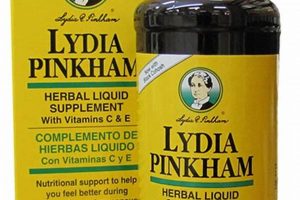
Products marketed to assist in reducing serum cholesterol levels through the use of plant-derived substances are increasingly prevalent. These preparations, often available over-the-counter, contain various botanical ingredients purported to modulate cholesterol metabolism or absorption. Examples include formulations featuring red yeast rice, plant sterols, and soluble fiber sources.
The appeal of these products stems from a perceived natural origin and, for some, a desire to avoid or complement conventional pharmaceutical interventions. Throughout history, various cultures have employed plants for medicinal purposes, including addressing cardiovascular health. Contemporary use reflects a growing interest in preventative health measures and a holistic approach to well-being, driving investigation into the efficacy and safety of plant-based alternatives.
The subsequent sections will delve into specific botanical ingredients found within these formulations, examining the scientific evidence supporting their cholesterol-modifying effects, potential risks, and interactions with other medications. Furthermore, the regulatory landscape surrounding their manufacture and marketing will be considered to provide a comprehensive overview.
Guidance on Incorporating Plant-Based Cholesterol Management Strategies
The following recommendations provide a framework for individuals considering the use of plant-derived compounds to assist in managing serum cholesterol concentrations. These points are intended for informational purposes and do not substitute professional medical advice. Consultation with a qualified healthcare provider is imperative prior to initiating any new therapeutic regimen.
Tip 1: Prioritize Dietary and Lifestyle Modifications: Establishing a foundation of heart-healthy dietary patterns and regular physical activity is paramount. These interventions often provide the most significant impact on lipid profiles. Specifically, increasing intake of soluble fiber, reducing saturated and trans fats, and engaging in at least 150 minutes of moderate-intensity exercise per week should be emphasized.
Tip 2: Research Specific Botanical Ingredients: Thoroughly investigate the available scientific literature pertaining to any particular botanical compound being considered. Focus on studies evaluating efficacy, safety, and potential drug interactions. Evaluate the quality of the research, noting sample sizes, study design, and sources of funding.
Tip 3: Assess Product Quality and Purity: Select formulations from reputable manufacturers that adhere to established quality control standards. Third-party certification can provide assurance of product purity and ingredient accuracy. Scrutinize labels for detailed information regarding ingredient sourcing, manufacturing processes, and potential contaminants.
Tip 4: Monitor Cholesterol Levels Regularly: Periodic lipid panel assessments are crucial for tracking progress and evaluating the effectiveness of any intervention. Work closely with a healthcare provider to establish baseline cholesterol levels and to schedule follow-up testing at appropriate intervals.
Tip 5: Be Vigilant for Potential Side Effects: While often perceived as natural and safe, plant-derived compounds can produce adverse effects in some individuals. Common side effects may include gastrointestinal discomfort, allergic reactions, or interactions with prescription medications. Promptly report any unexpected symptoms to a healthcare professional.
Tip 6: Consider Red Yeast Rice Cautiously: Red yeast rice contains monacolins, which are structurally similar to statin medications. As such, it carries similar risks of side effects, including muscle pain (myalgia) and liver damage. Individuals should be particularly cautious when considering red yeast rice and should undergo liver function testing periodically under medical supervision.
Tip 7: Understand the Limitations of Research: While some botanical compounds show promise in lowering cholesterol, the overall body of evidence is often limited by small sample sizes, short study durations, and inconsistent results. Realistic expectations are crucial, and reliance on solely botanical interventions may not be sufficient for all individuals.
Adherence to these guidelines, in conjunction with informed decision-making and close collaboration with a healthcare provider, can help individuals navigate the landscape of plant-derived approaches to cholesterol management effectively. The primary benefit lies in the potential to complement conventional strategies, contributing to a comprehensive approach to cardiovascular health.
The subsequent section will summarize key regulatory considerations.
1. Efficacy Evaluation

The efficacy evaluation of plant-derived products marketed to lower serum cholesterol concentrations is of paramount importance. Without robust scientific scrutiny, claims regarding cholesterol reduction remain unsubstantiated, potentially misleading consumers and posing risks to their cardiovascular health.
- Clinical Trial Rigor
The gold standard for evaluating the efficacy of any intervention, including these supplements, is the randomized, placebo-controlled clinical trial. These trials must adhere to rigorous methodological standards, including appropriate sample sizes, clearly defined endpoints (such as changes in LDL-C, HDL-C, and triglycerides), and statistical analyses to determine the significance of observed effects. The absence of well-designed clinical trials undermines the credibility of efficacy claims.
- Standardized Extracts and Dosage
Variations in the composition and potency of botanical extracts pose a significant challenge to efficacy evaluation. Studies should utilize standardized extracts with clearly defined concentrations of active compounds. Dosage regimens must be carefully considered and consistently applied across study participants. Lack of standardization and inconsistent dosage can lead to unreliable and irreproducible results, hindering accurate assessment of efficacy.
- Meta-Analyses and Systematic Reviews
Meta-analyses and systematic reviews synthesize the findings from multiple clinical trials to provide a comprehensive overview of the evidence base. These analyses can identify consistent trends, assess the overall effect size, and highlight areas of uncertainty. However, the quality of meta-analyses depends on the quality of the individual studies included. Meta-analyses that include studies with methodological flaws may produce biased or misleading conclusions.
- Surrogate Endpoints vs. Clinical Outcomes
Many studies evaluating the efficacy of plant-derived products rely on surrogate endpoints, such as changes in LDL-C, rather than directly assessing clinical outcomes, such as cardiovascular events (e.g., heart attack, stroke). While changes in LDL-C are generally considered a reliable predictor of cardiovascular risk, the ultimate goal is to reduce the incidence of clinical events. Studies that demonstrate a reduction in clinical events provide stronger evidence of efficacy than studies that only report changes in surrogate endpoints.
The rigorous evaluation of efficacy is indispensable for determining the true clinical value of plant-derived products. Consumers should critically assess the available evidence, considering the methodological limitations of individual studies and the overall strength of the evidence base. Reliance solely on anecdotal evidence or marketing claims without supporting scientific data is not advisable when considering these products.
2. Safety Profiles

The evaluation of safety profiles is paramount when considering plant-derived products intended to lower serum cholesterol. Unlike conventional pharmaceuticals, many such products are marketed as dietary supplements, subjecting them to less stringent regulatory oversight. Consequently, a thorough understanding of potential adverse effects, contraindications, and interactions is critical for responsible use.
- Adverse Effects and Tolerability
Plant-derived substances can induce a range of adverse effects, from mild gastrointestinal discomfort to more severe reactions. For example, red yeast rice, containing monacolins similar to statins, carries the risk of myopathy (muscle pain) and liver enzyme elevations. Plant sterols, while generally well-tolerated, may interfere with the absorption of certain nutrients. The tolerability of these products varies among individuals, necessitating careful monitoring for any adverse symptoms.
- Drug Interactions
Significant drug interactions can occur between certain herbal ingredients and conventional medications. For instance, garlic supplements can potentiate the effects of anticoagulants, increasing the risk of bleeding. St. John’s Wort, sometimes included in formulations for its purported mood-enhancing effects, can interact with various medications, including statins, by affecting cytochrome P450 enzymes. Awareness of potential drug interactions is essential, particularly for individuals taking multiple medications.
- Contamination and Purity
The safety of these products is also contingent on their purity and freedom from contaminants. Heavy metals, pesticides, and adulterants have been detected in some supplements, raising concerns about potential toxicity. Reputable manufacturers adhere to quality control standards to minimize the risk of contamination. Third-party certification can provide an additional layer of assurance regarding product purity.
- Contraindications
Certain health conditions may contraindicate the use of specific plant-derived cholesterol-lowering products. For example, individuals with liver disease should exercise caution when considering red yeast rice due to the risk of hepatotoxicity. Pregnant or breastfeeding women should generally avoid such products due to limited safety data. A comprehensive medical history should be reviewed before initiating any new supplement regimen.
The safety profiles of plant-based cholesterol-lowering products are multifaceted and require careful consideration. By understanding potential adverse effects, drug interactions, contamination risks, and contraindications, individuals can make more informed decisions regarding their use. Consulting with a healthcare professional is advisable to assess individual risk factors and ensure the safe integration of these products into a comprehensive cholesterol management plan.
3. Ingredient Interactions

The potential for interactions between components within “herbal cholesterol lowering supplements” or between these supplements and conventional medications represents a significant area of concern. These interactions can impact both the efficacy and safety of the overall treatment regimen, potentially leading to diminished therapeutic effects or increased risk of adverse events.
- Synergistic Interactions
Synergistic interactions occur when the combined effect of multiple ingredients is greater than the sum of their individual effects. For instance, a formulation combining plant sterols, soluble fiber, and red yeast rice may exhibit a more pronounced cholesterol-lowering effect than any single ingredient alone. However, such synergistic effects are not always predictable and require rigorous scientific investigation to confirm their existence and clinical significance.
- Antagonistic Interactions
Antagonistic interactions, conversely, occur when one ingredient diminishes the effect of another. Certain herbal compounds may interfere with the absorption or metabolism of other ingredients, thereby reducing their bioavailability and therapeutic activity. For example, some constituents may inhibit enzymes responsible for metabolizing active compounds, leading to reduced effectiveness. This can render a supplement ineffective.
- Herb-Drug Interactions
Many plant-derived substances can interact with conventional medications, potentially altering their pharmacokinetic or pharmacodynamic properties. For instance, garlic, often included in these supplements, can potentiate the effects of anticoagulant drugs like warfarin, increasing the risk of bleeding complications. Similarly, St. John’s Wort can induce cytochrome P450 enzymes, accelerating the metabolism and reducing the effectiveness of statin medications. Careful consideration of potential herb-drug interactions is crucial, particularly for individuals taking multiple medications.
- Nutrient Interactions
Certain ingredients in these supplements may interfere with the absorption or utilization of essential nutrients. For example, high doses of plant sterols can reduce the absorption of fat-soluble vitamins like vitamin A, D, E, and K. Chronic use of these supplements may necessitate monitoring and supplementation of affected nutrients to prevent deficiencies. This consideration extends to other bioactive compounds within the supplements, potentially affecting the absorption of minerals or other vitamins, creating imbalances.
Understanding the complexities of ingredient interactions within “herbal cholesterol lowering supplements” is paramount for ensuring their safe and effective use. The potential for synergistic, antagonistic, herb-drug, and nutrient interactions underscores the importance of consulting with a qualified healthcare provider before initiating any new supplement regimen, especially for individuals with pre-existing medical conditions or those taking multiple medications. Furthermore, rigorous scientific research is needed to fully elucidate the interaction profiles of these complex formulations, allowing for evidence-based recommendations and minimizing the risk of adverse outcomes.
4. Quality Control

Quality control represents a critical and indispensable component of the “herbal cholesterol lowering supplements” industry. The absence of rigorous quality control measures can lead to products containing inconsistent amounts of active ingredients, adulterants, or contaminants, thereby jeopardizing consumer safety and undermining the potential therapeutic benefits. This connection signifies a direct cause-and-effect relationship: inadequate quality control inevitably results in compromised product integrity and potential harm.
The importance of quality control manifests in several key areas. Firstly, ensuring accurate identification and quantification of the purported active compounds is essential. For instance, red yeast rice, a common ingredient, should be tested to verify the concentration of monacolins, the statin-like compounds responsible for its cholesterol-lowering effects. Secondly, screening for contaminants such as heavy metals (lead, mercury, arsenic), pesticides, and microbial pathogens is vital to prevent adverse health effects. A real-life example highlights the significance: in 2012, an investigation revealed several herbal products containing lead levels exceeding safe limits, demonstrating the tangible risks of inadequate quality control. Thirdly, proper manufacturing processes, including adherence to Good Manufacturing Practices (GMP), are necessary to maintain product stability and prevent degradation of active ingredients over time.
In summary, quality control is not merely a regulatory requirement but a fundamental ethical obligation within the “herbal cholesterol lowering supplements” industry. Its practical significance lies in protecting consumers from potentially harmful products, ensuring accurate dosing of active ingredients, and preserving the integrity of the supplement from manufacturing to consumption. Challenges remain in enforcing consistent quality control standards across the diverse range of manufacturers, highlighting the need for strengthened regulatory oversight and industry self-regulation. The broader theme emphasizes the responsibility of manufacturers, regulators, and consumers to prioritize quality and safety in the pursuit of plant-based approaches to cholesterol management.
5. Regulatory Status

The regulatory status of “herbal cholesterol lowering supplements” is a complex and often ambiguous area, significantly impacting their availability, marketing, and quality control. The classification of these products as dietary supplements, rather than drugs, under prevailing regulations dictates a less stringent oversight process compared to pharmaceutical interventions. This distinction directly influences the requirements for safety and efficacy testing, labeling, and manufacturing practices.
- Dietary Supplement Classification
In many jurisdictions, “herbal cholesterol lowering supplements” are classified as dietary supplements. This classification exempts them from the rigorous pre-market approval process required for drugs. Manufacturers are not obligated to demonstrate efficacy through clinical trials prior to marketing their products. However, they are responsible for ensuring product safety and truthful labeling. Post-market surveillance mechanisms are often relied upon to identify and address safety concerns.
- Good Manufacturing Practices (GMP)
Manufacturers of dietary supplements, including those marketed for cholesterol lowering, are required to adhere to Good Manufacturing Practices (GMP). GMP regulations aim to ensure that products are consistently manufactured according to quality standards. These standards cover aspects such as facility design, equipment maintenance, raw material sourcing, and testing procedures. Compliance with GMP regulations is a prerequisite for legally marketing dietary supplements. Nevertheless, enforcement and oversight of GMP regulations can be challenging, leading to variations in product quality among different manufacturers.
- Health Claims and Labeling
Regulations governing health claims and labeling of dietary supplements are designed to prevent misleading or deceptive marketing practices. Manufacturers are generally prohibited from making disease claims (e.g., “cures high cholesterol”) without prior approval from regulatory agencies. However, they may make structure/function claims (e.g., “supports healthy cholesterol levels”) provided that they are truthful and not misleading. Labeling requirements mandate the inclusion of specific information, such as ingredient lists, serving sizes, and manufacturer contact information. Nevertheless, loopholes and ambiguities in labeling regulations can sometimes be exploited, allowing manufacturers to make unsubstantiated claims or obfuscate potential risks.
- Post-Market Surveillance
Post-market surveillance systems play a critical role in identifying and addressing safety concerns related to dietary supplements. These systems rely on reports of adverse events from consumers, healthcare professionals, and manufacturers. Regulatory agencies may investigate reported adverse events and take enforcement actions, such as issuing warning letters, recalls, or import alerts. However, post-market surveillance is inherently reactive, meaning that safety issues may not be identified until after consumers have been exposed to potentially harmful products. Furthermore, the underreporting of adverse events can limit the effectiveness of post-market surveillance systems.
The regulatory landscape surrounding “herbal cholesterol lowering supplements” presents a complex interplay of factors that influence product quality, safety, and marketing. The absence of stringent pre-market approval processes necessitates a reliance on GMP compliance, truthful labeling, and robust post-market surveillance systems. The inherent limitations of these regulatory mechanisms underscore the importance of consumer awareness, critical evaluation of product claims, and consultation with healthcare professionals prior to using these supplements. The case highlights the essential balance between promoting consumer access to alternative health products and ensuring their safety and effectiveness through appropriate regulatory oversight.
Frequently Asked Questions
The following questions and answers address common inquiries and concerns regarding plant-derived products marketed to lower serum cholesterol levels. The information provided is intended for educational purposes and does not substitute for professional medical advice.
Question 1: Are herbal cholesterol lowering supplements a safe alternative to prescription medications?
The safety profiles of these products vary considerably. While some individuals may experience no adverse effects, others may encounter gastrointestinal discomfort, allergic reactions, or interactions with prescription medications. Furthermore, the composition and purity of these supplements can vary, posing potential risks from contaminants. Prescription medications undergo rigorous safety testing and are subject to stricter regulatory oversight. Consultation with a healthcare professional is essential to determine the most appropriate and safe treatment approach.
Question 2: How effective are herbal cholesterol lowering supplements compared to statins?
The effectiveness of these supplements is generally less pronounced than that of statin medications. While some botanical ingredients, such as red yeast rice, have demonstrated modest cholesterol-lowering effects in clinical trials, the magnitude of these effects is typically smaller than that achieved with statins. Moreover, the long-term efficacy and safety of many herbal supplements remain uncertain due to limited data.
Question 3: Can herbal cholesterol lowering supplements interact with other medications?
Yes, significant drug interactions can occur. Garlic, for example, can potentiate the effects of anticoagulants, increasing the risk of bleeding. St. John’s Wort can interact with various medications, including statins, by affecting cytochrome P450 enzymes. Individuals taking prescription medications should consult with a healthcare provider before using these supplements to assess potential interaction risks.
Question 4: What should be considered when choosing an herbal cholesterol lowering supplement?
Select products from reputable manufacturers that adhere to established quality control standards. Look for third-party certification to verify product purity and ingredient accuracy. Scrutinize labels for detailed information regarding ingredient sourcing, manufacturing processes, and potential contaminants. Research the specific botanical ingredients and evaluate the scientific evidence supporting their cholesterol-modifying effects.
Question 5: Are there any specific health conditions that contraindicate the use of herbal cholesterol lowering supplements?
Certain health conditions may preclude the use of these products. Individuals with liver disease should exercise caution when considering red yeast rice due to the risk of hepatotoxicity. Pregnant or breastfeeding women should generally avoid these supplements due to limited safety data. A comprehensive medical history should be reviewed with a healthcare provider prior to initiating any new supplement regimen.
Question 6: Where can reliable information about herbal cholesterol lowering supplements be found?
Consult with a healthcare professional, such as a physician or registered dietitian, for personalized recommendations and guidance. Reputable sources of information include government agencies, professional medical organizations, and peer-reviewed scientific publications. Be wary of unsubstantiated claims or anecdotal evidence found on commercial websites or in marketing materials.
In summary, informed decision-making, based on scientific evidence and professional guidance, is paramount when considering the use of these supplements. These products are not a substitute for conventional medical care and should be used judiciously and under the supervision of a healthcare provider.
The subsequent section will delve into additional resources and further reading on this topic.
Conclusion
The preceding analysis has explored the multifaceted nature of “herbal cholesterol lowering supplements,” encompassing efficacy, safety, regulatory considerations, and potential ingredient interactions. Scientific evidence supporting their effectiveness varies considerably among individual ingredients, with some demonstrating modest cholesterol-modifying effects. Safety profiles are equally diverse, necessitating careful consideration of potential adverse events and drug interactions. The regulatory landscape governing these products differs significantly from that of conventional pharmaceuticals, resulting in less stringent oversight and quality control measures.
In light of these complexities, informed decision-making, based on scientific evidence and professional guidance, remains paramount. The use of “herbal cholesterol lowering supplements” should not substitute conventional medical care and should be pursued judiciously and under the supervision of a healthcare provider. Further research is warranted to elucidate the long-term efficacy and safety of these products, as well as to establish standardized manufacturing practices that ensure product quality and consistency. The ultimate goal is to promote cardiovascular health through evidence-based strategies that prioritize patient safety and well-being.