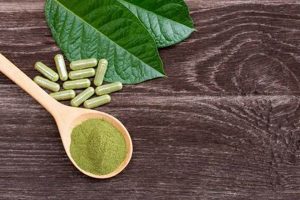
Substances marketed as natural alternatives intended to support the body’s dopamine levels are gaining increasing attention. These products often contain extracts from plants believed to influence neurotransmitter synthesis or receptor activity. Examples include Mucuna pruriens, known for its L-DOPA content, a direct precursor to the neurotransmitter in question, and other botanicals traditionally used for mood enhancement.
The appeal of such preparations lies in the purported ability to address conditions associated with dopamine deficiency, such as reduced motivation, fatigue, and certain neurological disorders. Historically, various cultures have employed herbs and natural remedies for cognitive and emotional well-being. Modern interest reflects a broader trend toward holistic health and a preference for natural interventions.
The subsequent sections will delve into the scientific evidence supporting the efficacy of specific botanical extracts in modulating dopamine pathways, examine potential risks and side effects, and address crucial considerations for individuals contemplating their use.
Guidance on Natural Dopamine Support
The following guidelines offer insights into the responsible and informed consideration of plant-derived substances intended to influence dopamine pathways.
Tip 1: Research Actively: Thoroughly investigate the scientific basis supporting the use of any botanical extract. Peer-reviewed studies, clinical trials, and reputable scientific publications should be consulted to ascertain its potential effects on dopamine levels and overall health.
Tip 2: Consult a Healthcare Professional: Prior to initiating any regimen involving natural dopamine support, engage in a consultation with a qualified physician or healthcare provider. This step is critical to assess individual suitability, potential interactions with existing medications, and underlying health conditions.
Tip 3: Assess Product Quality: Exercise diligence in selecting products from reputable manufacturers that adhere to stringent quality control standards. Look for certifications indicating third-party testing for purity, potency, and absence of contaminants.
Tip 4: Begin with a Low Dosage: Initiate supplementation at the lowest recommended dosage to evaluate individual tolerance and minimize the risk of adverse effects. Gradually increase the dosage, if necessary, while closely monitoring for any changes in mood, energy levels, or overall well-being.
Tip 5: Monitor for Side Effects: Remain vigilant for any potential side effects, such as gastrointestinal distress, insomnia, or changes in blood pressure. Discontinue use and seek medical attention if any concerning symptoms arise.
Tip 6: Recognize Individual Variability: Acknowledge that responses to botanical extracts can vary significantly among individuals. Factors such as genetics, lifestyle, and pre-existing health conditions can influence the effectiveness and tolerability of these substances.
Tip 7: Maintain Realistic Expectations: Understand that natural dopamine support is not a substitute for conventional medical treatments or lifestyle modifications. It should be viewed as a complementary approach to promote overall well-being.
Adherence to these recommendations promotes a responsible and informed approach to utilizing plant-derived substances for dopamine support. Careful consideration of product quality, individual health status, and realistic expectations are essential.
The next section will address potential risks, side effects, and long-term considerations associated with these types of products.
1. Botanical Sources

The efficacy and safety profile of substances marketed as natural dopamine enhancers are inextricably linked to their botanical sources. The specific plant species and its cultivation conditions directly influence the concentration of active compounds, such as L-DOPA in Mucuna pruriens. Variations in L-DOPA content can significantly alter the intended physiological effects, potentially leading to either sub-therapeutic or, conversely, excessive dopamine stimulation. Therefore, identifying and verifying the botanical origin is paramount in assessing the reliability and consistency of these supplements.
Furthermore, the geographical origin and harvesting practices affect the presence of secondary metabolites and potential contaminants within the botanical extract. For example, herbs grown in contaminated soil may accumulate heavy metals, posing a health risk to consumers. Similarly, improper drying and storage methods can lead to degradation of active compounds or the proliferation of harmful microorganisms. A thorough understanding of the supply chain, from cultivation to extraction, is essential to ensure the purity and quality of the final product.
In conclusion, the selection and characterization of botanical sources are critical determinants of the effectiveness and safety of natural dopamine enhancers. Without rigorous quality control measures and transparent sourcing practices, the purported benefits of these supplements may be compromised, and consumers may be exposed to unforeseen health risks. Careful attention to these factors is essential for responsible use and informed decision-making.
2. L-DOPA Content
The presence and concentration of L-DOPA (levodopa) within botanical preparations marketed as dopamine support are critical determinants of their potential physiological effects. L-DOPA is a direct precursor to dopamine, and its availability is often the rate-limiting step in dopamine synthesis within the brain. As such, botanical extracts containing L-DOPA, such as those derived from Mucuna pruriens, are theorized to increase dopamine levels and, consequently, influence mood, motivation, and motor control. The actual impact, however, hinges on the quantity of L-DOPA present in the supplement and its bioavailability after ingestion. For instance, a product with minimal L-DOPA will likely exert a negligible effect, whereas one with excessively high concentrations could induce adverse side effects similar to those observed with synthetic L-DOPA medications, including dyskinesias or nausea. Therefore, understanding the L-DOPA content is paramount for assessing the potential risks and benefits.
The effects of Mucuna pruriens on Parkinsons disease symptoms serve as a relevant example. While some studies suggest that the natural L-DOPA present in this botanical can provide symptomatic relief comparable to synthetic L-DOPA, but with potentially fewer side effects, these findings are predicated on consistent and quantifiable L-DOPA levels. Products with inconsistent or undisclosed L-DOPA concentrations introduce substantial variability in therapeutic outcomes and increase the risk of unpredictable adverse reactions. Moreover, factors like processing methods and storage conditions can affect the stability and bioactivity of L-DOPA within the herbal supplement, further complicating dosage considerations. Without standardized methods for L-DOPA quantification and rigorous quality control, the effectiveness of these supplements remains highly uncertain.
In conclusion, the L-DOPA content is a fundamental component influencing both the efficacy and safety of botanical products marketed as natural dopamine enhancers. The lack of standardized quantification methods and regulatory oversight poses significant challenges for consumers and healthcare providers seeking reliable information about these supplements. Until consistent analytical techniques are implemented and quality control measures enforced, the practical utility and safety profile of L-DOPA-containing botanical preparations will remain a subject of ongoing concern and require careful evaluation on a case-by-case basis.
3. Clinical Evidence

The purported benefits of botanical substances marketed to enhance dopamine levels are primarily predicated on traditional use and anecdotal reports. However, the validity of these claims hinges on rigorous clinical evidence. The absence of well-designed, controlled studies significantly diminishes the credibility of assertions regarding efficacy and safety. While in vitro and animal studies can provide preliminary insights into mechanisms of action, they do not reliably translate to human outcomes. Clinical trials are essential to determine whether these supplements genuinely elevate dopamine levels in humans, alleviate symptoms associated with dopamine deficiency, and, importantly, identify potential adverse effects. For example, while Mucuna pruriens has shown promise in some studies involving Parkinson’s disease patients, the quality and size of these trials vary, making it difficult to draw definitive conclusions about its effectiveness compared to conventional dopamine replacement therapies. The lack of standardization in preparations further complicates the interpretation of results.
Clinical evidence not only establishes efficacy but also helps define appropriate dosages, identify potential drug interactions, and delineate contraindications. Without such data, individuals may inadvertently consume excessive amounts of a particular herb, leading to adverse reactions or interactions with existing medications. Consider the potential interaction between St. John’s Wort, an herb sometimes used for mood regulation, and certain antidepressants that also affect neurotransmitter levels. The concurrent use of these substances could lead to serotonin syndrome, a potentially life-threatening condition. Clinical trials provide the necessary framework for assessing these risks and developing guidelines for safe and effective use. Furthermore, evidence-based research can inform healthcare professionals and empower them to provide informed recommendations to patients considering these supplements.
In summary, clinical evidence is the cornerstone of responsible and informed use of substances marketed to enhance dopamine. The absence of robust clinical data necessitates a cautious approach, emphasizing the need for further research to validate claims, establish safe dosages, and identify potential risks. The integration of rigorous clinical trials into the evaluation of these supplements is crucial for protecting public health and fostering evidence-based decision-making. Until such data become readily available, consumers should approach these products with skepticism and consult with healthcare professionals before initiating use.
4. Safety Profile

The safety profile of herbal supplements marketed for dopamine enhancement is a critical consideration, often underestimated by consumers. These supplements, while presented as natural alternatives, are not inherently risk-free. The potential for adverse effects, drug interactions, and variations in product quality necessitates a thorough evaluation of their safety characteristics.
- Variability in Composition
The composition of these supplements can vary significantly between manufacturers and even between batches from the same manufacturer. This lack of standardization introduces uncertainty regarding the dosage of active ingredients and the presence of contaminants. For example, the concentration of L-DOPA in Mucuna pruriens extracts can differ considerably, leading to unpredictable effects. The absence of rigorous quality control standards exacerbates this issue.
- Potential for Drug Interactions
Herbal supplements can interact with prescription medications, potentially altering their efficacy or increasing the risk of adverse effects. For example, St. John’s Wort, an herb known to influence neurotransmitter levels, can interact with antidepressants, leading to serotonin syndrome. Individuals taking medications for Parkinson’s disease, depression, or other neurological conditions should exercise extreme caution and consult with a healthcare professional before using any herbal supplement marketed for dopamine enhancement.
- Risk of Adverse Effects
Even in the absence of drug interactions, herbal supplements can cause adverse effects. These effects can range from mild gastrointestinal discomfort to more serious complications such as liver damage or cardiovascular issues. The risk of adverse effects is influenced by individual factors such as age, pre-existing health conditions, and genetic predispositions. Furthermore, long-term safety data for many of these supplements are lacking, making it difficult to assess the potential for chronic toxicity.
- Lack of Regulatory Oversight
The herbal supplement industry is subject to less stringent regulatory oversight than the pharmaceutical industry. This limited oversight increases the risk of adulteration, mislabeling, and the presence of undeclared ingredients. Consequently, consumers may unknowingly ingest substances that are harmful or ineffective. The absence of standardized testing and certification processes further complicates the assessment of product safety.
In conclusion, the safety profile of herbal supplements marketed for dopamine enhancement is multifaceted and requires careful consideration. The variability in composition, potential for drug interactions, risk of adverse effects, and lack of regulatory oversight underscore the need for informed decision-making and consultation with a healthcare professional. Consumers should approach these supplements with caution and prioritize products from reputable manufacturers that adhere to rigorous quality control standards.
5. Dosage Variability
The effectiveness and safety of botanical preparations promoted as dopamine modulators are significantly affected by dosage variability. This variability stems from several sources, including inconsistencies in the concentration of active compounds within the plant material, variations in extraction methods, and a lack of standardized manufacturing processes. As a result, consumers may inadvertently ingest widely different amounts of dopamine precursors or other potentially active constituents, leading to unpredictable physiological effects. Mucuna pruriens, often touted for its L-DOPA content, exemplifies this issue. The concentration of L-DOPA can vary substantially between different Mucuna pruriens products, affecting its impact on dopamine levels. For example, a study comparing different Mucuna pruriens extracts found a tenfold difference in L-DOPA content. This variability underscores the challenge in establishing consistent therapeutic effects.
Furthermore, individual responses to dopamine-modulating supplements are influenced by factors such as age, body weight, metabolic rate, and pre-existing health conditions. These factors contribute to inter-individual differences in drug absorption, distribution, metabolism, and excretion. What might be a therapeutic dose for one individual could be sub-therapeutic or even toxic for another. Dosage variability also creates challenges for researchers attempting to evaluate the efficacy of these supplements in clinical trials. The lack of standardized dosages makes it difficult to compare results across studies and draw meaningful conclusions about their effectiveness. This is particularly relevant when considering the potential use of these supplements as adjunctive therapies for conditions such as Parkinson’s disease or depression. Without precise dosage control, it’s difficult to determine whether observed effects are attributable to the supplement itself or to other confounding factors.
In summary, dosage variability represents a significant hurdle in realizing the potential benefits and mitigating the risks of botanical products aimed at influencing dopamine pathways. The lack of standardized manufacturing practices, variations in plant composition, and individual differences in response contribute to this problem. Addressing dosage variability through improved quality control, standardized extraction methods, and personalized dosing strategies is crucial for promoting the safe and effective use of these supplements. Until these issues are addressed, consumers should exercise caution and consult with healthcare professionals before using these products, particularly those with pre-existing health conditions or who are taking other medications.
6. Neurotransmitter Interaction

The efficacy and safety of herbal supplements marketed for dopamine enhancement are fundamentally linked to their interactions with other neurotransmitter systems within the central nervous system. Dopamine, while a key player in reward, motivation, and motor control, does not function in isolation. It interacts extensively with other neurotransmitters, including serotonin, norepinephrine, GABA, and glutamate, to regulate complex behavioral and physiological processes. Consequently, botanical substances that influence dopamine pathways may also inadvertently affect these other neurotransmitter systems, leading to unintended consequences. For instance, an herb that enhances dopamine release might simultaneously inhibit serotonin reuptake, potentially causing an imbalance in neurotransmitter activity. This can manifest as altered mood, anxiety, or sleep disturbances. Therefore, understanding the potential for neurotransmitter interaction is crucial when evaluating the use of these supplements.
Several herbal supplements that have been traditionally used for mood support or cognitive enhancement have known or suspected effects on multiple neurotransmitter systems. St. John’s Wort, often used for depression, affects serotonin, norepinephrine, and dopamine levels. Similarly, Rhodiola rosea, an adaptogen, has been shown to modulate serotonin, dopamine, and norepinephrine. While these multi-faceted effects may contribute to their overall therapeutic actions, they also increase the risk of unintended side effects or interactions with other medications. For example, combining a dopamine-enhancing herb with a selective serotonin reuptake inhibitor (SSRI) antidepressant could lead to serotonin syndrome, a potentially life-threatening condition characterized by agitation, confusion, rapid heart rate, and muscle rigidity. Therefore, healthcare professionals must carefully assess the potential for neurotransmitter interactions when recommending or prescribing these supplements, particularly for individuals with pre-existing mental health conditions or those taking other medications that affect neurotransmitter function.
In conclusion, neurotransmitter interaction is a critical factor to consider when evaluating the use of herbal supplements marketed for dopamine enhancement. These supplements can have complex effects on multiple neurotransmitter systems, potentially leading to unintended consequences and drug interactions. A thorough understanding of these interactions, combined with careful monitoring and personalized dosing strategies, is essential for promoting the safe and effective use of these products. Future research should focus on elucidating the specific mechanisms by which these herbs interact with different neurotransmitter systems and on developing evidence-based guidelines for their use in clinical practice. The need for careful assessment and professional guidance cannot be overstated.
7. Regulation Status

The regulation status of botanical products marketed as dopamine enhancers has a direct and profound influence on product quality, consumer safety, and the validity of claims made by manufacturers. Because these substances are often categorized as dietary supplements, their regulatory oversight differs significantly from that applied to pharmaceutical drugs. This distinction means that pre-market approval is generally not required. Manufacturers are responsible for ensuring their products are safe, but the burden of proof often falls on regulatory agencies to demonstrate harm after a product is already on the market. This lag can expose consumers to potentially unsafe or ineffective products. For example, a supplement containing Mucuna pruriens could contain inconsistent levels of L-DOPA or be contaminated with heavy metals without immediate regulatory intervention.
The Dietary Supplement Health and Education Act (DSHEA) of 1994 governs the regulation of dietary supplements in the United States. While DSHEA establishes some standards for manufacturing practices, it does not mandate rigorous clinical trials to substantiate claims of efficacy or safety. This lack of stringent requirements allows manufacturers to market products based on limited or preliminary evidence, leading to unsubstantiated claims regarding dopamine enhancement. The absence of mandatory third-party testing and certification processes further compounds the issue, creating opportunities for adulteration and mislabeling. For instance, a product labeled as containing a specific amount of a particular botanical extract may not accurately reflect its true composition, rendering it ineffective or even harmful. Real-world examples of adulterated supplements have been documented in regulatory warnings issued by the Food and Drug Administration (FDA) demonstrating the significance of regulation status on the legitimacy of these type of products.
In summary, the regulation status of botanical supplements marketed for dopamine modulation is a critical determinant of product quality, consumer safety, and the validity of marketing claims. The relatively lax regulatory environment in which these products operate increases the risk of adulteration, mislabeling, and unsubstantiated health claims. Consumers must exercise caution and seek guidance from healthcare professionals before using these supplements. Greater regulatory scrutiny and stricter enforcement of existing regulations are necessary to ensure that these products meet minimum standards for quality, safety, and efficacy. This proactive approach would safeguard public health and promote more informed decision-making regarding the use of botanical products for dopamine enhancement.
Frequently Asked Questions About Dopamine Herbal Supplements
This section addresses common inquiries and misconceptions regarding substances marketed as natural dopamine enhancers, providing evidence-based answers to promote informed decision-making.
Question 1: Are “dopamine herbal supplements” a safe and effective alternative to prescription medications for conditions like Parkinson’s disease or depression?
Substances categorized as “dopamine herbal supplements” are not established replacements for pharmaceutical interventions in managing conditions like Parkinson’s disease or depression. The efficacy of these substances is often not supported by rigorous clinical trials, and their use may interact with existing medication regimens.
Question 2: Do “dopamine herbal supplements” have any potential side effects?
Botanical extracts marketed under this designation can exhibit a range of side effects. These can include gastrointestinal distress, insomnia, and, in some cases, more severe complications if interactions occur with existing medications. The absence of standardized quality control can contribute to variability and potential contaminants.
Question 3: How can one verify the quality and purity of “dopamine herbal supplements?”
Assessments of product quality are crucial. Look for certifications from independent testing organizations indicating that the product has been evaluated for purity, potency, and absence of contaminants. Sourcing from reputable manufacturers is also advised.
Question 4: Is there a regulated dosage for “dopamine herbal supplements?”
Standardized dosage guidelines are often lacking for these products. Initiate use at the lowest recommended dosage to evaluate individual tolerance. Consulting a healthcare professional is vital to determine appropriate dosage levels based on individual health status.
Question 5: Can “dopamine herbal supplements” interact with other medications?
Herbal substances can exhibit interactions with a range of pharmaceuticals. Individuals on medication for neurological or psychological disorders should exercise extreme caution and consult with their healthcare provider before initiating use.
Question 6: Are claims made by manufacturers of “dopamine herbal supplements” scientifically substantiated?
Many claims associated with these products lack strong scientific backing. Exercise critical judgment and evaluate information from reliable, peer-reviewed sources. The limited regulatory oversight allows for unsubstantiated marketing practices.
In summary, a cautious and informed approach is advised when considering substances marketed as “dopamine herbal supplements.” Consultation with healthcare professionals, meticulous product evaluation, and an understanding of potential risks are imperative.
The subsequent section addresses actionable strategies.
This exploration has revealed the multifaceted nature of “dopamine herbal supplements.” Considerations of botanical source, L-DOPA content, clinical evidence, safety profiles, dosage variability, neurotransmitter interactions, and regulatory status are paramount in assessing their potential utility and risk. The ambiguity surrounding these products necessitates a cautious and informed approach, acknowledging the limitations of current scientific understanding.
Ultimately, the responsible use of “dopamine herbal supplements” hinges on rigorous scientific investigation, stringent quality control measures, and transparent communication of potential risks and benefits. Consumers must prioritize evidence-based decision-making, seeking guidance from qualified healthcare professionals to navigate this complex landscape. Further research and enhanced regulatory oversight are essential to ensure the safety and efficacy of these substances and promote well-being.