The potential for adverse effects arising from the use of botanical products marketed for health-related purposes constitutes a significant consideration for consumers and healthcare professionals. These products, often perceived as natural and inherently safe, can present a range of hazards depending on factors such as product quality, individual physiology, and concurrent medication use. For example, some preparations may contain contaminants, lack standardized dosages, or interact negatively with prescription drugs, leading to unexpected or detrimental health outcomes.
Understanding the safety profile of these products is paramount to informed decision-making. Historically, reliance on traditional medicine has been widespread; however, advancements in scientific methodology allow for more rigorous evaluation of the efficacy and potential harms associated with these treatments. Awareness of these factors empowers individuals to proactively manage their health and make educated choices regarding the incorporation of such alternatives into their wellness routines, considering them alongside conventional medical advice.
Subsequent discussion will explore specific areas of concern, including potential interactions with pharmaceuticals, the challenges of ensuring product purity and consistent potency, and the importance of clear labeling and consumer education to mitigate harm and promote the responsible use of botanical health products. This examination aims to provide a detailed overview of the factors contributing to the overall safety profile, thereby facilitating a more nuanced understanding of their role in health management.
The utilization of botanical remedies requires careful consideration. The following guidelines aim to minimize negative outcomes and promote responsible usage.
Tip 1: Consult a Healthcare Professional: Prior to initiating any new regimen involving botanicals, seek guidance from a qualified healthcare provider. This is especially crucial for individuals with pre-existing medical conditions, those taking prescription medications, or women who are pregnant or breastfeeding.
Tip 2: Research Product Information Thoroughly: Investigate the product’s source, manufacturing processes, and available scientific evidence supporting its claims. Reputable manufacturers often provide detailed information regarding quality control and safety testing.
Tip 3: Be Aware of Potential Interactions: Many botanicals can interact with pharmaceuticals, altering their efficacy or increasing the risk of side effects. Common interactions include increased bleeding risk with anticoagulants and changes in drug metabolism due to liver enzyme induction or inhibition.
Tip 4: Verify Product Quality and Purity: Look for products that have been independently tested and certified by third-party organizations. This helps ensure that the product contains the ingredients listed on the label and is free from contaminants such as heavy metals, pesticides, or adulterants.
Tip 5: Adhere to Recommended Dosages: Follow the dosage instructions provided by the manufacturer or healthcare provider. Exceeding the recommended dose can increase the likelihood of adverse effects.
Tip 6: Monitor for Adverse Reactions: Pay close attention to any unusual or unexpected symptoms following the use of a botanical product. Discontinue use immediately and seek medical attention if severe reactions occur, such as difficulty breathing, swelling, or skin rashes.
Tip 7: Source from Reputable Suppliers: Purchase from established and trustworthy retailers or manufacturers with a history of quality control and transparency. Avoid purchasing from unverified online sources or those making unsubstantiated claims.
By adhering to these guidelines, consumers can reduce the potential for negative outcomes associated with the use of botanical products. Informed decision-making and careful monitoring are essential components of responsible usage.
The ensuing sections will delve into further aspects of regulation, quality control, and the importance of reporting adverse events to facilitate ongoing improvements in safety and efficacy.
1. Interactions

The potential for interactions between botanical preparations and conventional pharmaceuticals constitutes a significant component of the risks associated with the use of herbal supplements. These interactions can manifest in various ways, including alterations in drug metabolism, enhanced or diminished therapeutic effects, and increased incidence of adverse reactions. The simultaneous administration of herbal supplements and prescription medications can lead to unpredictable clinical outcomes, particularly in individuals with pre-existing medical conditions or those taking multiple medications. This creates a complex interplay that necessitates careful consideration and monitoring by healthcare professionals.
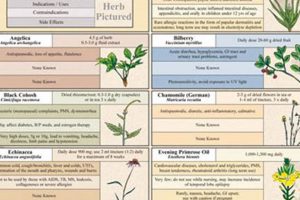
An illustrative example of this phenomenon is the interaction between warfarin, an anticoagulant medication, and certain herbal supplements such as Ginkgo biloba or garlic. Both Ginkgo biloba and garlic possess antiplatelet properties, which can potentiate the effects of warfarin, thereby increasing the risk of bleeding complications. Similarly, St. John’s Wort, a commonly used herbal remedy for depression, is known to induce certain cytochrome P450 enzymes involved in drug metabolism. This induction can accelerate the breakdown of various medications, including oral contraceptives and immunosuppressants, potentially reducing their efficacy and leading to therapeutic failure. These examples underscore the importance of a comprehensive medication history and thorough assessment of potential interactions prior to initiating herbal supplementation.
Understanding the mechanisms and clinical implications of these interactions is crucial for mitigating the risks associated with herbal supplement use. Healthcare providers must actively inquire about patients’ use of herbal products and educate them on potential interactions with their prescription medications. Furthermore, ongoing research is needed to elucidate the complex pharmacokinetic and pharmacodynamic interactions between herbal supplements and pharmaceuticals, enabling the development of evidence-based guidelines for safe and effective use. Addressing the challenge of interactions necessitates a collaborative approach involving healthcare professionals, researchers, and regulatory agencies to ensure the safe integration of herbal supplements into healthcare practices.
2. Contamination

The presence of extraneous substances in botanical products represents a significant dimension of the potential hazards associated with their consumption. This introduction of unintended components during cultivation, harvesting, processing, or packaging compromises product integrity and can lead to adverse health outcomes. The following outlines key aspects of this concern.
- Heavy Metal Contamination
Herbal supplements sourced from regions with polluted soil or water can accumulate heavy metals such as lead, mercury, and arsenic. Chronic exposure to these toxins can result in neurological damage, kidney dysfunction, and other systemic effects. For example, some Ayurvedic preparations have been found to contain elevated levels of lead, posing a serious threat to consumer health.
- Pesticide Residues
The use of pesticides during the cultivation of medicinal plants can leave residues on the final product. Ingestion of these residues can lead to acute toxicity or long-term health problems, including endocrine disruption and increased cancer risk. The lack of stringent regulations regarding pesticide use in herbal agriculture exacerbates this concern.
- Microbial Contamination
Improper handling and storage of raw materials can result in contamination with bacteria, fungi, or molds. These microorganisms can produce toxins that cause gastrointestinal distress, allergic reactions, or even systemic infections. Contamination with Aspergillus species, for instance, can lead to the production of aflatoxins, potent carcinogens.
- Adulteration and Substitution
Economic incentives can drive manufacturers to adulterate herbal supplements with cheaper or more readily available plant species. This practice can expose consumers to unexpected allergens, toxins, or pharmacologically active compounds, leading to adverse reactions or therapeutic ineffectiveness. The substitution of authentic ginseng with less expensive alternatives is a common example of this type of adulteration.
These contamination pathways underscore the importance of rigorous quality control measures throughout the herbal supplement supply chain. Consumers should seek products that have been independently tested for contaminants to minimize their exposure to these potential hazards, thereby reducing the overall health risks associated with the consumption of botanical products.
3. Dosage inconsistency

Dosage inconsistency, a prominent factor contributing to the risks associated with herbal supplements, stems from a lack of standardized manufacturing processes and quality control measures within the industry. Unlike pharmaceutical drugs, botanical products often lack rigorous regulatory oversight, resulting in significant variations in the concentration of active compounds across different brands and even within the same product batch. This variability introduces a challenge for consumers attempting to achieve a consistent and predictable therapeutic effect. The absence of uniform standards for cultivation, harvesting, processing, and extraction techniques further compounds the problem, leading to products with widely divergent potency.
The consequences of inconsistent dosages can range from therapeutic ineffectiveness to adverse health outcomes. For instance, a consumer seeking relief from mild anxiety using a valerian root supplement may experience no noticeable effect if the product contains a sub-therapeutic dose of the active compounds. Conversely, another individual using the same herb from a different manufacturer could experience unexpected side effects, such as excessive drowsiness or gastrointestinal distress, due to a higher-than-expected concentration of the active constituents. This unpredictability poses a particular risk to vulnerable populations, including children, the elderly, and individuals with pre-existing medical conditions, who may be more susceptible to the adverse effects of improperly dosed herbal supplements. Cases of liver toxicity have been linked to inconsistent dosages of certain herbal products, highlighting the potential for serious harm.
Addressing the challenge of dosage inconsistency requires collaborative efforts from regulatory agencies, manufacturers, and researchers. The establishment of standardized manufacturing practices, rigorous quality control testing, and transparent labeling requirements are essential steps toward ensuring product consistency and consumer safety. Furthermore, ongoing research is needed to identify and quantify the active compounds in herbal supplements, enabling the development of accurate dosing guidelines and evidence-based recommendations for their use. Ultimately, reducing dosage inconsistency is critical for mitigating the risks associated with botanical health products and promoting their responsible integration into healthcare practices.
4. Allergic reactions

Allergic reactions represent a significant aspect of the broader risks associated with herbal supplements. These reactions occur when the body’s immune system mistakenly identifies a substance within the supplement as harmful, triggering a cascade of immune responses that can manifest in a variety of symptoms. These substances, acting as allergens, can be naturally occurring compounds within the plant material or, less commonly, contaminants introduced during manufacturing processes. The severity of allergic reactions to herbal supplements can range from mild skin irritation and gastrointestinal distress to life-threatening anaphylaxis. The unpredictable nature of these reactions, coupled with the widespread use of herbal supplements, underscores the importance of understanding and mitigating this risk.
The specific allergens responsible for triggering these reactions vary depending on the botanical species and individual sensitivities. For example, individuals with allergies to ragweed may also experience cross-reactivity to herbal supplements containing echinacea or chamomile, both members of the Asteraceae plant family. Similarly, reactions to ginkgo biloba can occur in individuals sensitive to poison ivy, oak, or sumac. The lack of standardized labeling requirements for herbal supplements often makes it difficult for consumers to identify potential allergens, further increasing the risk of unintended exposure. The case of a previously healthy individual experiencing severe anaphylaxis after consuming a herbal tea containing undisclosed plant ingredients illustrates the potential for serious harm. This underscores the importance of careful ingredient review and consultation with healthcare professionals, particularly for individuals with known allergies or sensitivities.
Recognizing the potential for allergic reactions is crucial for minimizing the overall risks associated with herbal supplement use. Consumers with known allergies should exercise caution and carefully review product labels for potential cross-reactivity. Healthcare providers should actively inquire about patients’ use of herbal supplements and educate them on the signs and symptoms of allergic reactions. Furthermore, ongoing research is needed to identify and characterize the allergens present in commonly used herbal supplements, enabling the development of improved labeling practices and more informed consumer choices. Addressing the challenge of allergic reactions requires a multi-faceted approach involving consumer education, regulatory oversight, and scientific investigation to ensure the safe and responsible use of botanical health products.
5. Misidentification
Misidentification of plant species represents a critical pathway through which botanical preparations can pose significant health hazards. The use of an incorrect plant, either accidentally or intentionally, can introduce toxic compounds or lack the intended therapeutic properties, thereby negating any potential benefits and potentially causing harm. This issue arises from various factors, including the morphological similarity of different plant species, the use of common names that can refer to multiple plants, and the lack of stringent quality control measures throughout the supply chain. The risks associated with misidentification underscore the importance of accurate plant identification and rigorous authentication procedures.
A notable example of the dangers associated with misidentification is the confusion between comfrey (Symphytum officinale) and foxglove (Digitalis purpurea). While comfrey has been traditionally used for wound healing, foxglove contains cardiac glycosides that can cause severe heart rhythm abnormalities and even death. Similarly, the accidental substitution of Japanese star anise (Illicium anisatum), which contains neurotoxic compounds, for Chinese star anise (Illicium verum), a common culinary spice, has resulted in numerous cases of neurological damage and seizures. These instances illustrate the potential for severe consequences when plant identification is compromised. Furthermore, misidentification can lead to the consumption of allergenic plants by unsuspecting individuals, triggering severe allergic reactions. The practical significance of this understanding lies in the need for robust authentication techniques, such as DNA barcoding and microscopic analysis, to ensure the accurate identification of plant materials used in herbal supplements.
In conclusion, misidentification poses a serious threat to consumer safety and undermines the credibility of botanical preparations. The challenges associated with accurate plant identification necessitate a concerted effort from regulatory agencies, manufacturers, and researchers to implement rigorous quality control measures and authentication procedures. By prioritizing accurate plant identification, the risks associated with herbal supplements can be minimized, and consumers can make more informed choices regarding their health. The development of standardized reference materials and training programs for plant identification are crucial steps toward mitigating this significant hazard.
6. Efficacy uncertainty

Efficacy uncertainty, in the context of botanical preparations, directly contributes to the spectrum of potential harms associated with their utilization. The absence of definitive scientific evidence supporting the purported therapeutic effects of many herbal supplements results in consumers potentially forgoing or delaying conventional medical treatments with established efficacy. This delay can exacerbate underlying health conditions, leading to poorer prognoses and increased morbidity. Furthermore, the perception of benefit derived from an ineffective herbal product may mask the progression of disease, preventing timely intervention with evidence-based therapies. This constitutes a significant, albeit indirect, form of harm linked to the lack of efficacy. A real-world example includes individuals with hypertension relying solely on unproven herbal remedies instead of prescribed antihypertensive medications, ultimately increasing their risk of cardiovascular events.
The interaction between efficacy uncertainty and consumer behavior further amplifies the potential harms. Consumers, often driven by anecdotal evidence or marketing claims, may self-prescribe herbal supplements without consulting healthcare professionals. This self-medication practice, coupled with the lack of standardized dosages and product quality control, increases the likelihood of adverse events or interactions with concurrently used pharmaceuticals. Moreover, the lack of rigorous clinical trials evaluating the safety and efficacy of many herbal supplements makes it difficult to ascertain the true benefit-risk ratio. This uncertainty extends to healthcare professionals, who may struggle to provide informed guidance to patients regarding the appropriate use of botanical products. Consider individuals with diabetes who choose to use herbal supplements purported to lower blood sugar levels; without proper medical supervision and monitoring, these supplements may interact negatively with prescribed medications or prove ineffective, leading to dangerous fluctuations in blood glucose and potential complications.
In summation, efficacy uncertainty represents a fundamental component of the risks associated with herbal supplements. The lack of conclusive scientific evidence, combined with potential delays in seeking appropriate medical care and the complexities of self-medication, underscores the need for greater regulatory oversight, rigorous scientific evaluation, and enhanced consumer education. Addressing the challenge of efficacy uncertainty requires a concerted effort to establish clear standards for product quality, promote informed decision-making, and ensure that consumers are aware of the potential harms associated with the use of unproven botanical therapies. Only through such a comprehensive approach can the safety and well-being of the public be adequately protected.
Frequently Asked Questions Regarding Potential Hazards
This section addresses common inquiries related to the potential negative consequences of using botanical health products.
Question 1: Are all botanical products inherently safe due to their “natural” origin?
The perception of safety based solely on the natural origin of a product is a misconception. Botanical substances contain bioactive compounds that can interact with physiological systems in complex ways. Similar to pharmaceuticals, they possess the potential to cause adverse effects, particularly when used inappropriately or in conjunction with other medications.
Question 2: How can one determine the quality and purity of a botanical product?
Assessing the quality and purity of botanical products requires careful evaluation. Look for products that have undergone third-party testing and certification, which verifies the accuracy of ingredient labeling and screens for contaminants such as heavy metals, pesticides, and microbial pathogens. Reputable manufacturers typically provide detailed information regarding their quality control processes.
Question 3: What are the primary considerations regarding interactions between botanical products and prescription medications?
Interactions between botanical products and prescription medications represent a significant concern. Certain botanical compounds can alter the metabolism or efficacy of pharmaceuticals, potentially leading to reduced therapeutic effects or increased toxicity. Consultation with a healthcare professional is essential to assess potential interactions and manage concomitant use.
Question 4: How significant is the issue of dosage inconsistency in botanical preparations?
Dosage inconsistency is a prevalent challenge within the botanical product industry. Variations in plant cultivation, harvesting techniques, and manufacturing processes can result in significant differences in the concentration of active compounds. This inconsistency makes it difficult to achieve predictable therapeutic effects and increases the risk of adverse reactions.
Question 5: What are the potential risks associated with allergic reactions to botanical substances?
Allergic reactions to botanical substances can manifest in a range of symptoms, from mild skin irritation to severe anaphylaxis. Individuals with known allergies to specific plants or plant families should exercise caution when using botanical products and carefully review ingredient lists to avoid potential exposure.
Question 6: What steps can be taken to minimize the potential for misidentification of botanical species?
Minimizing the risk of misidentification requires stringent quality control measures throughout the supply chain. Manufacturers should employ accurate plant identification techniques, such as DNA barcoding and microscopic analysis, to verify the authenticity of raw materials. Consumers should purchase products from reputable sources and be wary of unsubstantiated claims.
In summary, a comprehensive understanding of the potential negative consequences and adherence to established safety guidelines are crucial for the responsible use of botanical health products. Prioritizing consumer safety and informed decision-making is essential.
The ensuing section will delve into regulatory aspects and the importance of adverse event reporting.
Conclusion
The preceding exploration of “risks of herbal supplements” has illuminated several critical areas of concern. From potential interactions with prescription medications to the dangers of contamination, misidentification, and dosage inconsistency, the utilization of botanical health products presents a complex landscape of potential harms. The uncertainty surrounding the efficacy of many supplements further compounds these risks, potentially leading individuals to delay or forgo conventional medical treatments. The responsible use of these products necessitates a comprehensive understanding of these potential negative consequences.
Given the inherent challenges and the potential for adverse outcomes, a cautious and informed approach is paramount. Consumers are urged to exercise diligence in their decision-making, seeking guidance from qualified healthcare professionals and scrutinizing product quality. Regulatory bodies must continue to strengthen oversight and enforcement to ensure product safety and accuracy. Ultimately, a greater emphasis on scientific rigor and transparent communication is essential to mitigate the inherent hazards and promote responsible practices within the botanical supplement industry. The health and well-being of the public depend on it.