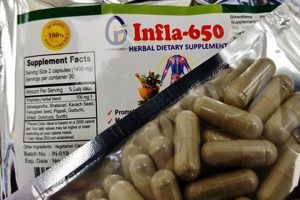
The use of plant-derived substances, often in concentrated forms, to potentially enhance reproductive capabilities constitutes a growing area of interest. These products, available in various formats such as capsules, tablets, and tinctures, are marketed to address concerns related to conception and reproductive health. Examples include formulations containing vitex, maca root, and red clover, frequently promoted for their perceived benefits in hormone regulation and overall well-being.
Throughout history, diverse cultures have employed botanical remedies to support reproductive function. The appeal of these approaches often stems from the perception of being natural alternatives or complements to conventional medical treatments. The purported benefits range from improving hormone balance and ovarian function to increasing sperm count and motility. However, rigorous scientific validation of these claims is essential to determine efficacy and ensure safety.
The subsequent sections will explore specific botanicals commonly associated with reproductive enhancement, examine the available research regarding their effectiveness, and outline potential risks and considerations for individuals contemplating their use. Careful evaluation and consultation with healthcare professionals are paramount before incorporating these substances into a fertility regimen.
Guidance on Utilizing Botanical Fertility Aids
The following considerations are essential when exploring the potential of botanical substances to support reproductive health. Informed decision-making, in conjunction with professional medical advice, is paramount.
Tip 1: Consult with a Qualified Healthcare Professional: Prior to initiating any botanical supplement regimen, a thorough consultation with a physician, reproductive endocrinologist, or qualified herbalist is crucial. This step ensures the suitability of such supplements, considering individual health history, potential drug interactions, and underlying medical conditions.
Tip 2: Research the Specific Botanical: A comprehensive understanding of the purported mechanisms of action, potential benefits, and documented side effects of each botanical is necessary. Peer-reviewed scientific literature should be consulted to assess the evidence base supporting claims.
Tip 3: Verify Product Quality and Sourcing: The purity and potency of botanical supplements can vary significantly. Select products from reputable manufacturers that adhere to Good Manufacturing Practices (GMP) and provide third-party testing results to verify product content and minimize the risk of contamination.
Tip 4: Adhere to Recommended Dosages: Exceeding recommended dosages does not necessarily enhance efficacy and may increase the likelihood of adverse effects. Strict adherence to established dosage guidelines is paramount.
Tip 5: Monitor for Adverse Reactions: Close observation for any signs of adverse reactions, such as allergic responses, gastrointestinal disturbances, or hormonal imbalances, is essential. Discontinuation of the supplement should occur immediately if any concerning symptoms arise.
Tip 6: Understand Potential Interactions: Botanical supplements can interact with prescription medications, over-the-counter drugs, and other supplements. A comprehensive disclosure of all substances being consumed is necessary to mitigate the risk of harmful interactions.
Tip 7: Manage Expectations Realistically: The effectiveness of botanical supplements in enhancing fertility can vary widely among individuals. These substances should not be considered a guaranteed solution and should be used in conjunction with other lifestyle modifications and medical interventions as recommended by a healthcare professional.
Botanical aids may offer supportive roles, but a holistic strategy incorporating medical assessment, lifestyle adjustments, and evidence-based treatments yields the best prospects.
The subsequent sections will address commonly asked questions and clarify existing misunderstandings about botanical products.
1. Safety Considerations

The use of botanical substances to support fertility presents inherent safety considerations that necessitate careful evaluation. Unlike pharmaceuticals, many herbal supplements lack rigorous clinical testing and regulatory oversight, leading to potential risks related to dosage, purity, and interactions. Adverse effects can range from mild gastrointestinal discomfort to more serious issues such as hormonal imbalances, allergic reactions, or liver damage. Furthermore, the absence of standardized manufacturing practices can result in batch-to-batch variability in product composition, making it difficult to ascertain the precise concentration of active ingredients and increasing the risk of unintended consequences.
Specific examples illustrate the practical significance of understanding safety considerations. Certain botanicals, such as black cohosh, have been associated with liver toxicity in some individuals. Others, like St. John’s Wort, can interact with prescription medications commonly used in fertility treatments, potentially reducing their effectiveness or increasing the risk of adverse events. Individuals with pre-existing medical conditions, such as bleeding disorders or hormone-sensitive cancers, may face heightened risks from specific herbal supplements. Moreover, the use of these substances during pregnancy or breastfeeding requires particular caution, as many have not been adequately studied for their effects on fetal development or infant health.
In summary, ensuring the safe use of botanical fertility aids necessitates a proactive approach. This includes consulting with a qualified healthcare professional to assess individual risk factors, carefully researching the potential benefits and drawbacks of specific herbal supplements, selecting products from reputable manufacturers with third-party testing, adhering to recommended dosages, and closely monitoring for any adverse reactions. The absence of stringent regulatory standards underscores the importance of informed decision-making and responsible utilization to minimize potential harm.
2. Efficacy Evidence

The efficacy of herbal supplements marketed for fertility enhancement represents a critical consideration in reproductive health. Claims regarding their ability to improve outcomes such as ovulation, sperm quality, or pregnancy rates necessitate rigorous scientific validation. The absence of robust evidence exposes individuals to potential financial burdens, delayed access to proven medical interventions, and the risk of adverse health consequences. For example, while some studies suggest a possible association between Vitex agnus-castus (chasteberry) and improved menstrual cycle regularity, the quality of evidence is often limited by small sample sizes, methodological flaws, and a lack of standardized preparations. This variability hinders the ability to draw definitive conclusions regarding its effectiveness.
The evaluation of efficacy evidence requires discerning the types and quality of available research. Randomized controlled trials (RCTs), considered the gold standard in medical research, provide the strongest evidence due to their ability to minimize bias and establish cause-and-effect relationships. Observational studies and anecdotal reports, while potentially suggestive, are prone to confounding factors and cannot reliably demonstrate efficacy. Moreover, the bioavailability and pharmacokinetics of herbal constituents can significantly impact their biological activity. Without comprehensive studies addressing these factors, it remains difficult to determine whether the active compounds reach target tissues in sufficient concentrations to elicit the desired effect. Real-world examples include cases where women relying solely on herbal supplements for fertility experienced prolonged delays in conception, ultimately requiring conventional medical treatments such as in vitro fertilization (IVF).
In conclusion, the link between efficacy evidence and herbal supplements for fertility is characterized by a significant disparity. Many marketed products lack the robust scientific backing necessary to substantiate their claims. While some botanicals may show promise in preliminary research, further rigorous investigation is essential to determine their true effectiveness and safety. Healthcare providers and individuals considering these supplements must critically evaluate the available evidence, weigh potential risks and benefits, and prioritize evidence-based approaches to fertility management.
3. Product Standardization

The absence of stringent standardization protocols in the manufacturing of botanical supplements poses a significant challenge to ensuring consistent quality, efficacy, and safety, particularly in the context of herbal supplements for fertility. Variability in plant sourcing, extraction methods, and processing techniques can result in substantial differences in the concentration of active compounds, potentially impacting therapeutic outcomes and increasing the risk of adverse effects. This lack of uniformity undermines the reliability of these products and complicates the interpretation of research findings.
- Active Compound Consistency
Standardization aims to ensure that each batch of a product contains a consistent and specified amount of the purportedly active compounds. For example, a standardized extract of Vitex agnus-castus (chasteberry) might guarantee a certain percentage of agnusides. Without standardization, the concentration of these compounds could vary significantly, leading to inconsistent effects on hormonal balance and potentially impacting ovulation.
- Source Material Authenticity
The correct identification and authentication of the plant species used in herbal supplements are critical. Adulteration with other plant species or the inclusion of incorrect plant parts can compromise the product’s efficacy and introduce potential toxins. DNA barcoding and other analytical techniques are employed to verify the botanical identity of the raw materials, ensuring that the final product contains the intended plant species.
- Extraction Method Variability
Different extraction methods (e.g., water extraction, alcohol extraction, supercritical fluid extraction) can yield varying concentrations and profiles of active compounds. Standardizing the extraction process ensures that the desired compounds are efficiently extracted and that unwanted constituents are minimized. For example, supercritical CO2 extraction can be optimized to selectively extract specific compounds from plant material, resulting in a more potent and targeted product.
- Good Manufacturing Practices (GMP) Compliance
Adherence to GMP guidelines is essential for ensuring product quality and safety. GMP encompasses various aspects of manufacturing, including facility cleanliness, equipment maintenance, raw material testing, and quality control procedures. Compliance with GMP regulations helps to minimize the risk of contamination, adulteration, and mislabeling, thereby ensuring that herbal supplements meet established standards for identity, purity, and potency.
Collectively, these facets of product standardization are vital for enhancing the reliability and safety of herbal supplements promoted for fertility. By addressing inconsistencies in active compound concentration, source material authenticity, extraction methods, and manufacturing practices, standardization efforts contribute to improved product quality and a more predictable therapeutic response. Consumers should prioritize products from manufacturers that demonstrate a commitment to quality control and transparency in their sourcing and manufacturing processes.
4. Regulation Oversight

The realm of herbal supplements marketed for fertility frequently operates within a regulatory landscape less stringent than that governing pharmaceuticals. This disparity creates a potential for inconsistencies in product quality, inaccurate labeling, and unsubstantiated claims. The absence of comprehensive regulation oversight directly impacts consumer safety and the ability to make informed decisions regarding these products. For instance, a supplement marketed to improve ovulation may contain undisclosed ingredients or fail to deliver the stated dosage of its purported active compounds. Such discrepancies hinder effective treatment and expose individuals to potential health risks, including adverse interactions with prescription medications or exacerbation of underlying conditions.
The importance of regulation oversight extends to the prevention of fraudulent or misleading marketing practices. Without robust regulatory mechanisms, manufacturers may promote their products with exaggerated claims lacking scientific validation. This can lead individuals to delay or forgo conventional medical treatments, potentially diminishing their chances of successful conception. An example of the consequence of the absence of regulation is the presence of heavy metals or other contaminants in certain products, which may have negative impacts on both maternal and fetal health. Effective regulation ensures that products meet established safety standards, are accurately labeled, and are supported by credible evidence of efficacy, thus protecting consumers from potentially harmful or ineffective products.
In summary, regulation oversight serves as a crucial safeguard in the context of herbal supplements for fertility. Its presence promotes product quality, prevents misleading marketing, and protects consumer health. A more comprehensive regulatory framework, encompassing stringent testing requirements, accurate labeling standards, and enforcement mechanisms, is necessary to ensure that individuals can make informed decisions about the use of these products. Without such oversight, the potential risks associated with herbal supplements for fertility outweigh their purported benefits.
5. Individual Variation
The human physiological landscape exhibits remarkable diversity, influencing responses to various interventions, including herbal supplements. This inherent variability profoundly impacts the efficacy and safety of botanicals used to promote fertility, necessitating a nuanced understanding of individual factors that can modify outcomes. Ignoring this variation can lead to suboptimal treatment strategies and potential adverse effects.
- Genetic Predisposition
Genetic polymorphisms influencing metabolic pathways, receptor expression, and immune function can significantly alter the response to herbal compounds. For example, variations in genes encoding cytochrome P450 enzymes (CYPs), responsible for metabolizing many botanical constituents, can lead to inter-individual differences in drug clearance rates. Consequently, individuals with specific CYP genotypes may experience either enhanced or diminished therapeutic effects from the same herbal supplement dose. This can affect hormone regulation and other processes relevant to fertility.
- Physiological Status
Age, weight, body composition, and overall health status are key determinants of how the body processes and responds to herbal interventions. For instance, individuals with pre-existing liver or kidney dysfunction may exhibit impaired metabolism and excretion of botanical compounds, increasing the risk of toxicity. Similarly, the hormonal milieu differs across life stages, influencing the impact of supplements aimed at modulating hormonal balance. A supplement intended to promote ovulation in a premenopausal woman may have different effects in a perimenopausal individual.
- Gut Microbiome Composition
The gut microbiome plays a significant role in the biotransformation of herbal compounds, influencing their bioavailability and biological activity. Variations in the composition and diversity of the gut microbiota can result in different metabolic pathways being activated, leading to distinct metabolite profiles and altered therapeutic effects. Some herbal constituents are metabolized by gut bacteria into active compounds that exert their effects on the host. The absence of specific bacterial strains in an individual’s gut may render certain herbal supplements ineffective.
- Concurrent Medications and Supplements
The use of other medications, whether prescription or over-the-counter, and other dietary supplements can significantly interact with herbal supplements, potentially leading to adverse effects or diminished efficacy. Herb-drug interactions can occur through various mechanisms, including altered absorption, distribution, metabolism, or excretion of either the herb or the drug. For example, St. John’s Wort, often used for mood regulation, can interact with certain fertility medications, reducing their effectiveness.
In light of these multifaceted sources of individual variation, a personalized approach to the use of herbal supplements for fertility is paramount. Thorough evaluation of an individual’s genetic background, physiological status, gut microbiome composition, and concurrent medication use is crucial for predicting response and minimizing the risk of adverse events. Healthcare professionals should carefully assess these factors before recommending any herbal supplement regimen, ensuring a tailored approach that considers the unique characteristics of each individual.
6. Healthcare Consultation

The integration of healthcare consultation within the framework of herbal supplements for fertility constitutes a critical safeguard against potential adverse outcomes. Self-prescription of botanicals, without professional guidance, may lead to suboptimal treatment strategies, interactions with existing medications, or the masking of underlying medical conditions contributing to infertility. Real-world examples illustrate the potential consequences: individuals with undiagnosed polycystic ovary syndrome (PCOS) self-treating with unregulated herbal products may experience further hormonal imbalances, delayed diagnosis, and reduced chances of conception. The practical significance lies in the healthcare provider’s ability to assess individual medical history, conduct necessary diagnostic tests, and provide evidence-based recommendations aligned with the patient’s specific needs.
Furthermore, healthcare consultation facilitates the identification of high-risk populations and the mitigation of potential adverse interactions. For instance, individuals with a history of hormone-sensitive cancers require careful evaluation before considering herbal supplements with estrogenic properties. Similarly, patients undergoing in vitro fertilization (IVF) need professional guidance regarding the concurrent use of botanicals, as some may interfere with the efficacy of fertility medications or increase the risk of complications. The consultation process provides an opportunity to educate patients about the limitations of herbal supplements, the importance of evidence-based medicine, and the potential benefits of conventional fertility treatments.
In summary, healthcare consultation is an indispensable component of responsible herbal supplement use for fertility. It mitigates risks, promotes informed decision-making, and ensures that individuals receive appropriate medical care. The challenge lies in promoting widespread awareness of the importance of professional guidance and fostering open communication between patients and healthcare providers regarding the use of complementary and alternative medicine. Ultimately, integrating healthcare consultation into the management of fertility concerns enhances patient safety and improves overall outcomes.
Frequently Asked Questions
The following addresses common inquiries regarding the use of botanical supplements to support reproductive function. Information presented aims to clarify prevailing uncertainties and provide evidence-based insights.
Question 1: Are botanical fertility aids a safe alternative to conventional medical treatments?
Botanical supplements should not be considered a replacement for conventional medical interventions in the management of infertility. While some botanicals may offer supportive benefits, their efficacy is often less well-established than that of conventional treatments. Furthermore, potential adverse effects and interactions with prescription medications necessitate caution. Consultation with a qualified healthcare professional is essential to determine the most appropriate treatment strategy.
Question 2: How long does it typically take to see results from using herbal supplements for fertility?
The timeframe for observing potential effects from botanical fertility aids varies considerably among individuals and depends on several factors, including the specific supplement used, the underlying cause of infertility, and individual physiological characteristics. In many cases, several months of consistent use may be required to assess potential benefits. Individuals should manage expectations realistically and recognize that botanical supplements may not produce immediate or guaranteed results.
Question 3: Can botanical fertility aids improve sperm quality?
Some research suggests that certain botanicals, such as Panax ginseng and Tribulus terrestris, may possess the potential to improve sperm parameters, including count, motility, and morphology. However, the evidence base is not conclusive, and further rigorous studies are needed to confirm these findings. Furthermore, the effects of these botanicals may vary depending on the individual and the underlying cause of sperm abnormalities. Medical evaluation remains paramount to assess and address concerns related to male factor infertility.
Question 4: Are there specific botanical supplements that are more effective for women with PCOS?
Several botanical supplements, including Inositol, may assist in managing certain aspects of PCOS such as insulin resistance and hormonal imbalances. However, their effectiveness may vary, and they should not be considered a standalone treatment for PCOS. A comprehensive management plan, encompassing lifestyle modifications, conventional medical treatments, and careful monitoring, is essential for women with PCOS.
Question 5: How can I ensure the quality and purity of herbal supplements for fertility?
Selecting products from reputable manufacturers that adhere to Good Manufacturing Practices (GMP) is crucial. Look for products that have undergone third-party testing to verify their identity, purity, and potency. Examine product labels carefully for accurate ingredient information and dosage recommendations. Be cautious of products with unsubstantiated claims or those marketed with exaggerated promises.
Question 6: What are the potential risks associated with using herbal supplements during pregnancy?
The use of herbal supplements during pregnancy requires extreme caution, as many botanicals have not been adequately studied for their effects on fetal development. Some herbal constituents may possess teratogenic properties or interfere with pregnancy-related hormones. Consultation with an obstetrician or qualified healthcare professional is mandatory before using any herbal supplement during pregnancy.
Careful research, professional consultation, and informed decision-making are vital for the responsible utilization of botanical aids.
The following section will address existing myths and misconceptions surrounding botanical support.
Conclusion
This exploration has elucidated the multifaceted nature of botanical supplements for fertility, emphasizing the critical need for informed decision-making and evidence-based evaluation. The examination has highlighted the complexities surrounding safety, efficacy, product standardization, and regulatory oversight, underscoring the importance of healthcare consultation to mitigate potential risks and optimize outcomes.
The responsible utilization of botanical fertility aids necessitates a discerning approach that prioritizes scientific evidence, individual health considerations, and professional guidance. A continued commitment to rigorous research and comprehensive regulation is essential to ensure the safe and effective integration of these substances into reproductive healthcare practices. Caution and a holistic perspective remain paramount when navigating this complex domain.