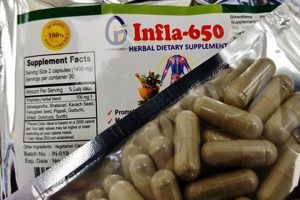
Certain natural remedies derived from plants are sometimes considered as potential aids in managing feelings of irritability and frustration. These products are generally available in various forms, such as capsules, tablets, teas, and tinctures, and are marketed as providing a calming or mood-stabilizing effect. For example, some individuals might explore valerian root preparations to promote relaxation in situations that typically trigger irritation.
The use of plant-based interventions to address emotional well-being has historical roots in traditional medicine systems. Proponents suggest that these options offer a more holistic approach to managing emotional responses. They might be perceived as less intrusive or carrying fewer side effects compared to conventional pharmaceutical interventions, although such perceptions require careful scrutiny and validation through rigorous scientific investigation.
The subsequent discussion will delve into specific botanical options that are frequently cited in connection with emotional regulation, alongside a critical appraisal of the supporting evidence. Furthermore, it will address the significance of consulting with a qualified healthcare professional before incorporating any such product into a regimen aimed at managing heightened emotional states.
Guidance on Plant-Based Approaches to Irritability
The following suggestions provide a framework for understanding and potentially utilizing plant-derived substances to modulate excessive displays of aggravation. It is essential to proceed with caution and prioritize professional medical advice.
Tip 1: Research Thoroughly: Comprehensive investigation into the properties of any botanical substance is crucial. Examine scientific literature, focusing on peer-reviewed studies, to ascertain its potential efficacy and safety profile.
Tip 2: Consult a Qualified Healthcare Professional: Before initiating any regimen involving plant-derived substances, engage in a detailed consultation with a physician, psychiatrist, or qualified herbalist. This step is particularly vital if pre-existing medical conditions are present or if other medications are being taken.
Tip 3: Understand Potential Interactions: Many plant-derived substances can interact with pharmaceutical medications, altering their effectiveness or increasing the risk of adverse effects. A healthcare provider can assess potential interactions based on the individual’s medical history and current medications.
Tip 4: Start with Low Doses: When initiating the use of a new botanical product, begin with a conservative dosage. Observe the body’s response and gradually increase the dosage if tolerated, adhering to the recommendations of a healthcare professional.
Tip 5: Source Reputable Products: The quality and purity of botanical products can vary significantly. Procure products from reputable manufacturers that adhere to stringent quality control standards and provide transparent information regarding sourcing and processing.
Tip 6: Monitor for Adverse Effects: Regularly monitor for any adverse effects, such as allergic reactions, gastrointestinal disturbances, or changes in mood or sleep patterns. Discontinue use immediately and seek medical attention if any concerning symptoms arise.
Tip 7: Maintain Realistic Expectations: Plant-derived substances are not a panacea for managing emotional dysregulation. They may provide some degree of support, but they should be viewed as an adjunct to, rather than a replacement for, comprehensive therapeutic interventions, such as cognitive behavioral therapy or medication management.
Adherence to these guidelines can mitigate potential risks and enhance the likelihood of a safe and potentially beneficial experience when exploring plant-based interventions for emotional well-being.
The subsequent sections will explore the necessity of expert medical guidance, offering strategies for managing heightened emotional states, and a final summary of considerations.
1. Botanical Origins

The botanical origin of any plant-derived substance intended for emotional regulation, including those marketed for assuaging irritation, directly influences its chemical composition and, consequently, its potential effects. Understanding the specific plant species, its growing conditions, and harvesting methods is essential for assessing the quality and consistency of the final product.
- Species Identification and Chemotype
Accurate identification of the plant species is paramount, as different species within the same genus can possess distinct chemical profiles and pharmacological properties. Furthermore, the chemotype, or chemical race, refers to variations in the concentration and composition of specific compounds within the same species, influenced by factors such as geographic location and environmental conditions. For example, different varieties of Hypericum perforatum (St. John’s Wort) may exhibit varying levels of hypericin and hyperforin, the active constituents linked to its antidepressant effects. Misidentification or chemotypic variation can lead to inconsistencies in product efficacy.
- Geographic Location and Environmental Factors
The geographical origin of a plant significantly impacts its phytochemical profile. Soil composition, climate, altitude, and other environmental factors influence the production of secondary metabolites, including those responsible for the plant’s purported therapeutic effects. Plants grown in different regions may exhibit qualitative and quantitative differences in their active constituents. For instance, ginseng ( Panax ginseng) cultivated in Asia possesses different ginsenoside profiles compared to ginseng grown in North America ( Panax quinquefolius), potentially affecting their respective effects.
- Cultivation and Harvesting Practices
Cultivation methods, including the use of fertilizers, pesticides, and irrigation techniques, can affect the chemical composition of plants. Organic cultivation practices generally yield plants with a different phytochemical profile compared to those grown using conventional methods. Harvesting techniques, such as the timing of harvest and the part of the plant harvested (e.g., root, leaf, flower), also influence the concentration and composition of active compounds. Improper harvesting or post-harvest handling can lead to degradation of active constituents and reduced product potency.
- Processing and Extraction Methods
The methods used to process and extract the active compounds from the plant material are critical determinants of the final product’s quality and efficacy. Different extraction techniques, such as solvent extraction, steam distillation, or supercritical fluid extraction, can selectively extract different compounds from the plant, resulting in products with varying chemical compositions and pharmacological activities. Inadequate processing or extraction can lead to incomplete extraction of active compounds or the introduction of contaminants, compromising the product’s safety and efficacy.
The botanical origin of plant-derived substances employed for emotional wellness represents a complex interplay of factors that ultimately dictate their chemical composition and potential therapeutic effects. Comprehending these facets is vital for making informed decisions and ensuring the safety and efficacy of the final product, particularly when considering options aimed at managing heightened emotional states such as irritability. This knowledge promotes responsible and informed usage, which is crucial when integrating such products into a broader approach to emotional well-being.
2. Individual Variability

The concept of individual variability is of paramount importance when considering the use of plant-derived substances to modulate emotional states, particularly when addressing increased irritability. Responses to these substances can vary significantly due to a multitude of factors, necessitating a personalized approach.
- Genetic Predisposition
Genetic factors play a role in how an individual metabolizes and responds to various compounds, including those found in plant-based supplements. Genetic variations in enzymes involved in drug metabolism, such as cytochrome P450 enzymes, can influence the rate at which these substances are processed and eliminated from the body. This can lead to differences in the duration and intensity of their effects. For example, individuals with certain genetic variations may metabolize a given substance more slowly, leading to prolonged effects or increased risk of adverse reactions.
- Physiological Factors
Physiological factors such as age, sex, body weight, and overall health status can also influence the response to plant-derived substances. Children and the elderly may be more susceptible to the effects of these substances due to differences in their physiological systems. Similarly, individuals with compromised liver or kidney function may experience altered metabolism and elimination, potentially increasing the risk of adverse effects. Body weight can affect the distribution and concentration of these substances in the body, with heavier individuals potentially requiring higher dosages to achieve the desired effect.
- Pre-existing Medical Conditions and Medications
The presence of pre-existing medical conditions and the use of other medications can significantly impact the response to plant-derived substances. Certain medical conditions, such as liver or kidney disease, can alter the metabolism and elimination of these substances, while others, such as cardiovascular disease, may increase the risk of adverse effects. Similarly, certain medications can interact with these substances, either enhancing or diminishing their effects or increasing the risk of adverse reactions. It is therefore crucial to consider these factors when evaluating the suitability of plant-derived substances for a given individual.
- Psychological Factors
Psychological factors, such as expectations, beliefs, and the presence of co-occurring mental health conditions, can also influence the response to plant-derived substances. The placebo effect, where an individual experiences a beneficial effect simply due to the belief that a treatment is effective, can play a role in the perceived benefits of these substances. Additionally, individuals with co-occurring mental health conditions, such as anxiety or depression, may experience different effects compared to those without these conditions. It is therefore important to consider the individual’s psychological context when assessing the potential benefits and risks of plant-derived substances.
Understanding individual variability is essential for optimizing the use of plant-derived substances intended to reduce frustration. These factors emphasize the necessity of a personalized approach that considers the unique characteristics and circumstances of each individual. By taking these factors into account, healthcare professionals can better assess the potential benefits and risks of these substances and develop individualized treatment plans that are tailored to the specific needs of each patient. This targeted strategy ensures that the use of plant-derived remedies remains safe, effective, and appropriate for the individual in question.
3. Dosage Considerations

The careful determination of dosage is critical when employing plant-derived substances to modulate emotional states, including the management of heightened irritability. Incorrect dosages can render the substance ineffective or, conversely, lead to adverse effects, thereby undermining the therapeutic objective.
- Variability in Potency
Plant-derived substances exhibit inherent variability in potency due to factors such as growing conditions, harvesting methods, and processing techniques. This variability necessitates caution in dosage determination, as a seemingly standard dose from one product may differ significantly from another. Failing to account for potency variations can lead to inconsistent or unpredictable effects.
- Individual Physiological Factors
Individual physiological factors, including age, weight, metabolism, and pre-existing medical conditions, influence the appropriate dosage of plant-derived substances. Individuals with impaired liver or kidney function may require lower doses due to reduced capacity to metabolize and eliminate these substances. Similarly, elderly individuals may be more sensitive to their effects and necessitate dosage adjustments.
- Interactions with Medications
Many plant-derived substances can interact with pharmaceutical medications, either enhancing or diminishing their effects. Such interactions can necessitate dosage adjustments to either the plant-derived substance or the medication. Failure to account for potential interactions can lead to adverse effects or reduced therapeutic efficacy of either substance.
- Gradual Titration and Monitoring
A conservative approach to dosage adjustment, involving gradual titration and careful monitoring of effects, is recommended. Starting with a low dose and gradually increasing it until the desired effect is achieved allows for assessment of individual sensitivity and minimizes the risk of adverse effects. Regular monitoring of symptoms and side effects provides valuable feedback for optimizing dosage.
Considering these facets of dosage is essential for optimizing the safety and efficacy of plant-derived substances used to manage heightened emotional states. A nuanced approach that accounts for potency variability, individual physiological factors, medication interactions, and careful titration is crucial for achieving the desired therapeutic outcome while minimizing the risk of adverse effects. This comprehensive strategy reinforces the necessity of seeking guidance from qualified healthcare professionals before initiating or modifying dosages.
4. Potential Interactions

The confluence of various physiological and pharmacological mechanisms necessitates careful consideration of potential interactions when integrating plant-derived supplements for emotional regulation, specifically concerning heightened irritability. The efficacy and safety of such interventions are intricately linked to their capacity to interact with existing medications or pre-existing health conditions.
- Herb-Drug Interactions
Plant-derived substances can interact with pharmaceutical medications through various mechanisms, including alteration of drug metabolism, absorption, or excretion. For instance, St. John’s Wort, often considered for its mood-stabilizing properties, can induce cytochrome P450 enzymes, potentially reducing the effectiveness of numerous medications, including certain antidepressants, oral contraceptives, and anticoagulants. This interaction could lead to therapeutic failure or necessitate dosage adjustments, impacting patient outcomes.
- Herb-Herb Interactions
The concurrent use of multiple plant-derived supplements can also lead to interactions, either synergistic or antagonistic. The combined use of valerian root and chamomile, both known for their sedative properties, may result in excessive drowsiness or impaired cognitive function. Conversely, combining a stimulant-like herb with one intended to reduce irritation could negate the calming effects. Such interactions underscore the need for careful evaluation of the combined effects of multiple substances.
- Herb-Condition Interactions
Certain plant-derived substances may exacerbate pre-existing medical conditions. For example, individuals with bleeding disorders should exercise caution when using supplements containing ingredients with anticoagulant properties, such as garlic or ginger, as these may increase the risk of bleeding. Similarly, individuals with autoimmune disorders should consult with their healthcare provider before using supplements that claim to boost the immune system, as these may trigger an overactive immune response.
- Supplement Quality and Standardization
The quality and standardization of plant-derived supplements can significantly impact their potential for interactions. Variations in the concentration of active constituents or the presence of contaminants can alter their pharmacological effects. Products that lack standardization may exhibit inconsistent potency, making it difficult to predict their interactions with other medications or medical conditions. Choosing products from reputable manufacturers that adhere to quality control standards is essential to minimize the risk of interactions.
Recognizing the potential for interactions is paramount when considering the use of plant-derived supplements to alleviate heightened irritability. Comprehensive knowledge of herb-drug, herb-herb, and herb-condition interactions, coupled with careful consideration of supplement quality, is crucial for ensuring patient safety and optimizing therapeutic outcomes. This knowledge promotes a judicious approach to their integration into a broader therapeutic strategy.
5. Scientific Evidence
The utilization of plant-derived substances for managing heightened emotional states, including pronounced irritability, hinges on the availability and robustness of supporting scientific evidence. A direct correlation exists between the rigor of scientific validation and the responsible application of these supplements. Without adequate evidence, the use of plant-derived substances becomes speculative, potentially exposing individuals to risks without commensurate benefits. The absence of controlled clinical trials, for instance, precludes the establishment of efficacy and safety parameters.
The evaluation of clinical data constitutes a cornerstone of evidence-based practice. Peer-reviewed publications, meta-analyses, and systematic reviews provide critical insights into the effects of specific substances. For example, while some preliminary studies suggest that certain botanicals, such as chamomile, may possess anxiolytic properties, larger, well-designed trials are necessary to confirm these findings and elucidate the underlying mechanisms. The absence of standardized protocols for dosage, duration of treatment, and outcome measures further complicates the interpretation of available data.
In summation, the role of scientific evidence is pivotal in determining the viability of integrating plant-derived supplements into strategies for managing heightened emotional states. The absence of robust scientific validation warrants caution and emphasizes the importance of prioritizing evidence-based interventions. The presence or absence of tangible data ultimately influences the prudent application, benefits, and possible risks of herbal products in emotional health management.
6. Professional Guidance

The intersection of professional guidance and plant-derived interventions for managing heightened irritability is paramount to ensure safe and effective utilization. Competent healthcare providers can assess an individual’s overall health status, identify potential contraindications, and provide tailored recommendations based on evidence-based practices. The complex interplay of physiological, psychological, and pharmacological factors necessitates expert oversight to mitigate potential risks associated with self-medication.
For example, an individual experiencing persistent irritability may initially seek readily available herbal supplements without considering underlying medical conditions, such as thyroid dysfunction or depression. A healthcare professional can conduct a thorough evaluation to rule out these possibilities and provide appropriate interventions, which may or may not include plant-derived substances as adjunctive therapies. Furthermore, interactions between herbal supplements and conventional medications can have serious consequences, and a qualified practitioner can assess these risks and advise on dosage adjustments or alternative treatment options. This approach guarantees the consideration of all health-related factors, ensuring informed and patient-centered care.
Ultimately, professional guidance serves as a critical filter, ensuring that the use of plant-derived interventions for managing irritability is grounded in evidence-based practices, tailored to individual needs, and integrated within a comprehensive healthcare plan. This cautious approach emphasizes the limitations of self-directed usage and the necessity of expert oversight in mitigating potential risks and maximizing therapeutic outcomes.
Frequently Asked Questions
This section addresses common inquiries regarding the use of plant-derived substances for managing heightened emotional states, specifically concerning irritability. The responses provided aim to offer clarity and promote informed decision-making.
Question 1: Are plant-derived options a safe alternative to prescription medications for managing heightened irritability?
The safety of plant-derived options in comparison to prescription medications for irritability depends on several factors. Prescription medications undergo rigorous testing and regulatory oversight. The quality control of plant-derived supplements is often less stringent, and their safety profiles may not be as well-established. A qualified healthcare professional must evaluate the potential risks and benefits of both options based on the individual’s medical history and current medications.
Question 2: How can one determine the appropriate dosage of a plant-derived substance for irritability?
Determining the correct dosage requires careful consideration of several factors, including the individual’s weight, age, health status, and any concurrent medications. Consulting with a qualified healthcare professional or herbalist is crucial. Dosage recommendations on product labels may not be appropriate for all individuals, and starting with a low dose and gradually increasing it under professional guidance is generally recommended.
Question 3: Can plant-derived substances interact with other medications or supplements?
Yes, plant-derived substances can interact with both prescription medications and other supplements. Some substances can alter the metabolism, absorption, or excretion of medications, potentially leading to reduced efficacy or increased side effects. It is essential to inform a healthcare professional about all medications and supplements being taken to assess the potential for interactions.
Question 4: Is there scientific evidence to support the use of plant-derived substances for irritability?
The scientific evidence supporting the use of plant-derived substances for irritability varies. Some substances have been studied more extensively than others. While some studies may suggest potential benefits, larger, well-designed clinical trials are often needed to confirm these findings. It is important to critically evaluate the available evidence and to rely on reputable sources of information.
Question 5: How can one ensure the quality and purity of plant-derived supplements?
Ensuring the quality and purity of plant-derived supplements requires careful selection of reputable manufacturers. Look for products that have been tested by independent third-party laboratories and that adhere to good manufacturing practices (GMP). Products that are certified organic may also be less likely to contain contaminants. Researching the manufacturer’s reputation and sourcing practices is advisable.
Question 6: What are the potential side effects of using plant-derived substances for irritability?
The potential side effects of plant-derived substances vary depending on the specific substance being used. Common side effects may include gastrointestinal upset, allergic reactions, drowsiness, or changes in blood pressure. Serious side effects are possible but less common. It is important to monitor for any adverse effects and to discontinue use if any concerning symptoms arise. Consultation with a healthcare professional is recommended.
In summary, the decision to use plant-derived substances for the management of emotional wellness requires diligent consideration, detailed research, and open communication with healthcare professionals. Any approach must be anchored in sound evidence and adapted to the individual’s unique circumstances.
The subsequent section will summarize key considerations regarding the use of plant-derived substances.
Herbal Supplements for Anger
This exploration has illuminated various facets of botanical options for managing heightened emotional states. A consistent theme emerges: while the allure of natural remedies is undeniable, their integration into a wellness regimen necessitates circumspection. Factors such as botanical origin, individual variability, dosage considerations, potential interactions, and the strength of scientific evidence significantly influence the safety and efficacy of any intervention. Professional medical guidance is therefore paramount.
The information presented should prompt careful evaluation and not impulsive action. The use of plant-derived substances, without diligent consideration and expert supervision, carries inherent risks. Continued research, transparent regulation, and informed dialogue between patients and healthcare providers are essential to harness the potential benefits of these options while safeguarding against potential harm. The integration of herbal supplements for anger should only be considered as part of a holistic and evidence-based approach to emotional well-being.