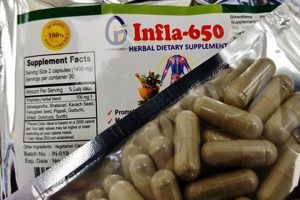
Botanical preparations marketed to support hepatic function constitute a significant portion of the alternative medicine landscape. These products often contain a variety of plant-derived compounds believed to possess hepatoprotective qualities. An example would be formulations containing milk thistle extract, renowned for its silymarin content.
The consumption of these natural remedies stems from a long tradition of herbalism and an increasing interest in holistic wellness approaches. Proponents suggest potential benefits include liver detoxification, support for healthy liver enzyme levels, and protection against oxidative stress. Historically, various cultures have utilized specific plants to address liver-related ailments, reflecting a widespread belief in the liver’s crucial role in overall health.
The subsequent sections will delve into the scientific evidence surrounding specific herbal constituents, explore potential interactions and contraindications, and discuss considerations for responsible usage of such preparations, emphasizing the importance of consulting with healthcare professionals.
Considerations for the Use of Botanical Liver Support
The responsible incorporation of plant-derived compounds aimed at bolstering hepatic health necessitates careful evaluation. Awareness and adherence to established guidelines are crucial for ensuring both safety and potential efficacy.
Tip 1: Prioritize Consultation with Healthcare Professionals: Before initiating any regimen, consulting with a physician or qualified healthcare practitioner is paramount. This ensures suitability, screens for potential drug interactions, and allows for comprehensive health status evaluation.
Tip 2: Scrutinize Product Sourcing and Quality: Opt for products from reputable manufacturers adhering to stringent quality control standards. Look for certifications verifying purity, potency, and absence of contaminants.
Tip 3: Adhere to Recommended Dosages: Exceeding the prescribed dosage does not necessarily enhance benefits and may increase the risk of adverse effects. Follow dosage guidelines meticulously.
Tip 4: Be Vigilant for Allergic Reactions: Individuals with known plant allergies should exercise caution. Monitor for any signs of allergic reaction, such as skin rashes, itching, or respiratory distress, and discontinue use immediately if such symptoms arise.
Tip 5: Understand Potential Drug Interactions: Certain botanicals can interact with prescription medications. Inform healthcare providers about all supplements being taken to avoid potential adverse interactions.
Tip 6: Monitor Liver Function Regularly: Periodic liver function tests can provide valuable insights into the effects of botanical supplementation. Discuss with a healthcare provider the frequency and necessity of such monitoring.
Tip 7: Recognize Limitations and Manage Expectations: Understand that these are not a substitute for conventional medical treatment. While they may offer supportive benefits, they should not be relied upon as the sole approach for managing liver disease.
Adhering to these considerations promotes a more informed and responsible approach to botanical liver support. Prioritizing professional guidance, product quality, and dosage adherence maximizes the potential for benefit while mitigating potential risks.
The final section will synthesize the presented information, reinforcing the importance of balanced perspective when exploring botanical interventions for liver health.
1. Hepatoprotective Properties

Hepatoprotective properties represent a central justification for the use of botanical preparations marketed as liver herbal supplements. These properties, inherent in certain plant-derived compounds, are understood to mitigate damage to the liver, often through various mechanisms of action. The relationship is causal: the presence of hepatoprotective compounds within a herbal supplement is what theoretically confers its ability to benefit the liver.
The presence of constituents exhibiting hepatoprotective effects is not merely desirable but a defining characteristic of many liver herbal supplements. For example, silymarin, a compound extracted from milk thistle, is frequently cited for its ability to stabilize liver cell membranes, scavenge free radicals, and potentially regenerate damaged liver tissue. Similarly, compounds found in artichoke extract are believed to promote bile flow, assisting in the excretion of toxins. The effectiveness of any given supplement depends significantly on the concentration and bioavailability of these active compounds, as well as the specific nature of the liver ailment being addressed. The practical significance lies in the potential for mitigating liver damage resulting from various factors, including toxins, alcohol consumption, and certain medications.
However, it is critical to acknowledge that while many herbal constituents exhibit hepatoprotective properties in vitro or in animal studies, the translation of these effects to human clinical trials is often limited. Challenges arise from variations in product quality, dosage, and individual patient characteristics. Moreover, the long-term efficacy and safety of many liver herbal supplements remain under investigation. Therefore, while the connection between hepatoprotective properties and the intended function of liver herbal supplements is clear, the evidence supporting their clinical effectiveness is often less definitive, highlighting the need for cautious and informed usage alongside conventional medical care.
2. Detoxification Support

The concept of detoxification is frequently invoked in the context of liver herbal supplements, predicated on the liver’s primary role in processing and eliminating toxins from the body. The purported connection rests on the assertion that certain botanical compounds can augment the liver’s natural detoxification processes, enhancing its ability to neutralize harmful substances and facilitate their removal.
Botanical constituents such as those found in milk thistle, dandelion root, and artichoke extract are often promoted for their capacity to stimulate bile production and flow. Bile serves as a crucial vehicle for excreting toxins from the liver into the intestines for elimination. Certain compounds are also theorized to enhance the activity of phase I and phase II detoxification enzymes within the liver cells, which are responsible for transforming toxins into less harmful, water-soluble forms that can be readily excreted. For instance, glucosinolates found in cruciferous vegetables, sometimes incorporated into liver support formulations, are known to influence these enzymatic pathways. Consequently, supplements are marketed as aiding in the removal of environmental pollutants, metabolic waste products, and other exogenous toxins that can accumulate in the body.
While the theoretical basis for detoxification support through botanical interventions appears plausible, the scientific evidence supporting these claims remains varied and often inconclusive. Rigorous clinical trials demonstrating a significant and clinically relevant impact on detoxification markers are often lacking. Furthermore, the term “detoxification” is frequently employed without precise definition or measurable outcomes, leading to potential misinterpretations. Although some individuals may experience subjective improvements in well-being, attributing these effects solely to enhanced detoxification can be problematic. The liver’s inherent capacity for self-regeneration and detoxification must also be considered. Therefore, while botanical compounds may possess the potential to support certain aspects of liver function, a balanced perspective is crucial, acknowledging both the potential benefits and the limitations of such interventions.
3. Anti-inflammatory Actions

Hepatic inflammation constitutes a critical aspect of numerous liver disorders, ranging from viral hepatitis and non-alcoholic fatty liver disease (NAFLD) to autoimmune conditions. Consequently, the presence of anti-inflammatory actions within liver herbal supplements is often highlighted as a key potential benefit. These actions are premised on the ability of certain botanical compounds to modulate inflammatory pathways within the liver, thereby mitigating tissue damage and promoting improved function. The cause is liver inflammation due to various factors, and the effect is the potential reduction of this inflammation through specific herbal constituents.
The incorporation of botanicals with known or purported anti-inflammatory properties is a significant aspect of many liver support formulations. For example, curcumin, derived from turmeric, has demonstrated the capacity to inhibit inflammatory cytokines and signaling molecules implicated in liver damage. Similarly, compounds found in milk thistle, such as silymarin, are thought to possess anti-inflammatory effects, contributing to overall hepatoprotection. Real-life examples include the use of these supplements as adjunct therapies for individuals with NAFLD, where inflammation plays a central role in disease progression. The practical significance lies in the potential to slow down the progression of liver damage and improve overall liver health through targeted modulation of the inflammatory response.
However, it is crucial to acknowledge that the efficacy and safety of these interventions remain under investigation. While promising in vitro and animal studies exist, rigorous clinical trials are needed to confirm the anti-inflammatory effects and establish optimal dosages and duration of treatment. Furthermore, potential interactions with other medications and the possibility of adverse effects must be carefully considered. Therefore, while the theoretical rationale for incorporating anti-inflammatory actions into liver herbal supplements is sound, a cautious and evidence-based approach is essential, emphasizing the importance of consulting with healthcare professionals and integrating these supplements as part of a comprehensive management plan.
4. Antioxidant effects

Oxidative stress, characterized by an imbalance between the production of reactive oxygen species (ROS) and the body’s ability to neutralize them, contributes significantly to liver damage and disease progression. Antioxidant effects, therefore, represent a crucial facet of liver herbal supplements, aiming to counteract this oxidative stress and protect hepatocytes from injury. The connection is causal: increased oxidative stress damages the liver, and antioxidants, by neutralizing free radicals, theoretically mitigate this damage. The importance of antioxidant effects within liver herbal supplements stems from their potential to disrupt the damaging cascade initiated by oxidative stress, thereby supporting overall liver health.
Real-life examples of botanical constituents with antioxidant properties commonly found in liver formulations include silymarin from milk thistle, curcumin from turmeric, and compounds present in green tea extract. Silymarin, for instance, has demonstrated the ability to scavenge free radicals and increase intracellular glutathione levels, a key endogenous antioxidant. The practical significance of understanding this connection lies in the ability to make informed decisions about supplement selection and usage. Individuals at risk of or suffering from liver diseases associated with oxidative stress, such as non-alcoholic fatty liver disease (NAFLD), alcoholic liver disease, or hepatitis, may benefit from formulations containing these antioxidant compounds, though always under the guidance of a healthcare professional. Furthermore, this understanding underscores the importance of quality control in supplement production, as the efficacy of these products hinges on the concentration and bioavailability of the active antioxidant constituents.
In summary, the inclusion of antioxidant compounds in liver herbal supplements is predicated on their potential to mitigate oxidative stress, a key driver of liver damage. While the theoretical rationale is strong and supported by some preclinical evidence, rigorous clinical trials are needed to fully elucidate the efficacy and safety of these interventions. Challenges remain in standardization, dosage optimization, and assessment of long-term effects. Nonetheless, the understanding of the connection between antioxidant effects and liver health provides a valuable framework for both healthcare practitioners and individuals seeking to support liver function through botanical means.
5. Quality Standardization

Quality standardization is a critical, yet often overlooked, aspect of the liver herbal supplement industry. Due to the inherent variability in botanical sources, achieving consistent composition and potency is paramount for ensuring both efficacy and safety. Without rigorous standardization protocols, consumers risk exposure to products with inconsistent levels of active compounds or, potentially, contaminants.
- Botanical Source Authentication
This involves verifying the identity and purity of the plant material used in the supplement. Adulteration with incorrect or inferior plant species is a significant concern. Techniques such as DNA barcoding and macroscopic/microscopic analysis are employed to confirm the botanical origin. For instance, confirming that a milk thistle extract is genuinely Silybum marianum and not a related species with different properties is crucial.
- Active Compound Quantification
Liver herbal supplements often contain specific compounds believed to be responsible for their purported benefits. Standardizing the concentration of these compounds, such as silymarin in milk thistle or curcumin in turmeric, is essential. Analytical methods like High-Performance Liquid Chromatography (HPLC) are used to precisely measure these levels. This ensures that each dose delivers a consistent amount of the active ingredient, enabling predictable effects.
- Contaminant Testing
Botanical materials can be susceptible to contamination with heavy metals, pesticides, microbial pathogens, and other environmental pollutants. Rigorous testing is required to ensure that these contaminants are below acceptable levels. For example, testing for lead, arsenic, mercury, and cadmium is standard practice. Products failing to meet established safety thresholds should not be marketed to consumers.
- Manufacturing Process Control
Standardization extends beyond the raw materials to encompass the entire manufacturing process. This includes controlling factors such as extraction methods, solvent residues, and encapsulation techniques. Good Manufacturing Practices (GMP) guidelines, established by regulatory agencies, provide a framework for ensuring consistent product quality and preventing errors or contamination during production.
The successful integration of these quality standardization facets directly impacts the reliability and safety of liver herbal supplements. Consumers are encouraged to seek out products from manufacturers who prioritize these practices and provide transparent information about their quality control measures. Independent third-party certifications can also offer an additional layer of assurance regarding product quality and consistency.
Frequently Asked Questions Regarding Liver Herbal Supplements
The following addresses common inquiries concerning botanical formulations marketed for liver support. The information aims to provide a balanced perspective, emphasizing evidence-based considerations and potential risks.
Question 1: Are botanical liver supplements a substitute for conventional medical treatment for liver disease?
Botanical preparations are not a replacement for conventional medical treatment. Individuals diagnosed with liver disease should adhere to the treatment plan prescribed by a qualified healthcare professional. Botanical supplements may be considered as complementary interventions, but only under medical supervision.
Question 2: What potential side effects are associated with liver herbal supplements?
Potential side effects vary depending on the specific botanical ingredients and individual sensitivities. Common side effects may include gastrointestinal distress, allergic reactions, and interactions with prescription medications. It is crucial to consult with a healthcare provider to assess potential risks before initiating supplementation.
Question 3: How does one determine the quality and safety of a liver herbal supplement?
Quality and safety are paramount considerations. Choose products from reputable manufacturers that adhere to Good Manufacturing Practices (GMP). Look for third-party certifications that verify product purity, potency, and absence of contaminants. Scrutinize the label for detailed ingredient information and dosage recommendations.
Question 4: Can liver herbal supplements interact with prescription medications?
Yes, significant drug interactions are possible. Certain botanical compounds can interfere with the metabolism of prescription medications, potentially altering their effectiveness or increasing the risk of adverse effects. Always inform healthcare providers about all supplements being taken to avoid potential interactions.
Question 5: What is the role of “detoxification” in relation to liver herbal supplements?
The term “detoxification” is often used loosely in the context of liver herbal supplements. While some botanicals may support liver function and promote the elimination of toxins, the liver is inherently a detoxification organ. Supplements should not be viewed as a quick fix for unhealthy lifestyle choices or a substitute for a balanced diet and regular exercise.
Question 6: Is there scientific evidence to support the use of all liver herbal supplements?
The scientific evidence supporting the efficacy of liver herbal supplements varies considerably. Some botanicals, such as milk thistle, have been studied more extensively than others. However, rigorous clinical trials are often lacking, and more research is needed to fully evaluate the benefits and risks of many commonly used supplements. A critical and evidence-based approach is advised.
In summary, while certain botanical compounds may offer potential benefits for liver health, a cautious and informed approach is essential. Prioritize quality, safety, and consultation with healthcare professionals before incorporating these supplements into a health regimen.
The next section will present a synthesis of the key considerations for responsible usage.
Liver Herbal Supplements
This exploration has revealed the complex landscape surrounding botanical interventions for hepatic support. The potential benefits, ranging from hepatoprotective properties to antioxidant effects, are often contingent upon factors such as product quality, standardized dosing, and individual health status. A nuanced understanding of potential drug interactions and the limitations of current scientific evidence is crucial for responsible usage.
Ultimately, the decision to incorporate liver herbal supplements into a health regimen necessitates careful deliberation, informed by professional medical advice and a commitment to evidence-based decision-making. Continued research is essential to fully elucidate the efficacy and safety profiles of these preparations, ensuring that their use is both beneficial and responsible.