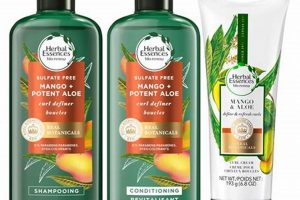
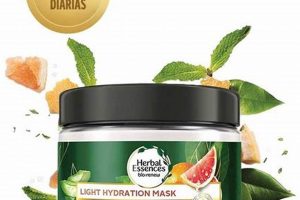
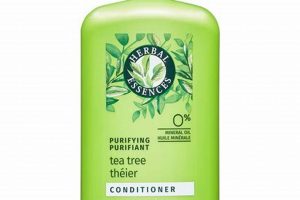
The composition of hair care formulations marketed under the Herbal Essences brand involves a variety of substances. These components, encompassing both naturally derived and synthetic materials, contribute to the product’s function, texture, scent, and preservation. For instance, sodium laureth sulfate functions as a surfactant, cleansing the hair, while botanical extracts like aloe vera are included for their purported moisturizing properties.
Understanding the specific substances present in these formulations is crucial for several reasons. Individuals with sensitivities or allergies need this information to avoid adverse reactions. Furthermore, consumers interested in products with specific environmental or ethical profiles, such as those free from sulfates or parabens, rely on ingredient lists to make informed purchasing decisions. Historically, consumer awareness regarding cosmetic and personal care ingredients has increased, driving demand for transparency from manufacturers.
The subsequent sections will provide a detailed examination of the categories of substances frequently encountered in these formulations. The function of common additives, potential concerns related to specific materials, and resources for further research will also be presented.
This section provides guidance on interpreting and utilizing information pertaining to the substances present in hair care formulations.
Tip 1: Scrutinize the Ingredient List: Thoroughly examine the label on any product. Components are typically listed in descending order by concentration, with the most abundant appearing first.
Tip 2: Research Unfamiliar Substances: Utilize reputable online databases or cosmetic ingredient dictionaries to investigate the purpose and potential effects of unfamiliar materials. The Environmental Working Group’s Skin Deep database is one such resource.
Tip 3: Identify Potential Allergens: If known sensitivities exist, carefully check for those specific substances within the product’s declared composition. Examples include specific fragrances, dyes, or preservatives.
Tip 4: Understand Functional Categories: Recognize the broad categories of substances, such as surfactants (cleansing agents), emollients (moisturizers), and preservatives (antimicrobial agents). This knowledge aids in understanding the role of each substance within the formulation.
Tip 5: Consider Certification Labels: Look for certifications from reputable third-party organizations, such as those indicating organic content or cruelty-free production. These labels provide independent verification of specific claims.
Tip 6: Prioritize Transparency: Select brands that provide comprehensive information about their sourcing and manufacturing processes. This transparency indicates a commitment to consumer education and product safety.
Tip 7: Conduct Patch Tests: Before applying a new product extensively, perform a patch test on a small area of skin to assess for potential adverse reactions.
By actively engaging with the detailed lists provided on packaging, individuals can make informed choices aligned with their personal preferences and sensitivities.
The following sections will delve deeper into specific classes of commonly used substances and address prevailing concerns surrounding hair care formulation.
1. Botanical Extracts

Botanical extracts represent a core element within the formulation strategy of Herbal Essences products. The inclusion of these extracts, derived from various plants, is predicated on the perception that they contribute beneficial attributes to the hair and scalp. These benefits range from purported moisturizing and soothing effects, as seen with aloe vera and chamomile, to the provision of antioxidants and vitamins. The presence of these extracts directly influences the marketing narrative, positioning the brand as one that leverages natural sources for hair care solutions. The effectiveness of botanical extracts depends on factors such as the extraction method, concentration within the product, and interaction with other materials.
The selection of specific botanical extracts for inclusion in Herbal Essences formulations is not arbitrary. It is often dictated by perceived consumer demand and marketing trends. For instance, the inclusion of argan oil, known for its emollient properties, aligns with the prevalent interest in hair products promoting smoothness and shine. The actual concentration of the botanical extract within the final product is crucial. A minimal amount may offer limited functional benefit, primarily serving as a marketing tool. Rigorous testing is required to determine the true impact of the botanical extract on hair health and appearance. A notable instance of botanical extract is the use of lavender, which can provide both fragrance and soothing properties. The practical significance lies in their capacity to support consumer perception of natural-based hair care solutions.
In summary, botanical extracts play a dual role in Herbal Essences products: contributing potential functional benefits and reinforcing the brand’s image. However, the true efficacy of these extracts is contingent on factors such as concentration and interaction with other formulation components. Further research and transparent disclosure of concentrations are necessary to ascertain the genuine value of botanical extracts in Herbal Essences formulations, especially for the consumer who prioritizes natural sources.
2. Synthetic Compounds

Synthetic compounds are integral to hair care product formulations, including those marketed under the Herbal Essences brand. These artificially created substances fulfill functions that natural ingredients cannot reliably or cost-effectively provide, contributing to product efficacy, stability, and sensory attributes. Their presence necessitates a nuanced understanding of their roles and potential implications.
- Surfactants
Surfactants, such as sodium laureth sulfate, are synthetic detergents responsible for the cleansing action of shampoos. They reduce surface tension, enabling water to mix with oil and dirt, which is then rinsed away. While effective cleansers, certain surfactants can be harsh, potentially leading to dryness or irritation in some individuals. The choice of surfactant impacts the overall mildness and user experience of the product.
- Preservatives
Preservatives, including parabens or alternative synthetic antimicrobial agents, prevent microbial growth within the product. This ensures product safety and prolongs shelf life. Without effective preservation, cosmetic products are susceptible to contamination, which can lead to spoilage and potential health risks. Regulatory bodies establish limits for preservative concentrations to minimize the risk of adverse reactions.
- Polymers
Synthetic polymers, such as silicones or polyquaternium compounds, are frequently incorporated to improve hair manageability, provide conditioning effects, and enhance shine. Silicones, for example, create a smooth, hydrophobic film on the hair shaft. These polymers can accumulate on the hair over time, potentially requiring clarifying shampoos for removal. The selection of specific polymers influences the texture and feel of the product.
- Fragrance Components
Fragrances, often complex mixtures of synthetic aroma chemicals, contribute to the sensory appeal of the product. While providing a pleasant scent, fragrance components are a common source of allergic reactions in sensitive individuals. Manufacturers are required to disclose the presence of “fragrance” on the label, but the specific chemical composition is typically proprietary information. Consumers with sensitivities should exercise caution and consider fragrance-free alternatives.
The inclusion of synthetic compounds in Herbal Essences products is a strategic decision balancing efficacy, cost, and consumer appeal. While some synthetic ingredients have raised concerns regarding potential health or environmental impacts, regulatory oversight and ongoing research aim to ensure product safety. Consumers seeking to minimize their exposure to synthetic substances can carefully scrutinize ingredient lists and opt for products with simpler formulations or those marketed as “natural” or “organic,” bearing in mind that these categories may still contain synthetic elements.
3. Fragrance Composition

The fragrance component constitutes a significant aspect of Herbal Essences formulations. It represents a deliberately engineered blend of aromatic compounds designed to enhance the consumer experience and reinforce brand identity. The formulation is not solely about functionality; it aims to create an appealing sensory experience, which the fragrance strongly influences. In the context of Herbal Essences ingredients, fragrance functions as a crucial marketing element, often evocative of nature or specific beneficial ingredients, regardless of the actual concentration or efficacy of those ingredients. For example, a shampoo containing a small amount of rose extract might feature a prominent rose fragrance to create a stronger association with the flower’s purported benefits. The selection and combination of these aromatic substances is a careful process, considering factors such as cost, stability, and consumer preferences.
The complexity of fragrance composition presents both benefits and challenges. The diversity of aromatic compounds allows for the creation of unique and appealing scents. However, this complexity can also pose problems for individuals with sensitivities or allergies. Fragrance mixes are often proprietary, with manufacturers typically disclosing only “fragrance” or “parfum” on the ingredient list, without revealing the specific components. This lack of transparency makes it difficult for consumers to identify potential allergens. Real-life examples abound of consumers experiencing adverse reactions, such as skin irritation or respiratory problems, triggered by undisclosed fragrance materials in hair care products. Regulatory bodies are increasingly scrutinizing the transparency of fragrance labeling, but comprehensive disclosure remains a challenge.
Understanding the role of fragrance composition within Herbal Essences ingredients is essential for informed consumer choices. While fragrance enhances the sensory appeal of the product, it also represents a potential source of adverse reactions. Consumers with known sensitivities should exercise caution, opting for fragrance-free alternatives when available. The practical significance lies in the ability to prioritize health and well-being while navigating the complexities of product formulation. Furthermore, the demand for greater transparency regarding fragrance composition underscores the broader need for clear and accessible information in the cosmetic industry.
4. Preservative Systems

Preservative systems constitute a critical, albeit often overlooked, element within the overall composition of Herbal Essences ingredients. The incorporation of these systems directly addresses the inherent susceptibility of aqueous-based cosmetic formulations to microbial contamination. Water, botanical extracts, and various other organic substances, typical components of such products, provide a fertile breeding ground for bacteria, fungi, and yeast. Without effective preservation, these microorganisms can proliferate, leading to product spoilage, altered sensory characteristics, and, most importantly, potential health risks to the consumer. The inclusion of preservatives is therefore not merely a cosmetic consideration but a fundamental necessity for product safety and stability.
The selection of specific preservatives or preservative blends for use in Herbal Essences ingredients involves a complex decision-making process. Factors such as the pH of the formulation, the compatibility of the preservative with other ingredients, and regulatory restrictions play a crucial role. Common preservatives include parabens (though their use is declining due to consumer concerns), formaldehyde-releasing preservatives (such as DMDM hydantoin), and organic acids (like benzoic acid). Each preservative possesses a unique spectrum of antimicrobial activity and potential for causing skin irritation or allergic reactions. For example, if a product is intended for sensitive skin, the formulator might opt for a milder preservative, even if it offers a slightly narrower range of protection. Furthermore, challenges arise from the need to strike a balance between efficacy, safety, and cost-effectiveness. The failure to implement an adequate preservative system can result in product recalls and reputational damage, as evidenced by instances of contaminated cosmetics leading to skin infections and other adverse health effects.
In summary, preservative systems are an indispensable component of Herbal Essences ingredients, ensuring product integrity and consumer safety. The selection of appropriate preservatives requires careful consideration of various factors, including formulation characteristics, regulatory requirements, and potential adverse effects. While debates surrounding the safety of specific preservatives persist, their fundamental role in preventing microbial contamination remains undeniable. Understanding the importance and function of these systems is essential for consumers seeking to make informed choices and for manufacturers striving to deliver safe and effective hair care products. The ongoing evaluation and refinement of preservative technologies underscore the commitment to balancing safety, efficacy, and consumer preferences within the formulation process.
5. Cleansing Agents
The efficacy of Herbal Essences products hinges significantly on the presence and functionality of cleansing agents. These agents, primarily surfactants, are responsible for removing sebum, dirt, and styling product residue from the hair and scalp. The selection of specific cleansing agents directly impacts the product’s ability to effectively clean without causing excessive dryness or irritation. For example, sodium laureth sulfate (SLES) and sodium lauryl sulfate (SLS) are commonly used surfactants known for their strong cleansing action; however, they can also strip the hair of its natural oils, leading to dryness and frizz. In contrast, milder surfactants, such as cocamidopropyl betaine or decyl glucoside, offer gentler cleansing but may be less effective at removing heavy buildup. The choice of surfactant thus influences the overall hair health and user experience, demonstrating a direct cause-and-effect relationship between cleansing agent selection and product performance.
Within the broader context of Herbal Essences ingredients, cleansing agents represent a critical component. Their effectiveness dictates whether the subsequent conditioning and treatment ingredients can properly interact with the hair shaft. If the hair is not adequately cleansed, conditioning agents may be unable to penetrate and provide the desired benefits. Furthermore, the presence of residue can impede the effectiveness of styling products, resulting in suboptimal results. To illustrate, consider a scenario where a shampoo contains both SLES for cleansing and argan oil for moisturizing. If the SLES is too harsh and strips the hair excessively, the argan oil may not be sufficient to counteract the dryness, rendering the moisturizing benefit ineffective. This interplay highlights the importance of carefully balancing the cleansing action with the other ingredients in the formulation.
In summary, the choice of cleansing agents is a fundamental aspect of Herbal Essences formulations, influencing both the effectiveness of the product and the overall health of the hair. The need to balance cleansing power with gentleness presents a significant challenge for formulators. Understanding the specific properties of different cleansing agents and their interactions with other ingredients is crucial for creating products that effectively cleanse without compromising hair health. Further research into alternative, milder surfactants and their integration into these formulations could lead to more balanced and consumer-friendly hair care solutions.
6. Moisturizing Factors

The inclusion of moisturizing factors within Herbal Essences formulations represents a critical strategy to counteract the potentially drying effects of cleansing agents and environmental stressors. These ingredients are deliberately incorporated to replenish and maintain the hair’s natural moisture balance, contributing to improved manageability, shine, and overall health. The effectiveness of these factors directly impacts the consumer’s perception of product performance and satisfaction.
- Humectants
Humectants, such as glycerin, propylene glycol, and honey extracts, function by attracting moisture from the surrounding air and drawing it into the hair shaft. This mechanism helps to hydrate the hair and prevent it from becoming dry and brittle. However, the effectiveness of humectants is dependent on ambient humidity levels; in very dry environments, they can paradoxically draw moisture out of the hair. The implication within Herbal Essences ingredients is that humectants must be carefully balanced with other moisturizing components to ensure optimal hydration across varying climatic conditions.
- Emollients
Emollients, including various oils (e.g., argan oil, coconut oil, jojoba oil) and fatty alcohols (e.g., cetyl alcohol, stearyl alcohol), work by smoothing the hair cuticle and creating a protective barrier that helps to lock in moisture. This reduces friction, enhances shine, and improves manageability. In the context of Herbal Essences formulations, emollients are often included to impart a silky feel and reduce frizz. The choice of specific emollients impacts the product’s overall texture and sensory properties. For instance, a lighter oil, such as argan oil, will provide a less greasy feel compared to a heavier oil, such as coconut oil.
- Occlusives
Occlusives, such as silicones (e.g., dimethicone, cyclomethicone) and mineral oil, create a hydrophobic barrier on the hair shaft, preventing moisture from escaping. While effective at retaining moisture, occlusives can also create buildup on the hair over time, potentially requiring clarifying shampoos for removal. Within Herbal Essences formulations, occlusives are often used to provide a smooth, glossy finish and protect the hair from environmental damage. The use of silicones, in particular, has been a subject of debate, with some consumers preferring silicone-free products due to concerns about buildup and potential long-term effects.
- Amino Acids and Proteins
Amino acids and hydrolyzed proteins can penetrate the hair shaft and help to repair damage, strengthen the hair, and improve moisture retention. These components are often derived from sources such as wheat, soy, or silk. Within Herbal Essences formulations, these ingredients are typically included to provide additional conditioning and restorative benefits. The effectiveness of these proteins depends on their molecular weight and ability to bind to the hair. Smaller proteins penetrate more easily, while larger proteins provide a coating effect.
The synergistic interaction of humectants, emollients, occlusives, and amino acids is crucial for achieving optimal moisturization within Herbal Essences products. Formulators carefully balance these different types of moisturizing factors to deliver the desired benefits without causing undesirable side effects such as greasiness or buildup. The ongoing evolution of hair care technology continues to drive innovation in the selection and combination of these components, aiming to provide consumers with increasingly effective and tailored moisturizing solutions.
Frequently Asked Questions
This section addresses common inquiries and misconceptions concerning the composition of Herbal Essences hair care products. The information provided aims to offer clarity and facilitate informed consumer choices.
Question 1: Are all Herbal Essences products composed primarily of natural substances?
No. While Herbal Essences products often feature botanical extracts, their formulations typically include a blend of both naturally derived and synthetic substances. The relative proportion of each varies depending on the specific product and its intended function.
Question 2: How can potential allergens in Herbal Essences formulations be identified?
The ingredient list printed on the product packaging is the primary source of information regarding potential allergens. Individuals with known sensitivities should carefully review this list, paying particular attention to common allergens such as fragrances, dyes, and specific preservatives.
Question 3: What role do synthetic compounds play in Herbal Essences products?
Synthetic compounds fulfill various functions, including cleansing (surfactants), preservation (antimicrobials), and conditioning (polymers). They often provide efficacy, stability, and sensory attributes that cannot be reliably achieved with solely natural substances.
Question 4: Why is “fragrance” often listed as a single ingredient, without further detail?
In many jurisdictions, manufacturers are permitted to list “fragrance” or “parfum” as a single ingredient, even though it represents a complex mixture of aromatic compounds. Specific fragrance components are often considered proprietary information. This lack of transparency can pose challenges for individuals with fragrance sensitivities.
Question 5: Are Herbal Essences products tested for safety?
Cosmetic manufacturers are generally responsible for ensuring the safety of their products before they are marketed. This often involves testing for skin irritation, sensitization, and other potential adverse effects. However, specific testing protocols and regulatory requirements may vary across different regions.
Question 6: What is the significance of preservative systems in these formulations?
Preservative systems are crucial for preventing microbial contamination, which can lead to product spoilage and potential health risks. They inhibit the growth of bacteria, fungi, and yeast, ensuring product safety and prolonging shelf life.
Understanding the distinction between natural and synthetic components, scrutinizing ingredient lists for potential allergens, and recognizing the function of different ingredient categories are essential for making informed decisions about Herbal Essences products.
The following section will provide guidance on external resources for additional information and product safety assessments.
Herbal Essences Ingredients
This examination of the substances present in Herbal Essences formulations reveals a complex interplay between botanical extracts, synthetic compounds, and functional additives. The deliberate combination of these elements aims to deliver specific benefits, ranging from cleansing and conditioning to enhanced sensory appeal. Critical evaluation of ingredient lists, understanding the function of various components, and awareness of potential sensitivities remain paramount for consumers.
The significance of informed decision-making regarding hair care products extends beyond immediate cosmetic concerns. Continued vigilance, proactive engagement with product information, and a demand for transparency from manufacturers will contribute to a more responsible and sustainable approach to personal care product selection. Further research into ingredient safety and the long-term effects of cosmetic formulations is warranted to safeguard consumer well-being.