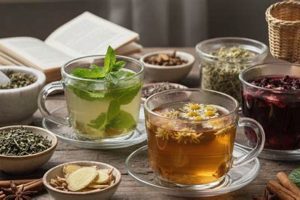
Infusions prepared using ambient or chilled water, rather than hot water, to extract flavor and beneficial compounds from dried herbs, flowers, leaves, or roots offer a gentler, more nuanced beverage. Chamomile, peppermint, and hibiscus are examples of botanicals frequently used in this preparation method, yielding a refreshing and naturally caffeine-free drink.
This method of preparation preserves delicate flavors and reduces the risk of bitterness often associated with hot water extraction. The slower infusion process allows for a gradual release of aromatic oils and water-soluble constituents, potentially enhancing the bioavailability of certain nutrients and antioxidants. Historically, steeping botanicals in cool water was a common practice in regions where access to hot water was limited, or where preserving the plant’s natural properties was prioritized.
The subsequent sections will delve into the specific herbs best suited for this method, optimal brewing techniques, potential health advantages, and creative ways to incorporate these refreshing infusions into daily routines.
Tips for Optimal Cold Brewed Herbal Tea Preparation
The following guidelines offer best practices for achieving superior flavor and maximizing beneficial properties when preparing herbal infusions using cold water.
Tip 1: Select High-Quality Herbs: Opt for organically grown or wildcrafted herbs from reputable sources. The quality of the starting material significantly impacts the final flavor profile and concentration of beneficial compounds.
Tip 2: Use Filtered Water: Impurities in tap water can negatively affect the taste of the infusion. Filtered water ensures a cleaner, more refreshing final product.
Tip 3: Employ a Sufficient Steeping Time: Unlike hot water infusions, cold brewing requires a longer steeping period, typically ranging from 8 to 12 hours, or even overnight, to adequately extract flavor and beneficial compounds.
Tip 4: Adjust Herb-to-Water Ratio: Experiment with different ratios to achieve the desired strength and flavor intensity. Start with a higher ratio than typically used for hot infusions and adjust accordingly.
Tip 5: Utilize Appropriate Vessels: Glass or food-grade stainless steel containers are recommended to avoid imparting unwanted flavors to the infusion. Avoid plastic containers, which can leach chemicals into the water over extended steeping periods.
Tip 6: Refrigerate During Steeping: Keeping the infusion refrigerated during the steeping process inhibits microbial growth and helps preserve the integrity of the herbal constituents.
Tip 7: Strain Thoroughly: After steeping, strain the infusion through a fine-mesh sieve or cheesecloth to remove any remaining plant matter and ensure a smooth, sediment-free beverage.
By adhering to these guidelines, individuals can consistently produce flavorful and beneficial cold-infused herbal beverages, maximizing their potential health benefits and enjoyment.
The following section will explore recipes and flavor combinations to further enhance the versatility of cold brewed herbal infusions.
1. Gentle Extraction

Gentle extraction is a foundational principle in preparing herbal infusions using cold water, significantly influencing the resultant flavor profile and the retention of delicate compounds. This method prioritizes a slow, gradual release of constituents from plant matter, contrasting sharply with the more aggressive extraction achieved through hot water.
- Minimized Tannin Release
Cold water extraction inhibits the dissolution of tannins, which are astringent compounds that can contribute to bitterness. This reduction in tannin extraction yields a smoother, less acrid taste, particularly noticeable in teas made with green tea leaves or herbs with naturally high tannin content.
- Preservation of Volatile Aromatics
The absence of heat in cold brewing safeguards volatile aromatic compounds that are easily dissipated by hot water. This preservation results in a more fragrant and nuanced beverage, enhancing the sensory experience, especially when using herbs like lavender, mint, or rose petals.
- Selective Compound Solubility
Cold water preferentially extracts water-soluble compounds while limiting the extraction of certain less desirable constituents. This selectivity allows for a more targeted extraction of beneficial flavonoids and antioxidants, contributing to the purported health benefits of the beverage.
- Reduced Degradation of Heat-Sensitive Compounds
Certain herbal compounds, such as specific vitamins and enzymes, are susceptible to degradation at elevated temperatures. Cold extraction mitigates this degradation, preserving the integrity of these heat-sensitive constituents and potentially enhancing their bioavailability.
The facets of gentle extraction contribute directly to the unique characteristics of herbal infusions made with cold water. By minimizing harsh flavors, preserving delicate aromas, and selectively extracting desirable compounds, this method provides a refreshing and nuanced alternative to traditional hot-brewed teas. The overall effect is a beverage that is both palatable and potentially more beneficial in terms of preserving the plant’s inherent properties.
2. Flavor Preservation

Flavor preservation represents a critical advantage of infusing herbs in cold water. The gentle extraction process inherent in cold brewing safeguards delicate volatile compounds and aromatic oils, resulting in a beverage that retains the nuanced character of the botanicals used.
- Reduced Oxidation
The lower temperatures employed in cold brewing minimize oxidation, a chemical process that can degrade flavor compounds and lead to undesirable off-flavors. This is particularly relevant for herbs containing delicate essential oils, such as mint or citrus peels, where oxidation can quickly diminish their characteristic aromas.
- Inhibition of Bitter Compound Extraction
Certain bitter compounds, like tannins, are less soluble in cold water. Cold brewing selectively extracts desirable flavor notes while limiting the release of these bitter substances, leading to a smoother and more palatable infusion. Herbs such as green tea or those from the Asteraceae family (e.g., chamomile) benefit significantly from this reduced bitterness.
- Enhanced Aroma Retention
The absence of heat in cold brewing allows for better retention of volatile aromatic compounds. These compounds, responsible for the distinctive scents of herbs, are readily lost during hot water infusion. The result is a beverage with a more pronounced and complex aroma, increasing the overall sensory experience.
- Prevention of Heat-Induced Degradation
Some flavor compounds are heat-sensitive and can break down or transform at higher temperatures. Cold brewing avoids this degradation, preserving the original flavor profile of the herbs. This is especially crucial for herbs containing delicate floral or fruity notes, such as hibiscus or rose petals.
The collective effect of these facets underscores the significance of cold brewing as a method for maximizing flavor retention in herbal infusions. By minimizing oxidation, inhibiting bitter compound extraction, enhancing aroma retention, and preventing heat-induced degradation, cold brewing yields a beverage that faithfully represents the natural flavors of the herbs, offering a refreshing and nuanced taste experience.
3. Extended Steeping

Extended steeping is a critical process parameter in the preparation of herbal infusions using cold water. Unlike hot water infusions, which rapidly extract soluble compounds, cold water requires significantly longer contact time to effectively draw out flavors, aromas, and beneficial constituents from the plant material. This prolonged steeping period, typically ranging from 8 to 12 hours or even longer, allows for a more complete diffusion of compounds from the herbs into the water, resulting in a richer and more flavorful beverage.
The efficacy of extended steeping is particularly evident when preparing infusions from dense or fibrous plant parts, such as roots or bark. For example, preparing cold-infused licorice root tea necessitates an extended steeping time to sufficiently extract its characteristic sweetness and therapeutic compounds. Similarly, the vibrant color and tart flavor of hibiscus flowers require ample steeping to fully develop in cold water. Without sufficient contact time, the resulting infusion may be weak, lacking the depth of flavor and the potential health benefits associated with the herbal ingredients. Practical application of this understanding involves careful monitoring of steep time based on the specific herb and desired intensity.
In summary, extended steeping is not merely a time extension but an essential factor in achieving optimal flavor and potency in cold-infused herbal beverages. This approach ensures a more complete extraction of desirable compounds, compensating for the slower diffusion rates associated with cold water. Understanding and implementing extended steeping contributes directly to the quality and enjoyment of the final product. Challenges may include balancing steeping time to avoid over-extraction and developing undesirable flavors, requiring careful experimentation and observation.
4. Refrigeration Stability

Refrigeration stability is a crucial consideration in the context of cold-infused herbal beverages, impacting their shelf life, safety, and overall quality. The extended steeping times and ambient brewing temperatures inherent in the cold brewing process create conditions that can promote microbial growth and enzymatic degradation, necessitating refrigeration to maintain product integrity.
- Microbial Growth Inhibition
Refrigeration temperatures (typically between 1C and 4C) significantly slow down the proliferation of bacteria, yeasts, and molds. These microorganisms can lead to spoilage, off-flavors, and potential health hazards. By maintaining a low temperature, the growth of these organisms is suppressed, extending the usable lifespan of the infused beverage. For instance, unrefrigerated cold-brewed herbal tea may exhibit signs of spoilage within 24 hours, while refrigeration can extend its shelf life to several days.
- Enzymatic Activity Reduction
Enzymes present in herbal materials can continue to catalyze reactions even after the infusion process. These reactions can degrade flavor compounds, alter the color of the beverage, and reduce the concentration of beneficial constituents. Refrigeration reduces the rate of enzymatic activity, preserving the desired characteristics of the herbal infusion for a longer period. An example includes the preservation of the vibrant color of hibiscus tea, which can fade more rapidly at room temperature due to enzymatic degradation.
- Flavor Compound Preservation
Refrigeration helps to maintain the integrity of volatile flavor compounds that contribute to the aroma and taste of cold-brewed herbal infusions. Higher temperatures can accelerate the evaporation or degradation of these compounds, leading to a loss of flavor intensity and complexity. By storing the beverage in a refrigerator, these compounds are better retained, ensuring a more enjoyable sensory experience.
- Antioxidant Stability
Many herbal infusions are valued for their antioxidant content. Certain antioxidants are susceptible to degradation by light, heat, and oxygen. Refrigeration can minimize these degradation pathways, helping to preserve the antioxidant activity of the beverage. This is particularly important for infusions made with herbs known for their high antioxidant levels, such as rooibos or green tea.
The interplay of these factors highlights the importance of refrigeration in maintaining the quality and safety of cold-brewed herbal infusions. By inhibiting microbial growth, reducing enzymatic activity, preserving flavor compounds, and promoting antioxidant stability, refrigeration ensures that the beverage remains palatable, beneficial, and safe for consumption over an extended period. The benefits of refrigeration are especially crucial in commercial settings where the production and consumption of cold-brewed herbal teas may be separated by several days.
5. Botanical Variety

Botanical variety, referring to the diverse range of herbs, flowers, roots, and other plant materials suitable for infusion, significantly influences the flavor profiles, potential health benefits, and overall sensory experience of cold brewed beverages. The selection of botanicals dictates the fundamental characteristics of the final product, making it a central consideration in the preparation process.
- Flavor Profile Modulation
Different botanicals impart distinct flavor characteristics to cold brewed infusions. For instance, peppermint offers a refreshing, mentholated taste, while chamomile provides a mild, floral sweetness. Rooibos, on the other hand, contributes a subtle, earthy note. The choice of botanicals, either individually or in combination, allows for precise control over the resulting flavor profile, enabling the creation of a wide array of beverages to suit individual preferences. A skilled herbalist might combine lavender and lemon balm to create a calming, subtly sweet infusion, or blend ginger and lemongrass for a zesty, invigorating drink.
- Therapeutic Property Diversification
The therapeutic properties of cold brewed herbal infusions are directly linked to the botanical composition. Each plant contains unique bioactive compounds with varying effects on the body. Lavender is often associated with relaxation and sleep promotion, while ginger is known for its anti-inflammatory and digestive benefits. By carefully selecting botanicals based on their specific therapeutic properties, cold brewed infusions can be tailored to address specific health needs or promote overall well-being. An example includes a blend of echinacea and elderflower, often used to support the immune system during cold and flu season.
- Color and Visual Appeal
Botanicals contribute not only to the flavor and therapeutic properties of cold brewed infusions but also to their visual appeal. Flowers such as hibiscus and butterfly pea flower release vibrant pigments into the water, creating visually striking beverages. The color of the infusion can enhance the overall sensory experience, making it more appealing and enjoyable. The deep red hue of hibiscus tea, for example, is often associated with its tart and refreshing flavor. The visual aspect becomes especially important in commercially prepared products, where appearance can influence consumer perception and purchasing decisions.
- Nutrient Contribution
Botanical sources introduce various nutrients into cold brewed infusions, albeit in trace amounts. These can include vitamins, minerals, and antioxidants. While cold brewed infusions should not be considered primary sources of nutrition, the presence of these compounds can contribute to overall health and well-being. For example, nettle leaves contribute small amounts of iron and calcium to the infusion. The nutritional content, although modest, can complement a balanced diet and provide additional benefits.
The exploration of botanical variety opens up a vast landscape of possibilities for cold brewed herbal infusions. By understanding the distinct flavor profiles, therapeutic properties, visual characteristics, and nutrient contributions of different botanicals, individuals can create customized beverages that are both delicious and beneficial. The deliberate selection of botanicals allows for the creation of tailored experiences, optimizing the potential of cold brewed infusions as a versatile and healthful beverage choice. Comparative studies of botanical combinations further enhance understanding, such as comparing the synergistic effects of rosehip and hibiscus versus each herb on its own.
Frequently Asked Questions
The following questions address common concerns and misconceptions surrounding the preparation and consumption of herbal infusions crafted using cold water.
Question 1: Is cold brewing herbal tea safe, given the absence of boiling water for sanitation?
Cold brewing utilizes potable, filtered water and relies on extended steeping times under refrigeration to inhibit microbial growth. Selecting high-quality, properly stored herbs minimizes the risk of contamination. Thoroughly washing herbs before infusion, although generally not necessary for commercially packaged dried herbs, provides an extra layer of precaution.
Question 2: Does cold brewing extract the same beneficial compounds as hot brewing?
While hot water extracts certain compounds more efficiently, cold brewing excels at preserving volatile aromatics and preventing the degradation of heat-sensitive constituents. The extended steeping time in cold brewing compensates for the lower temperature, allowing for a comparable extraction of many beneficial water-soluble compounds. The optimal extraction method depends on the specific herbs and desired outcome.
Question 3: Can any herb be cold brewed?
Most herbs are suitable for cold brewing; however, the flavor profile and intensity may vary compared to hot brewing. Herbs with robust flavors, such as mint or ginger, translate well to cold infusions. More delicate herbs may require longer steeping times or a higher herb-to-water ratio to achieve the desired strength. Some roots and barks might need to be lightly crushed before steeping to facilitate extraction.
Question 4: How long does cold brewed herbal tea last?
When stored properly in the refrigerator, cold brewed herbal tea typically remains fresh for 3-5 days. Discard any infusion exhibiting signs of spoilage, such as cloudiness, off-odors, or unusual taste. The shelf life is influenced by the specific herbs used and the cleanliness of the preparation process.
Question 5: What is the ideal water temperature for cold brewing?
Cold brewing relies on ambient or refrigerated water temperatures. Water between 40F (4C) and 70F (21C) is generally suitable. Avoid using excessively cold water, as it can significantly slow down the extraction process.
Question 6: Does cold brewing affect the caffeine content of caffeinated herbs or teas?
Cold brewing does extract caffeine, but the extraction rate is generally slower compared to hot brewing. Therefore, a cold brewed caffeinated tea may contain slightly less caffeine than a hot brewed equivalent, depending on the steeping time and herb-to-water ratio. For individuals sensitive to caffeine, cold brewing may offer a milder alternative.
In summary, cold brewing herbal tea presents a safe, effective, and versatile method for creating refreshing and potentially beneficial beverages. Understanding the nuances of the process ensures optimal results and enjoyment.
The subsequent section will delve into creative ways to incorporate cold brewed herbal teas into daily routines and explore advanced brewing techniques.
Conclusion
The preceding exploration has elucidated the multifaceted aspects of cold brewed herbal tea, encompassing its preparation techniques, potential health benefits, and the nuanced understanding of its underlying principles. From the selection of appropriate botanicals and the optimization of steeping times to the critical role of refrigeration in maintaining stability and the significance of botanical variety in shaping flavor profiles, each element contributes to the final quality of the infused beverage.
Further research into specific botanical combinations and the long-term effects of consistent consumption is warranted. The adaptability of this method positions it as a viable option for individuals seeking to integrate herbal remedies and flavorful beverages into their daily routines. The continued refinement of brewing techniques and a deeper understanding of the chemical interactions involved will likely unlock even greater potential for cold brewed herbal tea in the future.