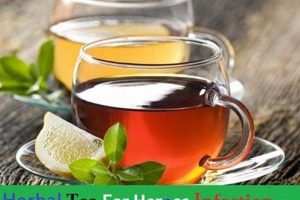
The use of botanical infusions to alleviate inflammation of the voice box is a practice with roots in traditional medicine. These beverages, prepared from various plants, are often employed as a soothing remedy for the discomfort associated with voice hoarseness and difficulty speaking. For instance, preparations involving ginger, chamomile, or licorice root are frequently cited for their potential to ease throat irritation.
The potential value of certain plant-based beverages lies in their inherent properties. Many herbs possess anti-inflammatory and demulcent qualities, which may help to reduce swelling and coat the throat, respectively. Historically, numerous cultures have relied on these natural remedies to manage upper respiratory ailments, recognizing their potential to offer symptomatic relief and support the body’s natural healing processes. This approach aligns with holistic wellness perspectives that emphasize the interconnectedness of mind and body.
The following sections will delve into specific botanical options, preparation methods, potential benefits, and important considerations when utilizing such infusions to manage vocal cord inflammation. Information regarding scientific evidence and appropriate precautions will also be presented, providing a balanced perspective on this therapeutic approach.
Tips for Soothing Vocal Cord Inflammation with Botanical Infusions
The following recommendations are intended to guide the informed use of botanical infusions for managing vocal cord inflammation. Consult a healthcare professional for personalized advice and diagnosis.
Tip 1: Select Appropriate Herbs: Choose herbs known for their demulcent and anti-inflammatory properties. Examples include chamomile, ginger, licorice root, and slippery elm. Ensure the herbs are sourced from reputable suppliers to guarantee quality and purity.
Tip 2: Preparation Methods: Adhere to recommended brewing times and temperatures. Generally, steeping herbs in hot water (not boiling) for 5-10 minutes is sufficient. Boiling water can degrade certain beneficial compounds.
Tip 3: Dosage and Frequency: Consume infusions in moderation, typically 2-3 cups per day. Excessive consumption may lead to adverse effects, depending on the herb. Monitor for any negative reactions.
Tip 4: Temperature Considerations: Drink infusions warm, not hot. Excessively hot liquids can further irritate inflamed vocal cords. Allow the beverage to cool to a comfortable temperature before consuming.
Tip 5: Combining Herbs: Exercise caution when combining different herbs. Research potential interactions and start with single-herb infusions to assess individual tolerance before creating blends.
Tip 6: Hydration is Key: Supplement botanical infusions with ample water intake throughout the day. Proper hydration is crucial for maintaining vocal cord health and reducing inflammation.
Tip 7: Avoid Irritants: While consuming botanical infusions, avoid known irritants such as caffeine, alcohol, and smoking. These substances can exacerbate vocal cord inflammation.
These tips provide a starting point for utilizing botanical infusions as a complementary approach to managing vocal cord inflammation. Prioritize safety and consult with a qualified healthcare provider for comprehensive care.
The subsequent section will address potential risks and contraindications associated with the use of specific botanical infusions, emphasizing the importance of informed decision-making.
1. Soothing Inflammation

Inflammation of the larynx, a primary characteristic of laryngitis, causes discomfort and voice impairment. The use of botanical infusions aims to mitigate this inflammation, offering symptomatic relief and potentially accelerating the healing process. Certain herbal constituents exhibit anti-inflammatory properties, making them a viable option for consideration.
- Chamomile’s Anti-inflammatory Action
Chamomile contains compounds, such as apigenin, which can inhibit the production of pro-inflammatory cytokines. These cytokines are involved in the inflammatory response, and reducing their activity can decrease swelling and irritation in the larynx. This effect is analogous to that of non-steroidal anti-inflammatory drugs (NSAIDs), albeit typically milder. Consuming chamomile infusion may, therefore, provide a degree of relief from vocal cord inflammation.
- Ginger’s Role in Inflammation Reduction
Ginger possesses gingerol and shogaol, potent anti-inflammatory agents. These compounds can suppress the activation of inflammatory pathways and reduce the production of inflammatory mediators. Furthermore, ginger can improve circulation, potentially aiding in the delivery of healing factors to the affected area. Ginger infusions may contribute to alleviating inflammation and associated discomfort in laryngitis.
- Licorice Root and Glabridin
Licorice root contains glabridin, a compound with anti-inflammatory and antioxidant properties. Glabridin can inhibit enzymes involved in inflammation, thereby reducing swelling and irritation. Additionally, licorice root has demulcent properties, which can coat and soothe the throat, providing further relief. However, it’s imperative to note the potential side effects of licorice root, particularly its impact on blood pressure and potassium levels, warranting cautious use.
- Demulcent Herbs and Mucosal Protection
Certain herbs, such as slippery elm and marshmallow root, are valued for their demulcent properties. These herbs contain mucilage, a substance that forms a protective coating over the inflamed mucosa of the larynx. This coating can shield the vocal cords from irritants and promote healing. By reducing contact with irritants, these herbs can contribute to a decrease in inflammation and associated symptoms. This protective action is beneficial in managing laryngitis-induced discomfort.
The incorporation of botanical infusions with anti-inflammatory and demulcent properties presents a complementary approach to alleviating vocal cord inflammation in laryngitis. However, it’s crucial to recognize that these infusions provide symptomatic relief and may not address the underlying cause of the condition. Consultation with a healthcare professional is recommended to determine the appropriate course of treatment.
2. Vocal Cord Hydration

Maintaining adequate vocal cord hydration is crucial for optimal voice function and the resolution of laryngitis symptoms. The use of botanical infusions, specifically, plays a significant role in this process. Hydration directly impacts the viscosity of the mucus lining the vocal cords, affecting their ability to vibrate efficiently and resist irritation.
- Mucosal Lubrication and Vibration
Vocal cord vibration depends on a thin, pliable layer of mucus. Dehydration thickens this layer, increasing the effort required for phonation and potentially leading to vocal fatigue or injury. Infusions derived from herbs contribute to the overall fluid intake, helping maintain the desired viscosity and facilitating smooth vocal fold movement. The water component of botanical preparations is fundamental to lubrication.
- Soothing Irritated Tissues
Inflammation, a hallmark of laryngitis, exacerbates the drying effect on vocal cords. The warm liquid from herbal infusions helps to soothe irritated tissues and replenish moisture. Specific herbs, like marshmallow root or slippery elm, contain mucilage, which forms a protective, hydrating layer. This protective barrier further minimizes friction and irritation during vocalization. Warmth and hydration from the infusions combine to mitigate the discomfort.
- Facilitating Mucus Clearance
While vocal cord hydration prevents excessive thickening of mucus, botanical infusions can also aid in expectoration when excessive mucus is present. Certain herbs, such as ginger or thyme, possess mild expectorant properties. These properties promote the loosening and expulsion of mucus, clearing the vocal cords and reducing the need for forceful coughing, which can further irritate the larynx. Hydration thins the mucus, making it easier to expel, which can be encouraged by specific herbs.
- Systemic Hydration and Vocal Health
Local vocal cord hydration is intertwined with overall systemic hydration. Adequate fluid intake throughout the day supports the health of all mucous membranes, including those lining the larynx. Using herbal infusions as a part of a comprehensive hydration strategy ensures that the vocal cords receive the necessary moisture from both local and systemic sources. This holistic approach supports optimal vocal function and facilitates recovery from laryngitis. Hydration is a systemic necessity with direct implications for vocal health.
The benefits of vocal cord hydration, as facilitated by botanical infusions, are manifold. From lubricating the vibrating surfaces to soothing irritated tissues and promoting effective mucus clearance, these infusions contribute significantly to symptom management and vocal health. The consistent integration of such beverages into a daily routine, alongside overall hydration strategies, supports the natural healing processes within the larynx and promotes long-term vocal well-being.
3. Mucus Membrane Relief

Laryngitis is often characterized by inflammation and irritation of the vocal cords, directly impacting the health and function of the delicate mucus membranes lining the larynx. Botanical infusions are frequently employed to provide relief to these irritated membranes, aiming to alleviate discomfort and promote healing. The therapeutic potential hinges on the specific properties of the herbs used and their ability to interact favorably with the affected tissues.
- Demulcent Action and Protective Coating
Certain herbs, such as slippery elm and marshmallow root, are renowned for their demulcent properties. These herbs contain mucilage, a complex polysaccharide that, when mixed with water, forms a soothing gel-like substance. This gel adheres to the mucus membranes, creating a protective coating that shields the irritated tissues from further damage. The resulting barrier can reduce friction during vocalization and minimize the impact of external irritants like pollutants or allergens. The physical barrier provides an environment conducive to healing.
- Anti-inflammatory Compounds and Irritation Reduction
Many botanical infusions contain compounds with inherent anti-inflammatory properties. Chamomile, for example, possesses constituents that can help to reduce inflammation within the mucus membranes. By counteracting the inflammatory process, these compounds can alleviate swelling and redness, contributing to a reduction in overall discomfort. The decreased inflammation can improve vocal cord function and reduce pain associated with laryngitis.
- Hydration and Enhanced Membrane Function
Adequate hydration is essential for maintaining the health and integrity of mucus membranes. Botanical infusions, being primarily water-based, contribute to overall hydration levels. This hydration helps to thin the mucus lining the vocal cords, facilitating easier vibration and reducing the likelihood of irritation. Well-hydrated membranes are also better equipped to resist infection and repair damage. Proper hydration supports natural defense mechanisms.
- Antimicrobial Properties and Infection Control
Some herbal infusions contain compounds with mild antimicrobial properties. While not a substitute for conventional antibiotics, these compounds can help to inhibit the growth of certain bacteria or viruses that may contribute to laryngitis. Herbs such as thyme and ginger possess constituents that can exert an antimicrobial effect, potentially aiding in the control of secondary infections. These effects may help maintain a balanced microbial environment on the mucus membranes.
The use of botanical infusions to provide relief to the mucus membranes affected by laryngitis is a multifaceted approach. By combining demulcent action, anti-inflammatory compounds, hydration, and antimicrobial properties, these beverages can offer significant symptomatic relief and support the natural healing processes within the larynx. It is imperative to remember, however, that botanical infusions should be considered as a complementary therapy and should not replace conventional medical treatments when indicated.
4. Reducing Irritation

Vocal cord inflammation, a hallmark of laryngitis, is frequently exacerbated by various irritants. These irritants can range from environmental factors, such as pollutants and allergens, to physiological stressors like excessive coughing or vocal strain. The primary objective in managing laryngitis often centers on mitigating these irritants to facilitate healing and reduce discomfort. Botanical infusions, prepared for laryngeal soothing, are employed as a means to address this specific need, acting as both a protective barrier and a source of anti-inflammatory compounds.
The demulcent properties found in certain herbs, such as slippery elm and marshmallow root, exemplify the direct relationship between botanical infusions and irritation reduction. These herbs contain mucilage, a substance that forms a protective coating over the inflamed vocal cords, shielding them from further irritation. This coating acts as a physical barrier, reducing friction during vocalization and minimizing the impact of external factors. Furthermore, the warm temperature of the infusion itself can provide a soothing effect, relaxing the muscles in the throat and reducing tension that might contribute to irritation. An individual experiencing vocal strain from prolonged speaking, for example, might find relief from the soothing and protective effects of a slippery elm infusion, enabling them to rest their vocal cords and initiate the healing process.
In summary, the connection between botanical infusions and irritation reduction in laryngitis management is characterized by a multi-faceted approach involving physical protection, anti-inflammatory action, and soothing warmth. The selection of appropriate herbs and careful preparation of infusions are essential to maximizing these benefits. While not a standalone cure, these infusions offer a valuable complementary strategy for alleviating symptoms and creating an environment conducive to vocal cord recovery. Recognizing the potential for interaction with existing medications or underlying health conditions remains paramount, underscoring the importance of consulting with a healthcare professional.
5. Herbal Properties

The efficacy of botanical infusions in alleviating laryngitis hinges directly on the inherent properties of the herbs utilized. These properties, encompassing anti-inflammatory, demulcent, antimicrobial, and expectorant actions, dictate the infusion’s potential to address various facets of vocal cord inflammation. For example, chamomile, valued for its anti-inflammatory constituents, reduces laryngeal swelling, easing discomfort. Similarly, licorice roots demulcent action soothes irritated membranes, creating a protective barrier. The cause-and-effect relationship between herbal properties and therapeutic outcome is central to understanding the role of these infusions in laryngitis management.
The selection of specific herbs for laryngitis infusions must be based on a comprehensive understanding of their individual properties. Infusions crafted from thyme and ginger, known for antimicrobial activity, can address underlying infections contributing to inflammation. Conversely, formulations incorporating slippery elm leverage its demulcent qualities to coat and protect the vocal cords. The practical significance lies in the capacity to tailor herbal combinations to address the specific symptomatic profile of each individual. This targeted approach necessitates informed decision-making, emphasizing the importance of accurate herbal identification and sourcing. Knowledgeable practitioners and informed consumers are better equipped to select appropriate herbal remedies for specific health needs.
In summary, the success of botanical infusions as a supportive intervention for laryngitis is inextricably linked to the properties inherent within the selected herbs. A nuanced understanding of these properties encompassing anti-inflammatory, demulcent, antimicrobial, and expectorant actions allows for targeted application. The selection criteria need to consider not only the targeted properties, but also the potential side effects. This informed approach ensures that infusions are not only effective but also safe, maximizing the potential for symptomatic relief and promoting vocal cord recovery. The long-term benefit can be significant when the herbal properties and preparation of botanical infusions are understood and applied correctly.
6. Preparation Methods

The efficacy of using botanical infusions to alleviate laryngitis is intrinsically linked to the methods employed in their preparation. Improper preparation can diminish or negate the beneficial properties of the herbs, rendering the infusion ineffective or, in some cases, potentially harmful. The extraction of active compounds, influenced by factors such as water temperature, steeping time, and herb-to-water ratio, directly impacts the therapeutic potential of the final product. For example, overheating delicate herbs like chamomile can degrade their volatile oils, reducing their anti-inflammatory effect. Conversely, under-steeping may result in insufficient extraction of beneficial compounds from tougher herbs like licorice root, limiting their therapeutic potential. Understanding and adhering to appropriate preparation techniques is, therefore, essential for maximizing the benefits of these infusions in managing vocal cord inflammation.
Specific preparation methods vary based on the herb being used and the desired therapeutic outcome. For example, ginger root, known for its anti-inflammatory properties, benefits from a prolonged simmering process to effectively extract its active compounds. However, licorice root requires careful monitoring due to its potential to elevate blood pressure if consumed in excessive concentrations. In contrast, chamomile flowers, prized for their soothing effects, are best prepared using a gentle steeping method to preserve their delicate volatile oils. A real-world scenario involves an individual using chamomile tea for laryngitis who over-steeps the tea. As a result, a more bitter taste can appear. In contrast, careful adherence to the right temperatures is also needed to avoid having no effect at all. Understanding these nuances is critical for safe and effective use. The practical significance of mastering these techniques extends beyond mere symptom relief; it empowers individuals to take a proactive role in their vocal health.
In conclusion, the link between preparation methods and the therapeutic efficacy of herbal infusions for laryngitis is undeniable. Attention to detail in water temperature, steeping time, and herb-to-water ratio is essential for optimizing the extraction of beneficial compounds and minimizing the risk of adverse effects. The challenge lies in disseminating accurate and accessible information regarding appropriate preparation techniques for various herbs. By prioritizing knowledge and adherence to best practices, individuals can harness the full potential of botanical infusions to alleviate symptoms and support vocal cord recovery.
7. Cautions/Interactions
The use of botanical infusions for managing laryngitis necessitates careful consideration of potential cautions and interactions. These infusions, while often perceived as benign, can exhibit pharmacological activity that may pose risks for certain individuals or interact adversely with existing medications. The absence of awareness regarding potential contraindications can lead to unintended consequences, ranging from diminished medication effectiveness to exacerbation of underlying health conditions. For example, an individual taking anticoagulants who concurrently consumes large quantities of ginger tea may experience an increased risk of bleeding. Therefore, understanding the potential for cautions and interactions is a crucial component of responsible utilization of herbal infusions for laryngitis.
Specific herbs commonly used in laryngitis infusions carry distinct cautionary profiles. Licorice root, for instance, can elevate blood pressure and reduce potassium levels, posing risks for individuals with hypertension or heart conditions. Chamomile, while generally safe, may trigger allergic reactions in individuals sensitive to plants in the Asteraceae family, such as ragweed. Furthermore, some herbs can interfere with the metabolism of certain medications, reducing their efficacy or increasing the risk of side effects. St. John’s Wort, although less commonly used for laryngitis, serves as a notable example due to its well-documented interactions with numerous prescription drugs. A patient taking selective serotonin reuptake inhibitors (SSRIs) for depression, who unknowingly consumes St. John’s Wort, may experience an increased risk of serotonin syndrome, a potentially life-threatening condition. The identification of such potential interactions often requires thorough research and consultation with a healthcare professional.
In summary, the safe and effective use of botanical infusions for laryngitis demands a comprehensive understanding of potential cautions and interactions. Individuals with pre-existing health conditions or those taking medications must exercise particular caution and seek professional guidance before incorporating these infusions into their treatment regimen. The integration of information regarding potential risks is not merely an advisory measure but a fundamental aspect of responsible healthcare decision-making, ensuring that the pursuit of natural remedies does not inadvertently compromise patient well-being. The lack of caution can result in negative impacts in the patients journey to be healthy.
Frequently Asked Questions
This section addresses common inquiries regarding the use of botanical infusions as a complementary approach to managing inflammation of the larynx. The information provided is intended for educational purposes and does not constitute medical advice. Consultation with a healthcare professional is recommended before implementing any new treatment strategy.
Question 1: Are botanical infusions a substitute for conventional medical treatment for laryngitis?
No. Botanical infusions should be regarded as a supportive measure, not a replacement for medical interventions prescribed by a physician. Severe or persistent laryngitis requires a thorough medical evaluation to identify the underlying cause and initiate appropriate treatment, which may include antibiotics, corticosteroids, or other medications.
Question 2: How quickly can one expect to experience relief from laryngitis symptoms after consuming botanical infusions?
The onset of symptom relief varies significantly depending on individual factors, the severity of the inflammation, and the specific herbs used. Some individuals may experience mild soothing effects within a few hours, while others may require several days of consistent use to notice a discernible improvement. It is important to manage expectations and maintain realistic timelines.
Question 3: Are there specific herbs that are generally considered more effective than others for laryngitis?
Certain herbs, such as slippery elm and marshmallow root, are frequently cited for their demulcent properties, which can provide a protective coating to the vocal cords. Chamomile and ginger are often used for their anti-inflammatory effects. However, the optimal choice of herb depends on individual needs and preferences, and it is advisable to research the properties of each herb before use.
Question 4: Can botanical infusions be safely consumed by children experiencing laryngitis?
Caution is warranted when administering botanical infusions to children. Many herbs have not been adequately studied in pediatric populations, and potential risks or side effects may not be fully understood. Consultation with a pediatrician or qualified healthcare provider is strongly recommended before giving botanical infusions to children.
Question 5: Is it possible to experience an allergic reaction to botanical infusions?
Yes. Allergic reactions to herbs are possible, particularly in individuals with known sensitivities to specific plant families. Symptoms of an allergic reaction may include skin rashes, itching, swelling, or difficulty breathing. Discontinue use immediately and seek medical attention if any signs of an allergic reaction occur.
Question 6: Can botanical infusions interact with prescription medications?
Yes. Certain herbs can interact with prescription medications, altering their effectiveness or increasing the risk of side effects. It is essential to disclose all herbal remedies being used to a physician or pharmacist to assess potential drug interactions. This is especially crucial for individuals taking medications for chronic conditions, such as heart disease, diabetes, or autoimmune disorders.
The information provided in these FAQs offers a preliminary understanding of botanical infusions and their potential role in managing vocal cord inflammation. The complexity of laryngitis and the variability of individual responses underscore the importance of personalized medical advice and informed decision-making.
The subsequent section will provide insights on lifestyle modifications and other complementary therapies that can further support vocal health and alleviate the symptoms of laryngitis.
Concluding Observations
The foregoing exploration has presented a comprehensive overview of herbal tea for laryngitis, detailing considerations ranging from the selection and preparation of specific botanical ingredients to potential benefits, cautions, and interactions. A recurrent theme has emphasized the importance of informed decision-making, underscoring the need for individuals to possess a thorough understanding of the properties and risks associated with each herb.
The responsible utilization of botanical infusions as a complementary approach to managing laryngeal inflammation necessitates an integration of traditional knowledge with contemporary medical understanding. This synthesis promotes optimal patient outcomes and encourages a proactive stance towards vocal health. Continued research and rigorous clinical trials are warranted to further elucidate the efficacy and safety profiles of various herbal remedies within this domain.