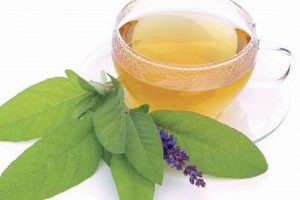
Herbal peppermint tea, an infusion derived from the Mentha piperita plant, is a popular beverage known for its refreshing flavor and potential therapeutic properties. The drink is prepared by steeping dried or fresh peppermint leaves in hot water, releasing volatile oils responsible for its characteristic aroma and reported effects. These oils contain menthol and menthone, compounds frequently associated with various health benefits.
The consumption of peppermint tea has been historically linked to easing digestive discomfort. It is believed to possess antispasmodic properties that may help relax muscles in the gastrointestinal tract, potentially relieving symptoms of bloating, gas, and indigestion. Furthermore, some evidence suggests it can alleviate tension headaches due to its muscle-relaxant effects and ability to improve blood flow. Beyond physical benefits, the tea’s aromatic qualities can also promote relaxation and reduce stress. Its caffeine-free nature makes it a suitable alternative to caffeinated beverages, especially in the evening.
The subsequent sections will delve deeper into the specific applications and supporting research concerning the advantageous qualities of this herbal infusion. Topics covered will include its impact on digestive health, its potential role in pain management, and its broader effects on overall well-being.
Maximizing the Benefits of Herbal Peppermint Tea
To fully leverage the advantageous qualities associated with herbal peppermint tea, consider the following guidelines for preparation and consumption.
Tip 1: Opt for High-Quality Peppermint. Select loose-leaf or tea bags containing primarily peppermint leaves, avoiding blends with excessive additives or artificial flavorings. Quality directly influences the concentration of beneficial compounds.
Tip 2: Proper Steeping is Crucial. Steep peppermint leaves in freshly boiled water for approximately 5-10 minutes. Longer steeping times generally result in a more potent infusion with a stronger flavor profile.
Tip 3: Mindful Consumption Timing. Consume peppermint tea after meals to potentially aid digestion, or between meals to help curb appetite. Experiment to identify the most effective timing for individual needs.
Tip 4: Consider Dosage and Frequency. While generally safe, excessive consumption may lead to adverse effects in some individuals. Start with one to two cups per day and adjust based on personal tolerance and observed effects.
Tip 5: Address Specific Ailments Strategically. For digestive upset, drink a cup of warm peppermint tea slowly. For tension headaches, combine with relaxation techniques such as deep breathing exercises.
Tip 6: Be Aware of Potential Interactions. Peppermint can interact with certain medications, such as those for blood pressure or gastrointestinal issues. Consult a healthcare professional if taking prescription medications regularly.
Tip 7: Storage for Optimal Freshness. Store dried peppermint leaves or tea bags in an airtight container away from direct sunlight and moisture to preserve flavor and potency.
By adhering to these recommendations, individuals can potentially optimize the positive effects of herbal peppermint tea and enhance its overall contribution to well-being.
The subsequent section will provide a comprehensive summary of the multifaceted advantages of this herbal beverage and offer concluding remarks.
1. Digestive aid

Peppermint tea is frequently cited for its potential benefits as a digestive aid, a claim rooted in both traditional use and emerging scientific understanding. Its compounds may positively influence multiple aspects of the digestive process.
- Antispasmodic Effects on Gastrointestinal Muscles
Peppermint contains compounds, primarily menthol, believed to exert antispasmodic effects on the smooth muscles of the gastrointestinal tract. These effects may help to relax contracted muscles, potentially alleviating discomfort associated with irritable bowel syndrome (IBS) or general abdominal cramping. Clinical studies suggest that peppermint oil, with a high concentration of menthol, can reduce the frequency and severity of abdominal pain in individuals with IBS. Herbal peppermint tea, while containing lower menthol concentrations than peppermint oil capsules, might still provide milder relief for those experiencing digestive spasms.
- Promotion of Bile Flow
Bile, produced by the liver and stored in the gallbladder, plays a crucial role in fat digestion and absorption. Some evidence suggests that peppermint may stimulate the production and flow of bile, thereby aiding in the digestion of fatty foods. Insufficient bile flow can lead to symptoms such as bloating, nausea, and indigestion, particularly after consuming high-fat meals. By potentially enhancing bile secretion, peppermint tea could contribute to more efficient fat digestion and a reduction in these symptoms.
- Reduction of Bloating and Gas
The accumulation of gas in the digestive tract can lead to bloating and discomfort. Peppermint’s potential to relax gastrointestinal muscles may also facilitate the expulsion of gas, thereby reducing feelings of fullness and distention. Additionally, some believe that peppermint can inhibit the growth of certain bacteria in the gut that contribute to gas production. While more research is needed to fully understand this mechanism, anecdotal evidence and some preliminary studies suggest that peppermint tea can be a helpful remedy for bloating and gas.
- Potential Modulation of Gut Microbiota
Emerging research indicates that peppermint may have an impact on the composition of the gut microbiota, the complex community of microorganisms residing in the digestive tract. While the specific effects of peppermint on the gut microbiota are still under investigation, some studies suggest that it may possess antimicrobial properties that could selectively reduce the populations of certain harmful bacteria while promoting the growth of beneficial bacteria. Maintaining a balanced gut microbiota is essential for optimal digestion, nutrient absorption, and overall gut health. Herbal peppermint tea, through its potential modulation of the gut microbiota, might indirectly contribute to improved digestive function.
In conclusion, the multifaceted ways in which peppermint tea supports the digestive system highlight its importance as a digestive aid. From its antispasmodic properties to its potential influence on bile flow and gut microbiota, peppermint tea presents a holistic approach to supporting a healthy digestive process.
2. Headache relief

The application of herbal peppermint tea for headache relief is a notable aspect of its therapeutic potential. The tea’s composition includes compounds that may address various factors contributing to headaches, positioning it as a complementary approach to headache management.
- Muscle Relaxant Properties and Tension Headaches
Peppermint contains menthol, known for its muscle relaxant properties. Tension headaches often result from muscle contractions in the head and neck. The consumption of peppermint tea may help relax these muscles, potentially alleviating the pain and pressure associated with tension headaches. This is achieved through menthol’s action on calcium channels in muscle cells, reducing their excitability and promoting relaxation.
- Vasodilation and Blood Flow Enhancement
Certain headache types, such as migraines, can involve constricted blood vessels in the brain. Menthol exhibits vasodilatory effects, meaning it can widen blood vessels and improve blood flow. This increased blood flow to the brain may help reduce the intensity of headaches caused by vascular constriction. Studies suggest that topical application of menthol can provide similar benefits, indicating that even the aroma of peppermint tea may contribute to this effect.
- Stress Reduction and Headache Prevention
Stress is a common trigger for headaches. Herbal peppermint tea, being caffeine-free, can be a calming beverage that promotes relaxation. By reducing stress levels, peppermint tea may indirectly help prevent the onset of stress-related headaches. The act of preparing and consuming the warm tea can also contribute to a sense of well-being and relaxation, further mitigating stress and its potential headache-inducing effects.
- Analgesic Effects and Pain Modulation
Menthol is known to interact with pain receptors in the body, producing an analgesic (pain-relieving) effect. While the analgesic effects of peppermint tea may be milder compared to concentrated menthol products, regular consumption could contribute to a reduction in headache frequency and severity. The interaction between menthol and pain receptors modulates pain signals, decreasing the perception of discomfort associated with headaches.
The combined muscle-relaxing, vasodilating, stress-reducing, and analgesic properties of peppermint tea contribute to its potential as a natural remedy for headache relief. Its accessibility and minimal side effects make it a suitable option for individuals seeking a complementary approach to headache management. While not a replacement for medical treatment, it can be part of a holistic strategy for individuals seeking natural headache relief.
3. Muscle relaxation

Peppermint tea’s potential for muscle relaxation is a significant factor contributing to its overall health benefits. The active compounds present in peppermint, particularly menthol, exert a direct influence on muscle tissue. This effect is attributed to menthol’s ability to interfere with calcium channels within muscle cells. By modulating calcium influx, menthol effectively reduces muscle excitability and promotes a state of relaxation. This mechanism is particularly relevant in the context of smooth muscle tissue, which lines the digestive tract and other internal organs. The relaxation of these muscles can alleviate spasms, cramping, and discomfort, thereby supporting digestive function.
The practical implications of peppermint tea’s muscle-relaxing properties extend to managing tension headaches and other forms of muscle-related pain. Tension headaches, often characterized by muscle contractions in the head and neck, may be mitigated by the muscle-relaxant effects of peppermint. Similarly, individuals experiencing muscle stiffness or soreness due to exercise or other physical activity may find relief from consuming peppermint tea. Furthermore, the calming effect induced by muscle relaxation can contribute to stress reduction and improved sleep quality. For example, drinking a cup of peppermint tea before bed could help relax tense muscles, easing the transition to sleep.
In conclusion, the capacity of peppermint tea to induce muscle relaxation is a cornerstone of its therapeutic value. By directly impacting muscle tissue and promoting a state of relaxation, peppermint tea offers a natural approach to managing muscle-related discomfort, supporting digestive function, and promoting overall well-being. While not a substitute for medical treatment in cases of severe muscle conditions, the gentle muscle-relaxing properties of peppermint tea can provide a valuable form of self-care.
4. Nausea reduction

The alleviation of nausea is a frequently cited application of herbal peppermint tea. Its efficacy in this regard is linked to several mechanisms through which peppermint influences the digestive system and nervous system responses.
- Antispasmodic Action in the Stomach
Peppermint possesses antispasmodic properties that can calm the stomach muscles, reducing the contractions that contribute to nausea. By relaxing these muscles, peppermint may alleviate the sensation of unease and prevent the urge to vomit. This is particularly relevant in cases of motion sickness or mild stomach upset where muscle spasms exacerbate nausea.
- Modulation of Gastric Emptying
Delayed gastric emptying, where food remains in the stomach for an extended period, can contribute to nausea. Peppermint may influence the rate of gastric emptying, potentially accelerating the process and reducing the feeling of fullness and nausea. However, the effect on gastric emptying requires further research to fully elucidate the mechanism and its consistency across individuals.
- Activation of Anti-Emetic Pathways
The aroma of peppermint can stimulate the trigeminal nerve, which may in turn activate anti-emetic pathways in the brain. These pathways suppress the vomiting reflex and reduce the sensation of nausea. Inhaling peppermint aroma, such as from peppermint tea, can provide a rapid, albeit potentially temporary, relief from nausea symptoms.
- Psychological Effects and Relaxation
Nausea can often be exacerbated by anxiety and stress. The calming effect of drinking herbal tea, combined with peppermint’s soothing aroma, can promote relaxation and reduce the psychological factors contributing to nausea. This indirect effect can be particularly beneficial in cases of anticipatory nausea or nausea related to anxiety.
The various mechanisms through which peppermint tea may reduce nausea underscore its value as a natural remedy for this condition. From its direct effects on stomach muscles to its influence on nervous system pathways and psychological state, peppermint tea offers a multifaceted approach to nausea relief. These effects contribute to the overall understanding of peppermint tea’s therapeutic potential and support its use in managing mild to moderate nausea symptoms.
5. Respiratory support
Respiratory support represents a significant area where herbal peppermint tea may offer potential benefits. The volatile oils present in peppermint, particularly menthol, are known for their decongestant and anti-inflammatory properties, making the tea a traditional remedy for various respiratory ailments. These properties are believed to aid in clearing airways and easing breathing.
- Decongestant Action and Nasal Clearance
Menthol, a primary component of peppermint, possesses well-documented decongestant properties. Inhaling steam infused with peppermint oil, or consuming peppermint tea, can help to loosen mucus and clear nasal passages. This action facilitates easier breathing and provides relief from nasal congestion associated with colds, allergies, and sinus infections. Menthol stimulates cold receptors in the nasal passages, creating a cooling sensation that can subjectively improve airflow and reduce the feeling of stuffiness.
- Bronchodilatory Effects and Airway Relaxation
Peppermint may exhibit bronchodilatory effects, meaning it can help relax the muscles of the bronchial tubes, thereby widening the airways. This effect can be particularly beneficial for individuals with asthma or other respiratory conditions characterized by airway constriction. While the bronchodilatory effects of peppermint tea may be milder than those of pharmaceutical bronchodilators, it could provide a complementary approach to managing airway inflammation and improving breathing capacity.
- Anti-inflammatory Properties and Airway Inflammation Reduction
Respiratory inflammation is a common feature of many respiratory illnesses. Peppermint possesses anti-inflammatory properties that could help reduce inflammation in the airways. This reduction in inflammation can alleviate symptoms such as coughing, wheezing, and shortness of breath. Regular consumption of peppermint tea, in conjunction with other medical treatments, may contribute to a decrease in airway inflammation and improved respiratory function over time.
- Soothing Effect on Sore Throats and Coughs
The warm liquid of peppermint tea can provide a soothing effect on sore throats, while the menthol can help to suppress coughs. The combination of warmth and menthol creates a demulcent effect, coating the throat and reducing irritation. This effect is particularly useful in managing dry, irritating coughs associated with colds or allergies. Moreover, the steam from the tea can help to moisturize the airways, further alleviating discomfort and promoting healing.
In summary, herbal peppermint tea offers several potential benefits for respiratory support, including decongestant action, bronchodilatory effects, anti-inflammatory properties, and soothing effects on sore throats and coughs. These attributes contribute to its reputation as a valuable home remedy for managing various respiratory symptoms. While peppermint tea is not a replacement for medical treatment, it can complement conventional therapies in promoting respiratory health and well-being.
6. Stress alleviation

Stress alleviation represents a crucial aspect of well-being, and the potential contribution of herbal peppermint tea in this domain warrants examination. The interplay between the tea’s properties and the physiological and psychological responses to stress forms the basis for its reported benefits.
- Reduction of Cortisol Levels
Cortisol, often referred to as the stress hormone, is released in response to stressful stimuli. Elevated cortisol levels can lead to a range of negative health consequences. Certain studies suggest that the aroma of peppermint may help reduce cortisol levels, promoting a more relaxed state. For instance, individuals exposed to peppermint scent during stressful tasks exhibited lower cortisol levels compared to those in control groups. The practical implication is that regular consumption of peppermint tea, or even simply inhaling its aroma, could contribute to managing the body’s stress response.
- Promotion of Muscle Relaxation
Stress often manifests as muscle tension, particularly in the neck and shoulders. As previously noted, peppermint possesses muscle-relaxant properties. By relaxing tense muscles, peppermint tea can alleviate physical symptoms of stress and promote a sense of calm. This effect is particularly relevant in managing stress-related headaches or discomfort associated with prolonged periods of tension. The direct relaxation of muscles can break the feedback loop between physical tension and psychological stress, contributing to overall stress reduction.
- Improvement of Sleep Quality
Stress can significantly disrupt sleep patterns, leading to insomnia or poor sleep quality. The caffeine-free nature of peppermint tea makes it a suitable beverage for consumption before bed, as it does not interfere with sleep. Furthermore, the relaxing properties of peppermint can help calm the mind and prepare the body for sleep, potentially improving sleep quality and duration. A consistent sleep schedule and adequate sleep are essential for effective stress management.
- Mindfulness and the Ritual of Tea Consumption
The act of preparing and consuming herbal tea can be a mindful practice that promotes relaxation and stress reduction. The process of brewing tea, focusing on the aroma and taste, and taking time to savor the beverage can create a moment of calm amidst a busy day. This ritualistic aspect of tea consumption can serve as a form of meditation or mindfulness practice, allowing individuals to detach from stressors and focus on the present moment. The cumulative effect of these mindful moments can contribute to long-term stress management.
The stress-alleviating properties of peppermint tea, encompassing hormonal regulation, muscle relaxation, improved sleep, and the promotion of mindfulness, underscore its role as a complementary tool in stress management. These facets, considered collectively, illuminate the multifaceted ways in which herbal peppermint tea can contribute to a reduction in stress levels and an enhancement of overall well-being. The availability and accessibility of peppermint tea further enhance its practicality as a stress-reducing agent for incorporation into daily routines.
Frequently Asked Questions
The following section addresses common inquiries and misconceptions regarding the uses and properties of herbal peppermint tea, providing clear and concise answers based on current understanding.
Question 1: Does herbal peppermint tea interact with medications?
Peppermint can potentially interact with certain medications, including those for blood pressure, gastrointestinal issues, and cyclosporine. Individuals taking prescription medications should consult a healthcare professional before regularly consuming peppermint tea to assess potential interactions.
Question 2: Can peppermint tea completely replace conventional treatments for digestive disorders?
Herbal peppermint tea is not a replacement for medical treatment. It can be a complementary therapy for managing mild digestive symptoms, but individuals with diagnosed digestive disorders should continue to follow their prescribed treatment plans and consult their healthcare provider regarding the use of peppermint tea.
Question 3: Is peppermint tea safe for pregnant or breastfeeding women?
While generally considered safe in moderate amounts, pregnant or breastfeeding women should consult their healthcare provider before consuming peppermint tea regularly. Some compounds in peppermint may have effects on hormone levels, and more research is needed to fully assess its safety during pregnancy and lactation.
Question 4: How much peppermint tea is considered safe to consume daily?
Moderate consumption, typically 1-3 cups per day, is generally considered safe for most individuals. Excessive consumption may lead to adverse effects, such as heartburn or allergic reactions. Individual tolerance varies, and it is advisable to start with smaller amounts and gradually increase as needed.
Question 5: Does the quality of peppermint tea influence its effectiveness?
The quality of peppermint tea can significantly influence its effectiveness. Opting for high-quality, loose-leaf or tea bags containing primarily peppermint leaves ensures a higher concentration of beneficial compounds. Avoid blends with excessive additives or artificial flavorings.
Question 6: Can peppermint tea cause heartburn?
In some individuals, peppermint can relax the lower esophageal sphincter, potentially allowing stomach acid to flow back into the esophagus and cause heartburn. Individuals prone to heartburn should exercise caution when consuming peppermint tea and discontinue use if symptoms worsen.
This FAQ section clarifies several key points regarding the use of herbal peppermint tea, emphasizing the importance of moderation, consulting healthcare professionals when necessary, and considering individual health conditions.
The following section will provide a concluding summary of the benefits and considerations associated with herbal peppermint tea.
Herbal Peppermint Tea
This exploration has sought to elucidate the multifaceted benefits associated with herbal peppermint tea. The analysis has encompassed its potential to aid digestion, alleviate headaches, promote muscle relaxation, reduce nausea, support respiratory function, and alleviate stress. These attributes stem from the inherent properties of peppermint, including its antispasmodic, anti-inflammatory, and analgesic effects. The investigation also underscored the importance of responsible consumption, awareness of potential interactions, and the necessity of seeking professional medical advice when appropriate.
The information presented serves as a foundation for informed decision-making regarding the incorporation of herbal peppermint tea into a health and wellness regimen. While not a panacea, its potential to address specific ailments and promote overall well-being remains a noteworthy consideration. Further research and individual experimentation may further refine understanding of its applications and benefits, contributing to its continued relevance in the realm of complementary therapies.