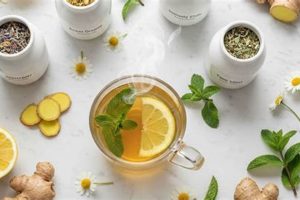
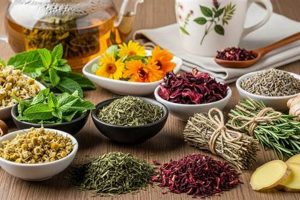
An infusion created from herbs, spices, flowers, or other plant material, chilled and served, offers a refreshing alternative to traditional hot beverages. This preparation method allows for the extraction of beneficial compounds from the plant matter, resulting in a flavorful and potentially healthful drink consumed at a cool temperature. Common examples include mint, chamomile, or hibiscus, steeped and then cooled.
The practice of consuming these chilled infusions spans centuries and cultures, often valued for their perceived therapeutic properties and hydrating qualities. Their appeal lies in their ability to provide subtle flavors and potential health benefits without the stimulating effects of caffeine found in traditional tea or coffee. The absence of heat may also preserve certain volatile compounds that could be lost during hot brewing, potentially enhancing the beverage’s overall value.
The subsequent sections will delve into specific herb varieties suitable for this method, their potential health implications, optimal brewing techniques, and creative serving suggestions, offering a complete guide to appreciating and utilizing this versatile beverage option.
Preparation and Consumption Advice
The following guidelines address optimal methods for creating and enjoying chilled herbal infusions. Attention to these details can enhance flavor and maximize potential benefits.
Tip 1: Select Quality Ingredients: Opt for dried or fresh herbs from reputable sources. Quality herbs will yield a more flavorful and potent infusion. Organic varieties are preferable to minimize exposure to pesticides.
Tip 2: Utilize Proper Infusion Time: Steep herbs in hot water (not boiling) for the recommended duration typically 5-10 minutes, depending on the herb. Over-steeping can result in a bitter taste. Refer to specific guidelines for individual herbs.
Tip 3: Strain Thoroughly: After infusion, strain the liquid carefully to remove all plant matter. Fine mesh strainers or cheesecloth are suitable for ensuring a clear and pleasant beverage.
Tip 4: Cool Completely Before Serving: Allow the infusion to cool to room temperature before refrigerating. Rapid cooling can sometimes alter the flavor profile. Refrigeration should occur for at least two hours to achieve optimal chill.
Tip 5: Consider Flavor Pairings: Enhance the flavor by adding citrus slices (lemon, lime, orange), fresh berries, or cucumber. Experiment with various combinations to create unique and appealing blends.
Tip 6: Avoid Over-Sweetening: If desired, use natural sweeteners such as honey, agave nectar, or stevia sparingly. Excessive sweetness can mask the subtle flavors of the herbs.
Tip 7: Store Properly: Store chilled herbal infusions in airtight containers in the refrigerator for up to 2-3 days. Discard any leftover beverage after this period to ensure freshness and prevent bacterial growth.
Adhering to these suggestions will facilitate the creation of a consistently flavorful and refreshing chilled herbal beverage, maximizing its potential appeal and health benefits.
The final section will summarize the key attributes of chilled herbal infusions, reinforcing their value as a healthy and versatile beverage choice.
1. Hydration

Adequate hydration is essential for numerous physiological functions, including maintaining electrolyte balance, regulating body temperature, and facilitating nutrient transport. Chilled herbal infusions provide a flavorful and palatable means of contributing to daily fluid intake, particularly beneficial for individuals who find plain water unappealing. Dehydration can manifest in symptoms such as fatigue, headaches, and impaired cognitive function; therefore, incorporating hydrating beverages like these infusions can mitigate such risks. For example, during periods of increased physical activity or in hot climates, the consumption of chilled herbal tea can effectively replenish lost fluids and electrolytes.
The importance of hydration as a component of chilled herbal tea stems from the water content constituting the infusion’s base. Water acts as a solvent, extracting beneficial compounds from the herbs, and simultaneously serving as a fluid source. Unlike sugar-sweetened beverages that can contribute to dehydration due to their osmotic effect, herbal infusions typically contain minimal or no added sugars, making them a healthier alternative for maintaining fluid balance. For instance, hospitals often recommend herbal teas as a mild and gentle way to encourage fluid intake for patients recovering from illness. Also, it helps in controlling blood pressure.
In conclusion, chilled herbal infusions play a significant role in promoting adequate hydration, offering a refreshing and potentially beneficial alternative to water or less healthy beverage options. The practical significance of understanding this connection lies in its potential to improve overall health and well-being by encouraging increased fluid intake, particularly among individuals who struggle to meet their daily hydration needs. The challenge remains in educating the public about the diverse array of herbal infusion options and their specific hydrating qualities, ensuring informed choices for optimized hydration and overall health.
2. Flavor Complexity

The intricate nature of flavor profiles achievable in chilled herbal infusions is a defining characteristic, contributing significantly to their appeal and versatility. This complexity arises from various factors, including the inherent properties of the herbs used, the brewing process, and potential additions of other flavoring agents.
- Herbal Combinations
The blending of multiple herbs creates layered and nuanced flavor experiences. For example, combining chamomile’s floral notes with peppermint’s cooling sensation yields a more intricate profile than either herb offers individually. The selection of herbs, therefore, becomes a critical determinant in shaping the overall flavor complexity of the infusion. A deeper knowledge in this concept will ensure the quality of the product.
- Extraction Variables
The duration and temperature of the brewing process significantly influence the extraction of flavor compounds from the herbs. Prolonged steeping can draw out bitter tannins, while insufficient steeping may result in a weak and underdeveloped flavor. Moreover, the water’s temperature, though lower than for traditional hot tea preparation, still impacts which compounds are extracted and in what proportion.
- Aromatic Compounds
A significant portion of flavor perception is derived from aromatic compounds released by the herbs. These volatile compounds contribute to the overall sensory experience, often imparting subtle nuances that enhance the beverage’s complexity. Ingredients such as lavender, rosehips, and citrus peels contribute unique aromatic elements that significantly alter the infusion’s character.
- Additives and Enhancements
The addition of other ingredients, such as fruits, spices, or sweeteners, can further augment the flavor complexity of chilled herbal infusions. For instance, a few slices of ginger can add a spicy warmth, while a squeeze of lemon can introduce acidity and brightness. Thoughtful use of these additives allows for the creation of customized flavor profiles tailored to individual preferences.
These facets highlight the diverse factors that contribute to the flavor complexity of chilled herbal infusions. By understanding and manipulating these variables, it is possible to craft a wide range of refreshing and flavorful beverages, each offering a unique sensory experience. The art of brewing chilled herbal infusions, therefore, lies in mastering the delicate balance between herbal selection, extraction techniques, and the judicious use of flavor enhancements.
3. Therapeutic Potential

The therapeutic potential of chilled herbal infusions derives from the bioactive compounds present in the plant materials used to create them. These compounds, extracted during the infusion process, may exert various physiological effects that contribute to overall well-being. The specific therapeutic benefits vary widely depending on the herb or combination of herbs employed.
- Anti-Inflammatory Properties
Several herbs, such as ginger, turmeric, and chamomile, possess inherent anti-inflammatory properties. These properties are attributed to compounds like gingerol, curcumin, and apigenin, respectively. Regular consumption of chilled infusions containing these herbs may aid in reducing chronic inflammation, a contributing factor to various health conditions. For example, ginger infusions have been traditionally used to alleviate symptoms of arthritis and muscle soreness.
- Antioxidant Activity
Many herbs are rich in antioxidants, substances that neutralize free radicals and protect cells from oxidative damage. Hibiscus, rosehips, and green tea are notable examples. Antioxidant activity may contribute to a reduced risk of chronic diseases, including cardiovascular disease and certain types of cancer. Studies suggest that regular intake of antioxidant-rich herbal infusions can enhance overall cellular health.
- Digestive Support
Certain herbs, such as peppermint, fennel, and chamomile, can promote healthy digestion. Peppermint, for instance, is known to relax the smooth muscles of the gastrointestinal tract, potentially relieving symptoms of bloating, gas, and indigestion. Fennel may help reduce flatulence and promote regularity. Chamomile is often used to soothe stomach upset and reduce intestinal inflammation. These herbs, consumed as chilled infusions, provide a gentle and natural means of supporting digestive function.
- Stress Reduction and Relaxation
Herbs such as lavender, chamomile, and lemon balm are traditionally used for their calming and anxiolytic effects. These effects are linked to compounds that interact with neurotransmitter systems in the brain, promoting relaxation and reducing feelings of stress and anxiety. Consuming chilled infusions containing these herbs can be a simple and effective way to support mental well-being. Research indicates that chamomile, in particular, may improve sleep quality and reduce symptoms of generalized anxiety disorder.
The therapeutic potential of chilled herbal infusions presents a compelling argument for their incorporation into a health-conscious lifestyle. While individual results may vary, the combined benefits of anti-inflammatory, antioxidant, digestive support, and stress-reducing properties offer a holistic approach to well-being. However, it is essential to consult with a healthcare professional before using herbal infusions as a primary treatment for any medical condition, especially if pregnant, breastfeeding, or taking prescription medications. Further research is needed to fully elucidate the mechanisms of action and potential benefits of various herbal infusions.
4. Brewing Duration

Brewing duration constitutes a critical factor influencing the flavor, potency, and overall quality of chilled herbal infusions. The length of time herbs are steeped in hot water directly impacts the extraction of bioactive compounds and volatile oils, ultimately determining the beverage’s characteristics.
- Extraction Efficiency
Insufficient brewing duration fails to fully extract the desired compounds from the herbs, resulting in a weak and potentially bland infusion. Conversely, excessive brewing can lead to the extraction of undesirable compounds such as tannins, which contribute to a bitter or astringent taste. For example, green tea steeped too long releases excessive tannins, diminishing its refreshing qualities. Optimal brewing duration balances the extraction of beneficial compounds with the avoidance of undesirable flavors.
- Temperature Influence
Brewing duration is inextricably linked to water temperature. Lower temperatures require longer steeping times to achieve adequate extraction. Higher temperatures accelerate extraction but also increase the risk of over-extraction. For chilled herbal infusions, it is common practice to initially steep herbs in hot water for efficient extraction, followed by cooling. The specific temperature used for the initial steeping, therefore, influences the ideal brewing duration. Infusions made with delicate floral herbs, such as lavender, often benefit from shorter brewing times at lower temperatures to prevent the release of bitter compounds.
- Herb Specificity
The optimal brewing duration varies depending on the specific herbs used. Delicate herbs like chamomile require shorter steeping times compared to more robust herbs like ginger root or cinnamon bark. Woody or fibrous herbs generally necessitate longer brewing to fully release their flavors and active compounds. Understanding the specific properties of each herb is crucial for determining the appropriate brewing duration to achieve the desired result.
- Flavor Profile Modulation
Varying the brewing duration provides a mechanism for modulating the flavor profile of chilled herbal infusions. Shorter brewing times tend to produce brighter, more delicate flavors, while longer steeping can yield richer, more robust flavors. Experimenting with different brewing durations allows for tailoring the beverage to individual preferences. For instance, a longer brewing duration for a peppermint infusion can intensify its cooling sensation, whereas a shorter brewing duration preserves its more subtle aromatic qualities.
The influence of brewing duration on chilled herbal infusions is multifaceted, encompassing extraction efficiency, temperature influence, herb specificity, and flavor profile modulation. Careful attention to these factors allows for the creation of well-balanced and flavorful beverages that effectively harness the therapeutic potential of the selected herbs. An understanding of these principles empowers the consumer to customize brewing practices to achieve optimal results, maximizing the enjoyment and benefits of chilled herbal infusions.
5. Cooling Method
The cooling method employed in the preparation of chilled herbal infusions profoundly influences the final product’s quality and characteristics. This process extends beyond merely lowering the temperature; it involves techniques that preserve flavor integrity, prevent undesirable changes in composition, and ensure optimal palatability. The relationship between the cooling method and the overall appeal of a chilled herbal infusion is, therefore, a crucial consideration.
Rapid cooling, such as adding ice directly to a freshly brewed, hot infusion, can dilute the concentration of flavor compounds and potentially cloud the beverage. This method also risks thermal shock, which can alter the structure of certain compounds, leading to a less desirable taste. A more controlled approach involves allowing the infusion to cool gradually to room temperature before refrigeration. This stepwise cooling minimizes the risk of flavor degradation. Furthermore, methods such as chilling the infusion in a sealed container can prevent the absorption of other odors from the refrigerator, preserving its intended aromatic profile. In commercial settings, flash chilling equipment is used, though the principles of maintaining flavor and preventing dilution remain paramount.
In conclusion, the cooling method represents an integral step in the creation of superior chilled herbal infusions. Controlled, gradual cooling, often coupled with measures to prevent dilution and odor absorption, is essential for maintaining flavor complexity and overall quality. While rapid cooling methods may offer convenience, they frequently compromise the final product’s characteristics. Therefore, careful selection and implementation of appropriate cooling techniques are crucial for maximizing the enjoyment and potential benefits of this refreshing beverage. Future research could explore the ideal cooling rates for specific herbs to further refine the process.
6. Ingredient Quality

The quality of ingredients exerts a direct and substantial influence on the final characteristics of chilled herbal infusions. The inherent chemical composition, freshness, and purity of the herbs used determine the intensity, nuance, and potential therapeutic benefits of the beverage. Compromised ingredient quality invariably leads to a diminished sensory experience and reduced efficacy. For instance, using dried herbs stored improperly, exposed to light, or past their expiration date results in a weaker flavor profile and a reduction in the concentration of volatile oils responsible for aroma and therapeutic effects. Similarly, herbs cultivated in contaminated soil may introduce unwanted toxins into the infusion, posing potential health risks. A practical example is the difference between using freshly harvested organic mint versus commercially available, conventionally grown dried mint; the former yields a significantly more vibrant and aromatic infusion with a demonstrably higher concentration of beneficial compounds.
The significance of ingredient quality extends beyond merely enhancing flavor and aroma; it also impacts the stability and safety of the chilled infusion. Low-quality herbs may harbor microbial contaminants, increasing the risk of spoilage and potential illness. Furthermore, the presence of adulterants or substitutes in commercially sourced herbs can compromise the integrity of the product and negate any purported health benefits. For example, some commercially sold chamomile may be adulterated with other, less expensive plant materials, reducing its calming properties. The proactive selection of high-quality, reputable sources for herbal ingredients mitigates these risks, ensuring a safer and more efficacious final product. Specifically, rigorous quality control measures, such as third-party testing for contaminants and adulterants, are crucial for maintaining the integrity of the supply chain.
In summary, ingredient quality is not merely a desirable attribute but a foundational requirement for producing superior chilled herbal infusions. Its impact encompasses flavor, aroma, therapeutic potential, stability, and safety. A thorough understanding of the sourcing, handling, and storage of herbal ingredients, coupled with a commitment to stringent quality control measures, is essential for realizing the full potential of these refreshing and healthful beverages. The challenge lies in establishing greater transparency and traceability within the herbal supply chain, empowering consumers to make informed choices based on verifiable quality standards.
7. Storage Conditions

Storage conditions significantly impact the quality and longevity of chilled herbal infusions. Improper storage can lead to degradation of flavor, loss of potency, and increased risk of microbial contamination. Therefore, adherence to optimal storage practices is essential for preserving the integrity and safety of these beverages.
- Temperature Control
Maintaining a consistently low temperature is crucial for inhibiting microbial growth and slowing down enzymatic reactions that can degrade flavor compounds. Refrigeration at temperatures between 1C and 4C (34F and 40F) is generally recommended. Fluctuations in temperature can accelerate spoilage and compromise the beverage’s overall quality. For instance, repeated warming and cooling cycles can promote the growth of mold and bacteria, rendering the infusion unsafe for consumption.
- Light Exposure
Exposure to light, particularly ultraviolet (UV) radiation, can degrade light-sensitive compounds in herbal infusions, leading to a loss of color and flavor. Storage in opaque or dark-colored containers minimizes light exposure and helps preserve the beverage’s desirable characteristics. Clear glass containers should be avoided unless they are stored in a dark, cool environment. The degradation of chlorophyll, for example, can cause a green herbal infusion to turn brown and develop an off-flavor.
- Air Tightness
Exposure to air can promote oxidation, which can negatively impact the flavor and aroma of chilled herbal infusions. Storing the beverage in airtight containers minimizes oxygen exposure and helps maintain its freshness. Properly sealed containers also prevent the absorption of odors from the refrigerator, which can alter the infusion’s intended flavor profile. For instance, an herbal infusion stored uncovered near strong-smelling foods, such as onions or garlic, may absorb those odors, compromising its palatability.
- Storage Duration
Even under optimal storage conditions, chilled herbal infusions have a limited shelf life. Generally, it is recommended to consume them within 2-3 days of preparation to ensure optimal flavor and safety. Prolonged storage increases the risk of microbial growth and flavor degradation. Visual signs of spoilage, such as cloudiness, sediment formation, or off-odors, indicate that the infusion should be discarded. Regularly inspecting the beverage for signs of spoilage is a crucial aspect of safe storage practices.
These storage conditions are essential for preserving the quality and safety of chilled herbal infusions. Understanding and implementing these practices allows for extended enjoyment of the flavor and potential benefits of these beverages. The practical application of these principles ensures that chilled herbal infusions remain a refreshing and healthful choice.
Frequently Asked Questions About Cold Herbal Tea
This section addresses common inquiries regarding cold herbal tea, providing informative answers to ensure proper understanding and consumption.
Question 1: Does the cooling process alter the therapeutic properties of herbal infusions?
The cooling process itself generally does not significantly alter the inherent therapeutic properties of the herbs. However, prolonged exposure to air and light during cooling can degrade certain volatile compounds, potentially reducing their potency. Proper storage in airtight, opaque containers is recommended to mitigate this effect.
Question 2: Can all herbs be safely consumed as cold infusions?
While many herbs are safe for consumption as cold infusions, certain herbs may possess compounds that are more effectively extracted or rendered safer through hot water infusion. Researching the specific properties of each herb is crucial before preparation. Consultation with a qualified herbalist or healthcare professional is advisable, particularly for individuals with pre-existing health conditions or those taking medication.
Question 3: What is the recommended shelf life of cold herbal tea?
Cold herbal tea typically has a limited shelf life due to the potential for microbial growth. It is generally recommended to consume it within 2-3 days of preparation, provided it is stored properly in the refrigerator. Visual signs of spoilage, such as cloudiness or sediment formation, indicate that the tea should be discarded.
Question 4: Does the absence of heat affect the extraction of beneficial compounds?
While hot water generally facilitates more efficient extraction, a significant portion of beneficial compounds can still be extracted using cold or room-temperature water, albeit over a longer steeping period. Some compounds may even be better preserved in cold infusions, as they are heat-sensitive. This method, known as cold brewing, requires longer infusion times (typically several hours) to achieve optimal results.
Question 5: Is it necessary to sweeten cold herbal tea?
Sweetening is not a requirement for cold herbal tea, and many individuals prefer to consume it unsweetened to fully appreciate the natural flavors of the herbs. If sweetening is desired, natural sweeteners such as honey, agave nectar, or stevia are preferable to refined sugars. Moderation is advised to avoid masking the subtle nuances of the herbal blend.
Question 6: Are there any potential side effects associated with consuming cold herbal tea?
Potential side effects vary depending on the specific herbs used. Some herbs may interact with medications or exacerbate certain health conditions. Individuals with allergies to specific plants should exercise caution. It is crucial to research the potential side effects of each herb and consult with a healthcare professional if any concerns arise.
In summary, cold herbal tea offers a refreshing and potentially healthful beverage option, provided that preparation, storage, and consumption are approached with informed awareness. Understanding the specific properties of the herbs used and adhering to safe practices is essential for maximizing benefits and minimizing risks.
The next article section will summarize the benefits and precautions associated with the consumption of cold herbal infusions.
Conclusion
The preceding examination of “cold herbal tea” has elucidated its multifaceted nature, encompassing preparation techniques, potential health implications, and factors influencing its quality. The discussion highlighted the importance of ingredient selection, brewing duration, cooling methods, and storage conditions in shaping the final product. Consideration was also given to the therapeutic properties associated with various herbal infusions and the precautions necessary for safe consumption.
As awareness of natural health remedies continues to grow, the value of informed choices regarding beverage options becomes increasingly evident. The judicious incorporation of chilled herbal infusions into daily routines offers a potential avenue for enhanced hydration and well-being. However, rigorous adherence to safety guidelines and a thorough understanding of individual herbal properties remain paramount. Further research into the specific benefits and potential risks of various “cold herbal tea” formulations is warranted to ensure evidence-based recommendations and promote responsible consumption practices.