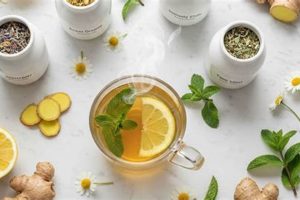
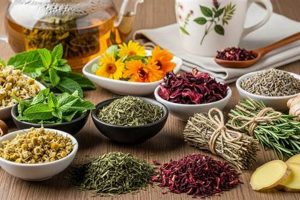
A beverage prepared by steeping dried or fresh herbs, flowers, fruits, or spices in hot water. This process extracts the flavors, aromas, and beneficial compounds of the plant material, resulting in a flavorful and often therapeutic drink. Examples include chamomile, peppermint, ginger, and hibiscus.
Consumption of such beverages dates back centuries, with various cultures employing them for their purported health benefits and refreshing qualities. These preparations are often used to promote relaxation, aid digestion, support the immune system, or simply provide a flavorful alternative to traditional caffeinated drinks. The specific properties depend largely on the botanical ingredients used.
The subsequent sections will delve into the diverse range of botanical ingredients commonly used in these preparations, explore their respective purported health benefits, and examine the optimal methods for preparation and consumption.
Preparation and Enjoyment Tips
Optimizing the experience requires careful consideration of ingredient selection, steeping techniques, and storage practices.
Tip 1: Source High-Quality Ingredients. The flavor and potential health benefits are directly influenced by the quality of the botanicals used. Seek out reputable suppliers known for sourcing organic and ethically harvested plants.
Tip 2: Utilize Appropriate Water Temperature. The optimal water temperature varies depending on the plant material. Delicate flowers, such as chamomile, require lower temperatures (around 170F or 77C) to prevent scorching, while tougher ingredients like roots and barks can withstand higher temperatures (closer to boiling, 212F or 100C).
Tip 3: Adhere to Recommended Steeping Times. Steeping time impacts the strength and flavor profile. Most ingredients benefit from a steeping time of 5-10 minutes. Over-steeping can result in a bitter or astringent taste, while under-steeping may result in a weak or flavorless preparation.
Tip 4: Employ Proper Storage Methods. Store dried ingredients in airtight containers away from direct sunlight, heat, and moisture. This preserves their flavor, aroma, and beneficial compounds.
Tip 5: Consider Blending for Enhanced Flavor and Benefits. Experiment with combining different botanical ingredients to create unique flavor profiles and synergistic health benefits. Research compatible ingredients and start with small quantities to assess the results.
Tip 6: Filter Before Consumption. Filtering removes loose plant material, improving the texture and palatability of the beverage.
Following these guidelines ensures a more flavorful and potentially beneficial experience. Proper sourcing, steeping, storage, and blending contribute significantly to the overall quality and enjoyment of the beverage.
The subsequent section will explore potential contraindications and safety considerations associated with consuming specific botanical ingredients.
1. Botanical Source

The botanical source represents the fundamental element determining the characteristics of any herbal preparation. Its identity, growing conditions, and harvesting practices directly influence the chemical composition and, consequently, the flavor, aroma, and potential therapeutic properties of the resulting beverage.
- Species Identification and Authentication
Accurate species identification is paramount. Adulteration with related species, or even entirely different plants, can compromise safety and efficacy. Reputable suppliers employ botanical experts and analytical techniques like DNA barcoding or microscopy to verify the authenticity of their materials. For instance, true chamomile (Matricaria chamomilla) offers distinct properties compared to Roman chamomile (Chamaemelum nobile), necessitating careful differentiation.
- Cultivation Practices and Environmental Factors
The growing environment profoundly impacts the chemical profile of plants. Factors such as soil composition, sunlight exposure, water availability, and altitude influence the production of secondary metabolites, including those responsible for flavor and potential therapeutic effects. Organically grown herbs, free from synthetic pesticides and fertilizers, are often preferred to minimize exposure to harmful chemicals and potentially enhance beneficial compounds. Wild-harvested plants, when sustainably sourced, can offer unique phytochemical profiles reflecting the biodiversity of their natural habitats.
- Harvesting and Processing Techniques
The timing of harvest and subsequent processing methods significantly affect the quality of the final product. Harvesting at peak maturity, when the desired compounds are most concentrated, is crucial. Proper drying techniques, such as air-drying in a shaded area, help preserve volatile oils and prevent mold growth. Improper handling can lead to degradation of active constituents and compromise the integrity of the botanical material. The method employed in cutting or powdering can also affect the release of compounds during infusion.
- Geographic Origin and Terroir
The geographic origin, often referred to as “terroir,” plays a role in defining the unique characteristics of a botanical source. Just as with wine, the specific environmental conditions of a particular region can impart distinct flavor notes and chemical nuances to plants grown there. For example, certain regions may be known for producing herbs with higher concentrations of specific essential oils or antioxidants, contributing to a unique sensory experience.
The connection between the botanical source and the final beverage underscores the importance of sourcing ingredients from trusted suppliers committed to quality control and sustainable practices. Understanding these facets allows consumers to make informed choices and appreciate the complex interplay between plant biology, environmental factors, and the art of crafting such drinks.
2. Water Quality

The quality of water used significantly influences the characteristics of any herbal infusion. As the solvent responsible for extracting botanical compounds, water’s inherent properties affect the resulting beverage’s flavor, aroma, and overall effectiveness.
- Mineral Content
Water contains dissolved minerals that interact with the plant compounds. High levels of calcium or magnesium (hard water) can hinder the extraction of certain flavors, potentially leading to a muted or altered taste profile. Conversely, water with low mineral content (soft water) may allow for a more complete extraction, intensifying the flavor and aroma. The specific impact varies depending on the herbal ingredients used. For example, certain herbs containing tannins may react differently to hard water than those rich in volatile oils.
- pH Level
The pH level of water affects the solubility of various plant constituents. Water with a neutral pH (around 7) is generally considered optimal for most herbal infusions, providing a balanced extraction. Highly acidic or alkaline water can alter the flavor and potentially degrade sensitive compounds. The ideal pH level can vary based on the specific herb; some may prefer slightly acidic conditions for optimal extraction.
- Chlorine and Chloramine
Municipal water supplies often contain chlorine or chloramine as disinfectants. These chemicals can impart an unpleasant taste and odor to herbal preparations, masking the natural flavors of the ingredients. Furthermore, chlorine can react with certain plant compounds, potentially forming undesirable byproducts. Using filtered water or allowing chlorinated water to sit uncovered for a period of time can help reduce the concentration of these chemicals.
- Organic Contaminants
Water may contain organic contaminants such as pesticides, herbicides, and industrial pollutants. These substances can negatively impact the taste and aroma of herbal preparations and pose potential health risks. Using filtered or purified water is essential to minimize exposure to these contaminants and ensure the safety and quality of the beverage.
The selection of appropriate water is a critical step in crafting a high-quality infusion. Recognizing the impact of mineral content, pH level, disinfectants, and organic contaminants enables informed decisions regarding water filtration or purification, ultimately enhancing the sensory and potential health benefits of the final product. Considerations regarding water should be as crucial as herbal choice.
3. Steeping Time

Steeping time represents a critical variable in the preparation of any botanical infusion. It dictates the extent to which desirable compounds are extracted from the plant material into the water, directly influencing the beverage’s flavor, aroma, color, and potential therapeutic properties. Insufficient or excessive steeping can compromise the final product.
- Extraction Efficiency and Compound Solubility
Different plant compounds possess varying degrees of solubility in hot water. Volatile oils, responsible for aroma, tend to extract relatively quickly. Other compounds, such as flavonoids and tannins, require longer steeping times to reach optimal concentrations. Insufficient steeping results in a weak and flavorless infusion, while prolonged steeping can lead to over-extraction of bitter or astringent compounds.
- Impact on Flavor Profile
Steeping time significantly alters the flavor profile. Shorter steeping times yield brighter, fresher flavors, whereas longer durations often produce deeper, more complex, albeit potentially bitter, tastes. For instance, green tea steeped for too long releases excessive tannins, resulting in an unpalatable astringency. Conversely, under-steeping chamomile may fail to fully develop its characteristic floral notes and calming properties.
- Influence on Color and Clarity
The color and clarity of the infusion are also affected. As plant compounds are extracted, the water becomes increasingly colored. Over-steeping can sometimes result in a cloudy or murky appearance due to the release of particulate matter. The desired color intensity serves as a visual cue for determining optimal steeping time. Certain herbs, such as hibiscus, release their vibrant color quickly, while others require longer durations to achieve a noticeable hue.
- Considerations for Different Botanical Ingredients
Optimal steeping times vary considerably depending on the specific botanical ingredients used. Delicate flowers and leaves typically require shorter steeping times than tougher roots, barks, and seeds. For example, peppermint benefits from a relatively short steeping time (5-7 minutes), while ginger may require a longer duration (10-20 minutes) to fully extract its pungent compounds. General guidelines exist, but experimentation is often necessary to fine-tune steeping times based on personal preference.
The interplay between extraction efficiency, flavor profile, color, and ingredient-specific considerations highlights the importance of carefully controlling steeping time. Mastering this variable allows for the creation of a balanced and flavorful infusion that maximizes the potential benefits of the chosen botanical ingredients. Proper steeping reveals the herb’s true potential.
4. Temperature Control
Temperature control is a pivotal factor in the preparation, significantly impacting the extraction process, flavor profile, and retention of beneficial compounds. Precise temperature management optimizes the desired outcome, avoiding degradation of delicate components while ensuring adequate extraction of others.
- Optimal Extraction Ranges
Different botanical ingredients require specific temperature ranges for optimal extraction. Delicate flowers and leaves, such as chamomile and green tea, often benefit from lower temperatures (170-185F or 77-85C) to prevent scorching and preserve volatile oils. Heartier roots and barks, like ginger and cinnamon, may necessitate higher temperatures (190-212F or 88-100C) for effective extraction of their active compounds. Failure to adhere to these ranges can result in a weak, flavorless beverage or the development of undesirable bitter notes.
- Preservation of Volatile Compounds
Volatile aromatic compounds, which contribute significantly to the sensory experience, are particularly sensitive to excessive heat. High temperatures can cause these compounds to evaporate or degrade, diminishing the aroma and flavor of the preparation. Maintaining appropriate temperatures during infusion helps retain these delicate compounds, resulting in a more fragrant and flavorful final product. For example, over-boiling water can strip the essential oils from peppermint, reducing its characteristic minty aroma.
- Impact on Specific Bioactive Compounds
Certain bioactive compounds, such as antioxidants and vitamins, are susceptible to degradation at high temperatures. Excessive heat can diminish their potency, reducing the potential health benefits of the infusion. Controlling the temperature ensures that these compounds remain intact, maximizing their bioavailability and efficacy. For example, overheating rosehips can destroy Vitamin C, negating its immune-boosting properties.
- Technological Aids and Practical Considerations
Achieving precise temperature control often requires the use of thermometers or specialized kettles with temperature settings. Gradual cooling after boiling is also recommended, rather than directly pouring boiling water onto delicate herbs. Practical considerations include the type of vessel used; ceramic or glass retain heat more effectively than thin metal. Adjustments to temperature may also be needed based on altitude, as boiling points are lower at higher elevations.
By carefully managing water temperature, the extraction of desirable compounds can be maximized while preserving the integrity of delicate aromatics and heat-sensitive bioactives. Precise temperature control, therefore, represents a fundamental element in crafting a flavorful and potentially beneficial botanical preparation. Consideration of thermal influence is crucial.
5. Strain Specificity

Strain specificity, a critical yet often overlooked aspect, significantly influences the characteristics of botanical infusions. Different strains of the same plant species can exhibit variations in chemical composition, resulting in discernible differences in flavor, aroma, and potential therapeutic effects. The selection of a specific strain, therefore, has a direct impact on the final qualities of the resulting beverage. For example, distinct cultivars of peppermint (Mentha x piperita) display varying levels of menthol and menthone, influencing the perceived coolness and intensity of the mint flavor. Similarly, various chamomile strains (Matricaria chamomilla) can produce different concentrations of bisabolol and chamazulene, impacting the extent of their anti-inflammatory and calming properties.
The importance of strain specificity extends beyond sensory attributes. In herbal medicine, the selection of a particular strain can be crucial for achieving desired therapeutic outcomes. Certain strains may be specifically cultivated for their higher concentrations of active constituents, making them more effective for addressing specific health concerns. For instance, some cultivars of valerian (Valeriana officinalis) are selected for their elevated levels of valerenic acid, a compound associated with sleep promotion. Furthermore, understanding strain-specific variations is essential for ensuring consistency in the quality and efficacy of herbal products. Commercial manufacturers often rely on standardized extracts derived from carefully selected strains to maintain consistent potency and predictable effects.
The consideration of strain specificity in the preparation of botanical infusions underscores the complex interplay between genetics, environment, and processing techniques. Recognizing and understanding these variations enables informed selection of ingredients, maximizing the potential for achieving desired flavor profiles and therapeutic benefits. Future research exploring the genetic diversity within medicinal plant species will likely further refine our understanding of strain-specific properties and their applications in crafting high-quality botanical preparations.
6. Storage Conditions

Storage conditions significantly impact the quality and longevity of botanical ingredients used in preparing herbal infusions. Improper storage degrades the volatile oils, antioxidants, and other bioactive compounds responsible for the beverage’s flavor, aroma, and potential therapeutic benefits. Light, heat, moisture, and air exposure are primary factors contributing to this degradation. For instance, improperly stored chamomile flowers, exposed to direct sunlight, will lose their characteristic floral aroma and potentially diminish their calming properties due to the breakdown of essential oils like bisabolol. Similarly, exposure to moisture can lead to mold growth, rendering the herbs unusable and potentially harmful.
Optimal storage requires airtight containers made of opaque materials, such as dark glass or food-grade metal, stored in a cool, dry, and dark environment. This minimizes oxidation, moisture absorption, and light-induced degradation. Desiccants, such as silica gel packets, can further reduce moisture levels within the storage container. Whole leaf or coarsely cut herbs generally retain their quality longer than finely ground powders due to a reduced surface area exposed to environmental factors. Regular inspection for signs of spoilage, such as discoloration, off-odors, or insect infestation, is also essential. Many culinary herbs and medicinal herbs are stored in improper conditions; this is a common but easily fixable scenario.
In summary, careful attention to storage conditions is crucial for preserving the quality, potency, and safety of botanical ingredients intended for use in herbal infusions. Proper storage minimizes degradation and ensures that the resulting beverage retains its desired flavor, aroma, and potential therapeutic properties. Neglecting this aspect can negate the efforts invested in sourcing high-quality ingredients and employing optimal preparation techniques. This reinforces the understanding that storage condition play a vital role in the shelf-life.
Frequently Asked Questions about Herbal Infusion Tea
The following addresses common inquiries concerning the preparation, consumption, and safety of botanical infusions.
Question 1: Is “herbal infusion tea” a substitute for conventional medication?
Herbal infusions should not be considered replacements for prescribed medications. Consultation with a qualified healthcare professional is advised before using herbal preparations to address specific health conditions.
Question 2: Can “herbal infusion tea” interact with medications?
Yes, interactions between herbal preparations and pharmaceutical drugs are possible. Certain botanical compounds can affect drug metabolism or potentiate/attenuate their effects. Disclosure of herbal consumption to a healthcare provider is crucial for managing potential interactions.
Question 3: What is the appropriate dosage of “herbal infusion tea”?
Dosage recommendations vary depending on the specific herbs used, the individual’s physiology, and the intended purpose. Starting with lower concentrations and observing for any adverse effects is generally recommended. Consulting a qualified herbalist or healthcare professional provides personalized guidance.
Question 4: Are there potential side effects associated with consuming “herbal infusion tea”?
Adverse reactions are possible, particularly with high doses or prolonged use. Allergic reactions are also possible. Common side effects may include gastrointestinal upset, skin irritation, or headaches. Discontinue use and seek medical attention if severe reactions occur.
Question 5: Is “herbal infusion tea” safe for pregnant or breastfeeding individuals?
Certain herbs are contraindicated during pregnancy and breastfeeding due to potential risks to the fetus or infant. Thorough research and consultation with a healthcare provider are essential before consuming herbal infusions during these periods.
Question 6: How should “herbal infusion tea” be stored to maintain its quality?
Botanical ingredients should be stored in airtight containers, away from direct sunlight, heat, and moisture. Proper storage preserves the volatile oils and bioactive compounds responsible for the beverage’s flavor and potential therapeutic benefits. Expiration dates should be observed where applicable.
In summary, while botanical infusions offer potential benefits, understanding the appropriate usage, potential risks, and proper storage techniques is essential for safe and effective consumption.
The subsequent section will explore the historical and cultural significance of herbal preparations.
Conclusion
This exploration of “herbal infusion tea” has encompassed diverse aspects, ranging from optimal preparation techniques and the influence of water quality to the importance of strain specificity and proper storage. Understanding these elements is crucial for maximizing the flavor, aroma, and potential therapeutic benefits derived from botanical preparations. Considerations such as sourcing high-quality ingredients, controlling water temperature, and adhering to appropriate steeping times are fundamental to achieving a superior beverage.
The responsible and informed consumption of such drinks necessitates a thorough understanding of potential interactions, contraindications, and dosage recommendations. Future advancements in botanical research promise to further elucidate the complex interplay between plant chemistry and human physiology, thereby contributing to a more evidence-based approach to the utilization of “herbal infusion tea”. Continued diligence in sourcing, preparation, and education is essential for ensuring both the safety and efficacy of these time-honored preparations.