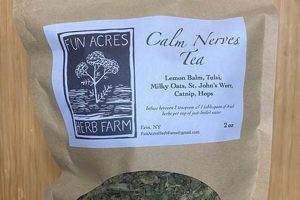
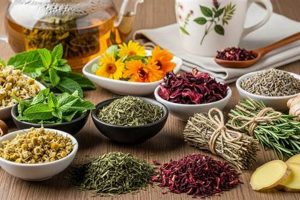
The Daniel Fast is a biblically inspired eating plan centered around consuming only fruits, vegetables, whole grains, legumes, nuts, and seeds. Beverages are restricted to water. The exclusion of certain items is a key component of this dietary and spiritual practice.
The primary rationale behind omitting brewed botanical infusions from the Daniel Fast stems from the intention to simplify intake. These infusions, while often healthful, can be viewed as providing flavor enhancements or stimulating effects outside the scope of the fast’s core tenets. Historical context shows that the Fast emphasizes simplicity and a return to basic, unprocessed foods as a means of spiritual focus.
Further explanation will detail the specific considerations regarding permitted and prohibited items during the Fast, offering a deeper understanding of its dietary parameters and the underlying principles that guide these choices.
Considerations for Botanical Infusions During a Daniel Fast
Understanding the rationale behind the omission of certain beverages during the Daniel Fast is crucial for adherence and maximizing the fast’s intended benefits. The following outlines important considerations regarding brewed botanical infusions:
Tip 1: Emphasize Water Intake: Prioritize pure water as the primary source of hydration. Water aligns with the minimalist approach of the Daniel Fast, devoid of any additives or flavoring agents.
Tip 2: Review Ingredient Lists Carefully: Examine ingredient lists of all potential beverages meticulously. Ensure no added sweeteners, flavorings, or preservatives are present.
Tip 3: Understand the Fast’s Purpose: Recognize that the Daniel Fast is not merely a diet but a spiritual discipline. Dietary choices should support the intention of seeking deeper spiritual connection.
Tip 4: Evaluate Potential Stimulating Effects: Assess whether a particular botanical infusion contains stimulating compounds (e.g., caffeine-like substances). Stimulants can potentially detract from the intended state of prayer and reflection.
Tip 5: Consult with Spiritual Advisors: If uncertainty persists, seek guidance from spiritual leaders or experienced individuals familiar with the Daniel Fast. Their counsel can provide clarity and support informed decisions.
Tip 6: Focus on Whole, Unprocessed Foods: Direct attention toward the consumption of whole, unprocessed fruits, vegetables, legumes, and nuts. These foods are foundational to the Daniel Fast and contribute to satiety and nutritional needs.
Tip 7: Maintain Consistency: Adhere consistently to the dietary guidelines established for the duration of the fast. Consistency reinforces the commitment to the spiritual discipline and promotes desired outcomes.
Strict adherence to these considerations helps ensure that beverage choices during the Daniel Fast align with its intended purpose, fostering a deeper spiritual experience.
The following sections will address common misconceptions and provide practical guidance for navigating the dietary restrictions of the Fast.
1. Simplification of intake

The principle of simplifying intake is central to the Daniel Fast’s design, influencing the restriction of various food and beverage items. The exclusion of herbal tea from this dietary practice directly relates to this core tenet.
- Minimizing Sensory Stimulation
Herbal teas, by their nature, introduce varied flavors and aromas, potentially serving as sensory stimulants. The Daniel Fast seeks to minimize such stimulation to promote mental clarity and focus on prayer and spiritual reflection. Excluding herbal tea contributes to a more austere sensory experience.
- Reducing Processing Levels
While herbal teas are often perceived as natural, their preparation involves a level of processing, including drying, blending, and packaging. The Daniel Fast emphasizes consuming whole, unprocessed foods whenever possible. Choosing water aligns with the objective of minimizing processed elements in the diet.
- Limiting Decision Fatigue
Offering a wide array of permitted beverages can lead to decision fatigue, diverting attention from the spiritual goals of the Fast. Restricting intake to water simplifies choices and reduces mental effort associated with meal planning and selection.
- Upholding Dietary Purity
The Daniel Fast aims for a level of dietary purity, free from additives, sweeteners, or artificial enhancements. Even unsweetened herbal teas contain inherent compounds that might be viewed as deviating from the pure, unadulterated nature of water, therefore impacting the fasting goals.
Therefore, “why no herbal tea on daniel fast” is strongly related to the goal of simplifying intake, reducing sensory stimulation, and fostering a focused spiritual experience.
2. Added flavor considerations

The prohibition of herbal tea during a Daniel Fast is fundamentally linked to the concept of “added flavor considerations”. The Daniel Fast seeks to minimize external stimuli and sensory experiences, and flavors, even those derived from natural sources, are considered a distraction from the primary purpose of spiritual focus.
- Distraction from Simplicity
The core principle of the Daniel Fast is simplicity, both in dietary choices and spiritual focus. Herbal teas, while often perceived as healthful, introduce a complexity of flavor that deviates from this simplicity. The inherent flavors of various herbs can be enjoyable and stimulating, potentially drawing attention away from prayer and contemplation.
- Departure from Dietary Austerity
The Fast encourages a level of dietary austerity, where individuals abstain from rich or highly palatable foods. Herbal teas, with their diverse flavor profiles, can be seen as offering a degree of sensory pleasure that undermines the intention of self-discipline and sacrifice. The deliberate absence of enjoyable flavors reinforces the commitment to the fast.
- Mimicking Prohibited Beverages
The flavor profiles of herbal teas can sometimes mimic those of beverages that are strictly prohibited on the Daniel Fast, such as coffee or sweetened drinks. A citrusy herbal tea, for instance, might provide a similar sensory experience to flavored water, thus blurring the lines of the dietary restrictions. This potential for substitution makes herbal teas a less desirable option during the fast.
- Potential for Overindulgence
While herbal teas are typically low in calories, their flavors can be enjoyable enough to encourage overconsumption. This is particularly relevant as the Daniel Fast aims to promote self-control and moderation in all aspects. The unlimited consumption of even unsweetened herbal teas may inadvertently conflict with these objectives.
These added flavor considerations contribute to the rationale behind excluding herbal teas from the Daniel Fast. The intention is not to deem herbal teas inherently “bad,” but rather to ensure that all dietary choices align with the overarching goals of simplicity, austerity, and spiritual focus.
3. Potential stimulating effects
The link between “potential stimulating effects” and “why no herbal tea on daniel fast” is crucial to understanding the restrictions of the dietary and spiritual practice. Certain herbal teas contain compounds that act as stimulants, albeit often milder than caffeine. These stimulants can affect the nervous system, influencing alertness, mood, and even sleep patterns. The Daniel Fast, at its core, aims to facilitate a state of heightened spiritual awareness and reflection. Introducing stimulating substances, even from natural sources, can inadvertently disrupt this intended state.
For example, a tea containing guarana, yerba mate, or even high concentrations of ginger can produce stimulating effects similar to caffeine. While the intensity may vary, these effects can lead to increased mental activity and potentially hinder the focus on prayer and meditation. This is not to say such teas are inherently harmful, but their stimulating properties may clash with the goals of the fast. Furthermore, some individuals might be particularly sensitive to these compounds, experiencing anxiety or restlessness that detracts from the spiritual experience. The choice to abstain from herbal teas mitigates the risk of such unintended consequences, helping ensure a more conducive environment for spiritual practice.
In summary, recognizing the potential stimulating effects of certain herbal teas is vital when adhering to the Daniel Fast. The avoidance of these teas, particularly those known to contain stimulating compounds, aligns with the overarching goal of minimizing distractions and creating an environment conducive to spiritual focus and reflection. This careful consideration of potential stimulating effects contributes to the integrity and intended outcomes of the fast.
4. Focus on water's purity
The emphasis on “water’s purity” is a foundational aspect of the Daniel Fast, directly influencing the exclusion of beverages like herbal tea. This focus underscores a commitment to simplicity and unadulterated consumption as a means of fostering spiritual clarity.
- Absence of Additives
Water, in its purest form, contains no additives, sweeteners, or artificial ingredients. Herbal teas, even when unsweetened, introduce plant-based compounds that alter the water’s composition. Adhering to the Daniel Fast entails minimizing any substance that deviates from the natural state of water, thereby maintaining a state of dietary purity.
- Symbolism of Cleansing
Water is often associated with cleansing and purification, both physically and spiritually. The act of consuming only pure water during the Fast can symbolize a desire for inner cleansing and renewal. Introducing herbal teas, regardless of their perceived health benefits, may dilute this symbolic significance.
- Minimizing Sensory Distractions
The Daniel Fast seeks to minimize external stimuli that might distract from prayer and contemplation. The subtle flavors and aromas present in herbal teas, even in mild concentrations, can serve as sensory distractions. Choosing plain water reduces the potential for such distractions, allowing for greater mental focus.
- Alignment with Biblical Precedent
The biblical account of Daniel’s fast provides a framework for the modern-day practice. While the specifics of Daniel’s dietary restrictions are open to interpretation, the emphasis on simple, unprocessed foods is clear. Water aligns with this precedent, representing a basic and essential element of sustenance.
The consistent selection of pure water over alternatives such as herbal tea reinforces the intention behind the Daniel Fast, promoting a deeper connection to spiritual goals and a commitment to dietary simplicity. This mindful approach to beverage consumption supports the overall objectives of the fast.
5. Spiritual discipline alignment

The core intent of the Daniel Fast extends beyond mere dietary modification; it is fundamentally an act of spiritual discipline. “Why no herbal tea on daniel fast” is directly linked to this intention, as the exclusion of certain beverages serves to reinforce the commitment to self-control and focused spiritual practice. The Fast necessitates a deliberate departure from customary comforts and indulgences, and this purposeful restriction extends to flavored beverages, even those perceived as healthful.
The act of abstaining from herbal tea, a generally accepted and often enjoyed beverage, becomes a tangible expression of the individual’s commitment to the fast. It is a choice made consciously and consistently, serving as a constant reminder of the broader spiritual objectives. For instance, an individual who habitually drinks herbal tea before bed may choose to replace it with only water during the Fast, reinforcing the discipline and creating space for focused prayer. This alignment with spiritual discipline fosters a deeper sense of intentionality and purpose within the fast itself.
In conclusion, the decision to exclude herbal tea during a Daniel Fast is not arbitrary but rather a deliberate act of spiritual discipline. This restriction provides a tangible means of reinforcing commitment, fostering self-control, and promoting a deeper connection to the underlying spiritual goals of the Fast. Understanding this connection is critical for individuals seeking to engage fully with the practice and experience its intended benefits.
6. Ingredient list scrutiny
The rationale behind excluding herbal tea during a Daniel Fast necessitates rigorous “ingredient list scrutiny.” This stems from the potential presence of additives, sweeteners, or non-compliant substances that contravene the Fast’s dietary guidelines. The seemingly innocuous nature of herbal teas can be deceptive, as manufacturers may incorporate components that are not immediately apparent. For instance, some teas contain added fruit essences or natural flavorings that, while plant-derived, introduce unnecessary complexity and potential deviations from the Fast’s emphasis on whole, unprocessed foods. Consequently, diligent examination of ingredient lists becomes paramount in upholding the dietary principles of the Daniel Fast.
The practical application of “ingredient list scrutiny” extends beyond merely identifying obvious non-compliant ingredients. It requires a nuanced understanding of food labeling practices and the potential for hidden additives. For example, terms like “natural flavors” can encompass a broad range of substances, some of which may contain processed elements that are not aligned with the Fast. In such instances, the only reliable method for ensuring compliance is to select herbal teas with exceptionally transparent ingredient lists, preferably those consisting of a single, identifiable herb or a simple blend of clearly defined botanicals. A failure to exercise this level of diligence can inadvertently compromise the integrity of the Fast.
In conclusion, “ingredient list scrutiny” is not merely a recommended practice but an essential component of adhering to the dietary restrictions of the Daniel Fast. The potential for hidden or non-compliant substances in herbal teas underscores the importance of meticulous examination. By exercising vigilance in this area, individuals can ensure that their dietary choices align with the Fast’s principles of simplicity, purity, and spiritual discipline. This understanding reinforces the connection between mindful consumption and the intended spiritual outcomes of the fast.
7. Processed avoidance

The rationale behind omitting herbal tea during a Daniel Fast is significantly intertwined with the principle of “processed avoidance.” The Fast emphasizes the consumption of whole, unprocessed foods to facilitate a state of both physical and spiritual cleansing. Many commercially available herbal teas undergo processing methods that introduce elements conflicting with this core principle, thereby influencing their exclusion. The impact of these processing methods necessitates careful consideration.
A primary concern revolves around the drying and packaging processes inherent in the production of herbal teas. While drying is essential for preservation, it can alter the chemical composition of the herbs, potentially reducing their nutritional value or introducing unintended byproducts. Furthermore, some tea bags contain adhesives or bleaching agents that, while present in trace amounts, detract from the emphasis on consuming entirely natural substances. A real-life example includes the use of “natural flavorings” in certain herbal tea blends, which may encompass a wide range of processed ingredients not fully aligned with the spirit of the Fast. Individuals adhering to the Daniel Fast prioritize ingredients in their most natural state to support the intended spiritual reflection.
In summary, the exclusion of herbal tea during a Daniel Fast reflects a commitment to “processed avoidance.” This commitment stems from the Fast’s core principles of simplicity and purity, extending beyond mere dietary restriction to encompass a holistic approach to spiritual well-being. By prioritizing whole, unprocessed foods, individuals aim to minimize external distractions and create an environment conducive to deeper spiritual connection. The link between processed foods and diluted dietary purpose is well defined within the practice. Acknowledging this relationship is crucial for those adhering to the tenets of the Fast.
Frequently Asked Questions
The following addresses common inquiries regarding the omission of herbal tea during the Daniel Fast, providing clarity and rationale for this dietary restriction.
Question 1: Why is herbal tea generally discouraged during a Daniel Fast?
The Daniel Fast emphasizes simplicity and a return to foundational foods. Herbal teas, despite their perceived healthfulness, often introduce added flavors and complexities that diverge from the Fast’s core principles. The restriction encourages reliance on water as the primary source of hydration.
Question 2: Are all types of herbal tea prohibited?
The general recommendation is to avoid all herbal teas. This precaution stems from the potential for added ingredients or stimulating compounds present in certain varieties. Water remains the preferred beverage.
Question 3: If an herbal tea contains only one ingredient, is it permissible?
Even single-ingredient herbal teas are typically discouraged. The intention of the Fast is to minimize even natural flavor enhancements, focusing instead on the purity of water. The emphasis lies on reducing all non-essential dietary elements.
Question 4: What about herbal teas that are known to be caffeine-free?
While caffeine content is a consideration, it is not the sole determinant. The Fast aims to eliminate all potential stimulants and flavorings, regardless of caffeine levels. The purpose is to create a more austere dietary experience.
Question 5: Does the exclusion of herbal tea have a biblical basis?
The biblical account of Daniel’s fast does not explicitly mention herbal tea. However, the emphasis on simple, unprocessed foods is consistent with the broader dietary restrictions of the Daniel Fast. Interpretations of the scripture guide the dietary guidelines.
Question 6: What if an individual struggles to drink plain water?
Gradual acclimation to plain water is recommended. Adding small amounts of compliant fruits or vegetables (e.g., cucumber slices, lemon wedges without pulp) to water may provide subtle flavoring while adhering to the Fast’s guidelines. The focus remains on prioritizing water consumption.
These FAQs clarify the rationale behind omitting herbal tea during a Daniel Fast. Prioritizing water and minimizing added flavors contributes to the Fast’s intended spiritual and physical outcomes.
The next section will provide practical tips for navigating beverage choices during the Daniel Fast and maintaining adherence to its dietary principles.
Why No Herbal Tea on Daniel Fast
The preceding exploration has illuminated the multifaceted reasons behind the omission of herbal tea from the Daniel Fast. This practice, guided by principles of simplification, purity, and spiritual discipline, seeks to minimize sensory stimulation and extraneous substances. The intent is not to denigrate herbal tea but to prioritize water as a means of fostering deeper introspection and connection during the Fast.
The rigorous application of dietary guidelines, including the avoidance of herbal tea, represents a conscious commitment to the Fast’s underlying principles. Adherence to these guidelines contributes to the desired spiritual outcomes. The exclusion serves as a tangible reminder of the Fast’s purpose and strengthens the connection between physical discipline and spiritual growth.