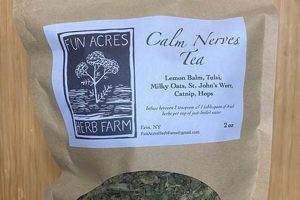
The inquiry centers on the potential for certain plant-based infusions to discolor dental enamel. This concern arises from the presence of chromogenic compounds, naturally occurring substances capable of causing staining, within some herbal teas. The degree to which these compounds affect tooth shade varies based on factors such as the specific herbal ingredients, the brew’s concentration, and an individual’s oral hygiene practices. For example, herbal teas with deeply pigmented ingredients, like berries or hibiscus, may pose a higher risk than lighter-colored chamomile.
Maintaining the natural whiteness of teeth is often valued for aesthetic reasons and can contribute to a perceived sense of health and well-being. Throughout history, various methods have been employed to prevent or remove dental staining. Concerns about the impact of beverages on tooth coloration are therefore long-standing. Understanding the factors influencing this process allows for informed choices that balance beverage consumption with dental health considerations.
Therefore, this discussion will delve into the specific herbal tea varieties more likely to cause discoloration. It will further examine the mechanisms by which staining occurs, preventive measures individuals can adopt, and available options for addressing existing stains.
Preventing Discoloration from Herbal Tea Consumption
The following recommendations are designed to minimize the likelihood of dental staining associated with the consumption of herbal teas.
Tip 1: Select Less Pigmented Varieties: Opt for herbal teas with lighter hues, such as chamomile or white tea blends. Darker teas, particularly those containing berries or hibiscus, have a higher potential for causing stains.
Tip 2: Dilute the Brew: Prepare weaker infusions by using less tea and more water. This reduces the concentration of chromogenic compounds in the beverage.
Tip 3: Consume with Meals: Drink herbal tea during meals. The act of eating stimulates saliva production, which helps to neutralize acids and wash away staining agents.
Tip 4: Rinse with Water After Consumption: Immediately after drinking herbal tea, rinse the mouth thoroughly with plain water. This helps to remove residual tea particles and minimize contact time with enamel.
Tip 5: Maintain Excellent Oral Hygiene: Brush and floss teeth regularly, at least twice daily. This removes plaque and surface stains, reducing the adherence of new staining agents.
Tip 6: Consider Using a Straw: Utilizing a straw directs the tea towards the back of the mouth, minimizing contact with the front teeth.
Tip 7: Consult a Dental Professional: Schedule regular dental check-ups and cleanings. Professional cleaning removes stubborn stains and reinforces good oral hygiene practices.
Adopting these strategies can mitigate the risk of tooth discoloration while still allowing for the enjoyment of herbal tea. Consistent implementation of these tips contributes to long-term dental health and aesthetic maintenance.
The subsequent sections will explore treatments for existing stains and offer additional insights into maintaining a bright, healthy smile.
1. Chromogens

The presence of chromogens in herbal teas directly correlates to the potential for dental staining. These colored compounds are responsible for imparting the characteristic hues to various plants and, consequently, the beverages derived from them. Their ability to adhere to and penetrate tooth enamel dictates the degree of discoloration observed.
- Nature of Chromogens
Chromogens are complex organic molecules possessing the inherent capacity to produce color. Within herbal teas, they are typically polyphenols, such as tannins, which readily bind to proteins and other molecules. This binding affinity explains their propensity to adhere to the protein matrix of tooth enamel, leading to visible stains over time.
- Staining Mechanism
The staining process initiates when chromogens deposit on the tooth surface. Over repeated exposure, these compounds accumulate and penetrate the enamel’s porous structure. The color intensity increases as more chromogens become embedded, resulting in noticeable discoloration. The rate and severity of staining are influenced by the concentration of chromogens in the tea, the frequency of consumption, and individual oral hygiene practices.
- Varietal Differences
The specific types and concentrations of chromogens vary significantly among different herbal teas. Teas derived from darker fruits or those with deeply colored leaves, such as hibiscus or berry-based infusions, generally contain higher levels of chromogens than lighter-colored teas like chamomile or peppermint. This compositional difference translates directly into a greater staining potential for the former group.
- External Modifiers
The impact of chromogens on dental staining is also modulated by external factors. Acidic environments, whether inherent in the tea itself or created by other dietary factors, can erode enamel and increase its susceptibility to chromogen penetration. Similarly, inadequate oral hygiene allows chromogens to persist on the tooth surface for longer periods, accelerating the staining process.
In summary, chromogens are the primary drivers of dental staining associated with herbal tea consumption. Understanding their nature, staining mechanisms, and variations across different teas, coupled with attention to external modifying factors, empowers individuals to make informed choices and adopt preventive measures to minimize unwanted dental discoloration.
2. Acidity

The acidity of herbal tea significantly influences its potential to contribute to dental staining. While chromogens are the primary coloring agents, acidic conditions exacerbate the staining process by eroding tooth enamel. This erosion increases enamel porosity, facilitating the penetration and adherence of chromogens. The lower the pH of a herbal tea, the greater its capacity to demineralize enamel, thereby increasing the likelihood of staining.
Citric acid, malic acid, and other organic acids present in certain herbal teas, particularly those containing fruits like hibiscus or lemon, contribute to this erosive effect. For example, frequent consumption of highly acidic herbal teas can lead to microscopic surface roughening of the enamel, creating more surface area for chromogens to bind. Furthermore, acidity can also weaken the bonds between enamel crystals, making the tooth more susceptible to discoloration from other sources, including foods and beverages. The interaction between acidity and chromogens creates a synergistic effect, wherein the combined impact is greater than the sum of their individual effects.
Therefore, understanding the acidity levels of various herbal teas is crucial for individuals concerned about dental staining. Selecting less acidic options, reducing the frequency of consumption of highly acidic teas, and adopting oral hygiene practices that neutralize acids after consumption can mitigate the risk of enamel erosion and subsequent discoloration. The interplay between acidity and staining highlights the complex nature of maintaining dental health and the importance of considering multiple factors when assessing the impact of dietary choices on tooth aesthetics.
3. Concentration
The concentration of herbal tea directly impacts its potential to cause dental staining. A higher concentration of chromogenic compounds within the tea solution results in a greater availability of these substances to interact with and adhere to the tooth enamel. This, in turn, increases the likelihood and severity of discoloration. The effect is analogous to comparing a diluted watercolor paint to a concentrated pigment; the latter produces a far more intense coloration. For example, a strong brew of black tea, rich in tannins, will typically stain teeth more readily than a weaker, more diluted preparation of the same tea. This underscores the importance of concentration as a key determinant in the staining process.
Practical application of this understanding lies in the modification of brewing practices. By reducing the quantity of tea leaves or bags used per cup, or by increasing the amount of water used for steeping, individuals can effectively lower the concentration of chromogens in the beverage. Similarly, shortening the steeping time can also reduce the extraction of these compounds. Furthermore, the practice of repeatedly steeping the same tea leaves or bags will yield subsequent brews with significantly lower concentrations of staining agents, effectively diminishing their impact on dental aesthetics. Choosing herbal teas with inherently lower concentrations of chromogens, such as those that are naturally lighter in color, represents an additional strategy for mitigating the risk of staining.
In summary, the concentration of chromogenic compounds within herbal tea serves as a primary driver of dental staining. While not the sole determinant, its influence is substantial. Modifying brewing techniques to reduce concentration, selecting teas with inherently lower levels of staining agents, and implementing diligent oral hygiene practices represent practical approaches to manage and minimize the potential for dental discoloration. The challenge remains in balancing the enjoyment of herbal tea with proactive measures to protect and preserve dental aesthetics.
4. Frequency
The frequency of herbal tea consumption is a significant factor influencing the likelihood and severity of dental staining. Repeated exposure to chromogenic compounds present in herbal teas, even in low concentrations, can lead to cumulative staining effects over time. The principle is similar to that of repeated sun exposure leading to tanning or skin damage; the more frequent the exposure, the greater the long-term impact.
- Cumulative Stain Build-Up
Each instance of herbal tea consumption deposits a small amount of chromogens onto the tooth enamel. While a single exposure may not cause noticeable staining, frequent and regular consumption allows these compounds to accumulate over time, forming a visible discoloration. The staining process becomes more pronounced with each subsequent exposure, making frequency a critical consideration.
- Impact on Enamel Integrity
Frequent exposure to acidic herbal teas can lead to gradual erosion of tooth enamel. This erosion increases the enamel’s porosity, making it more susceptible to the penetration and adherence of chromogenic compounds. The more frequently teeth are exposed to acidic environments, the greater the risk of enamel damage and subsequent staining. The repeated cycle of demineralization and remineralization influenced by dietary habits determines long-term enamel health.
- Oral Hygiene Challenges
Maintaining effective oral hygiene becomes more challenging with increased frequency of herbal tea consumption. The more often teeth are exposed to staining agents, the more diligently brushing, flossing, and rinsing are required to remove these compounds before they can adhere and accumulate. Infrequent or inadequate oral hygiene practices combined with frequent herbal tea consumption significantly increase the risk of dental staining.
- Habitual Exposure Patterns
Individual habits play a crucial role in determining the frequency of herbal tea consumption. Those who habitually sip herbal tea throughout the day, as opposed to consuming it only with meals, subject their teeth to more prolonged and frequent exposure to chromogenic compounds. This constant exposure creates an environment conducive to staining, requiring even greater attention to preventive measures.
In conclusion, the frequency with which herbal tea is consumed directly correlates to its potential for causing dental staining. The cumulative build-up of chromogens, the increased risk of enamel erosion, and the challenges to maintaining effective oral hygiene all contribute to this relationship. By understanding the impact of frequency, individuals can make informed choices regarding their herbal tea consumption habits and implement strategies to mitigate the risk of unwanted dental discoloration.
5. Enamel Porosity
Enamel porosity is a critical factor influencing the susceptibility of teeth to staining from herbal tea consumption. The microscopic structure of enamel contains pores and spaces that, when enlarged or more numerous, allow for the penetration and retention of chromogenic compounds, thereby increasing the potential for visible discoloration.
- Structure of Enamel
Enamel, the outermost layer of teeth, is primarily composed of mineral crystals arranged in a highly organized structure. However, this structure is not entirely impermeable; it contains microscopic pores and channels. The size and number of these pores can vary between individuals and even within different areas of the same tooth. Factors such as age, genetics, and exposure to acidic substances can influence enamel porosity.
- Impact of Acids
Acidic substances, including those found in certain herbal teas, can demineralize enamel, leading to an increase in porosity. This demineralization process involves the dissolution of mineral crystals, which widens existing pores and creates new ones. As the enamel becomes more porous, it becomes more vulnerable to the absorption of chromogenic compounds, facilitating the staining process. The frequency and duration of acid exposure directly correlate with the extent of enamel porosity and subsequent staining susceptibility.
- Role of Fluoride
Fluoride plays a crucial role in strengthening enamel and reducing porosity. Fluoride ions incorporate into the enamel structure, forming fluorapatite, a more acid-resistant mineral. This process helps to remineralize damaged enamel and reduce the size and number of pores. Regular fluoride exposure, through fluoridated toothpaste, mouthwash, or professional treatments, can significantly reduce the risk of staining by decreasing enamel porosity.
- Surface Treatments
Various dental treatments, such as enamel microabrasion or resin infiltration, can address enamel porosity and improve tooth aesthetics. Enamel microabrasion involves the removal of a superficial layer of stained enamel, while resin infiltration seals porous areas, preventing further penetration of staining agents. These treatments can effectively reduce the visibility of existing stains and enhance the resistance of teeth to future discoloration.
In conclusion, enamel porosity is a key determinant of dental staining from herbal teas. Factors influencing porosity, such as acid exposure, fluoride levels, and dental treatments, directly impact the degree to which chromogenic compounds can penetrate and discolor enamel. Understanding and managing enamel porosity are essential for maintaining a bright, healthy smile despite regular consumption of herbal teas or other staining beverages.
6. Oral Hygiene

The correlation between oral hygiene practices and the potential for plant-based beverage-induced dental discoloration is significant. Suboptimal oral hygiene accelerates and exacerbates the staining process linked to consuming herbal teas. The accumulation of plaque and debris on tooth surfaces creates a conducive environment for chromogenic compounds to adhere, penetrate, and ultimately discolor enamel. Inadequate or infrequent tooth brushing fails to remove these compounds effectively, allowing them to interact with the enamel over extended periods. For instance, individuals who consume herbal teas regularly but neglect proper oral hygiene often exhibit more pronounced tooth staining compared to those with consistent and effective cleaning habits. Furthermore, existing calculus deposits provide an even rougher surface for stain accumulation, intensifying the problem. The significance of oral hygiene as a mitigating factor cannot be overstated; diligent cleaning practices are crucial for minimizing the impact of chromogens.
Effective oral hygiene encompasses several key components. Regular tooth brushing, at least twice daily, with fluoride toothpaste is essential for removing plaque and surface stains. Flossing removes debris and plaque from interdental spaces that brushing cannot reach. The use of an antimicrobial mouthwash further reduces bacterial load and plaque formation. Professional dental cleanings, typically recommended every six months, remove hardened calculus and address stains that are resistant to routine cleaning methods. Furthermore, specific techniques, such as proper brushing angles and the use of interdental brushes, can enhance the effectiveness of oral hygiene practices. For example, individuals prone to staining may benefit from using a whitening toothpaste, although overuse should be avoided due to potential enamel abrasion. The consistent application of these practices forms a protective barrier against discoloration.
In summary, the efficacy of oral hygiene directly impacts the degree of dental staining attributable to herbal tea consumption. Consistent and comprehensive cleaning routines minimize the retention of chromogenic compounds, thereby reducing the potential for discoloration. Challenges remain in promoting adherence to optimal oral hygiene practices, particularly among individuals with limited access to dental care or those who lack awareness of the importance of these practices. Addressing these challenges and emphasizing the practical significance of oral hygiene in preserving dental aesthetics is crucial for mitigating the undesirable effects of beverage-related staining and promoting long-term oral health.
7. Tea Type

The specific type of herbal tea consumed exerts a considerable influence on the potential for dental staining. The chemical composition, particularly the presence and concentration of chromogenic compounds, varies significantly among different herbal tea varieties, thus directly impacting their staining potential.
- Darkly Pigmented Herbal Teas
Herbal teas derived from deeply colored fruits, berries, or flowers generally exhibit a higher propensity for staining. Examples include hibiscus tea, berry-infused teas (such as those containing blueberries, blackberries, or cranberries), and certain herbal blends with intense red or purple hues. These teas contain high concentrations of anthocyanins and other pigments that readily adhere to tooth enamel, leading to visible discoloration over time. The intensity of staining correlates with the concentration of these pigments and the frequency of consumption.
- Tannin-Rich Herbal Teas
Certain herbal teas are naturally rich in tannins, a type of polyphenol known for its astringent properties and its ability to bind to proteins. This binding affinity allows tannins to adhere to the protein matrix of tooth enamel, creating a surface upon which other staining compounds can accumulate. While not as intensely colored as some fruit-based teas, tannin-rich herbal teas can contribute to a gradual yellowing or browning of teeth over time. Examples include some stronger herbal blends and certain types of green or black teas that are sometimes considered herbal when blended with other botanicals.
- Lightly Colored Herbal Teas
Herbal teas with lighter hues and lower concentrations of chromogenic compounds generally pose a reduced risk of dental staining. Examples include chamomile tea, peppermint tea, and ginger tea. These teas contain fewer pigments capable of adhering to tooth enamel, and their lighter color minimizes the visibility of any staining that may occur. While not entirely stain-proof, these teas are a preferable choice for individuals concerned about maintaining a bright, white smile.
- Acidic Herbal Teas
The acidity of herbal tea, irrespective of its color, plays a crucial role in its staining potential. Acidic teas can erode tooth enamel, increasing its porosity and making it more susceptible to staining by chromogenic compounds. Herbal teas containing citrus fruits, such as lemon or orange peel, or those with naturally high acidity, such as hibiscus, can contribute to enamel erosion and subsequent staining. The combination of acidity and chromogenic compounds creates a synergistic effect, wherein the staining potential is greater than the sum of their individual effects.
In conclusion, the type of herbal tea consumed directly influences the risk of dental staining. Selecting herbal teas with lighter colors, lower tannin content, and reduced acidity can minimize the potential for discoloration. However, regardless of the tea type, maintaining proper oral hygiene and implementing preventive measures remains crucial for preserving dental aesthetics.
Frequently Asked Questions
The following addresses common inquiries regarding the potential for herbal tea consumption to cause dental discoloration.
Question 1: Does all herbal tea cause teeth to stain?
Not all herbal teas inherently cause staining. The staining potential is contingent on factors such as the type of tea, its concentration, frequency of consumption, and an individual’s oral hygiene practices. Darker, more acidic teas are more likely to cause discoloration.
Question 2: What types of herbal tea are most likely to stain teeth?
Herbal teas with deep pigmentation, such as hibiscus or berry-based blends, are more prone to causing stains. These teas contain higher concentrations of chromogenic compounds that readily adhere to tooth enamel.
Question 3: Can the acidity of herbal tea impact the likelihood of staining?
Acidity plays a significant role. Acidic herbal teas can erode tooth enamel, increasing its porosity and making it more susceptible to the absorption of chromogenic compounds. Frequent consumption of highly acidic teas can exacerbate staining.
Question 4: How can the risk of teeth staining from herbal tea be minimized?
The risk can be mitigated by selecting lighter-colored teas, diluting the brew, rinsing with water after consumption, maintaining excellent oral hygiene, and consulting a dental professional for regular cleanings.
Question 5: Is professional teeth whitening effective for removing stains caused by herbal tea?
Professional teeth whitening treatments are generally effective in removing stains caused by herbal tea. These treatments utilize bleaching agents that penetrate the enamel and break down staining compounds.
Question 6: Does brushing teeth immediately after drinking herbal tea prevent staining?
While brushing teeth is important, doing so immediately after consuming acidic herbal tea can potentially damage softened enamel. It is recommended to rinse with water first and wait at least 30 minutes before brushing.
In conclusion, dental staining from herbal tea is a multifactorial issue. Informed choices about tea selection and consumption habits, coupled with diligent oral hygiene, are crucial for minimizing the risk of discoloration.
The subsequent section will delve into more advanced preventive measures and treatment options for existing stains, providing a comprehensive overview of maintaining dental aesthetics.
Will Herbal Tea Stain Teeth
This exploration has detailed the factors influencing dental discoloration from herbal tea consumption. These include the presence and concentration of chromogens, the acidity of the beverage, the frequency of intake, individual enamel porosity, and the effectiveness of oral hygiene practices. Specific tea types, particularly those with dark pigmentation or high tannin content, present a greater staining risk. Understanding these elements is crucial for mitigating potential aesthetic compromises.
The information presented should inform choices related to beverage selection and oral care regimens. While herbal teas offer various health benefits, awareness of their potential impact on dental aesthetics is paramount. Ongoing diligence in maintaining oral hygiene, coupled with informed consumption habits, remains essential for preserving a healthy and aesthetically pleasing dentition. Future research may explore novel methods for reducing the staining potential of commonly consumed beverages without compromising their beneficial properties.