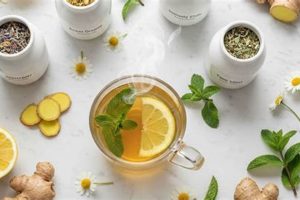
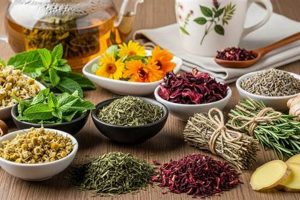
Infusions made from plants other than Camellia sinensis are a common beverage in the People’s Republic of China. These drinks, prepared by steeping various herbs, flowers, and fruits in hot water, offer a diverse range of flavors and perceived health benefits. For example, chrysanthemum tea, made from dried chrysanthemum flowers, is a popular choice known for its purported cooling properties.
These plant-based infusions hold significant cultural and historical importance. They are deeply ingrained in traditional Chinese medicine, where specific combinations are believed to promote well-being and address various ailments. Historically, the consumption of these beverages has been a daily practice, often associated with maintaining harmony and balance within the body.
The subsequent sections will delve into specific types of these infusions, their cultivation, preparation methods, and associated cultural significance. Further exploration will reveal the range of ingredients utilized and the purported health benefits attributed to each.
Tips Regarding Chinese Herbal Infusions
These insights are designed to enhance understanding and appreciation of plant-based infusions prevalent in China.
Tip 1: Prioritize Ingredient Quality. Opt for reputable sources when acquiring dried herbs and flowers. Quality significantly impacts flavor and potential therapeutic effects.
Tip 2: Understand Traditional Preparation Methods. Adherence to traditional methods, such as specific water temperatures and steeping times, is essential for optimal extraction of beneficial compounds.
Tip 3: Research Potential Interactions. Individuals taking medications should consult with a healthcare professional before regularly consuming these infusions, as interactions may occur.
Tip 4: Consider Regional Variations. The selection and preparation of these infusions often vary significantly across different regions of China. Exploring these regional differences can provide a richer understanding.
Tip 5: Store Ingredients Properly. Proper storage, in airtight containers away from direct sunlight and moisture, is crucial to preserve the potency and flavor of dried ingredients.
Tip 6: Start with Smaller Quantities. When trying a new infusion, begin with a small amount to assess tolerance and avoid any adverse reactions.
Effective utilization of this knowledge can lead to a more informed and rewarding experience.
The following sections will provide additional information on specific types and applications.
1. Ingredients (variety, sourcing)

The vast array of ingredients employed in Chinese plant-based infusions constitutes a defining characteristic. This diversity, spanning from familiar floral elements like jasmine and chrysanthemum to lesser-known herbs sourced from remote regions, directly impacts the sensory experience and purported health benefits associated with each specific concoction. The geographical origin and cultivation practices significantly influence the quality and chemical composition of these ingredients, thereby affecting the final product.
Sourcing practices are particularly critical. Ingredients obtained from wild harvesting may possess different properties compared to those cultivated on farms. Concerns regarding pesticide use and environmental sustainability further underscore the importance of responsible sourcing. For instance, the demand for certain rare herbs can lead to over-harvesting, potentially endangering vulnerable plant species. Ethical sourcing practices are therefore paramount in preserving biodiversity and ensuring the long-term availability of these valuable resources.
In summary, the variety and sourcing of ingredients in Chinese plant-based infusions are inextricably linked to the beverage’s quality, potential benefits, and environmental impact. Informed consumers should prioritize products derived from reputable sources that adhere to sustainable and ethical practices. Failure to consider these factors risks compromising both the integrity of the beverage and the well-being of the environment.
2. Preparation (methods, tradition)

The preparation of Chinese herbal infusions is inextricably linked to tradition, with specific methods significantly influencing the final outcome. These methods, often passed down through generations, dictate not only the flavor profile but also the extraction of beneficial compounds. For example, the correct water temperature for infusing delicate floral ingredients, such as jasmine, differs significantly from that required for extracting medicinal properties from roots like ginseng. Deviation from these traditional methods can result in a subpar beverage, lacking the intended taste or therapeutic effect. Precise steeping times are similarly critical; over-steeping can lead to bitterness, while under-steeping may result in a weak and ineffective infusion. The use of specific teaware, such as gaiwans or Yixing teapots, further reflects traditional practices, believed to enhance the overall experience.
The practical significance of understanding these preparation methods extends beyond mere aesthetic appreciation. Proper preparation ensures optimal extraction of bioactive compounds, maximizing potential health benefits. Knowledge of traditional techniques also preserves cultural heritage, safeguarding practices that have been refined over centuries. For instance, certain rituals, associated with the preparation and consumption of specific herbal infusions, serve as cultural touchstones, reinforcing community bonds and conveying symbolic meaning. Furthermore, the careful selection of water, often sourced from natural springs or purified through traditional methods, highlights the holistic approach to preparation.
In conclusion, the methods and traditions surrounding the preparation of Chinese herbal infusions are not simply historical artifacts but rather integral components that define their quality, efficacy, and cultural significance. Adherence to these time-honored practices, while requiring dedication and attention to detail, ultimately yields a richer and more rewarding experience. Challenges lie in balancing traditional methods with modern convenience, ensuring that the essence of these infusions is preserved in an increasingly fast-paced world.
3. Health Benefits (perceived, traditional)

The consumption of plant-based infusions in China is intrinsically linked to perceptions of health benefits derived from traditional medicinal practices. These infusions are not merely beverages; they are often viewed as integral components of a holistic approach to well-being, rooted in centuries of empirical observation and philosophical understanding.
- Traditional Chinese Medicine (TCM) and Herbal Properties
TCM attributes specific properties to various herbs, flowers, and fruits, correlating them to the body’s energy channels (meridians) and organ systems. The consumption of specific infusions is intended to restore balance and address imbalances associated with particular health conditions. For example, peppermint is considered beneficial for dispelling wind-heat, while ginger is often used to address cold-related ailments.
- Perceived Benefits vs. Scientific Validation
While many health claims associated with plant-based infusions stem from traditional beliefs, scientific validation is often limited or inconclusive. Some studies suggest potential benefits, such as antioxidant effects or anti-inflammatory properties, but rigorous clinical trials are frequently lacking. This discrepancy between perceived benefits and scientific evidence highlights the importance of critical evaluation and informed consumption.
- Cultural Significance and the Placebo Effect
The cultural significance of herbal infusions can contribute to a perceived placebo effect. The ritualistic preparation and consumption, coupled with ingrained beliefs in their efficacy, may influence subjective experiences of well-being. This highlights the interplay between psychological and physiological factors in the perception of health benefits.
- Potential Risks and Contraindications
Despite the potential benefits, it is crucial to acknowledge that not all herbal infusions are universally safe. Certain ingredients may interact with medications, exacerbate existing health conditions, or cause allergic reactions. Pregnant women, individuals with chronic illnesses, and those taking prescription drugs should exercise caution and consult with healthcare professionals before consuming specific infusions.
These facets underscore the complex relationship between Chinese herbal infusions and perceived health benefits. While traditional beliefs and cultural practices contribute to their perceived efficacy, scientific validation remains an ongoing process. Responsible consumption requires a balanced approach, acknowledging both the potential benefits and potential risks, while respecting the rich cultural heritage associated with these time-honored beverages.
4. Cultural Significance (rituals, symbolism)

The consumption and preparation of plant-based infusions within China extends far beyond simple refreshment; they are deeply intertwined with cultural rituals and symbolism, reflecting societal values and historical practices. These infusions are not merely beverages, but rather potent cultural artifacts imbued with symbolic meaning.
- Tea Ceremonies and Respect
Formal tea ceremonies, while most commonly associated with Camellia sinensis, often incorporate herbal infusions to varying degrees. Serving tea to elders is an expression of respect and filial piety, a cornerstone of Confucian ethics. The act of offering a carefully prepared herbal infusion can symbolize gratitude, reverence, and a desire for the recipient’s well-being. The specific type of infusion may also hold symbolic significance, with certain herbs representing longevity, prosperity, or other desirable qualities.
- Religious and Spiritual Practices
Various religious and spiritual traditions in China incorporate plant-based infusions into their practices. Buddhist monasteries, for instance, often use specific herbal teas for their purported calming and focusing effects during meditation. Daoist practices may involve the consumption of infusions believed to promote harmony and longevity. These usages highlight the perceived connection between physical health, mental clarity, and spiritual enlightenment.
- Festivals and Celebrations
Certain festivals and celebrations feature specific herbal infusions, cementing their cultural importance. During the Dragon Boat Festival, for example, some regions consume herbal teas believed to ward off evil spirits and promote health. These practices underscore the role of herbal infusions in seasonal celebrations and communal gatherings, reinforcing cultural identity and shared beliefs.
- Medicinal Symbolism and Traditional Beliefs
Traditional Chinese medicine imbues herbal infusions with medicinal symbolism, linking specific ingredients to particular organ systems and health conditions. The act of consuming a particular infusion can be seen as an active engagement with healing and self-care. This symbolism extends beyond the purely medicinal, often incorporating cosmological beliefs and philosophical principles. The choice of ingredients, the method of preparation, and even the time of day when the infusion is consumed can all contribute to its symbolic meaning.
The multifaceted interplay between ritual, symbolism, and plant-based infusions in Chinese culture underscores their profound significance. These practices represent far more than mere culinary traditions; they are expressions of deeply held beliefs, social values, and historical connections that continue to shape cultural identity. Understanding these symbolic dimensions provides a more nuanced appreciation of the role these infusions play in Chinese society.
5. Regional Variations (taste, ingredients)

The landscape of plant-based infusions in China is characterized by significant regional variations, reflecting differences in local flora, culinary traditions, and medicinal practices. These regional distinctions shape both the taste profiles and the specific ingredients utilized, contributing to a diverse and nuanced culinary tapestry. The resulting spectrum of flavors and therapeutic applications underscores the importance of understanding geographical context when exploring the world of plant-based infusions in the People’s Republic.
- Geographical Influence on Ingredient Availability
The availability of specific plant species varies significantly across China’s diverse geographical regions. Southern provinces, characterized by subtropical climates, boast an abundance of flowering plants and fruits that are commonly used in infusions. Conversely, northern regions, with colder climates, rely more heavily on hardy herbs and roots. This geographical determinism shapes the characteristic ingredient profiles of regional infusions. For example, infusions from Yunnan Province are often rich in flowers like roses and jasmine, while those from Inner Mongolia may feature herbs like licorice root and astragalus.
- Culinary Traditions and Flavor Preferences
Distinct culinary traditions across China have fostered diverse flavor preferences, influencing the selection and combination of ingredients in plant-based infusions. Regions with a preference for savory flavors may incorporate ingredients like dried mushrooms or seaweed into their infusions, while those with a penchant for sweetness may favor fruits like longan or jujubes. These regional culinary preferences directly impact the taste profiles of local infusions, contributing to a wide range of sensory experiences.
- Traditional Chinese Medicine (TCM) and Regional Applications
Traditional Chinese medicine varies in its regional applications, reflecting local health concerns and the availability of specific medicinal herbs. Certain regions may emphasize the use of infusions to address specific ailments prevalent in their communities. For example, infusions used to combat dampness are more common in southern China, while those used to address dryness are more frequently found in northern China. This regional specialization in TCM practices contributes to the diversity of herbal infusions and their purported health benefits.
- Processing Techniques and Flavor Modification
Different regions employ unique processing techniques to modify the flavor and properties of ingredients used in plant-based infusions. Sun-drying, roasting, and fermentation are just a few examples of techniques that can alter the taste and aroma of herbs, flowers, and fruits. These regional variations in processing techniques further contribute to the diverse landscape of infusions, resulting in unique flavor profiles that are characteristic of specific geographical areas. For instance, some regions traditionally roast chrysanthemum flowers before using them in infusions, resulting in a smoky and slightly bitter flavor.
These regional variations underscore the complexity and richness of plant-based infusions. Understanding these geographical nuances allows for a more nuanced appreciation of the role these infusions play in Chinese culture. By examining the interplay between ingredient availability, culinary traditions, TCM practices, and processing techniques, a deeper understanding of the diverse landscape of herbal infusions emerges, highlighting the profound connection between geography and culture.
Frequently Asked Questions
This section addresses common inquiries regarding the selection, preparation, and consumption of plant-based infusions prevalent in China. These questions seek to provide clarity and dispel potential misconceptions.
Question 1: What constitutes a genuine plant-based infusion, differentiating it from conventional tea?
A genuine plant-based infusion, in this context, is a beverage prepared solely from the steeping of herbs, flowers, fruits, or other plant materials excluding the Camellia sinensis plant, from which traditional teas are derived.
Question 2: Are all plant-based infusions consumed in China considered safe for consumption?
No. While many plant-based infusions are traditionally consumed and generally considered safe, certain ingredients may possess contraindications or interact negatively with medications. Consultation with a healthcare professional is advised prior to regular consumption.
Question 3: How does one ensure the quality and authenticity of ingredients used in these beverages?
The quality and authenticity of ingredients can be verified through reputable sourcing, careful examination of visual characteristics, and, when possible, laboratory analysis. Prioritizing vendors with transparent sourcing practices is recommended.
Question 4: What is the appropriate method for preparing plant-based infusions to maximize beneficial compounds?
Optimal preparation involves adherence to specific water temperatures and steeping times tailored to the specific ingredients being used. Over-steeping can result in bitterness, while under-steeping may yield a weak and ineffective infusion. Researching the recommended preparation methods for each type is necessary.
Question 5: Can plant-based infusions replace conventional medical treatments?
Plant-based infusions should not be considered substitutes for conventional medical treatments. They may serve as complementary therapies, but should never replace the advice or treatment prescribed by a qualified healthcare professional.
Question 6: How do regional variations affect the characteristics of plant-based infusions?
Regional variations in flora, culinary traditions, and medicinal practices significantly influence the ingredients, flavors, and preparation methods employed. These geographical distinctions result in a diverse range of sensory experiences and perceived therapeutic applications.
In summation, responsible consumption of Chinese plant-based infusions necessitates a balanced understanding of their potential benefits and risks, coupled with informed sourcing and preparation practices. Caution should be exercised, particularly by individuals with pre-existing health conditions or those taking medications.
The subsequent section will provide a detailed guide to specific varieties and ingredients commonly used in plant-based infusions in China.
Conclusion
This exploration has illuminated the multifaceted nature of plant-based infusions consumed in China. Key aspects examined include ingredient diversity, traditional preparation methods, perceived health benefits, profound cultural significance, and the considerable influence of regional variations. These elements collectively define the unique character of these beverages, extending beyond mere refreshment to encompass cultural heritage, medicinal practices, and social customs.
Continued research and responsible consumption remain crucial. The preservation of traditional knowledge, coupled with rigorous scientific investigation, will ensure a comprehensive understanding of plant-based infusions and their potential impact on human well-being. Furthermore, ethical sourcing and sustainable harvesting practices are imperative for safeguarding the availability of these valuable resources for future generations. The ongoing exploration of “herbal tea china” presents a compelling opportunity to bridge traditional wisdom with modern understanding.