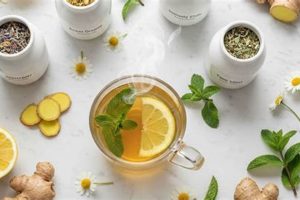
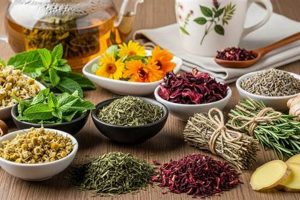
The act of slowly drinking infusions made from herbs is a practice enjoyed globally. These beverages, distinct from true teas derived from the Camellia sinensis plant, are prepared using various flowers, leaves, roots, and seeds. A calming chamomile infusion before sleep exemplifies this practice.
Ingesting such herbal preparations can offer various potential advantages. Historically, cultures worldwide have valued these infusions for their perceived medicinal properties and soothing qualities. Reported benefits include stress reduction, improved digestion, and enhanced relaxation, though scientific validation varies.
The following sections will delve into the diverse world of herbal infusions, examining specific varieties, potential health implications, proper preparation techniques, and considerations for safe consumption.
Tips for Enjoying Herbal Infusions
The following guidelines are designed to optimize the experience and potential benefits derived from consuming herbal infusions.
Tip 1: Source Reputable Ingredients: Prioritize sourcing herbs from reputable suppliers to ensure quality and minimize the risk of contamination with pesticides or heavy metals. Organic certification is a strong indicator of quality.
Tip 2: Observe Proper Steeping Time: Adhere to recommended steeping times for each herb. Over-steeping can result in bitter flavors, while under-steeping may not fully extract the desired compounds. Typically, 5-10 minutes is appropriate, but consult specific guidelines.
Tip 3: Utilize Appropriate Water Temperature: Employ water heated to the appropriate temperature for the specific herb. Delicate flowers like chamomile require cooler water (around 170F or 77C) to prevent burning, while tougher roots and barks can tolerate hotter water (around 212F or 100C).
Tip 4: Strain Thoroughly: Strain the infusion carefully to remove any particulate matter, which can contribute to an unpleasant texture. Fine-mesh strainers or tea filters are effective.
Tip 5: Consider Individual Sensitivities: Be mindful of potential allergic reactions or interactions with medications. Introduce new herbs gradually and consult a healthcare professional if any adverse effects are experienced.
Tip 6: Store Herbs Properly: Preserve the potency of herbs by storing them in airtight containers in a cool, dark, and dry place. This prevents degradation from exposure to light, air, and moisture.
Tip 7: Practice Mindful Consumption: Consume herbal infusions consciously and deliberately, focusing on the aroma, flavor, and potential effects. This mindful approach can enhance the overall experience and promote relaxation.
By adhering to these tips, individuals can enhance their enjoyment and potentially maximize the benefits associated with regularly consuming herbal infusions.
The subsequent sections will explore specific herbal infusions and their purported health benefits in greater detail.
1. Botanical Origins

The botanical origin of an herbal infusion directly determines its chemical composition, flavor profile, and potential physiological effects. Understanding the source plant is thus paramount to appreciating the nuances and intended use of the resulting beverage. The following points elaborate on this connection.
- Species Identification and Authentication
Accurate identification of the plant species is critical. Different species, even within the same genus, may contain vastly different compounds. Authentication methods, such as macroscopic and microscopic analysis, and increasingly, DNA barcoding, are essential to prevent adulteration and ensure the consumer receives the intended herb. For example, true chamomile ( Matricaria chamomilla) should be distinguished from other plants sometimes marketed as chamomile, as their chemical compositions differ.
- Phytochemical Composition
Each plant species possesses a unique phytochemical profile, encompassing a complex array of organic compounds like flavonoids, terpenes, alkaloids, and phenolic acids. These compounds are responsible for the characteristic aroma, taste, and potential therapeutic properties of the infusion. For instance, peppermint ( Mentha piperita) contains menthol, which provides a cooling sensation and may aid digestion. The concentration and specific compounds present directly influence the effects experienced.
- Cultivation Practices and Environmental Factors
Cultivation practices and environmental factors significantly impact the phytochemical composition of plants. Soil type, climate, sunlight exposure, and harvesting time can all influence the concentration of active compounds. Organic cultivation practices, for example, may enhance the levels of certain beneficial compounds compared to conventional farming methods. Geographic origin can also influence the chemical makeup of the herb.
- Processing Methods
Post-harvest processing methods, such as drying, cutting, and storage, can also alter the chemical composition and quality of herbs intended for infusion. Improper drying techniques can lead to mold growth or degradation of volatile compounds, reducing the potency and altering the flavor. Proper storage in airtight containers, away from light and moisture, is essential to preserve the integrity of the herbs.
The botanical origin serves as the foundation for understanding the qualities and potential effects of any herbal infusion. Paying attention to the species, its cultivation, and its processing ensures a more informed and potentially beneficial experience when sipping herbal teas.
2. Preparation Methods

The methods employed in preparing herbal infusions are pivotal in determining the final product’s taste, potency, and overall quality. Precise control over preparation variables is essential to optimize the extraction of desirable compounds and minimize the presence of undesirable ones. The following outlines critical aspects of preparation methodologies.
- Water Temperature Control
The temperature of the water used directly affects the extraction of phytochemicals from the herb. Overly hot water can degrade delicate compounds, leading to a bitter or astringent taste, particularly with floral herbs like chamomile or lavender. Conversely, water that is too cool may not effectively extract the desired compounds, resulting in a weak and less flavorful infusion. The ideal temperature varies depending on the specific herb; generally, more delicate herbs require lower temperatures (170-185F), while heartier roots and barks can withstand higher temperatures (near boiling, 200-212F). Precise temperature control, achieved through the use of a thermometer or temperature-controlled kettle, is highly recommended.
- Steeping Time Optimization
Steeping time, or the duration the herb is immersed in hot water, influences the concentration of extracted compounds. Insufficient steeping results in a weak infusion lacking in flavor and therapeutic potential. Excessive steeping can lead to the release of tannins and other bitter compounds, creating an unpleasant taste. Optimal steeping times vary depending on the herb’s form (whole leaf, cut and sifted, powdered) and its chemical composition. Generally, a steeping time of 5-15 minutes is recommended, but experimentation is encouraged to find the ideal duration for specific preferences.
- Water Quality Considerations
The quality of the water used in the infusion process significantly impacts the final flavor and appearance. Tap water often contains chlorine, minerals, and other impurities that can impart off-flavors to the infusion. Filtered water, spring water, or distilled water is preferred to ensure a clean and neutral base for the herbal flavors to shine through. The pH of the water can also affect extraction; slightly acidic water generally aids in the extraction of certain compounds.
- Infusion Vessel Selection
The material and design of the vessel used for steeping can also influence the final outcome. Non-reactive materials such as glass, ceramic, or stainless steel are recommended to prevent unwanted interactions with the herbs. The size and shape of the vessel can affect the temperature consistency during steeping. Using a vessel with a lid helps to retain heat and prevent the loss of volatile aromatic compounds. Additionally, the type of filter or strainer used to separate the infusion from the spent herbs can affect the clarity and sediment content of the final beverage.
Careful consideration of water temperature, steeping time, water quality, and infusion vessel are essential for crafting optimal herbal infusions. Mastery of these preparation methods enhances the sensory experience and allows for the full realization of the intended flavor profiles and potential benefits associated with sipping herbal teas.
3. Sensory Experience

The act of consuming herbal infusions is inextricably linked to sensory experience, influencing perception and contributing significantly to the overall enjoyment and potential therapeutic effects. The aromatic compounds released upon steeping trigger olfactory responses that prime the gustatory system. Visual aspects, such as the color and clarity of the infusion, contribute to the anticipation of flavor and influence perceived quality. Auditory cues, such as the sound of pouring the liquid or the gentle bubbling during steeping, contribute to a holistic sensory encounter. The tactile sensation of the warm liquid in the mouth and throat further refines the sensory profile.
The importance of the sensory experience extends beyond mere pleasure. The olfactory system is directly connected to the limbic system, the brain region associated with emotions and memory. Specific aromas can evoke distinct memories and emotional responses, potentially enhancing relaxation or inducing a sense of well-being. For example, the scent of lavender may trigger feelings of calmness, while the aroma of peppermint might promote alertness. Flavor profiles can also influence physiological responses, such as stimulating saliva production, which aids in digestion. The temperature of the infusion also affects its perceived intensity; warmer temperatures generally enhance flavor perception. The absence of desired sensory qualities, such as a muted aroma or a bland taste, can diminish the perceived value and potentially reduce the psychological benefits associated with the infusion. Practical application involves selecting herbs with desired aromatic and flavor profiles to target specific mood or health goals, and tailoring preparation methods to optimize the extraction of these key sensory compounds.
In summary, the sensory experience is an integral component of consuming herbal infusions. It influences perception, elicits emotional responses, and can potentially augment physiological effects. By understanding and appreciating the various sensory dimensions, individuals can enhance their enjoyment and potentially maximize the benefits associated with this practice. Further research into the specific mechanisms by which sensory stimuli influence the body and mind may further refine the understanding and application of this holistic experience.
4. Potential Benefits
The consumption of herbal infusions is often motivated by the expectation of specific benefits, spanning physical, mental, and emotional well-being. These purported advantages are rooted in the phytochemical properties of the constituent herbs. For instance, chamomile, frequently consumed as a calming beverage before sleep, contains apigenin, an antioxidant believed to promote relaxation. Similarly, peppermint infusions are often used to alleviate digestive discomfort due to menthol’s antispasmodic effects. The perceived effectiveness of these infusions can also stem from a placebo effect or from the establishment of a calming ritual. The perceived benefits form a significant component of the rationale behind choosing to ingest herbal infusions.
However, it is crucial to approach claims of potential benefits with discernment. Scientific substantiation for many traditional uses remains limited or inconclusive. While some studies support specific benefits, others find no significant effect or highlight potential risks, especially in cases of excessive consumption or interactions with medications. For example, while ginger infusions may ease nausea, excessive intake could potentially interfere with blood-thinning medications. Understanding the potential benefits requires evaluating the available scientific evidence critically, considering individual health conditions, and consulting with healthcare professionals.
In conclusion, the expectation of specific benefits is a key driver for those engaging in regular consumption of herbal infusions. While some benefits may be supported by scientific evidence, others are based on traditional use or personal experience. A balanced approach, incorporating a critical evaluation of available information and mindful awareness of individual sensitivities, is essential when considering the potential benefits associated with sipping herbal teas. Individuals should not consider herbal infusions as replacements for conventional medical treatments without consulting with a qualified healthcare professional.
5. Cultural Significance

The act of slowly drinking herbal infusions is deeply interwoven with cultural practices across the globe, representing more than mere hydration. In numerous societies, herbal preparations are integral to traditional medicine, religious ceremonies, and social gatherings. The specific herbs used, the methods of preparation, and the rituals surrounding their consumption reflect unique cultural values and historical experiences. For example, in East Asian cultures, the tea ceremony elevates the preparation and consumption of tea, including herbal varieties, to an art form, emphasizing mindfulness and social harmony. Similarly, indigenous communities in South America utilize herbal infusions as part of healing rituals and spiritual practices, transmitting knowledge of medicinal plants through generations. The cultural significance, therefore, directly influences the types of herbs used, the ways they are prepared, and the occasions for which they are consumed, shaping the holistic experience.
Furthermore, the commercial availability and perceived value of particular herbal infusions are often influenced by their cultural associations. Herbs with a long history of traditional use in specific regions frequently command higher prices and are marketed based on their cultural heritage. The increased global awareness of traditional medicine practices has led to the international trade and consumption of previously localized herbal remedies. This commercialization, however, can also pose challenges, including the potential for unsustainable harvesting practices and the appropriation of traditional knowledge without proper recognition or compensation to the communities who have preserved it. Practical implications include the need for ethical sourcing practices and the protection of indigenous intellectual property rights related to herbal knowledge.
In summary, the cultural significance of slowly drinking herbal infusions is a critical component of understanding its broader context. It shapes the selection of herbs, preparation methods, social practices, and economic dynamics surrounding their consumption. Recognizing this cultural dimension necessitates a respectful and ethical approach to sourcing, promoting, and consuming herbal infusions, ensuring that the knowledge and traditions associated with them are preserved and valued. This understanding is particularly important in a globalized world where traditional practices are increasingly vulnerable to commodification and cultural appropriation.
6. Mindful Consumption

Mindful consumption, characterized by deliberate attention to the present moment and an awareness of internal sensations, profoundly enhances the practice of slowly drinking herbal infusions. This conscious approach transforms a simple act of hydration into a multi-sensory experience, allowing for a deeper appreciation of the infusion’s subtle nuances and potential effects. The act of paying attention to the aroma, taste, and warmth of the liquid, coupled with an awareness of the body’s response, intensifies the perceived benefits, promotes relaxation, and cultivates a sense of well-being. For example, instead of passively drinking an herbal infusion while preoccupied with other tasks, a mindful approach involves actively engaging with the drink through deliberate smelling, tasting, and noticing the sensations it produces in the body. This shift in focus can transform a mundane activity into a moment of self-care and stress reduction.
The importance of mindful consumption as a component of slowly drinking herbal infusions lies in its ability to amplify the intended effects. Many herbal infusions are consumed for their calming or therapeutic properties. Mindful engagement with the drink can enhance these effects by activating the parasympathetic nervous system, promoting relaxation and reducing stress hormones. By focusing on the sensory experience, individuals can become more attuned to their body’s signals and adjust their consumption accordingly. If the herbal infusion is intended to promote sleep, for instance, mindful consumption in a quiet environment, free from distractions, can create a conducive atmosphere for relaxation and prepare the body for rest. This synergistic effect between the properties of the herbal infusion and the practice of mindfulness increases the likelihood of achieving the desired outcome.
In conclusion, mindful consumption elevates the experience of slowly drinking herbal infusions from a mere act of ingestion to a deliberate practice of sensory engagement and self-awareness. By consciously attending to the aroma, taste, and physical sensations, individuals can enhance the potential benefits, promote relaxation, and cultivate a greater sense of well-being. This approach underscores the importance of intentionality and presence in everyday activities, transforming them into opportunities for mindful self-care and heightened sensory appreciation. Further research might explore the quantifiable impact of mindful consumption on specific physiological markers, such as heart rate variability or cortisol levels, to provide further evidence of its benefits.
Frequently Asked Questions about Herbal Infusions
The following addresses common inquiries regarding the selection, preparation, and consumption of herbal infusions, also known as herbal teas.
Question 1: Are all beverages marketed as “tea” truly tea?
No. True tea originates from the Camellia sinensis plant. Beverages made from other plants are technically herbal infusions or tisanes, though often colloquially referred to as “tea.”
Question 2: What are potential risks associated with drinking herbal infusions?
Potential risks include allergic reactions, interactions with medications, and contamination with heavy metals or pesticides. Sourcing herbs from reputable suppliers and consulting with healthcare professionals is advised.
Question 3: How should herbal infusions be stored to maintain freshness and potency?
Herbal infusions should be stored in airtight containers, in a cool, dark, and dry place to prevent degradation from light, air, and moisture.
Question 4: Is it safe to consume herbal infusions during pregnancy or breastfeeding?
Certain herbs are contraindicated during pregnancy or breastfeeding. Consult a healthcare professional before consuming herbal infusions during these periods.
Question 5: How can one determine the appropriate steeping time for a specific herb?
Optimal steeping times vary depending on the herb. Generally, 5-15 minutes is appropriate, but specific guidelines should be consulted. Over-steeping can result in bitterness.
Question 6: Can herbal infusions replace conventional medical treatments?
No. Herbal infusions should not be considered replacements for conventional medical treatments. Consult a healthcare professional for diagnosis and treatment of medical conditions.
In summary, knowledge of potential risks, appropriate storage, and accurate sourcing is crucial for maximizing the benefits and minimizing potential adverse effects associated with herbal infusions.
The next section will provide a concluding summary of best practices.
Concluding Thoughts on Herbal Infusions
The preceding exploration has illuminated the multifaceted nature of slowly drinking herbal teas. It has encompassed botanical origins, preparation methodologies, the sensory experience, purported benefits, cultural significance, and the importance of mindful consumption. Awareness of these interwoven elements is essential for a well-informed and potentially beneficial engagement with this practice.
Continued research and responsible sourcing practices are paramount to ensuring the safety and sustainability of herbal tea consumption. Diligent application of the principles outlined herein may contribute to a more meaningful and enriching experience. The thoughtful and deliberate act of sipping herbal teas represents a confluence of tradition, science, and personal well-being that merits considered attention.