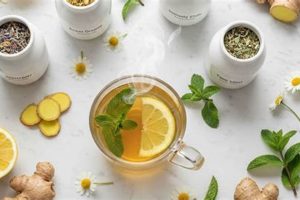
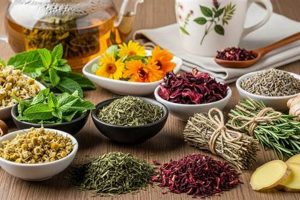
A beverage created by infusing herbs in hot water and then sweetening it with honey is a comforting and healthful drink. This fusion combines the therapeutic properties of various botanicals with the natural sweetness and potential health benefits of honey, offering a flavorful and potentially beneficial alternative to traditional teas or sugary drinks. For example, chamomile flowers steeped in hot water, followed by the addition of honey, create a soothing drink often consumed before bedtime.
The significance of this beverage lies in its potential to deliver both the medicinal qualities of specific herbs and the antioxidant and antibacterial properties of honey. Historically, herbal infusions have been used for centuries to address various ailments, while honey has been prized for its perceived healing properties. Combining these elements provides a synergistic effect, potentially boosting the immune system, aiding digestion, or promoting relaxation. The specific advantages depend on the particular herbs and type of honey used.
The following sections will delve into specific herbal combinations that complement honey well, exploring the potential benefits of different varieties, and offering insights into crafting the optimal beverage for individual needs and preferences.
Tips for Optimal Enjoyment
Maximizing the benefits and flavor of the beverage requires careful consideration of several factors. The following tips offer guidance for preparation and consumption.
Tip 1: Herb Selection: Choose herbs appropriate for the intended purpose. Chamomile or lavender promote relaxation, while peppermint or ginger may aid digestion. Understand the properties of each herb before use.
Tip 2: Honey Variety: Opt for raw, unfiltered honey to retain its beneficial enzymes and antioxidants. Different honey varieties, such as Manuka or wildflower, offer distinct flavor profiles that complement specific herbs.
Tip 3: Water Temperature: Heat water to the appropriate temperature for the selected herbs. Delicate herbs, such as chamomile, require lower temperatures (around 170F) to prevent bitterness, while more robust herbs can withstand higher temperatures (around 200F).
Tip 4: Steeping Time: Allow the herbs to steep for the recommended time, typically 5-10 minutes. Over-steeping can result in a bitter taste, while under-steeping may not fully extract the herbs’ properties.
Tip 5: Sweetness Adjustment: Add honey to taste, starting with a small amount and adjusting as needed. The goal is to enhance the flavor without overpowering the herbal notes.
Tip 6: Strain Thoroughly: After steeping, strain the beverage to remove any remaining herbal particles. This ensures a smooth and enjoyable drinking experience.
Tip 7: Storage Considerations: If preparing a larger batch, store the remaining infusion in an airtight container in the refrigerator for up to 24 hours. Reheat gently before consumption.
By adhering to these guidelines, individuals can enhance the flavor, optimize the benefits, and ensure a satisfying experience. Proper preparation maximizes the potential health properties of both the herbs and the honey, contributing to overall well-being.
The concluding section will summarize the key aspects discussed and offer final considerations for incorporating the beverage into a balanced lifestyle.
1. Herb Selection

Herb selection is the foundational element of crafting a specific preparation. The choice of herb directly dictates the primary effect and intended benefits. This choice exerts a cascade of effects on the final beverage profile. A chamomile infusion, for example, aims to promote relaxation and sleep, whereas a peppermint infusion may be formulated to aid digestion. The herbal component serves as the active ingredient, targeting a specific physiological response.
The appropriate selection requires understanding the properties of various herbs. Consider the preparation of a beverage intended to support immune function during cold season. One might select elderflower for its antiviral properties, echinacea for its immune-stimulating effects, and ginger for its anti-inflammatory action. The honey component then serves to enhance palatability and add its inherent antibacterial and antioxidant properties. Conversely, inappropriate selection leads to ineffective or even adverse outcomes. For instance, using a stimulating herb like ginseng before bed may disrupt sleep rather than promote relaxation.
In conclusion, careful selection is paramount to achieving the desired outcome. By matching herbal properties to intended effects, a targeted and potentially beneficial beverage can be created. The interplay between herb and honey results in a holistic approach to wellness, provided the initial herbal component is selected with diligence and understanding. Improper understanding or usage of “Herb selection” will yield an ineffective preparation for “herbal honey tea”.
2. Honey Variety

The specific type of honey selected profoundly impacts the flavor profile and potential therapeutic benefits of a beverage. The floral source from which bees gather nectar dictates the honey’s aroma, taste, and chemical composition. Consequently, pairing specific varieties with complementary herbs enhances the overall sensory experience and amplifies targeted effects. For example, lavender honey, with its delicate floral notes, harmonizes well with chamomile or lavender infusions, reinforcing relaxation-promoting properties. Conversely, a robust buckwheat honey, with its dark color and bold flavor, complements stronger herbs like ginger or turmeric, creating a more assertive and potentially warming beverage.
The practical significance of understanding the relationship between honey variety and infusion lies in optimizing the beverage’s effectiveness. Raw, unfiltered honey retains more of its beneficial enzymes, antioxidants, and pollen, offering potential health benefits beyond mere sweetness. Manuka honey, renowned for its antibacterial properties, can be incorporated into preparations intended to support immune function or soothe a sore throat. Conversely, mass-produced, highly processed honey may offer limited therapeutic value and a less complex flavor profile. Selection, therefore, becomes a critical step in maximizing the beverage’s potential.
In summary, honey variety is not merely a sweetener; it is an integral component that shapes the sensory experience and influences the potential therapeutic effects of the finished preparation. Careful consideration of floral source, processing methods, and flavor profile allows for a tailored approach, ensuring a balanced and potentially beneficial beverage. Ignoring the nuances of honey variety diminishes the overall potential and reduces the beverage to a simple combination of flavors rather than a synergistic blend of healthful elements.
3. Water Temperature

Water temperature is a critical, yet often overlooked, factor in the successful extraction of bioactive compounds and volatile oils from herbs, significantly impacting the flavor, aroma, and therapeutic potential of the final beverage. The optimal temperature range varies depending on the specific herbs being infused, underscoring the importance of a nuanced understanding of herbal properties.
- Extraction Efficiency
Different herbal components exhibit varying degrees of solubility at different temperatures. Volatile oils, responsible for aroma and some therapeutic effects, are often best extracted at lower temperatures to prevent evaporation. Conversely, some bitter compounds are extracted more readily at higher temperatures, leading to an undesirable taste profile. The target is to maximize the extraction of beneficial compounds while minimizing the release of undesirable ones.
- Herb Sensitivity
Delicate herbs, such as chamomile and lavender, are susceptible to damage from excessively hot water. High temperatures can degrade their volatile oils, resulting in a muted flavor and diminished therapeutic effect. Conversely, more robust herbs, like ginger and turmeric, can withstand higher temperatures and require them for optimal extraction of their active constituents.
- Enzyme Preservation
Raw honey contains enzymes that contribute to its health benefits. Exposure to high temperatures can denature these enzymes, reducing their effectiveness. It is therefore advisable to allow the herbal infusion to cool slightly before adding honey to preserve its enzymatic activity.
- Taste Modulation
Water temperature influences the perceived taste of the beverage. Overly hot water can extract bitter compounds, leading to an unpleasant taste. Conversely, water that is too cool may result in an under-extracted infusion lacking the desired flavor and aroma intensity. Careful temperature control is essential for achieving a balanced and palatable beverage.
The interplay between water temperature, herb selection, and honey addition is crucial for crafting a balanced and potentially beneficial preparation. Precise temperature control optimizes extraction, preserves delicate compounds, and modulates taste, ultimately contributing to a more enjoyable and therapeutically effective beverage experience. Disregarding the importance of water temperature can significantly compromise the final product, diminishing both its flavor and potential health benefits.
4. Steeping time

The duration of steeping significantly influences the chemical composition and organoleptic properties of herbal infusions, and therefore exerts a direct impact on the quality and characteristics of the final beverage. Steeping time dictates the extent to which water-soluble compounds are extracted from the plant material, affecting the concentration of active constituents and the intensity of flavor. Insufficient steeping yields a weak and potentially ineffective preparation, while excessive steeping can result in a bitter and unpalatable product.
A practical example illustrates this principle: chamomile, when steeped for 5 minutes, produces a mild, floral-flavored infusion known for its calming properties. However, steeping chamomile for longer than 10 minutes can release bitter compounds, diminishing its pleasant flavor and potentially negating its intended effects. Similarly, green infusions benefit from shorter steeping times (around 3 minutes) to avoid the release of tannins, which contribute to a bitter taste. Honey, when added to an over-steeped, bitter infusion, may mask the unpleasant flavor but cannot rectify the imbalance in chemical composition.
Optimal steeping time is contingent upon the specific herb, its form (e.g., dried leaf, root, or flower), and the desired strength of the infusion. General guidelines recommend 5-10 minutes for most herbal , but experimentation is encouraged to refine the process based on individual preferences. Mastery of steeping time, when combined with appropriate herb selection and honey variety, constitutes a crucial element in crafting a balanced and therapeutically valuable beverage. This ensures the realization of the maximum potential of both the herbal component and the honey additive, fostering a synergistic relationship between the ingredients.
5. Flavor balance

Flavor balance is a critical determinant of the palatability and overall enjoyment of herbal honey tea. The inherent characteristics of both the herbs and the honey must be carefully considered to achieve a harmonious blend that is neither overwhelmingly bitter nor excessively sweet. The cause-and-effect relationship is direct: imbalanced flavor profiles diminish the sensory appeal, potentially deterring consistent consumption and thus undermining any intended therapeutic benefits. The importance of flavor balance as a component is self-evident; a palatable beverage encourages regular use, thereby maximizing the potential for positive health outcomes. For example, pairing a naturally bitter herb like dandelion root with a strongly flavored honey such as buckwheat can create a discordant taste, whereas using a milder honey, like clover honey, can temper the bitterness and achieve a more agreeable result.
Achieving flavor balance requires a systematic approach. One strategy involves starting with a small quantity of honey and gradually increasing the amount until the desired sweetness level is reached. Another technique is to select herbs with complementary flavor profiles. For instance, combining the earthy notes of rooibos with the floral aroma of lavender and a touch of honey can produce a well-rounded and soothing beverage. From a practical perspective, understanding the flavor profiles of different herbs and honeys empowers individuals to customize their beverages to suit their personal preferences, thereby enhancing the likelihood of consistent consumption. This customization is particularly valuable for individuals with specific dietary restrictions or sensitivities.
In summary, flavor balance is not merely an aesthetic concern but a fundamental aspect of crafting a satisfying and potentially beneficial beverage. Challenges to achieving optimal flavor balance include the inherent variability in herb and honey flavors, as well as individual differences in taste perception. Overcoming these challenges requires experimentation and a willingness to adjust ingredient ratios to achieve a harmonious blend. Flavor balance directly contributes to the broader theme of holistic well-being by promoting regular consumption and maximizing the potential therapeutic benefits of herbal honey tea.
6. Therapeutic synergy
Therapeutic synergy refers to the combined effect of multiple components exceeding the sum of their individual effects. In the context of herbal honey tea, it suggests that the blend of herbs and honey offers benefits greater than either ingredient could provide independently. The relevance lies in the potential for enhanced wellness outcomes and the maximization of natural medicinal properties.
- Enhanced Bioavailability
Certain compounds in herbs may have limited bioavailability on their own, meaning the body struggles to absorb and utilize them effectively. Honey, particularly in its raw, unfiltered form, contains enzymes and other substances that may enhance the absorption of these herbal compounds, leading to a greater therapeutic impact. For example, quercetin, found in some herbs, can benefit from enhanced absorption due to compounds present in honey.
- Complementary Mechanisms of Action
Herbs and honey often possess distinct, yet complementary, mechanisms of action. Some herbs may exert anti-inflammatory effects, while honey exhibits antibacterial properties. When combined, these effects can work synergistically to address multiple aspects of an ailment. A sore throat, for instance, benefits from the anti-inflammatory action of herbs like sage and the antibacterial properties of honey, leading to faster relief than either could provide alone.
- Buffering of Side Effects
Certain herbs, when consumed in isolation, may produce undesirable side effects in some individuals. Honey can, in some instances, help to buffer these side effects. For instance, the potential stomach upset caused by certain potent herbs may be mitigated by the soothing properties of honey.
- Palatability and Compliance
The inherent sweetness of honey enhances the palatability of herbal infusions, particularly those containing bitter or otherwise unpalatable herbs. Increased palatability leads to improved compliance, meaning individuals are more likely to consume the beverage regularly, maximizing the potential for therapeutic benefits. A child might refuse a bitter herbal infusion on its own but readily consume it when sweetened with honey.
The facets explored illustrate that the benefits derive not just from adding honey to herbal , but from creating a synergistic blend where individual actions are amplified. This interaction highlights the importance of carefully selecting both the herbs and the honey to optimize therapeutic synergy and achieve the desired health outcomes. The practice underscores the value of understanding natural ingredients and their interactions for promoting well-being.
7. Overall Wellness

Overall wellness encompasses a holistic state of physical, mental, and emotional equilibrium. Herbal honey tea can serve as a complementary component within a broader strategy aimed at achieving and maintaining this equilibrium. Its potential benefits extend beyond mere hydration, contributing to various facets of well-being when thoughtfully integrated into daily routines.
- Stress Reduction and Relaxation
Certain herbal preparations, such as those containing chamomile, lavender, or lemon balm, are known for their calming properties. Regular consumption of these herbal teas, sweetened with honey, can help reduce stress and promote relaxation. This, in turn, positively impacts mental and emotional well-being, fostering a sense of calm and contributing to improved sleep patterns. A practical example is the nightly ritual of consuming chamomile honey , aiding in winding down before sleep.
- Immune System Support
Herbal infusions, particularly those incorporating herbs like elderflower, echinacea, or ginger, possess immune-boosting properties. Combined with the antibacterial and antioxidant benefits of honey, such beverages can support the body’s natural defenses against illness. Daily consumption, especially during cold and flu seasons, may contribute to a stronger immune response. An example is a ginger and honey beverage taken at the onset of cold symptoms.
- Digestive Health
Certain herbal ingredients, such as peppermint, ginger, or fennel, have been traditionally used to aid digestion and alleviate gastrointestinal discomfort. These herbs, when infused and sweetened with honey, can promote healthy digestion and reduce bloating or indigestion. For example, a peppermint honey tea after a large meal may help ease digestion.
- Antioxidant Intake
Both herbs and honey contain antioxidants, which help protect the body against cellular damage caused by free radicals. Regular consumption of herbal honey can contribute to increased antioxidant intake, supporting overall health and potentially reducing the risk of chronic diseases. For example, green enriched with honey may increase its antioxidant potential.
These examples illustrate the potential role of herbal honey as a component within a holistic approach to wellness. While not a singular solution, it can complement healthy dietary habits, regular physical activity, and stress management techniques in promoting overall well-being. The specific benefits derived depend on the individual’s health status, lifestyle, and the specific herbs and honey utilized. Thoughtful incorporation of this beverage into daily routines can contribute to enhanced physical and mental well-being.
Frequently Asked Questions About Herbal Honey Tea
The following section addresses common inquiries and clarifies potential misconceptions regarding the preparation, benefits, and safety of the subject.
Question 1: What is the optimal storage duration for herbal honey tea?
For optimal quality and safety, it should be consumed within 24 hours of preparation. Refrigeration is recommended for storage, and reheating should be gentle to preserve flavor and beneficial compounds.
Question 2: Can this beverage be consumed during pregnancy?
Certain herbs are contraindicated during pregnancy. Consultation with a healthcare professional is essential before consuming any herbal product, including this one, to ensure safety for both the mother and the developing fetus.
Question 3: Does the sugar content in honey negate the health benefits?
While honey does contain sugar, raw, unfiltered honey also provides antioxidants and enzymes that contribute to potential health benefits. Moderation is key, and the amount of honey should be adjusted to minimize sugar intake while maximizing flavor.
Question 4: Can this beverage replace conventional medical treatments?
No. This is a complementary therapy and should not be used as a substitute for prescribed medical treatments. It can be used to support overall well-being, but professional medical advice should always be sought for health concerns.
Question 5: Are there potential allergic reactions associated with this beverage?
Yes. Allergic reactions to both herbs and honey are possible. Individuals with known allergies to specific plants or bee products should exercise caution and monitor for any adverse reactions after consumption.
Question 6: How does the quality of water affect the final product?
Water quality significantly impacts the taste and potential benefits of the beverage. Filtered or spring water is recommended to avoid contaminants that can alter flavor and potentially interfere with the extraction of beneficial compounds.
The key takeaways highlight the importance of informed consumption, emphasizing safety, moderation, and the understanding that this beverage is a complement to, not a replacement for, conventional medical care.
The subsequent section will provide concluding remarks and offer practical suggestions for incorporating it into a balanced lifestyle.
Conclusion
The preceding exploration has elucidated the multifaceted nature of herbal honey tea, moving beyond a simplistic understanding of mere flavor enhancement. It has demonstrated the critical importance of informed ingredient selection, precise preparation techniques, and a nuanced awareness of potential therapeutic synergies. The variables of herb type, honey variety, water temperature, and steeping time each exert significant influence on the final product’s characteristics and purported benefits.
Given the potential for both positive and negative outcomes, a cautious and educated approach is paramount. Individuals are encouraged to view herbal honey tea not as a panacea, but as a potentially beneficial component within a comprehensive wellness strategy, always consulting with healthcare professionals regarding its suitability for their individual needs and circumstances. Continued research into the specific mechanisms of action and potential interactions of various herbal and honey combinations remains crucial for maximizing the benefits and minimizing the risks associated with its consumption.