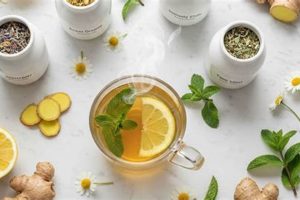
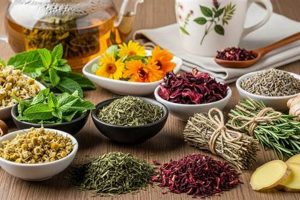
Consumption of certain plant-derived infusions during periods of abstinence from food is a practice with varied motivations and potential effects. These beverages, distinct from true teas derived from Camellia sinensis, are prepared by steeping herbs, spices, or other plant materials in hot water. Individuals may incorporate them into a fasting regimen for reasons such as flavor enhancement, hydration maintenance, or perceived therapeutic properties. For example, a person observing intermittent fasting might consume chamomile or peppermint infusions to mitigate hunger pangs or promote relaxation.
The significance of incorporating these beverages into a fasting protocol lies in their potential to support adherence and overall well-being. Historically, various cultures have utilized plant infusions during periods of religious or medicinal fasting. Potential benefits may include appetite suppression, digestive aid, and stress reduction. However, it’s crucial to acknowledge that the specific effects are dependent on the composition of the infusion and the individual’s physiological response. Furthermore, some preparations might contain constituents that could affect metabolic processes or interact with medications.
The following sections will delve into specific considerations regarding the selection, preparation, and potential effects of plant-based infusions within the context of different fasting practices. Detailed attention will be given to the properties of commonly used herbs, their impact on metabolic processes, and safety guidelines for consumption during periods of restricted caloric intake.
Guidance on Herbal Infusions During Fasting
The following recommendations offer practical advice for the safe and effective integration of plant-based infusions into fasting practices. These tips emphasize mindful selection, preparation, and consumption to maximize potential benefits while minimizing risks.
Tip 1: Prioritize Ingredient Transparency. Scrutinize the ingredient list of any commercially available infusion. Opt for products with clearly labeled, single-source ingredients to avoid undisclosed additives or potential allergens. For example, a “chamomile” infusion should ideally contain only chamomile flowers, with no added flavorings or preservatives.
Tip 2: Hydration is Paramount. While herbal infusions contribute to fluid intake, they should not be considered a complete substitute for plain water. Ensure adequate hydration throughout the fasting period by complementing infusions with sufficient water consumption. Dehydration can exacerbate potential side effects such as headaches or fatigue.
Tip 3: Be Mindful of Potential Stimulants. Certain herbs, such as yerba mate or guaran, possess stimulating properties. Exercise caution when consuming these infusions, particularly during extended fasting periods, as they may disrupt sleep patterns or exacerbate anxiety in sensitive individuals. Limit consumption to the earlier hours of the day.
Tip 4: Consider Potential Digestive Effects. Some herbal infusions, such as peppermint or ginger, are known for their digestive properties. However, individuals with pre-existing gastrointestinal conditions should introduce these infusions gradually and monitor for any adverse reactions, such as heartburn or nausea. Discontinue use if symptoms persist.
Tip 5: Steer Clear of Sweeteners. Avoid adding sugar, honey, or artificial sweeteners to infusions. These additions can disrupt metabolic processes and compromise the benefits of fasting. If necessary, consider naturally sweet herbs like stevia in moderation.
Tip 6: Consult with Healthcare Professionals. Individuals with pre-existing medical conditions, pregnant or breastfeeding individuals, and those taking prescription medications should consult with a qualified healthcare professional before incorporating herbal infusions into a fasting regimen. Certain herbs may interact with medications or exacerbate existing health issues.
Tip 7: Start with Single-Ingredient Infusions. When introducing new herbal infusions, begin with single-ingredient varieties to identify any potential sensitivities or allergic reactions. This approach allows for a more accurate assessment of individual tolerance and minimizes the risk of confounding effects from multiple ingredients.
Adherence to these recommendations can enhance the experience of fasting while mitigating potential risks associated with the consumption of plant-based infusions. Prioritizing informed decision-making and mindful consumption is essential for maximizing the benefits of incorporating these beverages into a fasting protocol.
The concluding section will summarize the key findings regarding plant infusions during fasting and provide final recommendations for optimal integration into a holistic health approach.
1. Hydration Maintenance
Maintaining adequate hydration is a fundamental physiological requirement, especially during periods of food restriction. Consumption of plant-based infusions can contribute to this need, but specific considerations are necessary to ensure optimal fluid balance during fasting.
- Water Content and Absorption
Plant-based infusions primarily consist of water, directly contributing to fluid intake. The water content is readily absorbed by the body, supporting cellular function, nutrient transport, and waste removal. Unlike some beverages, such as those high in sugar or caffeine, unsweetened herbal infusions generally do not exert a significant diuretic effect, thus promoting net fluid retention. However, it’s essential to confirm that any added ingredients are not diuretic.
- Electrolyte Balance Considerations
While these infusions provide water, they typically lack substantial electrolytes such as sodium, potassium, and magnesium, which are crucial for maintaining fluid balance and nerve function. During extended fasting periods, electrolyte depletion can occur. It may be necessary to supplement with electrolytes from other sources, or to select infusions that contain trace amounts of these minerals naturally. Consultation with a healthcare professional regarding electrolyte supplementation is advised.
- Impact on Thirst Perception
The flavor and aroma of plant infusions can enhance the palatability of water, potentially increasing fluid consumption. This is particularly relevant for individuals who find it challenging to drink plain water. However, relying solely on flavored infusions to satisfy thirst may mask underlying dehydration, especially if the infusions contain ingredients that stimulate thirst without addressing the fluid deficit. Monitoring urine color and frequency is a useful indicator of hydration status.
- Considerations for Specific Health Conditions
Individuals with certain health conditions, such as kidney disease or heart failure, may have specific fluid intake restrictions. In such cases, the inclusion of plant-based infusions in a fasting regimen requires careful management and close consultation with a healthcare provider. Excessive fluid intake, even from seemingly benign sources like infusions, can exacerbate fluid retention and compromise health outcomes in these populations.
In summary, plant infusions can contribute to hydration maintenance during fasting. However, it is important to acknowledge that they are not a complete substitute for plain water and may not provide adequate electrolytes. Individual needs and health conditions should be carefully considered when incorporating these beverages into a fasting protocol to ensure optimal hydration and overall well-being.
2. Appetite Suppression
The capacity of particular herbal infusions to modulate appetite plays a significant role in their integration into fasting practices. The mechanism by which these infusions exert this effect is multifaceted, involving both physiological and psychological components. Certain compounds present in herbs are believed to interact with the satiety centers in the brain, potentially reducing feelings of hunger. For instance, infusions containing high levels of fiber may contribute to a sensation of fullness, delaying gastric emptying and promoting satiety. The ritualistic aspect of preparing and consuming a warm beverage can also contribute to a psychological sense of satiation, effectively mitigating hunger cues. The practical significance of this appetite-suppressing effect lies in its potential to enhance adherence to fasting protocols, thereby facilitating weight management and other health-related goals.
Empirical evidence suggests variability in the effectiveness of different herbal infusions for appetite suppression. Some preparations, such as those containing ginger or peppermint, are reputed to reduce bloating and promote digestion, indirectly lessening the sensation of hunger. Conversely, other infusions may lack significant appetite-suppressing properties. Real-world examples include individuals using ginger infusion to manage hunger pangs during intermittent fasting, or employing peppermint infusion to alleviate digestive discomfort that can mimic hunger. The impact can vary considerably based on the specific blend, concentration, and individual physiological response, however.
In summary, while specific herbal infusions may contribute to appetite suppression during fasting, this effect is influenced by the infusion’s composition and the consumer’s physiological and psychological state. Challenges remain in standardizing preparations and quantifying their impact on satiety. Understanding this connection is important for those seeking to use plant-based infusions to support fasting goals, providing a deeper comprehension of their potential benefits and limitations.
3. Metabolic Impact

The metabolic impact of consuming plant infusions during fasting is a complex interaction dependent on several factors, including the specific herbal composition, the duration and type of fast, and individual physiological responses. While generally calorie-free, certain constituents within these infusions can influence metabolic pathways, affecting glucose regulation, insulin sensitivity, and lipolysis. For example, some herbs are believed to possess hypoglycemic properties, potentially aiding in blood sugar control during fasting. Others may impact thermogenesis or fatty acid oxidation, influencing energy expenditure. The practical significance of understanding these interactions lies in the potential to strategically select infusions that complement the desired metabolic outcomes of the fasting protocol. However, it is important to note that the magnitude of these effects is often modest and may not be clinically significant in all individuals.
Further analysis reveals that the bioactive compounds present in different herbs can exert diverse effects on metabolic processes. Certain polyphenols, such as those found in green tea and some herbal blends, may enhance insulin sensitivity and glucose uptake in peripheral tissues. Conversely, other compounds may interfere with nutrient absorption or alter gut microbiota composition, indirectly impacting metabolic function. Real-life examples include individuals with type 2 diabetes utilizing specific herbal infusions, under medical supervision, as an adjunct to conventional therapies for blood sugar management. However, the efficacy and safety of such practices require careful evaluation and individualized assessment.
In summary, while plant infusions consumed during fasting are often perceived as metabolically neutral, they can, in fact, exert subtle yet potentially relevant influences on metabolic pathways. These effects are contingent on the specific herbal composition and individual physiological characteristics. Challenges remain in fully elucidating the complex interactions between herbal constituents and metabolic function. Therefore, informed decision-making, based on both scientific evidence and individual monitoring, is crucial for optimizing the metabolic impact of these beverages within the context of a fasting regimen. This understanding contributes to a broader perspective on the potential benefits and limitations of plant-based infusions in promoting metabolic health during periods of restricted caloric intake.
4. Digestive Effects

The digestive effects of plant-based infusions consumed during periods of fasting represent a significant consideration, influencing both the comfort and overall metabolic outcomes of the practice. The absence of solid food intake during fasting heightens the sensitivity of the digestive system, potentially leading to either enhanced benefit or increased discomfort from ingested substances.
- Stimulation of Gastric Motility
Certain herbal constituents stimulate gastric motility, influencing the rate at which contents move through the digestive tract. For example, ginger and peppermint infusions are known to promote gastric emptying, potentially alleviating bloating and discomfort associated with reduced food intake. However, in individuals with pre-existing gastrointestinal conditions such as gastritis or irritable bowel syndrome (IBS), these infusions may exacerbate symptoms. Therefore, careful assessment of individual tolerance is critical.
- Alteration of Gut Microbiota
Plant-derived compounds, including polyphenols and prebiotics found in various herbal infusions, can modulate the composition and activity of the gut microbiota. While some alterations may promote beneficial changes in gut health, others can potentially disrupt the microbial balance, leading to digestive disturbances. For example, long-term consumption of certain infusions may selectively promote the growth of specific bacterial species. The implications of these changes during fasting, when the gut microbiota is already under stress due to reduced nutrient availability, require further investigation.
- Influence on Bile Secretion
Specific herbs have cholagogue properties, stimulating bile secretion from the gallbladder. Bile plays a crucial role in fat emulsification and absorption, although its relevance during fasting, when fat intake is typically minimal, is less direct. However, enhanced bile flow may aid in the clearance of metabolic waste products and support liver function during detoxification processes often associated with fasting practices. Dandelion root and milk thistle infusions are often cited as examples of herbs with cholagogue effects, but their impact should be evaluated cautiously in individuals with gallbladder disease.
- Modulation of Intestinal Inflammation
Some herbal infusions possess anti-inflammatory properties, potentially mitigating intestinal inflammation and promoting gut barrier integrity. Compounds such as flavonoids and tannins may exert protective effects on the intestinal lining, reducing the risk of leaky gut syndrome and associated systemic inflammation. Chamomile and licorice root infusions are traditionally used for their anti-inflammatory properties, but their use should be approached cautiously, especially during prolonged fasting periods, due to potential side effects such as sodium retention and blood pressure elevation.
The digestive effects of herbal infusions during fasting are multifaceted, encompassing stimulation of gastric motility, modulation of gut microbiota, influence on bile secretion, and modulation of intestinal inflammation. The interplay of these factors determines the net impact on digestive comfort and overall well-being. Therefore, informed selection and mindful consumption, guided by individual tolerance and medical advice, are essential for optimizing the integration of plant-based infusions into fasting protocols. This nuanced understanding contributes to a broader perspective on the potential benefits and risks associated with these beverages in the context of dietary restriction.
5. Ingredient Safety

Ingredient safety is a paramount consideration when incorporating plant-based infusions into a fasting regimen. The absence of food intake during fasting can heighten sensitivity to ingested substances, potentially amplifying both the beneficial and adverse effects of herbal components. Therefore, meticulous attention to the source, composition, and potential contaminants within these infusions is essential for ensuring a safe and beneficial fasting experience.
- Sourcing and Authenticity
The geographical origin and cultivation practices of herbs significantly impact their safety profile. Herbs sourced from regions with contaminated soil or unregulated agricultural practices may contain heavy metals, pesticides, or other harmful substances. Ensuring the authenticity of the herb is also crucial, as misidentification or adulteration with other plant species can lead to unintended and potentially dangerous effects. For example, star anise, commonly used in infusions, has been mistakenly substituted with Japanese star anise, which contains neurotoxic compounds. Therefore, selecting reputable suppliers and verifying the botanical identity of herbs is imperative.
- Potential Allergens and Sensitivities
Herbal infusions can trigger allergic reactions or sensitivities in susceptible individuals. Common allergens include chamomile, ragweed, and certain spices. Symptoms can range from mild skin irritation to severe anaphylaxis. Individuals with known allergies to plants within the Asteraceae family (e.g., daisies, sunflowers) should exercise caution when consuming infusions containing chamomile. Furthermore, even in the absence of known allergies, some individuals may experience sensitivities to specific herbal compounds, resulting in digestive upset, headaches, or other adverse effects. Starting with single-ingredient infusions and monitoring for any adverse reactions is recommended.
- Contaminants and Adulterants
Herbal products can be contaminated with microorganisms, molds, or other adulterants during harvesting, processing, or storage. These contaminants can pose a health risk, particularly during fasting when the immune system may be compromised. Proper drying, storage, and handling practices are essential for preventing contamination. Furthermore, some manufacturers may intentionally add adulterants to enhance the flavor or perceived efficacy of their products. Testing for contaminants and adulterants is often lacking in unregulated herbal products. Therefore, selecting certified organic or third-party tested infusions can help minimize the risk of exposure to harmful substances.
- Drug Interactions and Contraindications
Certain herbal compounds can interact with prescription medications or have contraindications for individuals with specific medical conditions. For example, St. John’s Wort, commonly used for mood disorders, can interfere with the metabolism of many drugs, including antidepressants and blood thinners. Licorice root can elevate blood pressure and should be avoided by individuals with hypertension. Consulting with a healthcare professional before incorporating herbal infusions into a fasting regimen is crucial, especially for individuals taking medications or managing chronic health conditions. Awareness of potential drug interactions and contraindications can help prevent adverse health outcomes.
In summary, ingredient safety is a critical determinant of the overall health benefits and risks associated with consuming plant-based infusions during fasting. Attention to sourcing, allergenicity, contaminants, and potential drug interactions is essential for minimizing harm and maximizing the potential benefits of these beverages. Informed decision-making, based on reliable information and professional guidance, is crucial for ensuring a safe and positive fasting experience. Neglecting ingredient safety can undermine the intended benefits of fasting and pose significant health risks.
6. Individual Response
The consumption of plant-based infusions during periods of food restriction elicits a spectrum of physiological and psychological responses that are uniquely individual. This variability stems from factors encompassing genetics, pre-existing health conditions, medication use, and gut microbiota composition. Consequently, the same infusion may yield markedly different outcomes across different individuals, highlighting the necessity of personalized approaches to integrating these beverages into fasting practices. For instance, one individual might experience reduced hunger pangs from a ginger infusion, while another reports increased gastric discomfort. Therefore, understanding the influence of individual factors is paramount to safely and effectively harnessing potential benefits. Without this comprehension, the intended outcomes may not materialize, or, in some instances, adverse reactions may occur.
The practical implications of individual response are far-reaching. Consider a situation where multiple individuals engage in the same intermittent fasting protocol, each consuming chamomile infusion to promote relaxation and improve sleep quality. While some individuals may experience a noticeable reduction in anxiety and improved sleep, others might report no discernible effect or even experience mild allergic reactions. This discrepancy underscores the importance of self-monitoring and adjustments to the type and quantity of infusion based on individual feedback. Furthermore, individuals with pre-existing health conditions, such as kidney disease or gastrointestinal disorders, necessitate careful monitoring by healthcare professionals to ensure that plant infusions do not exacerbate their conditions or interfere with medication efficacy. Therefore, a one-size-fits-all approach is inappropriate, and the integration of plant-based infusions must be tailored to the specific needs and characteristics of each individual.
In summary, individual response constitutes a critical determinant of the overall experience with plant infusions during fasting. The diverse factors that influence individual reactions necessitate a personalized and adaptive approach, emphasizing self-monitoring and, when appropriate, consultation with healthcare providers. Challenges remain in predicting individual responses due to the complexity of interacting physiological and psychological variables. However, by acknowledging and addressing this variability, individuals can optimize the benefits of these beverages while minimizing potential risks, contributing to a safer and more effective fasting experience. This nuanced approach reinforces the importance of personalized strategies within the broader context of dietary practices and health management.
Frequently Asked Questions
The subsequent questions address common inquiries and misconceptions regarding the consumption of plant-based infusions during periods of restricted caloric intake, providing evidence-based information to guide informed decision-making.
Question 1: Is all herbal tea permissible during a fast?
Not necessarily. While many unsweetened plant infusions are considered acceptable, those containing added sugars, artificial sweeteners, or significant caloric content should be avoided, as they can disrupt the metabolic state of the fast. Furthermore, infusions with stimulating properties, such as those containing caffeine or other bioactive compounds, should be consumed with caution.
Question 2: Can herbal tea break a fast?
The impact on the fast depends on the specific infusion and the type of fasting being practiced. Generally, infusions that are calorie-free and do not significantly affect blood glucose or insulin levels are unlikely to break a fast. However, strict fasts undertaken for specific medical or religious purposes may have different requirements, necessitating a more cautious approach.
Question 3: Are there specific herbal teas recommended during fasting?
Some infusions are traditionally favored for their potential benefits during fasting, such as chamomile for its calming properties, peppermint for its digestive aid, and ginger for its anti-inflammatory effects. However, individual tolerance and potential interactions with medications should be considered before incorporating any new infusion into a fasting regimen.
Question 4: How much herbal tea is safe to consume during a fast?
Moderation is generally advised. Excessive consumption of any herbal infusion can potentially lead to adverse effects, such as digestive upset, electrolyte imbalances, or drug interactions. Monitoring fluid intake and individual responses is crucial to determining a safe and appropriate amount.
Question 5: Can herbal tea mask hunger during a fast?
Certain plant infusions, particularly those with strong aromas or thermogenic properties, may help to suppress appetite and reduce feelings of hunger. However, they should not be relied upon as a primary means of managing hunger, and adequate hydration should remain a priority.
Question 6: Should individuals with medical conditions consult a healthcare professional before consuming herbal tea during fasting?
Absolutely. Individuals with pre-existing medical conditions, pregnant or breastfeeding individuals, and those taking prescription medications should consult with a qualified healthcare professional before incorporating any herbal infusion into a fasting protocol. Certain herbs may interact with medications or exacerbate existing health issues.
In summary, the use of plant-based infusions during fasting requires careful consideration of the infusion’s composition, potential effects on metabolic processes, and individual health status. Adherence to these guidelines can help ensure a safe and beneficial fasting experience.
The subsequent section will provide a comprehensive list of specific plant infusions commonly used during fasting, detailing their potential benefits, risks, and recommended usage guidelines.
Conclusion
This article has explored the multifaceted relationship between herbal tea and fasting, addressing key considerations regarding ingredient safety, metabolic impact, digestive effects, and individual response. The strategic selection and mindful consumption of appropriate plant infusions can contribute to hydration, appetite management, and overall well-being during periods of restricted caloric intake. However, it is crucial to acknowledge that not all herbal preparations are suitable for fasting, and potential risks associated with contaminants, allergens, and drug interactions must be carefully evaluated.
The integration of herbal tea while fasting necessitates a personalized approach, guided by informed decision-making and, when appropriate, consultation with healthcare professionals. Continued research is warranted to fully elucidate the complex interactions between specific herbal constituents and metabolic processes during fasting. Ultimately, a balanced and evidence-based approach is essential to harnessing the potential benefits of herbal infusions while mitigating potential risks, ensuring a safe and effective fasting experience.