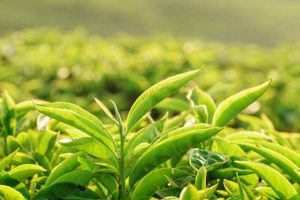
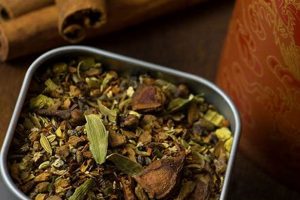
This beverage, originating from South America, is prepared by steeping dried leaves and twigs of the Ilex paraguariensis plant in hot water. It is traditionally consumed from a gourd called a mate, with a metal straw known as a bombilla, which filters out the leaf fragments. The resulting infusion offers a distinct flavor profile often described as earthy and slightly bitter.
Esteemed for its stimulating properties, this beverage contains caffeine, as well as other beneficial compounds such as antioxidants and minerals. It has played a significant cultural role for centuries in countries like Argentina, Uruguay, Paraguay, and Brazil, serving as a social ritual and a source of energy and focus. Historically, it was highly valued by indigenous populations for its medicinal and invigorating qualities.
Further discussion will delve into the preparation methods, potential health impacts, variations in flavor profiles depending on origin and processing, and its place in modern consumption trends. This examination aims to provide a broader understanding of its attributes and considerations for those interested in incorporating it into their lifestyle.
Yerba Mate Herbal Tea
Proper preparation and mindful consumption enhance the experience and maximize the potential benefits associated with yerba mate. Adhering to specific guidelines ensures a palatable beverage and optimizes the intake of its active compounds.
Tip 1: Water Temperature is Crucial: Avoid using boiling water. Water that is too hot can scorch the leaves, resulting in a bitter taste. Aim for a temperature range between 160-180F (70-82C) for optimal flavor extraction.
Tip 2: Curing the Mate Gourd: If using a new mate gourd, curing it is essential. Fill the gourd with used leaves and hot water, allowing it to sit for 24 hours. This process helps seal the pores and impart a more desirable flavor to subsequent brews.
Tip 3: Mountain Technique for Leaf Placement: Before adding water, tilt the gourd to create a ‘mountain’ of leaves on one side, leaving a hollow space on the other. This allows for a gradual extraction of flavor and prevents the bombilla from becoming clogged.
Tip 4: Gradual Water Addition: Pour a small amount of cool water into the hollow space before adding hot water. This pre-infusion helps to awaken the leaves and prevent burning.
Tip 5: Bombilla Placement and Maintenance: Insert the bombilla into the hollow space, pressing it firmly against the side of the gourd. Avoid stirring with the bombilla, as this can disturb the leaf arrangement and introduce sediment.
Tip 6: Controlled Consumption and Awareness of Caffeine Content: Yerba mate contains caffeine and other stimulants. Begin with smaller servings and observe individual tolerance levels to avoid overstimulation or adverse effects. Moderation is key.
Tip 7: Leaf Quality and Storage: Opt for high-quality, sustainably sourced leaves. Store leaves in an airtight container in a cool, dark place to preserve freshness and prevent oxidation.
By adhering to these tips, one can achieve a more enjoyable and beneficial experience with yerba mate. Proper preparation not only enhances the flavor but also maximizes the extraction of beneficial compounds, contributing to a more holistic experience.
Consideration of these factors will allow for a transition into the long-term effects and potential impacts of yerba mate consumption on overall health and wellness.
1. Caffeine Content

The caffeine content of yerba mate is a primary factor influencing its stimulating effects and appeal as an alternative to coffee or other caffeinated beverages. Its presence dictates the beverage’s impact on alertness, focus, and potential physiological responses. The following points outline key facets of caffeine in this context.
- Stimulatory Effects
Caffeine acts as a central nervous system stimulant, reducing fatigue and increasing alertness. The stimulating effects of yerba mate are primarily attributed to its caffeine content. These effects can be beneficial for tasks requiring sustained attention, but they also carry the potential for side effects such as insomnia or anxiety, particularly in sensitive individuals.
- Variability in Concentration
The precise caffeine concentration in yerba mate varies depending on factors such as leaf age, processing methods, and steeping time. Differences in these factors contribute to a range of caffeine levels in the final beverage. Therefore, consumers should be aware that the effects can differ significantly between preparations.
- Comparison to Other Beverages
While yerba mate contains caffeine, the levels typically fall between those found in green tea and coffee. A standard serving may contain between 30-85mg of caffeine, whereas a cup of coffee can range from 95-200mg. This intermediate caffeine level may make it a suitable option for those seeking a moderate stimulant effect.
- Potential Interactions and Considerations
Caffeine in yerba mate may interact with certain medications or pre-existing health conditions. Individuals with anxiety, heart conditions, or those who are pregnant or breastfeeding should consult with a healthcare professional before regular consumption. Awareness of these potential interactions is critical for responsible consumption.
In summary, the caffeine content within yerba mate shapes its primary effects and must be considered in relation to individual tolerance, preparation methods, and overall health considerations. Recognizing the nuances of caffeine concentration allows for informed decisions regarding its incorporation into one’s dietary habits.
2. Antioxidant Properties

Yerba mate contains a significant concentration of antioxidant compounds, primarily polyphenols such as chlorogenic acid and quercetin. These substances function by neutralizing free radicals, unstable molecules that can damage cellular components and contribute to oxidative stress. Oxidative stress is implicated in various chronic diseases, including cardiovascular disease, cancer, and neurodegenerative disorders. Therefore, the antioxidant properties inherent to this herbal infusion may offer protective effects against such conditions. For example, studies have demonstrated that yerba mate extract can inhibit lipid peroxidation, a process where free radicals damage lipids, potentially reducing the risk of atherosclerosis.
The practical significance of understanding the antioxidant properties lies in its potential contribution to overall health and well-being. While not a substitute for medical treatment or a balanced diet, regular consumption of yerba mate, in moderation, may supplement the body’s natural defense mechanisms against oxidative damage. Furthermore, these antioxidant compounds also contribute to the distinctive flavor profile, enhancing the complexity and appeal of the beverage. Recent research indicates that the method of preparation can influence the concentration of antioxidants extracted, highlighting the importance of proper brewing techniques.
In conclusion, the antioxidant properties constitute a vital aspect of yerba mate’s potential benefits. While ongoing research continues to elucidate the full extent of these effects, the evidence suggests that the presence of these compounds plays a substantial role in mitigating oxidative stress. This characteristic, combined with other inherent qualities, contributes to the beverage’s significance as a traditional and contemporary choice. Further research could identify optimized consumption patterns to maximize antioxidant intake.
3. Traditional Preparation

Traditional preparation is inextricably linked to the cultural significance and unique characteristics of yerba mate herbal tea. The ritualistic aspects and specific tools employed contribute significantly to the sensory experience and potential benefits of the beverage. Deviation from these established methods may alter the final product’s qualities.
- The Mate Gourd
The mate gourd, traditionally crafted from the dried, hollowed-out fruit of the Lagenaria siceraria plant, serves as the vessel from which yerba mate is consumed. The gourd’s shape, size, and material influence the temperature and flavor profile of the infusion. Its porous nature imparts subtle nuances, differentiating it from preparations in glass or metal containers. Curing the gourd is crucial, influencing taste during first uses.
- The Bombilla
The bombilla, a specialized metal straw with a filtered end, is essential for separating the infused liquid from the loose leaves. Constructed typically of silver, stainless steel, or alpaca, the bombilla design prevents leaf particles from being ingested, providing a smooth drinking experience. Its presence dictates not only the method of consumption but also the flow and interaction with the steeped leaves.
- The Mountain Technique
The ‘mountain’ technique, involving the arrangement of dried leaves at an angle within the gourd, is paramount. This practice creates a reservoir where the bombilla is inserted, allowing for gradual and efficient extraction of flavor and compounds. This method mitigates the issue of over-infusion and prevents the bombilla from becoming clogged with smaller particles. It allows for subsequent additions of hot water.
- Water Temperature Control
Maintaining the correct water temperature, typically between 160F and 180F (70C and 82C), is crucial. Overly hot water can scald the leaves, resulting in a bitter, astringent flavor profile. Conversely, water that is not hot enough fails to extract the desired compounds, leading to a weaker infusion. Precision in temperature control is a hallmark of traditional preparation.
These multifaceted aspects of traditional preparation represent a convergence of practical considerations and cultural practices. Each element, from the mate gourd itself to the precise temperature of the water, plays a vital role in shaping the sensory experience and influencing the perceived benefits of the infusion. Understanding these nuances provides a deeper appreciation for the ritual and the beverage’s historical significance.
4. Cultural Significance

The cultural significance of yerba mate extends far beyond its simple categorization as a beverage. In South America, particularly in Argentina, Uruguay, Paraguay, and Brazil, it is a deeply ingrained social tradition, a symbol of hospitality, friendship, and shared experiences. Its consumption is woven into the fabric of daily life, acting as a social lubricant and a marker of cultural identity.
- Communal Sharing
Yerba mate is traditionally consumed from a single gourd, passed between individuals in a circle, known as a ronda. This act of sharing signifies trust, camaraderie, and equality. Refusing to participate is often considered impolite, emphasizing the beverage’s role as a vehicle for social connection. The gourd’s journey around the circle promotes conversation and shared moments, strengthening bonds among participants.
- Hospitality and Welcome
Offering yerba mate to guests is a customary gesture of welcome and friendship. The host, known as the cebador, carefully prepares the mate and ensures it is passed to each participant. This act of service demonstrates consideration and respect. Preparing and offering mate is a sign of attentiveness and willingness to engage in meaningful social interaction.
- Symbol of National Identity
In many South American countries, yerba mate is viewed as a symbol of national identity, deeply rooted in the history and traditions of the region. It is often featured in national literature, art, and folklore, representing the values and customs of the people. The consumption of mate transcends mere sustenance; it is an affirmation of cultural heritage and collective identity.
- Daily Ritual and Routine
For many individuals, consuming yerba mate is an integral part of their daily routine, starting from the early morning and continuing throughout the day. It is not simply a casual drink; it is a habitual practice that provides both physical and psychological comfort. This consistent ritual underscores its role as a constant presence in the lives of those who embrace it.
The cultural significance of yerba mate herbal tea is undeniable, shaping social interactions, reinforcing national identity, and providing a daily ritual for countless individuals. Its continued prominence in South American culture serves as a testament to its enduring importance and profound connection to the people who cherish it.
5. Potential Benefits

The purported potential benefits associated with yerba mate are a subject of ongoing scientific inquiry, stemming from its unique composition of bioactive compounds. These benefits, while requiring further validation through rigorous clinical trials, warrant consideration due to their potential impact on health and well-being.
- Enhanced Mental Focus and Cognitive Function
The presence of caffeine, theobromine, and theophylline in yerba mate acts synergistically to promote alertness and improve cognitive function. Unlike caffeine alone, these compounds contribute to a sustained release of energy, reducing the likelihood of jitteriness or a subsequent energy crash. This sustained mental clarity can be advantageous for tasks requiring prolonged concentration or cognitive effort.
- Weight Management Support
Yerba mate may contribute to weight management by influencing appetite regulation, increasing energy expenditure, and promoting fat oxidation. Studies suggest that its consumption can reduce appetite, leading to decreased caloric intake. Additionally, it has been shown to increase metabolic rate and enhance the utilization of fat as an energy source. However, these effects are often modest and should be considered as part of a broader weight management strategy involving diet and exercise.
- Improved Physical Performance
The stimulating properties and antioxidant content of yerba mate may enhance physical performance by reducing perceived exertion and improving muscle recovery. Caffeine’s ergogenic effects can increase endurance and reduce fatigue, while antioxidants help to mitigate muscle damage caused by exercise. This can result in improved athletic performance and faster recovery times following strenuous activity.
- Cardiovascular Health Support
Emerging evidence suggests that yerba mate may positively impact cardiovascular health by improving lipid profiles and reducing blood pressure. Studies have shown that it can lower LDL (“bad”) cholesterol levels and raise HDL (“good”) cholesterol levels. Additionally, some research indicates that it may have a mild blood pressure-lowering effect. However, more research is needed to confirm these findings and determine the optimal dosage and duration of consumption for cardiovascular benefits.
These potential benefits, while promising, should be interpreted with caution and considered in the context of individual health conditions and lifestyle factors. Yerba mate is not a panacea and should not be used as a substitute for conventional medical treatment. Further research is necessary to fully elucidate the mechanisms of action and long-term effects of yerba mate consumption on human health.
6. Flavor Profile
The flavor profile constitutes a defining characteristic of this herbal infusion, influencing consumer preference and dictating its sensory appeal. Its unique taste distinguishes it from other caffeinated beverages and contributes significantly to its cultural significance. An exploration of the contributing factors is essential to fully understand this aspect.
- Bitterness and Astringency
The inherent bitterness and astringency are primarily derived from the presence of tannins and other polyphenolic compounds within the leaves. These compounds interact with taste receptors on the tongue, resulting in a distinct, somewhat puckering sensation. The intensity of bitterness can vary depending on the curing and processing methods employed during production.
- Earthy and Vegetal Notes
Earthy and vegetal notes are often attributed to the natural environment in which the Ilex paraguariensis plant is cultivated. Soil composition, climate, and surrounding vegetation contribute to the overall flavor complexity. These notes are typically more pronounced in traditionally processed leaves compared to commercially produced varieties.
- Subtle Sweetness and Acidity
Despite the prevalent bitterness, subtle hints of sweetness and acidity can be detected, particularly in higher-quality preparations. These nuances provide balance and prevent the flavor profile from becoming overly harsh. The presence of these characteristics can be indicative of careful harvesting and processing techniques.
- Variations Based on Processing
The flavor profile is significantly influenced by the method of processing, including drying, curing, and aging. Air-dried leaves tend to exhibit a lighter, more grassy flavor, while smoke-dried leaves possess a smoky, roasted character. Aging can also impact the taste, mellowing harsh notes and enhancing overall complexity.
These multifaceted elements collectively shape the distinct flavor profile of yerba mate. The interplay between bitterness, earthiness, subtle sweetness, and variations resulting from processing techniques creates a complex and intriguing sensory experience that defines this herbal beverage. Understanding these components allows for a more nuanced appreciation of its characteristics and cultural relevance.
7. Sustainable Sourcing
Sustainable sourcing of yerba mate is increasingly critical to ensuring the long-term viability of its production and mitigating environmental and social impacts. The growing demand for this beverage necessitates responsible practices that protect biodiversity, support local communities, and maintain the health of ecosystems where the plant is cultivated.
- Biodiversity Conservation
Yerba mate is often grown in regions of high biodiversity, such as the Atlantic Forest of South America. Sustainable sourcing involves practices that preserve native flora and fauna, preventing habitat loss and fragmentation. For instance, agroforestry systems, which integrate yerba mate cultivation with native trees, can provide habitat for wildlife and enhance ecosystem resilience. The absence of sustainable practices can lead to deforestation and a reduction in biodiversity.
- Fair Labor Practices
Sustainable sourcing encompasses fair labor practices that ensure equitable treatment of workers involved in the cultivation and harvesting of yerba mate. This includes providing fair wages, safe working conditions, and opportunities for skill development. Exploitation of workers, a common issue in some agricultural sectors, undermines the social dimension of sustainability and perpetuates inequality. Certifications such as Fair Trade can help consumers identify products sourced from suppliers committed to ethical labor practices.
- Reduced Chemical Inputs
Conventional yerba mate cultivation often relies on synthetic fertilizers and pesticides, which can have detrimental effects on soil health, water quality, and human health. Sustainable sourcing emphasizes the use of organic or reduced-input farming methods that minimize chemical use. Practices such as composting, crop rotation, and integrated pest management can enhance soil fertility, reduce pollution, and promote ecosystem health.
- Traceability and Transparency
Sustainable sourcing requires traceability and transparency throughout the supply chain, allowing consumers to understand the origin and production methods of yerba mate. This involves tracking the product from the farm to the consumer, providing information on environmental and social impacts. Transparency empowers consumers to make informed purchasing decisions and supports responsible producers who prioritize sustainability.
In conclusion, sustainable sourcing represents a holistic approach to yerba mate production that considers environmental, social, and economic factors. By prioritizing biodiversity conservation, fair labor practices, reduced chemical inputs, and traceability, the industry can ensure a sustainable supply of this valued beverage while safeguarding the well-being of ecosystems and communities. Consumers play a crucial role in supporting sustainable sourcing through their purchasing choices, driving demand for responsibly produced yerba mate.
Frequently Asked Questions About yerba mate herbal tea
This section addresses common inquiries regarding yerba mate, providing concise answers to enhance understanding of its characteristics and effects.
Question 1: Does yerba mate herbal tea contain more caffeine than coffee?
Yerba mate generally contains less caffeine than coffee. A typical serving of yerba mate contains approximately 30-85 mg of caffeine, while a cup of coffee can range from 95-200 mg or higher. The actual caffeine content varies depending on preparation and leaf variety.
Question 2: Are there any potential side effects associated with yerba mate herbal tea consumption?
Excessive consumption of yerba mate can lead to side effects such as insomnia, anxiety, increased heart rate, and digestive issues due to its caffeine content. Long-term, excessive consumption has been linked to an increased risk of certain cancers in some studies. Moderation is advised.
Question 3: Can yerba mate herbal tea interact with medications?
Yerba mate can potentially interact with certain medications, including anticoagulants, antidepressants, and stimulants, due to its caffeine and other compounds. It is recommended to consult with a healthcare professional before consuming yerba mate regularly, especially when taking prescription medications.
Question 4: Is yerba mate herbal tea safe for pregnant or breastfeeding women?
Pregnant or breastfeeding women should exercise caution when consuming yerba mate due to its caffeine content. High caffeine intake during pregnancy has been linked to adverse outcomes. Moderation is advised, and consultation with a healthcare provider is recommended.
Question 5: What is the best way to prepare yerba mate herbal tea for optimal flavor and health benefits?
Optimal preparation involves using water heated to between 160-180F (70-82C), employing the ‘mountain’ technique to arrange the leaves in the gourd, and avoiding stirring with the bombilla. This method allows for a gradual extraction of flavor and prevents bitterness.
Question 6: How does yerba mate herbal tea compare to green tea in terms of health benefits?
Both yerba mate and green tea offer antioxidant benefits due to their polyphenol content. Yerba mate contains a unique combination of antioxidants, while green tea is rich in catechins. The choice between the two depends on individual preference and tolerance to caffeine, as yerba mate typically has a higher caffeine content than green tea.
These answers offer a foundational understanding of yerba mate. Further investigation into specific concerns is encouraged for personalized information.
The subsequent section will address the role of yerba mate in various diets and lifestyle choices.
In Conclusion
This exploration has detailed various aspects of yerba mate herbal tea, encompassing its traditional preparation, cultural significance, potential health benefits, flavor profile, and the importance of sustainable sourcing. The analysis of caffeine content and antioxidant properties provided insight into its physiological effects. The examination of preparation methods clarified best practices for optimal consumption.
The continued study of yerba mate herbal tea warrants further investigation, particularly regarding long-term health impacts and optimization of sustainable practices. Its cultural role and potential benefits suggest its ongoing relevance in a global context. Individuals are encouraged to consider the information presented and consult with relevant professionals before incorporating it into their lifestyle.