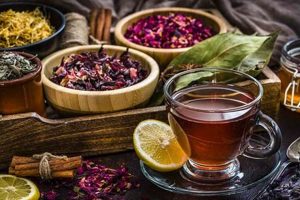
Certain plant-derived infusions are considered suitable for consumption during gestation. These beverages, prepared by steeping dried or fresh botanicals in hot water, offer an alternative to caffeinated drinks. For example, infusions made from ginger or peppermint are often used to alleviate morning sickness symptoms.
Appropriate use of these botanical drinks provides a means of maintaining hydration and potentially addressing common pregnancy discomforts. Historically, various cultures have relied on plant-based remedies to support maternal well-being, passing down knowledge regarding which plants are generally recognized as safe for pregnant individuals.
The following discussion will explore specific botanical infusions generally regarded as acceptable choices during pregnancy, while also highlighting those that should be avoided due to potential risks, as well as emphasizing the importance of consulting with a healthcare professional.
Guidance on Selecting and Consuming Botanical Infusions During Gestation
Careful consideration is required when choosing plant-based beverages during pregnancy. The following guidance offers insights into making informed decisions regarding appropriate consumption.
Tip 1: Prioritize Consultation. Always seek the advice of a qualified healthcare provider or registered herbalist before incorporating any new botanical infusion into the diet. Individual health conditions and pregnancy-specific factors can influence safety.
Tip 2: Select Single-Ingredient Infusions. Opt for infusions containing only one identified herb. This allows for better identification of potential allergens or adverse reactions compared to complex blends.
Tip 3: Verify Herb Identity. Ensure accurate identification of the herb. Use reputable sources to obtain dried or fresh herbs, avoiding those of unknown origin or improperly labeled products.
Tip 4: Monitor Dosage. Adhere to recommended serving sizes. Excessive consumption, even of botanicals generally considered safe, could lead to unforeseen effects. Moderate intake is advised.
Tip 5: Observe for Adverse Reactions. Pay close attention to any unusual symptoms following consumption. Discontinue use immediately and consult a healthcare professional if any adverse reactions occur.
Tip 6: Exercise Caution with Certain Herbs. Be aware that certain herbs, such as those containing high concentrations of caffeine or known to stimulate uterine contractions, are typically contraindicated during pregnancy.
Tip 7: Be Mindful of Contamination. Choose herbs from trusted sources to minimize the risk of pesticide contamination or the presence of heavy metals. Organic options are often preferable.
Adhering to these guidelines can assist in minimizing potential risks associated with botanical infusions during pregnancy and promoting informed decision-making.
The subsequent section will delve into specific botanical infusions frequently cited as suitable and unsuitable choices during gestation.
1. Herb Identification

Herb identification is a foundational component of ensuring the suitability of plant-based infusions during pregnancy. Misidentification can lead to the ingestion of botanicals with adverse effects, potentially causing harm to both the pregnant individual and the developing fetus. For instance, mistakenly consuming pennyroyal, known for its abortifacient properties, in place of peppermint could have severe consequences. Therefore, accurate identification is not merely a desirable practice, but an essential prerequisite for safeguarding maternal health.
Several factors contribute to the challenge of accurate herb identification. The visual similarity between different plant species can be deceptive, requiring a thorough understanding of botanical characteristics. Furthermore, common names for herbs can vary regionally, leading to confusion and misinterpretation. To mitigate these risks, individuals should rely on reputable sources for purchasing herbs, such as certified herbalists or established suppliers, and cross-reference information with multiple reliable sources, including botanical guides and scientific literature. Practical application includes careful comparison of physical characteristics (leaf shape, stem structure, flower appearance) with validated images and descriptions.
In conclusion, the capacity to correctly identify herbs constitutes a critical safety measure when considering plant-based infusions during pregnancy. Inadequate identification practices can lead to the consumption of potentially harmful substances, underscoring the importance of thoroughness and diligence. Although challenging, accurate identification minimizes risks and supports informed decision-making, thereby contributing to positive maternal outcomes. Challenges in herb identification emphasize the necessity of consulting with healthcare professionals or qualified herbalists who possess the requisite knowledge and expertise to ensure safe consumption practices.
2. Dosage Awareness

Dosage awareness is a critical component in determining whether a plant-based infusion is appropriate for consumption during pregnancy. While some botanical infusions are generally recognized as safe, excessive intake can lead to adverse effects, potentially jeopardizing maternal and fetal health. The principle of “the dose makes the poison” is particularly relevant in this context. Even seemingly benign substances can exhibit harmful properties at elevated concentrations. Therefore, understanding and adhering to recommended dosage guidelines is essential.
The effects of plant-based infusions vary depending on concentration and individual physiology. Certain herbs, even when deemed suitable in low doses, may exert pharmacological effects that are undesirable during pregnancy, such as uterine stimulation or interference with nutrient absorption. For instance, red raspberry leaf infusion is often used in late pregnancy to prepare the uterus for labor; however, excessive consumption earlier in gestation could, theoretically, induce premature contractions. Furthermore, dosage awareness extends beyond the quantity of infusion consumed; it also encompasses the strength of the brew, which is directly related to the amount of herb used per volume of water. Adhering to established brewing guidelines is, therefore, critical for safety. In practical terms, this means measuring herbs carefully and following recommended steeping times.
In summary, dosage awareness represents a key safeguard in ensuring the responsible use of plant-based infusions during pregnancy. While certain herbs are considered generally safe, unregulated intake can pose potential risks. By adhering to recommended dosage guidelines, pregnant individuals can minimize the likelihood of adverse effects and promote maternal well-being. Challenges lie in the potential variability of herbal products and individual sensitivities, underscoring the need for consultation with healthcare professionals. Considering the complexity of herbal remedies and maternal health, rigorous adherence to dosage parameters constitutes a vital aspect of responsible consumption.
3. Potential Risks

The consumption of plant-based infusions during pregnancy necessitates careful evaluation of potential risks. Although certain herbs are widely perceived as safe, the inherent variability in plant composition and individual physiological responses introduces the possibility of adverse effects. A comprehensive understanding of these risks is crucial for making informed decisions regarding their use.
- Teratogenic Effects
Certain herbs contain compounds with the potential to induce teratogenic effects, disrupting fetal development and leading to congenital abnormalities. For instance, herbs containing high levels of thujone, such as wormwood, are contraindicated due to their known neurotoxic and potentially teratogenic properties. The risk is exacerbated by the fact that not all herbal constituents are fully characterized, and some may exert unforeseen effects on the developing fetus.
- Uterine Stimulation
Some herbs possess properties that stimulate uterine contractions, which could potentially lead to premature labor or miscarriage. Examples include herbs traditionally used as emmenagogues, such as blue cohosh, which can trigger uterine activity. The risk is heightened by individual sensitivity and the stage of pregnancy; what might be relatively benign in late pregnancy could be detrimental in the first trimester.
- Herb-Drug Interactions
Plant-based infusions can interact with prescription medications, altering their efficacy or increasing the risk of side effects. For example, St. John’s Wort, though not typically considered safe during pregnancy, is a potent inducer of certain liver enzymes, potentially reducing the effectiveness of medications metabolized by those enzymes. Such interactions can complicate medical management and potentially compromise maternal health.
- Contamination
Herbal products are susceptible to contamination with heavy metals, pesticides, or other environmental toxins, posing a risk to both the pregnant individual and the fetus. Sourcing herbs from reputable suppliers who adhere to stringent quality control measures is essential to mitigate this risk. Organic certification can provide an added layer of assurance regarding the absence of synthetic pesticides.
These potential risks underscore the importance of consulting with qualified healthcare professionals before consuming any plant-based infusions during pregnancy. The perceived safety of an herb does not guarantee its suitability for all individuals or circumstances. Thorough risk assessment and informed decision-making are paramount to safeguarding maternal and fetal health.
4. Professional Guidance

The selection and consumption of plant-based infusions during pregnancy necessitates informed decision-making. Professional guidance plays a critical role in navigating the complexities of herbal safety and ensuring the well-being of both the pregnant individual and the developing fetus. The following points highlight key aspects of this vital support system.
- Individualized Risk Assessment
Healthcare providers conduct thorough evaluations of an individual’s medical history, current health status, and specific pregnancy factors to identify potential risks associated with particular herbs. This personalized approach allows for tailored recommendations, minimizing the likelihood of adverse reactions. For example, a woman with a history of bleeding disorders may be advised to avoid herbs with anticoagulant properties.
- Evidence-Based Recommendations
Qualified professionals possess the knowledge to interpret scientific literature and provide recommendations based on the available evidence. They can differentiate between unsubstantiated claims and findings supported by rigorous research. This expertise is crucial in avoiding herbs with limited safety data or those associated with adverse pregnancy outcomes. A registered herbalist, for instance, can access and interpret research on specific herbal constituents and their potential effects.
- Herb-Drug Interaction Monitoring
Healthcare providers are trained to identify potential interactions between plant-based infusions and prescribed medications. They can assess whether consuming a particular herb might interfere with the efficacy of a medication or increase the risk of side effects. For example, a physician would be aware that certain herbs can affect the metabolism of commonly prescribed drugs, requiring dosage adjustments or alternative treatment options.
- Dosage and Safety Counseling
Professionals provide guidance on appropriate dosages, preparation methods, and safe consumption practices. They can advise on the optimal strength of infusions, the duration of use, and potential signs of adverse reactions. This counseling empowers pregnant individuals to use plant-based infusions responsibly and minimize potential harm. A midwife, for instance, might advise on the appropriate use of red raspberry leaf tea in late pregnancy, emphasizing moderation and monitoring for any signs of uterine irritability.
These facets of professional guidance underscore its importance in ensuring the safe and appropriate use of botanical infusions during pregnancy. Seeking the advice of qualified healthcare providers and registered herbalists is crucial for making informed decisions and mitigating potential risks, thereby promoting optimal maternal and fetal health. The availability of such guidance represents a significant resource for pregnant individuals seeking natural alternatives to conventional treatments, enabling them to make choices aligned with their individual needs and circumstances.
5. Source Reliability
The reliability of the source from which herbal products are obtained is directly correlated with the safety profile of those products during pregnancy. The absence of stringent quality control measures and transparent sourcing practices can introduce significant risks, impacting both maternal and fetal health. Therefore, careful evaluation of source reliability is paramount when considering consumption of plant-based infusions during gestation.
- Reputable Suppliers
Established suppliers with a proven track record of adhering to quality standards are crucial. These suppliers typically implement testing protocols to detect contaminants, verify species identity, and ensure consistent potency. For example, companies that hold certifications such as Good Manufacturing Practices (GMP) demonstrate a commitment to quality control, reducing the likelihood of adulteration or misidentification. Purchasing from such suppliers mitigates the risk of exposure to harmful substances or ineffective products.
- Transparent Sourcing Practices
Transparency regarding the origin of herbs allows for a more informed assessment of potential environmental contaminants or unethical harvesting practices. Knowing where the herbs were grown, how they were processed, and whether they were sustainably harvested can provide valuable insights into their overall quality and safety. For instance, herbs sourced from regions with high levels of industrial pollution may be more likely to contain heavy metals, posing a risk to pregnant individuals.
- Third-Party Testing and Certification
Independent laboratories can provide unbiased assessments of herbal product quality, verifying species identity and testing for contaminants such as pesticides, heavy metals, and microbial pathogens. Products that have undergone third-party testing and bear certifications from reputable organizations offer a higher degree of assurance regarding their safety and purity. The United States Pharmacopeia (USP) verification program, for example, tests supplements to ensure they contain the ingredients listed on the label in the declared potency and that they meet established quality standards.
- Accurate Labeling and Product Information
Clear and accurate labeling provides essential information about the herb, its origin, recommended dosage, and potential contraindications. Products with vague or incomplete labeling should be approached with caution, as they may indicate a lack of quality control or transparency. For example, a product label that fails to list all ingredients or provide adequate warnings about potential interactions with medications raises concerns about the manufacturer’s commitment to consumer safety.
These facets of source reliability directly influence the safety of herbal products consumed during pregnancy. Choosing herbs from reputable suppliers with transparent sourcing practices, third-party testing, and accurate labeling is essential for minimizing potential risks and promoting positive maternal outcomes. The due diligence invested in verifying source reliability is a critical step in ensuring that the intended benefits of plant-based infusions are not outweighed by potential harm.
Frequently Asked Questions
The following frequently asked questions provide essential information regarding the consumption of plant-based infusions during pregnancy, addressing common concerns and misconceptions.
Question 1: Are all herbal teas safe for consumption during pregnancy?
No, not all plant-based infusions are suitable for consumption during pregnancy. Certain herbs contain compounds that may be harmful to the developing fetus or pose risks to the pregnant individual.
Question 2: How can one determine if a specific herbal tea is safe during pregnancy?
Consultation with a qualified healthcare provider or registered herbalist is crucial. These professionals can provide individualized recommendations based on medical history and pregnancy-specific factors.
Question 3: What are some examples of herbal teas generally considered safe during pregnancy?
Infusions made from ginger, peppermint, and red raspberry leaf (in the later stages of pregnancy and with professional guidance) are often cited as acceptable choices. However, moderation is always advisable.
Question 4: What are some examples of herbal teas that should be avoided during pregnancy?
Infusions containing herbs such as pennyroyal, wormwood, and blue cohosh are generally contraindicated due to potential risks, including uterine stimulation and teratogenic effects.
Question 5: Is organic herbal tea inherently safer than non-organic options during pregnancy?
Organic certification reduces the likelihood of pesticide contamination; however, it does not guarantee the safety of all herbs. Careful selection and professional guidance remain essential.
Question 6: Can herbal teas interact with medications during pregnancy?
Yes, plant-based infusions can potentially interact with prescription medications. It is imperative to inform healthcare providers of all herbal products being consumed to monitor for potential interactions.
Key takeaways include the importance of professional guidance, informed selection, and moderation when considering plant-based infusions during pregnancy. The perceived natural origin of an herb does not guarantee its safety for all individuals or circumstances.
The subsequent section will address common misconceptions surrounding plant-based infusions and pregnancy.
Conclusion
The preceding discourse has explored the critical factors surrounding herbal tea safe for pregnancy. Key points emphasized include the necessity of accurate herb identification, dosage awareness, understanding potential risks, seeking professional guidance, and ensuring source reliability. These elements collectively contribute to responsible decision-making concerning the utilization of plant-based infusions during gestation.
The information presented underscores that the perception of a substance as “natural” does not automatically equate to safety, particularly during pregnancy. Further investigation and vigilance are warranted. Pregnant individuals are strongly urged to consult with qualified healthcare providers or registered herbalists before incorporating any new plant-based infusions into their dietary regimen, prioritizing evidence-based practices and personalized risk assessments for optimal maternal and fetal well-being.