Certain botanical infusions have been traditionally used to alleviate digestive discomfort. These beverages, prepared by steeping various dried plants in hot water, are often consumed for their purported ability to reduce flatulence and bloating. Chamomile, peppermint, and ginger are common examples of plants utilized for this purpose, offering a natural approach to managing intestinal distress.
The value of these plant-based remedies lies in their potential to soothe the digestive system and promote healthy gut function. Historically, cultures worldwide have incorporated these preparations into their healthcare practices, recognizing their calming and carminative properties. The appeal stems from a desire for gentle, accessible solutions to common digestive issues, utilizing ingredients derived from nature.
The following sections will explore specific types of botanical infusions known for their potential to aid digestion, examine the mechanisms by which they may provide relief, and discuss considerations for their appropriate use. Further investigation into the properties of these plant-derived beverages is warranted for a comprehensive understanding of their effects.
Guidelines for Employing Botanical Infusions to Mitigate Flatulence
The judicious use of specific botanical preparations can contribute to managing excessive intestinal gas. These guidelines provide a structured approach to incorporating such infusions into a dietary regimen.
Tip 1: Identify Trigger Foods: Before initiating any herbal remedy, pinpoint dietary components that exacerbate gas production. Common culprits include beans, cruciferous vegetables, and dairy products. Modifying intake can significantly reduce flatulence.
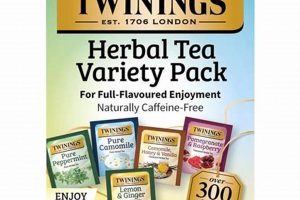
Tip 2: Select Appropriate Herbs: Research the properties of various herbs. Peppermint, ginger, chamomile, and fennel are frequently cited for their carminative and antispasmodic effects. Choose an herb based on individual symptoms and preferences.
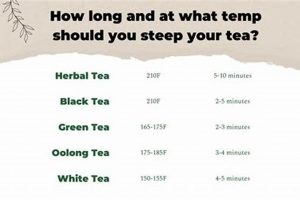
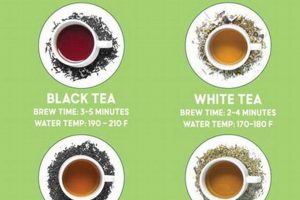
Tip 3: Prepare Infusion Correctly: Adhere to recommended steeping times and water temperatures. Over-steeping can result in a bitter taste and potentially release undesirable compounds. Consult reliable sources for specific preparation instructions.
Tip 4: Consume at Optimal Times: Ingest the botanical infusion following meals or during periods of digestive discomfort. This allows the active compounds to interact with the digestive system when gas production is most likely to occur.
Tip 5: Monitor Dosage and Frequency: Begin with a small quantity and gradually increase as needed, while carefully observing the body’s response. Excessive consumption of any herb can lead to adverse effects.
Tip 6: Consider Blending Herbs: Combinations of different herbs may provide synergistic effects. For example, a blend of chamomile and peppermint can address both gas and bloating.
Tip 7: Maintain Consistency: Regular consumption is typically required to experience noticeable benefits. Incorporate the botanical infusion into a daily routine for sustained digestive support.
The consistent application of these guidelines, alongside dietary adjustments, can offer a natural and potentially effective strategy for managing excessive intestinal gas and improving digestive comfort.
The following sections will explore further considerations, including potential interactions and contraindications, to ensure the safe and responsible use of botanical infusions.
1. Herb Selection

The efficacy of botanical infusions intended to mitigate intestinal gas hinges critically on informed herb selection. The specific plant chosen dictates the chemical compounds present in the resulting beverage and, consequently, its potential impact on the digestive system. An inappropriate selection may yield no discernible benefit or, in certain instances, exacerbate digestive discomfort. For example, selecting an herb known for its constipating properties would be counterproductive for individuals experiencing gas due to sluggish bowel movements. Instead, herbs with carminative properties are often favored.
Consider the case of peppermint, a frequently recommended herb for gas relief. Peppermint contains menthol, which has demonstrated antispasmodic effects on the intestinal smooth muscle. This action can alleviate cramping and promote the expulsion of gas. In contrast, selecting an herb with primarily astringent qualities would be less effective in addressing the underlying causes of gas production. Similarly, ginger’s selection is often based on its anti-inflammatory and pro-kinetic properties, potentially aiding gastric emptying and reducing bloating. Therefore, a thorough understanding of each herb’s pharmacological actions is crucial for targeted relief.
In summary, the choice of herb is not arbitrary but rather a foundational element in formulating an effective botanical infusion for gas relief. Effective herb selection necessitates considering the specific symptoms and the underlying physiological mechanisms contributing to gas production. A careful selection process, grounded in botanical knowledge, is essential to optimizing the potential benefits of these herbal preparations. Subsequent sections will address additional considerations for effective utilization.
2. Preparation Method

The preparation method employed in creating botanical infusions intended for gas relief significantly impacts the beverage’s efficacy. Variations in steeping time, water temperature, and the use of specific preparation techniques can alter the extraction of bioactive compounds from the herbs, ultimately influencing their therapeutic potential. Therefore, adherence to established guidelines is crucial for maximizing the benefits of these preparations.
- Steeping Time
The duration for which the herb is steeped in hot water directly affects the concentration of extracted compounds. Insufficient steeping may result in a weak infusion lacking the necessary therapeutic constituents. Conversely, excessive steeping can lead to the release of bitter or undesirable compounds, compromising the taste and potentially diminishing the desired effects. The optimal steeping time varies depending on the specific herb, with recommendations typically ranging from 5 to 15 minutes.
- Water Temperature
Water temperature is another critical factor affecting the extraction process. Using water that is too hot can damage delicate compounds and alter their chemical structure, potentially reducing their effectiveness. Conversely, water that is not hot enough may fail to adequately extract the desired constituents from the herb. The ideal temperature typically falls between 200-212F (93-100C) for most dried herbs, although some delicate flowers may require slightly cooler temperatures.
- Herb Quantity
The quantity of herb used in relation to the volume of water directly influences the potency of the infusion. Using too little herb will result in a weak infusion with insufficient active compounds to exert a therapeutic effect. Conversely, using too much herb can lead to an overly concentrated infusion, potentially causing adverse effects. Following recommended ratios is essential for achieving the desired therapeutic concentration.
- Covering the Infusion
Covering the cup or teapot during the steeping process is crucial to prevent the volatile oils from escaping with the steam. These oils, often rich in aromatic and therapeutic compounds, contribute significantly to the overall effectiveness of the botanical infusion. By covering the infusion, these volatile oils are retained, enhancing the potency and aroma of the final beverage.
In summary, the preparation method employed in crafting botanical infusions for gas relief is not merely a procedural step but rather a critical determinant of its therapeutic potential. Proper attention to steeping time, water temperature, herb quantity, and covering the infusion is essential for maximizing the extraction of beneficial compounds and ensuring the desired therapeutic effects are achieved. Deviations from recommended guidelines can compromise the infusion’s efficacy and potentially lead to undesirable outcomes.
3. Dosage Control
Dosage control is a fundamental aspect of utilizing botanical infusions for the management of intestinal gas. The principle governs the balance between therapeutic benefit and potential adverse effects, requiring careful consideration to optimize outcomes and minimize risks associated with these herbal preparations.
- Concentration and Potency
The concentration of active compounds within a botanical infusion is directly proportional to the quantity of herb used during preparation. Higher concentrations may yield more pronounced therapeutic effects, but also increase the likelihood of side effects. Conversely, lower concentrations may prove ineffective in alleviating symptoms. Establishing the optimal balance is crucial for individual response.
- Frequency of Consumption
The frequency with which a botanical infusion is consumed influences the cumulative exposure to its active constituents. Frequent consumption, even at moderate doses, can lead to accumulation of certain compounds in the body, potentially resulting in unintended consequences. Conversely, infrequent consumption may not provide sustained relief from intestinal gas symptoms.
- Individual Variability
Individual physiological differences, such as age, weight, metabolic rate, and pre-existing health conditions, can significantly impact the absorption, distribution, metabolism, and excretion of herbal compounds. These variations necessitate individualized dosage adjustments to account for differing sensitivities and responses. A dosage deemed appropriate for one individual may prove excessive or insufficient for another.
- Potential Interactions
Botanical infusions, like any pharmacologically active substance, can interact with prescription medications, over-the-counter drugs, and other herbal supplements. These interactions can alter the metabolism or effects of either the infusion or the co-administered substance, potentially leading to adverse outcomes. Careful consideration of potential interactions is essential to ensure safety and avoid unintended consequences.
Precise dosage control is paramount to ensure the safe and effective use of botanical infusions for mitigating intestinal gas. A personalized approach, considering factors such as concentration, frequency, individual variability, and potential interactions, is essential to optimize therapeutic outcomes while minimizing the risk of adverse effects. The subsequent sections will explore additional aspects relevant to the responsible utilization of herbal teas.
4. Timing Matters

The temporal aspect of consuming botanical infusions aimed at mitigating intestinal gas significantly influences their effectiveness. This consideration stems from the dynamic nature of digestive processes and the specific mechanisms of action associated with different herbs. The premise is that aligning the consumption of an herbal preparation with the digestive cycle enhances its capacity to alleviate gas-related discomfort.
For instance, ingesting a peppermint infusion immediately following a meal rich in fermentable carbohydrates may prove more beneficial than consuming it hours later. The rationale is that peppermint’s antispasmodic properties can directly address the increased intestinal motility and potential gas production occurring during active digestion. Similarly, chamomile, known for its calming effects, may be most effective when consumed before sleep, potentially reducing nocturnal digestive disturbances and minimizing gas accumulation overnight. In both cases, the temporal relationship between consumption and digestive activity serves as a crucial determinant of efficacy.
Conversely, haphazard or inconsistent timing may diminish the potential benefits. Delaying consumption until significant gas buildup has already occurred may limit the infusion’s ability to provide prompt relief. Furthermore, overlooking the potential for synergistic effects with dietary patterns can compromise outcomes. Therefore, incorporating timing as a key element in the consumption strategy for botanical infusions aimed at addressing intestinal gas is essential for maximizing their therapeutic value.
5. Potential Interactions

The concomitant use of botanical infusions intended for gas reduction alongside pharmaceutical medications or other herbal supplements presents the potential for interactions, which may alter the efficacy or safety of either substance. These interactions stem from various mechanisms, including modulation of drug metabolism, alteration of absorption rates, or additive or synergistic effects on physiological systems. For example, an individual taking warfarin, an anticoagulant medication, should exercise caution when consuming infusions containing chamomile or ginger, as these herbs may possess anticoagulant properties, increasing the risk of bleeding complications. The significance lies in preventing adverse health outcomes through informed decision-making.
Furthermore, certain botanical constituents can interact with enzymes responsible for drug metabolism in the liver, such as the cytochrome P450 (CYP450) enzyme system. For instance, grapefruit juice is well-known for its ability to inhibit CYP3A4, an enzyme responsible for metabolizing numerous medications. While specific botanical infusions may not exert the same degree of CYP3A4 inhibition as grapefruit juice, the potential for interference remains. Individuals taking medications metabolized by CYP450 enzymes should consult with a healthcare professional before incorporating botanical infusions into their regimen. Real-world implications include altered drug concentrations, leading to either therapeutic failure or increased toxicity.
In summary, the consideration of potential interactions is a critical component of the safe and effective utilization of botanical infusions for gas reduction. A thorough understanding of the pharmacological properties of both the herbal constituents and any concomitant medications is essential. The proactive assessment of potential interactions through consultation with a healthcare professional can mitigate the risk of adverse events and optimize therapeutic outcomes, emphasizing the practical significance of this knowledge.
6. Dietary Context

The role of dietary context in relation to the efficacy of botanical infusions for mitigating intestinal gas cannot be overstated. The foods and beverages consumed alongside herbal teas significantly impact the digestive environment, influencing both gas production and the effectiveness of the herbal remedy.
- Fermentable Carbohydrates
The consumption of foods high in fermentable carbohydrates, such as beans, lentils, and certain fruits, provides substrates for intestinal bacteria, leading to gas production through fermentation. Concomitant consumption of such foods with herbal infusions intended to reduce gas may overwhelm the effects of the herbs. Reducing intake of fermentable carbohydrates can significantly enhance the efficacy of the herbal remedy.
- Processed Foods and Additives
Processed foods often contain additives, such as artificial sweeteners and emulsifiers, which can disrupt the gut microbiome and contribute to increased gas production. Consuming these foods in conjunction with herbal infusions may negate the intended benefits of the herbs. Limiting processed food intake and opting for whole, unprocessed foods can improve digestive health and optimize the effects of botanical remedies.
- Hydration Levels
Adequate hydration is essential for proper digestion and the movement of intestinal contents. Dehydration can exacerbate constipation and bloating, potentially increasing gas production. Consuming sufficient water, in addition to herbal infusions, can support optimal digestive function and enhance the efficacy of the herbal remedy.
- Food Sensitivities and Intolerances
Undiagnosed food sensitivities or intolerances, such as lactose intolerance or gluten sensitivity, can contribute to chronic gas and bloating. Consuming trigger foods can negate the benefits of herbal infusions intended to reduce gas. Identifying and avoiding problematic foods is crucial for achieving long-term relief from digestive symptoms, potentially allowing herbal remedies to exert a more pronounced effect.
In summary, the dietary context profoundly influences the effectiveness of botanical infusions for managing intestinal gas. Dietary modifications, such as reducing fermentable carbohydrates, limiting processed foods, maintaining adequate hydration, and addressing food sensitivities, are essential for optimizing the benefits of herbal interventions. These factors underscore the importance of a holistic approach that considers both the herbal remedy and the broader dietary environment. Addressing the root cause of digestive discomfort can potentially reduce the reliance on herbal remedies, as well.
Frequently Asked Questions Regarding Botanical Infusions for Intestinal Gas
The following section addresses common inquiries regarding the use of botanical infusions to manage intestinal gas. The information presented aims to provide clarity and address potential misconceptions surrounding this approach.
Question 1: Are all botanical infusions equally effective for reducing gas?
No, the efficacy of botanical infusions varies significantly depending on the specific herbs utilized. Certain herbs, such as peppermint, ginger, and chamomile, have established reputations for their carminative and antispasmodic properties, while others may offer little to no benefit in alleviating intestinal gas.
Question 2: How long does it typically take to experience relief from gas after consuming a botanical infusion?
The time frame for experiencing relief can vary depending on individual factors, including the severity of gas, the specific herbs used, and individual responsiveness. Some individuals may experience relief within 30 minutes to an hour, while others may require several days of consistent consumption to notice a significant reduction in gas.
Question 3: Can botanical infusions completely eliminate intestinal gas?
Botanical infusions are not a guaranteed cure for intestinal gas, particularly if the underlying cause is related to dietary habits or underlying medical conditions. However, they can provide symptomatic relief by reducing gas production, promoting gas expulsion, and alleviating associated discomfort.
Question 4: Are there any potential side effects associated with consuming botanical infusions for gas?
While generally considered safe, some individuals may experience side effects from botanical infusions, particularly with excessive consumption. Potential side effects can include allergic reactions, digestive upset, and interactions with medications. Individuals with pre-existing health conditions should consult with a healthcare professional before using botanical infusions.
Question 5: Can botanical infusions replace conventional medical treatments for gas?
Botanical infusions are generally not intended to replace conventional medical treatments for gas, particularly if the gas is severe or accompanied by other concerning symptoms. Individuals experiencing persistent or severe gas should seek medical attention to rule out underlying medical conditions.
Question 6: Is it safe to consume botanical infusions during pregnancy or breastfeeding?
The safety of consuming botanical infusions during pregnancy or breastfeeding varies depending on the specific herbs utilized. Some herbs are considered safe, while others may pose risks. Pregnant or breastfeeding individuals should consult with a healthcare professional before using botanical infusions.
In summary, botanical infusions can be a valuable tool for managing intestinal gas, but their efficacy and safety depend on careful herb selection, appropriate preparation, and consideration of individual factors. It is essential to consult with a healthcare professional if gas is severe or persistent, or if there are concerns about potential side effects or interactions.
The next section will delve into the practical application of these botanical infusions.
Conclusion
This exploration has elucidated various facets of utilizing botanical infusions to address intestinal gas. Key aspects include appropriate herb selection, meticulous preparation techniques, vigilant dosage control, strategic timing of consumption, awareness of potential interactions, and the overarching influence of dietary context. The consistent application of these principles is crucial for maximizing therapeutic benefits while mitigating potential risks associated with herbal interventions.
The responsible integration of botanical infusions into a holistic approach toward managing intestinal gas necessitates a commitment to informed decision-making. Individuals should prioritize consulting qualified healthcare professionals to ensure the safe and effective use of these preparations, especially in the presence of pre-existing medical conditions or concurrent medication use. Further research is warranted to fully elucidate the mechanisms of action and optimize the application of botanical infusions in alleviating digestive discomfort.