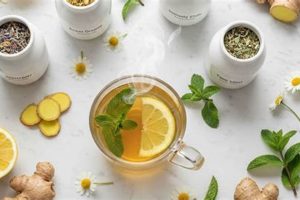
An infusion created from rose petals and other herbs offers a fragrant and flavorful beverage. This beverage blends the natural essence of rose with the beneficial properties of various complementary herbs.
This particular floral-herbal blend is valued not only for its appealing taste and aroma but also for its potential health benefits, ranging from relaxation and stress reduction to antioxidant effects. Historically, roses have been used in traditional medicine practices for a variety of ailments, adding to the blend’s perceived therapeutic value.
The subsequent sections will delve into the specific herbal constituents frequently combined with rose petals, the associated health claims substantiated by research, preparation methods, and potential considerations for consumption.
Rose Herbal Tea
The following recommendations aim to maximize the benefits and enjoyment derived from consuming rose herbal tea.
Tip 1: Source High-Quality Ingredients: Prioritize rose petals and herbs from reputable suppliers to ensure purity and minimize exposure to pesticides or contaminants. Organic options are preferable.
Tip 2: Utilize Proper Brewing Techniques: Steep the petals and herbs in hot, but not boiling, water (approximately 200-212F or 93-100C) for 5-7 minutes. Prolonged steeping can result in a bitter taste.
Tip 3: Explore Complementary Herb Pairings: Experiment with different herbal blends, such as chamomile for relaxation or lavender for sleep, to tailor the beverage’s effects to specific needs.
Tip 4: Consider Hydration Levels: Although beneficial, remember that even floral-herbal infusions contribute to overall fluid intake. Monitor hydration levels and adjust consumption accordingly.
Tip 5: Observe Potential Allergic Reactions: While generally safe, some individuals may be allergic to roses or other herbs. Introduce new blends cautiously and discontinue use if adverse reactions occur.
Tip 6: Moderate Consumption: Consume rose herbal tea in moderation, as excessive intake may lead to unintended side effects, particularly related to specific herbal components.
Tip 7: Time Consumption Strategically: Consume the beverage at different times of day based on the intended effect. For relaxation, consider consumption in the evening; for a refreshing boost, during the afternoon.
Tip 8: Store Properly: Store dried petals and herbs in airtight containers away from direct sunlight and moisture to preserve their flavor and potency.
Adhering to these guidelines allows for a more rewarding and potentially beneficial experience. Thoughtful consideration of ingredient quality, brewing methods, and individual sensitivities ensures optimal enjoyment.
The concluding section will summarize the key aspects of rose herbal tea and offer final thoughts on its role in a balanced lifestyle.
1. Floral Aroma

The floral aroma is an intrinsic and defining characteristic of rose herbal tea. This aromatic quality originates directly from the volatile organic compounds present within rose petals, released during the infusion process. The intensity and nuance of the scent directly impact the overall sensory experience, contributing significantly to the perceived quality and desirability of the beverage. For example, a tea prepared with freshly dried, high-quality petals will exhibit a noticeably more pronounced and complex aroma compared to a tea using older, improperly stored roses.
The aroma influences the perceived flavor profile. The olfactory receptors play a crucial role in taste perception; therefore, the scent of the tea enhances the overall drinking experience. Some research suggests that certain compounds present in rose petals, such as geraniol, may have subtle effects on mood, potentially contributing to the relaxing qualities often associated with the beverage. Furthermore, the aroma acts as a signal, informing the consumer about the tea’s freshness and authenticity. A muted or stale aroma may indicate that the rose petals are past their prime or have been improperly handled, thereby influencing purchasing decisions.
In summary, the floral aroma is not merely an aesthetic attribute but a fundamental aspect of rose herbal tea that affects taste perception, perceived quality, and potentially even its therapeutic value. Understanding this connection allows consumers to better appreciate and evaluate the quality of the tea. Considerations for aroma are integral for producers in sourcing, processing, and storing raw materials to deliver a premium product.
2. Potential Antioxidants

Rose herbal tea inherently contains a spectrum of potential antioxidants, primarily derived from the rose petals themselves. These antioxidants, including polyphenols, anthocyanins, and other flavonoids, function as reducing agents, neutralizing free radicals that contribute to oxidative stress within biological systems. The presence and concentration of these compounds are influenced by various factors, including the rose varietal, cultivation methods, and processing techniques employed during petal preparation. The consumption of beverages rich in antioxidants is associated with mitigating the risk of chronic diseases linked to oxidative damage, such as cardiovascular ailments and certain cancers. For instance, studies have suggested that polyphenols, abundant in some rose varietals, may inhibit LDL oxidation, a key process in the development of atherosclerosis.
The extraction efficiency of these antioxidants during brewing is crucial to realizing their potential benefits. Water temperature, steeping time, and the water-to-petal ratio can significantly impact the concentration of antioxidants present in the final infusion. Longer steeping times, while potentially increasing antioxidant extraction, may also lead to a bitter taste due to the release of tannins. Therefore, an optimal brewing protocol is necessary to balance antioxidant yield and palatability. Furthermore, the combination of rose petals with other antioxidant-rich herbs, such as hibiscus or green tea leaves, can synergistically enhance the overall antioxidant capacity of the beverage.
In summary, the potential antioxidant content of rose herbal tea represents a significant aspect of its purported health benefits. However, the actual bioavailability and efficacy of these antioxidants in vivo require further investigation. While laboratory studies provide preliminary evidence of antioxidant activity, clinical trials are necessary to confirm the health benefits and establish appropriate consumption guidelines. Further research should also focus on optimizing extraction methods to maximize antioxidant yield without compromising taste or palatability.
3. Calming Effects

The association between rose herbal tea and calming effects represents a significant aspect of its consumer appeal. This perceived benefit arises from a complex interplay of physiological and psychological factors influenced by the tea’s constituents and preparation.
- Aromatic Influence on the Nervous System
The scent of rose, due to the presence of volatile compounds like geraniol and citronellol, stimulates the olfactory system. This stimulation, in turn, impacts the limbic system, a brain region associated with emotions and memory. Activation of the limbic system can lead to the release of neurotransmitters, such as serotonin, which have mood-regulating properties. This process contributes to a sense of relaxation and reduced anxiety often reported by consumers of rose-infused beverages. For example, aromatherapy studies have demonstrated that rose essential oil can decrease cortisol levels, a hormone associated with stress.
- Pharmacological Properties of Rose Petals
Rose petals contain various bioactive compounds, including flavonoids and tannins. While the precise mechanisms of action are still under investigation, some research suggests that these compounds may interact with neurotransmitter receptors in the brain. This interaction could potentially modulate neuronal activity, leading to a calming effect. Furthermore, certain flavonoids exhibit antioxidant properties, which may indirectly contribute to relaxation by mitigating oxidative stress that can disrupt neuronal function. The concentration of these compounds varies depending on the rose varietal and preparation methods.
- Ritual and Sensory Experience
The preparation and consumption of herbal tea often involve a ritualistic process that can contribute to a sense of calm and well-being. The act of brewing the tea, observing the color change, and inhaling the aroma can create a mindful experience that promotes relaxation. The warmth of the beverage itself can also have a soothing effect on the body. These sensory aspects, combined with the expectation of relaxation, can enhance the perceived calming effects of rose herbal tea. Cultural associations with tea consumption, particularly in Eastern traditions, further contribute to this perception.
- Placebo Effect and Expectation
The placebo effect, a psychological phenomenon where a perceived benefit arises solely from the belief that a treatment is effective, can play a significant role in the reported calming effects of rose herbal tea. If an individual expects the tea to induce relaxation, this expectation can influence their perception and experience. The power of suggestion, combined with the sensory attributes of the tea, can lead to a tangible reduction in stress and anxiety. This effect underscores the importance of managing consumer expectations through responsible marketing and accurate product descriptions.
In conclusion, the calming effects attributed to rose herbal tea are likely a multifaceted phenomenon stemming from the tea’s aromatic compounds, potential pharmacological properties, the associated ritual of preparation, and the influence of consumer expectations. Understanding these interconnected factors provides a more comprehensive perspective on the beverage’s appeal and perceived benefits.
4. Herbal Blends

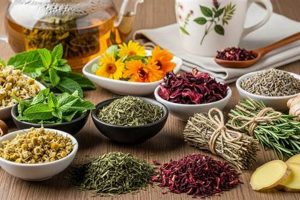
The practice of combining rose petals with other herbs to create a blended infusion represents a pivotal factor in the final characteristics of rose herbal tea. The inclusion of supplemental herbs extends beyond merely altering the flavor profile; it actively modifies the tea’s potential therapeutic properties and sensory attributes. For instance, incorporating chamomile flowers into the rose petal base is intended to amplify the beverage’s relaxing effect, while the addition of hibiscus petals can contribute a tart flavor and increase the overall antioxidant content. Therefore, herbal blends serve as crucial modifiers, allowing for the tailoring of rose herbal tea to specific consumer preferences and desired benefits.
The selection of herbs for blending necessitates careful consideration of potential synergistic or antagonistic effects. Synergistic combinations enhance the overall beneficial effects, while antagonistic combinations may diminish or counteract the desired outcome. A real-life example illustrating this principle is the combination of rose petals with lavender; both herbs possess calming properties, and their co-administration is often reported to result in a more pronounced relaxation effect than either herb used alone. The practical significance of understanding these interactions is that it enables informed decisions regarding blend composition, maximizing the therapeutic potential and minimizing unintended consequences. The ratio of each herb within the blend is equally important, directly influencing the intensity of flavor and the prominence of specific therapeutic effects. For instance, a blend with a higher proportion of peppermint may enhance digestive properties but potentially overshadow the delicate floral notes of the rose.
In conclusion, the utilization of herbal blends in rose herbal tea signifies a complex and multifaceted approach to beverage design. The deliberate selection and proportioning of herbs impact not only the tea’s flavor but also its potential therapeutic benefits, offering a customizable approach to consumer needs. A thorough understanding of herb interactions and their effects on the overall infusion is essential for optimizing the beverage’s qualities and ensuring a consistent and desirable experience. Challenges in this area include the variability in herb quality and the lack of comprehensive scientific data on all possible herbal combinations. Ongoing research and standardized quality control measures are, therefore, crucial for advancing the understanding and application of herbal blends in rose herbal tea.
5. Brewing Methods
Brewing methods exert a profound influence on the ultimate characteristics of rose herbal tea, affecting flavor, aroma, and the extraction of beneficial compounds. The selection of a specific brewing technique is not merely procedural; it represents a critical determinant of the beverage’s quality and potential therapeutic benefits.
- Water Temperature
Water temperature directly impacts the extraction of volatile oils and tannins from rose petals and any accompanying herbs. Excessively hot water, approaching boiling, can scorch delicate petals, resulting in a bitter or astringent taste. Conversely, water that is too cool may fail to adequately release the aromatic compounds and beneficial constituents, leading to a weak and flavorless infusion. The optimal temperature range typically falls between 200-212F (93-100C), allowing for efficient extraction without compromising the delicate flavor profile. The implication of temperature control is that achieving the ideal balance necessitates careful attention to thermometer readings or visual cues, such as observing the formation of small bubbles on the bottom of the kettle.
- Steeping Time
Steeping time dictates the duration of contact between the hot water and the botanical ingredients, directly affecting the concentration of extracted compounds. Insufficient steeping results in a diluted infusion lacking depth of flavor and therapeutic potency. Conversely, prolonged steeping, exceeding the recommended duration, can lead to the over-extraction of tannins, contributing to a bitter and unpleasant taste. The ideal steeping time generally ranges from 5-7 minutes, providing a balance between flavor extraction and palatability. Variations in petal size and herbal composition may necessitate adjustments to this timeframe. For example, finely ground herbs typically require shorter steeping times compared to whole petals.
- Water-to-Petal Ratio
The ratio of water to rose petals and other herbs determines the concentration of the infusion, influencing both the intensity of flavor and the strength of any therapeutic effects. An inadequate amount of botanical material results in a weak and watery tea, while an excessive amount can create an overly concentrated and potentially bitter brew. A general guideline suggests using approximately 1-2 teaspoons of dried rose petals per 8 ounces (240 ml) of water, adjusted according to individual preferences and the specific characteristics of the rose varietal. For potent herbs, such as lavender, a smaller quantity is typically recommended to avoid overpowering the delicate rose flavor.
- Infusion Vessel Material
The material of the infusion vessel can subtly influence the brewing process. Non-reactive materials, such as glass, ceramic, or stainless steel, are generally preferred, as they do not impart unwanted flavors or interact with the tea’s constituents. Avoid using aluminum or plastic vessels, as these materials can leach into the infusion, altering the taste and potentially introducing harmful substances. Furthermore, pre-warming the infusion vessel prior to adding the hot water can help maintain a consistent temperature during steeping, contributing to a more uniform extraction process. The vessel’s design, particularly its shape and lid, can also impact heat retention and aroma preservation.
These facets of brewing methods collectively demonstrate the critical role that technique plays in realizing the full potential of rose herbal tea. Mastery of these parameters allows for the creation of a beverage that is both flavorful and beneficial. Further experimentation with these variables, while adhering to the fundamental principles outlined above, permits customization and the refinement of individual brewing preferences.
6. Sourcing Quality

The quality of rose herbal tea is fundamentally contingent upon the source and quality of its constituent ingredients, primarily the rose petals and any accompanying herbs. The origin, cultivation methods, and post-harvest processing of these ingredients directly influence the tea’s flavor profile, aroma, potential therapeutic benefits, and overall safety. The practice of sourcing high-quality raw materials is not merely an aesthetic consideration but a critical component of producing a premium and healthful beverage.
A significant determinant of quality is the rose varietal itself. Different rose cultivars exhibit varying concentrations of volatile oils, flavonoids, and other bioactive compounds that contribute to the tea’s characteristic flavor and aroma. For example, Damask roses ( Rosa damascena) are highly prized for their intense fragrance and are frequently used in high-end rose products. The cultivation environment also plays a crucial role. Roses grown in organic, pesticide-free environments are less likely to contain harmful residues, ensuring a safer and more wholesome product. Similarly, proper drying and storage techniques are essential for preserving the volatile oils and preventing degradation of the petals. Improperly dried or stored petals can lose their aroma and develop undesirable flavors, compromising the tea’s overall quality.
The impact of sourcing quality extends to ethical and environmental considerations. Sourcing from suppliers who adhere to sustainable farming practices and fair labor standards supports responsible production and minimizes environmental impact. The selection of high-quality, ethically sourced ingredients is, therefore, not just about producing a superior product but also about promoting responsible business practices. Neglecting quality in sourcing can result in a product that is not only inferior in taste and aroma but also potentially harmful due to pesticide residues or other contaminants. Furthermore, it can contribute to unsustainable agricultural practices and unethical labor conditions. The practice of diligent sourcing, therefore, becomes a cornerstone of producing a rose herbal tea that is both enjoyable and ethically sound.
Frequently Asked Questions
The following questions address common inquiries and misconceptions surrounding the preparation, benefits, and consumption of rose herbal tea.
Question 1: What are the primary ingredients in rose herbal tea?
The fundamental component is dried rose petals, often complemented by other herbs. The specific varietal of rose and the inclusion of additional herbs influence the final flavor profile and potential therapeutic properties.
Question 2: How does the brewing method affect the tea’s quality?
Brewing parameters such as water temperature, steeping time, and the water-to-petal ratio significantly impact the extraction of volatile compounds and flavor constituents. Suboptimal brewing can result in a weak or bitter infusion.
Question 3: Does rose herbal tea possess any documented health benefits?
Rose petals contain antioxidants, and anecdotal evidence suggests calming effects. However, comprehensive clinical trials confirming specific health benefits are limited. Further research is necessary.
Question 4: Are there any potential side effects associated with consuming rose herbal tea?
While generally considered safe, some individuals may experience allergic reactions to roses or other herbs in the blend. Excessive consumption could lead to unintended side effects related to specific herbal components.
Question 5: How should rose herbal tea be stored to maintain its quality?
Dried rose petals and herbs should be stored in airtight containers, away from direct sunlight and moisture, to preserve their flavor and potency. Proper storage prevents degradation and maintains freshness.
Question 6: Can rose herbal tea be combined with other beverages or ingredients?
Rose herbal tea can be combined with other herbal teas, citrus fruits, or sweeteners to customize the flavor profile. However, awareness of potential interactions between different ingredients is advised.
In summary, rose herbal tea offers a fragrant and potentially beneficial beverage. However, informed consumption requires consideration of ingredients, brewing methods, and potential side effects.
The subsequent section will explore practical considerations for incorporating rose herbal tea into a balanced lifestyle.
Rose Herbal Tea
This exploration of rose herbal tea has illuminated its core aspects, encompassing sourcing, brewing, potential benefits, and frequently asked questions. Rose herbal tea’s quality and characteristics are defined by varietal selection, careful brewing, and the inclusion of complementary herbs. Potential benefits are related to antioxidant content and calming effects, further research would solidify existing claims.
Ultimately, responsible consumption of rose herbal tea requires critical assessment of both its potential advantages and limitations. Consumers are encouraged to prioritize informed decision-making when integrating this beverage into their dietary habits. Further research into extraction methods will also benefit potential consumers.