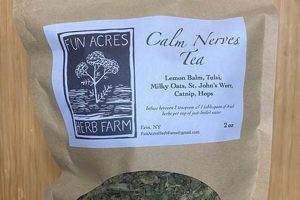
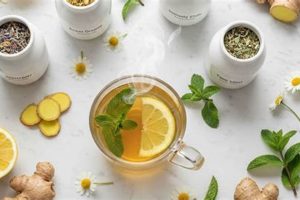
A beverage crafted from infused herbs and a sweetener, this drink offers a departure from traditional caffeinated options. Common examples include blends with chamomile and honey, or peppermint and agave, each providing a distinct flavor profile and potential health-related qualities.
Its significance stems from its versatility as a relaxing alternative to standard teas and coffees. Historically, herbal infusions have been used for medicinal purposes, with the addition of sweeteners making them more palatable. Benefits often associated with these beverages range from aiding digestion to promoting relaxation, depending on the specific herbs used in the combination.
The following sections will explore the diverse range of ingredients, potential health impacts, preparation methods, and the rising popularity of this beverage category within the broader market of functional drinks.
Tips for Enjoying and Preparing Herbal Sweetened Infusions
Maximizing the enjoyment and benefits of these beverages requires careful consideration of ingredients, brewing techniques, and individual preferences. The following tips offer guidance for both novice and experienced enthusiasts.
Tip 1: Select High-Quality Ingredients: The flavor and potential benefits of the beverage are directly influenced by the quality of the herbs used. Opt for dried herbs from reputable sources, ensuring they are stored properly to maintain freshness.
Tip 2: Control Sweetness Levels: Different sweeteners impart unique flavors and have varying impacts on blood sugar levels. Experiment with natural alternatives like honey, agave nectar, or stevia to find a preferred level of sweetness.
Tip 3: Master Brewing Time: Over-steeping herbs can lead to bitterness. Adhere to recommended brewing times for each herb, typically ranging from 3 to 7 minutes, depending on the type.
Tip 4: Consider Water Temperature: The optimal water temperature for herbal infusions is generally just off the boil (around 200-212F or 93-100C). This prevents scalding delicate herbs and ensures proper extraction of flavors and beneficial compounds.
Tip 5: Explore Herbal Combinations: Blending different herbs can create complex flavor profiles and synergistic health benefits. Research compatible pairings and experiment with personal preferences.
Tip 6: Be Mindful of Potential Interactions: Certain herbs can interact with medications or existing health conditions. Consult with a healthcare professional before incorporating significant quantities into a regular diet.
Tip 7: Store Properly: Brewed beverages should be stored in the refrigerator and consumed within 24-48 hours to prevent spoilage.
By following these tips, individuals can enhance their experience with naturally sweetened herbal drinks, maximizing both enjoyment and potential wellness benefits.
The subsequent sections will delve into specific herbal combinations and their applications, furthering understanding of this versatile beverage option.
1. Botanical Ingredients

Botanical ingredients form the foundation of naturally sweetened herbal drinks, determining their flavor, aroma, and potential therapeutic properties. The selection and preparation of these ingredients are critical to the quality and character of the final beverage.
- Herb Selection and Variety
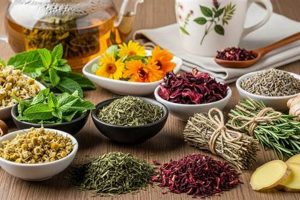
The choice of herbs directly influences the flavor profile. Examples include chamomile for a floral and calming effect, peppermint for a refreshing and digestive aid, and rooibos for an earthy and antioxidant-rich experience. Variety within each herb type further contributes to nuanced flavors.
- Quality and Sourcing
The quality of the herbs significantly impacts the final product. Herbs sourced from reputable suppliers, grown organically, and harvested at optimal times retain more of their volatile oils and beneficial compounds. Proper drying and storage are also essential to preserve quality.
- Extraction Methods
The method of extracting the botanical compounds typically through infusion in hot water affects the concentration and characteristics of the brew. Steeping time, water temperature, and the ratio of herbs to water are key variables. Some methods may also involve decoction (simmering) to extract compounds from tougher plant parts like roots or bark.
- Potential Allergenic Properties
Certain herbs can trigger allergic reactions in susceptible individuals. Common allergens include chamomile, ragweed (often a contaminant in herbal preparations), and various flowers. Careful attention to ingredient labeling and awareness of potential sensitivities are crucial.
These facets demonstrate that botanical ingredients are not merely flavor additives but are the core components, dictating the essence, safety, and potential benefits associated with naturally sweetened herbal drinks. The careful selection, sourcing, preparation, and understanding of potential allergenic properties of these ingredients are paramount for producing a high-quality and beneficial beverage.
2. Sweetener Composition

The sweetener composition is a crucial determinant of the overall character of the beverage, significantly impacting its flavor profile, caloric content, and suitability for individuals with specific dietary requirements. The choice of sweetener influences not only the perceived sweetness but also interacts with the herbal components to either enhance or mask their inherent flavors. For instance, honey, with its distinct floral notes, can complement chamomile or lavender infusions, while agave nectar, with its neutral profile, may be preferred for highlighting the subtle flavors of green rooibos. Furthermore, the type and quantity of sweetener directly affect the beverage’s glycemic index, making it a significant consideration for individuals managing diabetes or seeking to minimize sugar intake. The rising popularity of sugar alternatives like stevia and erythritol reflects an increasing consumer awareness of the impact of sweetener composition on health.
Different sweeteners contribute varying levels of sweetness and possess distinct chemical properties that influence their interaction with the herbal components. Natural sweeteners, such as maple syrup or molasses, introduce complex flavor compounds and minerals, which can create a more nuanced beverage experience but may also alter the color and texture. Artificial sweeteners, while providing minimal caloric contribution, can sometimes impart an aftertaste that detracts from the overall enjoyment. The selection process requires a balance between achieving the desired level of sweetness, complementing the herbal flavors, and considering the potential health implications associated with different sweetener types. Ingredient labeling often highlights the specific sweetener used, allowing consumers to make informed choices based on their preferences and health goals.
In summary, sweetener composition is an integral factor in defining the quality and consumer appeal of herbal beverages. The judicious selection of sweetener types impacts not only the taste and caloric value but also the overall healthfulness and sensory experience. A comprehensive understanding of the interplay between sweetener and herbal ingredients is essential for producers and consumers alike, ensuring that the resulting beverage aligns with both taste preferences and dietary needs. The future of this market segment likely involves ongoing innovation in sweetener technology and a continued emphasis on transparency and consumer education regarding ingredient composition.
3. Brewing Parameters
Brewing parameters exert a profound influence on the final characteristics of this beverage. Water temperature, steeping time, and herb-to-water ratio are critical variables that determine the extraction of flavor compounds and potential therapeutic benefits. Inadequate water temperature may result in under-extraction, yielding a weak and flavorless beverage. Conversely, excessive water temperature can cause the release of bitter compounds, detracting from the desired taste profile. Similarly, steeping time dictates the concentration of extracted compounds; a short steeping time may lead to insufficient flavor, while prolonged steeping can result in an overly bitter or astringent brew. The herb-to-water ratio determines the overall intensity of the beverage, influencing the balance between herbal flavors and sweetness.
For example, brewing chamomile requires a lower water temperature (approximately 170-180F or 77-82C) and a shorter steeping time (3-5 minutes) to avoid extracting bitter compounds that can mask its delicate floral flavor. In contrast, rooibos, a more robust herb, can withstand higher temperatures (around 200-212F or 93-100C) and longer steeping times (5-7 minutes) to fully release its earthy and slightly sweet characteristics. The selection of sweetener further interacts with these parameters; a stronger brew may require a higher concentration of sweetener to achieve the desired balance, while a milder infusion may benefit from a more subtle sweetness. Precise control over these brewing parameters is therefore essential for consistently producing a well-balanced and flavorful beverage.
In summary, meticulous attention to brewing parameters is crucial for optimizing the quality and flavor profile of naturally sweetened herbal drinks. Understanding the specific requirements of different herbs and the interplay between brewing variables allows for consistent production of a beverage that is both enjoyable and potentially beneficial. Challenges remain in standardizing brewing protocols across diverse herbal blends, highlighting the need for continued research and refined brewing techniques. The art of brewing this beverage lies in carefully balancing these parameters to create a harmonious blend of flavor, sweetness, and therapeutic potential.
4. Flavor Profiles

The diverse flavor profiles associated with naturally sweetened herbal infusions are a primary driver of their consumer appeal and market differentiation. These profiles arise from the complex interaction between botanical ingredients and sweeteners, resulting in a broad spectrum of sensory experiences.
- Herbal Component Dominance
The inherent flavor notes of the selected herbs establish the foundational flavor profile. Chamomile imparts a floral and slightly bitter taste, while peppermint provides a refreshing and mentholated sensation. The dominance of specific herbs can be manipulated through blending and varying the herb-to-water ratio during brewing, resulting in a range of intensity from subtle to pronounced herbal characteristics.
- Sweetener Influence and Integration
The choice of sweetener modifies the overall flavor profile through its distinct taste characteristics and interaction with the herbal components. Honey adds a complex sweetness with floral or earthy undertones, whereas agave nectar offers a cleaner, less intrusive sweetness. The integration of sweetener must be carefully balanced to enhance rather than mask the herbal notes, preserving the authentic flavor experience.
- Temperature Dependency of Flavor Perception
The perceived flavor of a beverage can change significantly based on its temperature. Hot infusions tend to accentuate volatile aromatic compounds, enhancing the herbal notes, while chilled beverages often highlight the sweetness and refreshing qualities. Understanding this temperature dependency allows for tailored brewing and serving recommendations to optimize the flavor profile.
- Aromatic Contributions
Aromatic compounds present in the herbs play a critical role in shaping the overall sensory experience. These volatile compounds, released during brewing, contribute significantly to the perceived flavor and evoke specific associations. For instance, the aroma of lavender can induce a calming effect, enhancing the beverage’s appeal as a relaxation aid. Careful handling and brewing techniques are essential to preserve and enhance these aromatic contributions.
In conclusion, the flavor profiles of naturally sweetened herbal infusions are a multifaceted attribute, influenced by the interplay between botanical ingredients, sweeteners, temperature, and aromatic compounds. The ability to create and control these flavor profiles is essential for producing a beverage that is both enjoyable and aligned with consumer preferences. Further exploration of specific herbal combinations and sweetener pairings is necessary to fully unlock the potential of this diverse beverage category.
5. Perceived Benefits

The appeal of naturally sweetened herbal infusions is significantly intertwined with perceived benefits, whether grounded in traditional medicine or contemporary wellness trends. Consumer choices are often influenced by the belief that these beverages offer tangible advantages, ranging from relaxation and stress reduction to digestive support and immune system enhancement. This perception, regardless of definitive scientific validation, drives purchasing decisions and shapes market demand. For instance, beverages containing chamomile are frequently associated with sleep promotion, while those incorporating ginger are thought to alleviate nausea. These associations, whether based on empirical evidence or anecdotal accounts, function as key marketing differentiators.
The importance of perceived benefits lies in their direct impact on consumer satisfaction and brand loyalty. A beverage that not only tastes pleasant but is also believed to contribute positively to well-being creates a stronger connection with consumers. Consider the widespread consumption of peppermint-infused drinks post-meal, driven by the perception that peppermint aids digestion. This association, supported by some scientific studies but largely fueled by traditional use, underscores the power of perceived benefits. Furthermore, the placebo effect can play a substantial role, where the mere belief in a beverage’s efficacy can lead to measurable improvements in subjective symptoms. Understanding these psychological factors is crucial for producers aiming to capitalize on the health and wellness market.
In conclusion, the perceived benefits of naturally sweetened herbal drinks represent a complex interplay of tradition, science, and consumer psychology. While rigorous scientific validation of all purported benefits is often lacking, these perceptions nonetheless exert a profound influence on consumer behavior and market dynamics. Challenges remain in effectively communicating evidence-based benefits without resorting to unsubstantiated claims, highlighting the need for transparency and responsible marketing practices. Ultimately, the continued success of this beverage category hinges on maintaining a balance between appealing flavor profiles and the enduring allure of perceived health advantages.
Frequently Asked Questions
The following addresses common inquiries regarding the nature, preparation, and consumption of beverages categorized as herbal sweet tea. It aims to clarify prevalent misconceptions and provide factual information.
Question 1: Is herbal sweet tea a type of tea?
While colloquially referred to as “tea,” herbal infusions technically are not. True teas are derived from the Camellia sinensis plant. Beverages marketed as herbal sweet tea are concoctions of herbs, spices, and sweeteners, lacking any components of true tea.
Question 2: Does herbal sweet tea contain caffeine?
Generally, no. Unless combined with true tea leaves (black, green, white, oolong), herbal infusions are caffeine-free. It is imperative to examine ingredient lists to confirm the absence of caffeinated additives.
Question 3: Can herbal sweet tea replace water intake?
While it contributes to hydration, relying solely on herbal sweet tea to meet daily fluid requirements is not advisable. The added sweeteners, even natural ones, can contribute to excessive sugar consumption. Water remains the optimal source of hydration.
Question 4: Are all herbal sweet tea blends safe for consumption?
Not necessarily. Certain herbs can interact with medications or exacerbate existing health conditions. Pregnant or breastfeeding individuals, as well as those with allergies, should exercise caution and consult with a healthcare professional before consuming unfamiliar herbal blends.
Question 5: How should herbal sweet tea be stored?
Brewed infusions should be refrigerated and consumed within 24-48 hours to prevent bacterial growth. Dried herbs should be stored in airtight containers away from direct sunlight and moisture to preserve their potency and flavor.
Question 6: Can herbal sweet tea be sweetened with artificial sweeteners?
While possible, the use of artificial sweeteners alters the composition and may detract from the perceived “natural” qualities of the beverage. The impact of artificial sweeteners on long-term health remains a subject of ongoing research and debate.
In summation, while herbal sweet tea offers a flavorful and potentially healthful alternative to caffeinated beverages, informed consumption is essential. Awareness of ingredients, potential interactions, and appropriate preparation methods is paramount.
The following section will explore the market trends and consumer preferences shaping the demand for this beverage category.
Conclusion
This exploration of herbal sweet tea has illuminated its multifaceted nature, encompassing botanical diversity, sweetener selection, brewing techniques, flavor profiles, and perceived benefits. The analysis reveals that this beverage category extends beyond a simple thirst quencher, representing a complex interplay of factors influencing its quality, appeal, and potential impact on consumer well-being.
The future of herbal sweet tea lies in continuous refinement and responsible innovation. Producers and consumers alike must prioritize informed choices, considering ingredient sourcing, preparation methods, and potential health implications. Further research is warranted to substantiate claimed benefits and ensure the safety and efficacy of various herbal combinations, solidifying its position as a viable and beneficial beverage option.