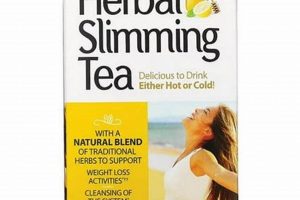
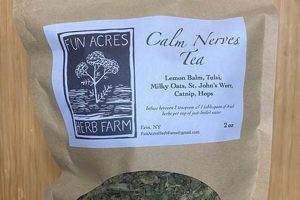
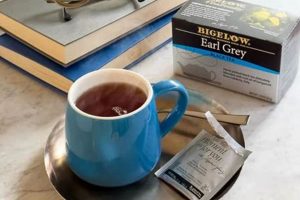
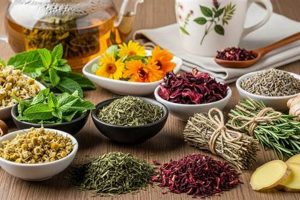
The inquiry into the presence of a stimulant within infusions made from herbs is a common one. Typically, beverages categorized as herbal infusions, tisanes, or herbal teas are crafted using dried fruits, flowers, herbs, spices, and other botanical elements. An example includes chamomile tea, known for its calming properties, or peppermint tea, often consumed for its digestive benefits.
Understanding the composition of these drinks is important for individuals sensitive to stimulants or those seeking to avoid them for health or lifestyle reasons. Many choose herbal alternatives precisely because they offer a caffeine-free option, promoting relaxation or aiding sleep. Historically, these infusions have been valued for their medicinal properties and served as a gentler alternative to caffeinated beverages like coffee or black tea.
Therefore, the subsequent sections will delve into the specific botanical sources used in crafting these beverages and discuss factors that may influence the presence or absence of stimulants in various herbal preparations. This information will provide clarity regarding potential sources of caffeine and guide informed choices about beverage consumption.
Considerations Regarding Stimulant Content in Herbal Infusions
The following points address crucial factors when assessing if a given herbal tea contains stimulants. Careful attention to these aspects will aid in informed beverage selection.
Tip 1: Verify Botanical Composition: Scrutinize the ingredient list of the product. True herbal teas derive solely from herbs, spices, flowers, and fruits. The inclusion of Camellia sinensis (tea plant) indicates the presence of caffeine.
Tip 2: Differentiate Between “Tea” and “Herbal Infusion”: The term “tea” is often loosely applied. Verify if the product is genuinely a herbal infusion, not a blend containing black, green, white, or oolong tea all of which naturally contain caffeine.
Tip 3: Be Aware of Blends: Even if the primary ingredient is an herb, certain blends may incorporate sources of caffeine. Read the label thoroughly to identify any added tea leaves, guaran, or other stimulants.
Tip 4: Research Individual Ingredients: Some less common herbal ingredients may possess stimulating properties. Research unfamiliar components to ascertain their effects before consumption.
Tip 5: Consult Product Descriptions: Reputable manufacturers typically specify whether their herbal teas are caffeine-free. Consult the product description or website for accurate information.
Tip 6: Check for Certifications: Look for certifications indicating that the product has been tested and verified to be caffeine-free. This can provide an added layer of assurance.
Tip 7: Be Mindful of Preparation Methods: While preparation methods do not introduce caffeine, over-steeping may intensify the flavor and perceived effects of any naturally occurring compounds present.
These guidelines emphasize the importance of diligence in understanding the contents of herbal infusions. Prioritizing ingredient awareness and product verification enables informed consumption choices.
The subsequent section will provide a concluding overview of the key considerations discussed, reinforcing the central points for ensuring informed beverage selection.
1. Botanical Origin

The botanical origin of a beverage marketed as “herbal tea” directly dictates its potential stimulant content. Beverages derived solely from herbs, flowers, fruits, and spices are, by definition, caffeine-free. Conversely, the inclusion of any part of the Camellia sinensis plant inherently introduces caffeine.
- True Herbal Infusions
True herbal infusions originate from plant sources other than the Camellia sinensis. Examples include chamomile (derived from Matricaria chamomilla), peppermint ( Mentha piperita), and rooibos ( Aspalathus linearis). These plants do not naturally produce caffeine, thus infusions made exclusively from them are caffeine-free.
- Camellia sinensis Varieties
Beverages labeled as “tea” (black, green, white, oolong) are all products of the Camellia sinensis plant. Different processing methods result in varying degrees of oxidation and flavor profiles, but all these varieties inherently contain caffeine. If an herbal tea blend includes any of these, caffeine will be present.
- Potential Contaminants and Blends
While a product may claim a primary herbal origin, potential contamination or deliberate blending with Camellia sinensis or other stimulant-containing plants (like guarana) must be considered. Thorough inspection of the ingredient list is essential to confirm a purely herbal composition.
- Geographical and Cultivation Factors
While the species of plant is the primary determinant, geographical origin and cultivation practices do not inherently introduce caffeine to non- Camellia sinensis plants. However, quality control issues in harvesting or processing could potentially lead to cross-contamination with caffeinated plants.
Therefore, verifying the botanical origin, as indicated by the ingredient list, is the first critical step in determining if a given “herbal tea” truly lacks caffeine. Consumers seeking to avoid caffeine should prioritize single-ingredient herbal infusions or carefully examine blends to ensure the absence of Camellia sinensis and other stimulating additives. Failure to verify the plant origin can result in unintended caffeine consumption.
2. Camellia sinensis presence
The presence of Camellia sinensis, the plant from which true teas originate, fundamentally determines whether a beverage marketed as herbal tea contains caffeine. Its inclusion introduces caffeine, regardless of other herbal ingredients.
- Defining True Tea
Camellia sinensis encompasses black, green, white, oolong, and pu-erh teas. If a product labeled as herbal tea contains any of these, it is not solely an herbal infusion and will contain caffeine. The degree of caffeine may vary based on the specific tea type and processing method.
- Blend Deception
Products may deceptively market themselves as herbal while incorporating Camellia sinensis. Ingredient lists must be meticulously examined to identify the presence of tea leaves. Terms such as “green tea extract” or “black tea powder” indicate caffeine content despite other herbal ingredients.
- Caffeine Source Quantification
The amount of Camellia sinensis included directly influences the caffeine level. Teas closer to pure Camellia sinensis will have a higher concentration than herbal blends with minimal tea leaf additions. Understanding the ratio of Camellia sinensis to other ingredients offers insight into the relative caffeine content.
- Consumer Awareness Imperative
Consumer vigilance is crucial. Reliance solely on marketing claims can be misleading. Ingredient verification remains the most reliable method for determining if Camellia sinensis is present. Individuals sensitive to caffeine or seeking to avoid it entirely must prioritize ingredient list examination.
In summary, the detection of Camellia sinensis within a purportedly herbal tea necessitates the acknowledgement of caffeine presence. Accurate identification requires careful scrutiny of ingredient lists and a critical assessment of marketing claims. Consumers should recognize that the inclusion of any part of the Camellia sinensis plant invariably introduces caffeine, regardless of the other ingredients present.
3. Ingredient Transparency
Ingredient transparency is a critical determinant in accurately assessing the caffeine content of herbal teas. Clear, comprehensive labeling practices are essential for consumers seeking to avoid or monitor stimulant intake, allowing them to make informed decisions about beverage choices.
- Detailed Ingredient Listing
A detailed listing of all components, including both scientific and common names, is crucial. This enables consumers to identify potential sources of caffeine, such as Camellia sinensis (tea leaves), even when disguised within blends under less familiar terms. Lack of specificity obscures the true composition and hinders informed decision-making.
- Quantified Ingredient Percentages
Providing percentage breakdowns of each ingredient offers further clarity. Knowing the relative proportion of caffeinated components within a blend allows consumers to gauge the likely caffeine level. For example, a blend listing Camellia sinensis at 5% indicates a lower caffeine content compared to a blend listing it at 50%.
- Explicit Caffeine Declarations
Beyond listing ingredients, explicitly stating the presence or absence of caffeine and, if present, quantifying its concentration in milligrams per serving significantly enhances transparency. This proactive disclosure eliminates ambiguity and simplifies the selection process for caffeine-sensitive individuals.
- Clear Allergen and Additive Information
Comprehensive labeling should also include information regarding potential allergens and additives, as these can influence consumers’ purchasing decisions beyond caffeine considerations. Clear labeling of ingredients beyond the primary herbs enables consumers to make informed choices based on other dietary or health requirements.
The level of ingredient transparency directly impacts the ability of individuals to determine if an herbal tea contains caffeine. Vague or incomplete labeling practices impede informed decision-making, while comprehensive and explicit disclosures empower consumers to select beverages aligned with their desired stimulant intake levels. Therefore, regulatory standards and manufacturer commitments to transparency are paramount in facilitating informed choices regarding herbal tea consumption.
4. Blends Composition

The composition of blended herbal teas is a crucial factor in determining the presence or absence of caffeine. While single-ingredient herbal infusions are inherently caffeine-free, blends introduce complexity and potential for caffeine inclusion. The addition of Camellia sinensis (tea leaves) to an otherwise herbal mixture directly introduces caffeine, making blend composition a primary determinant. For instance, a blend marketed as “Relaxation Tea” may contain chamomile and lavender, but the inclusion of even a small percentage of green tea leaves transforms it into a caffeinated beverage. Therefore, scrutinizing the ingredients list of a blend becomes essential in ascertaining whether the product is genuinely caffeine-free.
The prevalence of blends necessitates careful evaluation. Many commercially available herbal teas are not single-ingredient products but rather mixtures designed to achieve specific flavor profiles or therapeutic effects. Manufacturers may incorporate caffeinated ingredients to enhance perceived energy levels or improve taste. Examples include the addition of yerba mate or guarana, both natural sources of caffeine, to herbal blends marketed for their invigorating properties. Without thorough examination of the ingredient list, consumers may unknowingly ingest caffeine, undermining their intention of selecting a caffeine-free beverage. The lack of transparency in labeling practices in some regions further complicates the matter, emphasizing the need for consumer awareness and diligence.
In conclusion, the careful assessment of blend composition is fundamental to determining if a product contains caffeine. While the presence of Camellia sinensis is a clear indicator, other less obvious caffeine sources may be incorporated. Consumers seeking caffeine-free alternatives must prioritize the examination of ingredient lists and remain vigilant regarding the potential for misleading marketing practices. This critical approach ensures informed choices and avoids unintended caffeine consumption when selecting blended herbal teas.
5. Stimulating Herbs

The presence of stimulating herbs within a beverage dictates whether that herbal tea contains a stimulant compound, specifically caffeine or caffeine-like substances. While the Camellia sinensis plant is the most recognized source, certain other botanicals possess inherent stimulating properties. The inclusion of these botanicals in an herbal tea formulation can result in effects similar to caffeine, even if Camellia sinensis is absent. Guarana, for instance, contains caffeine, while yerba mate contains related stimulants like theobromine and theophylline. These compounds affect the central nervous system, leading to increased alertness and reduced fatigue. The deliberate or inadvertent incorporation of these stimulating herbs fundamentally alters the physiological effects of the beverage.
The selection of herbal teas requires careful consideration of ingredients beyond just the absence of Camellia sinensis. Product labeling often provides information regarding the inclusion of stimulating herbs, but consumers must be familiar with the common names of these botanicals to make informed choices. For example, a tea blend marketed for energy enhancement might incorporate guarana, ginseng, or kola nut. Ginseng, while not containing caffeine, is considered an adaptogen and can provide a stimulating effect through other mechanisms. Kola nut contains caffeine and may be added to herbal teas to enhance its flavor and energizing qualities. Awareness of these ingredients allows individuals sensitive to stimulants to avoid unwanted effects and choose herbal teas aligned with their desired physiological outcome.
In conclusion, the stimulating properties of certain herbs represent a crucial component in the determination of whether an herbal tea contains a stimulant compound. Beyond the obvious presence of Camellia sinensis, consumers must be cognizant of the potential for other herbs like guarana, yerba mate, and kola nut to contribute stimulating effects. Accurate ingredient information and proactive consumer knowledge are paramount in making informed choices and ensuring the selection of herbal teas that align with individual preferences and sensitivities. The potential for stimulating effects, irrespective of caffeine content, highlights the complexity of herbal tea composition and necessitates a comprehensive understanding of botanical properties.
6. Manufacturer Information

The relationship between manufacturer information and the caffeine content of herbal tea is direct and significant. Responsible manufacturers provide clear and accurate details regarding product composition, including the presence or absence of caffeine. This information typically appears on product labels, packaging inserts, and company websites. When manufacturers fail to provide adequate information, consumers face difficulty in determining whether the product contains caffeine. For example, if a manufacturer does not explicitly list Camellia sinensis (tea leaves) or other caffeine-containing ingredients like guarana, consumers sensitive to stimulants may inadvertently ingest them.
Detailed manufacturer information is paramount for several reasons. First, it enables consumers to make informed purchasing decisions based on their individual needs and preferences. Second, it supports regulatory compliance with labeling standards that mandate accurate ingredient disclosure. Third, it builds trust and credibility with consumers who rely on manufacturers to provide reliable product details. A real-world example is the voluntary recall of a specific “herbal tea” product after it was discovered to contain undeclared caffeine, illustrating the legal and reputational consequences of inaccurate manufacturer information. Another practical application involves consumers using manufacturer websites to access detailed product specifications and certifications verifying caffeine-free status.
Ultimately, the provision of thorough and truthful manufacturer information is essential for ensuring consumer safety and facilitating informed consumption of herbal teas. Challenges remain, including variations in labeling regulations across different jurisdictions and instances of deceptive marketing practices. However, prioritizing transparency and accuracy in product information remains a critical responsibility for manufacturers, fostering consumer confidence and promoting a marketplace where individuals can confidently choose herbal teas aligned with their dietary needs and health concerns.
7. Certification Verification

Certification verification serves as a crucial process for establishing the absence of caffeine in herbal teas. Third-party certifications, such as those provided by independent testing agencies, offer an objective assessment of a product’s composition. These certifications involve rigorous testing to confirm that the herbal tea meets specific criteria for caffeine content, typically below a predefined threshold considered negligible. The presence of a recognized certification mark on a products packaging offers assurance to consumers seeking caffeine-free options, mitigating the risk of unintended stimulant ingestion. The cause-and-effect relationship is clear: adherence to certification standards results in a reliable indication of caffeine absence. For example, a product bearing the “Caffeine Free” seal from a reputable organization has undergone testing protocols that verify its caffeine content is within acceptable limits. This practical significance allows individuals with caffeine sensitivities or those consciously avoiding stimulants to make informed purchasing decisions.
Furthermore, certification verification addresses potential issues related to mislabeling or cross-contamination during production. Even if a product is formulated without caffeine-containing ingredients, manufacturing processes in shared facilities could inadvertently introduce trace amounts of caffeine. Certification programs often incorporate audits of manufacturing facilities to ensure that proper controls are in place to prevent cross-contamination. The implications of this aspect extend beyond mere caffeine content, impacting product safety and regulatory compliance. Certification also provides a framework for holding manufacturers accountable for their product claims. If a product is found to be mislabeled despite holding a certification, the certifying body can take corrective actions, including revoking the certification and initiating product recalls. These actions incentivize manufacturers to maintain rigorous quality control and adhere to certification standards.
In summary, certification verification plays a vital role in guaranteeing the accuracy of caffeine-free claims for herbal teas. By providing independent testing and auditing, certifications empower consumers to make informed choices and promote transparency in the herbal tea market. While challenges remain, such as the cost of certification and the potential for fraudulent certification marks, the overall benefit of certification verification is to enhance consumer confidence and ensure that herbal teas labeled as caffeine-free genuinely meet that standard. This process not only addresses the direct concern about caffeine intake but also promotes broader principles of product quality and accurate labeling within the herbal tea industry.
Frequently Asked Questions
The following addresses common inquiries regarding the presence of caffeine within herbal tea varieties.
Question 1: What is the primary determinant of caffeine content in herbal tea?
The primary determinant is the presence or absence of Camellia sinensis, the plant from which black, green, white, and oolong teas are derived. If present, the beverage will contain caffeine; if absent, it should not.
Question 2: Can “herbal tea” blends contain caffeine?
Yes, blends may contain caffeine if Camellia sinensis or other caffeine-containing ingredients like guarana are added. Careful review of the ingredient list is essential.
Question 3: Are all ingredients in “herbal tea” naturally caffeine-free?
Not necessarily. While most herbs, flowers, and fruits used in infusions do not contain caffeine, some, such as guarana or yerba mate, are natural sources of this stimulant.
Question 4: How can consumers verify the absence of caffeine in herbal teas?
Consumers should scrutinize ingredient lists, seek certifications from independent testing agencies, and consult manufacturer information regarding caffeine content.
Question 5: Does the term “herbal tea” guarantee a caffeine-free beverage?
No, the term “herbal tea” does not guarantee a caffeine-free beverage. It is imperative to verify the ingredient list to confirm the absence of Camellia sinensis and other caffeine sources.
Question 6: Are there instances where caffeine might be present unintentionally in herbal teas?
Yes, potential cross-contamination during manufacturing processes can introduce trace amounts of caffeine, though certified products mitigate this risk.
The critical takeaway is that ingredient list verification remains the most reliable method for determining if an herbal tea contains caffeine. Do not solely rely on marketing claims or product names.
The subsequent section will provide a concluding summary of the critical points discussed.
Conclusion
The investigation into whether herbal tea contains caffeine necessitates a comprehensive understanding of botanical sources, blend compositions, and manufacturing practices. Verification of ingredient lists, assessment of certification marks, and scrutiny of manufacturer information are essential steps in determining the presence or absence of this stimulant. While true herbal infusions, derived solely from herbs, flowers, and fruits, are inherently caffeine-free, blends incorporating Camellia sinensis or other stimulating botanicals, such as guarana, introduce caffeine content. The accuracy of product labeling and transparency in manufacturing processes directly impact consumers’ ability to make informed decisions.
The informed selection of herbal teas requires diligence and a critical evaluation of available information. Consumers prioritizing caffeine avoidance must actively engage in verifying product composition. This proactive approach ensures that beverage choices align with individual health needs and preferences, mitigating the risk of unintended stimulant consumption and fostering a marketplace where transparency and accurate labeling are paramount. The continued emphasis on clear ingredient disclosure and robust certification standards remains vital for promoting consumer confidence in the herbal tea industry.