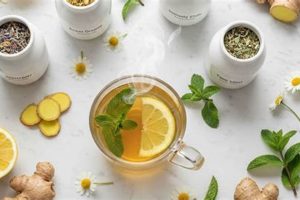
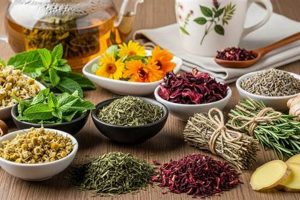
The process of creating a beverage from infused herbs, spices, flowers, or other plant materials in hot water is the central subject. This involves selecting plant components, preparing them for infusion, steeping them in heated water for a specific duration, and then straining the liquid to remove the solid particles, resulting in a flavorful and aromatic drink.
Crafting such beverages offers a natural approach to wellness, providing potential health benefits derived from the chosen plant ingredients. Historically, many cultures have relied upon these infusions for medicinal and therapeutic purposes, leveraging the inherent properties of plants to address various ailments and promote overall health.
This exploration will cover sourcing and preparing plant materials, the various methods of infusion, techniques for optimizing flavor extraction, and considerations for safety and storage. A deeper understanding of these aspects allows one to tailor herbal infusions to personal preferences and potentially harness their inherent benefits.
Essential Considerations for Herbal Infusion Creation
The subsequent guidelines aim to enhance the process of producing herbal infusions, ensuring optimal flavor extraction and maximizing potential benefits through informed practices.
Tip 1: Plant Material Selection: Opt for organically grown or wildcrafted herbs whenever feasible. This reduces exposure to pesticides and ensures a purer final product. Consider the specific properties of each herb to align the infusion with desired outcomes.
Tip 2: Preparation is Paramount: Thoroughly clean fresh herbs to remove any dirt or debris. For dried herbs, consider gently crushing them before infusion to increase the surface area exposed to the hot water, thereby enhancing flavor release.
Tip 3: Water Temperature Matters: Boiling water can scorch delicate herbs, leading to a bitter taste. Aim for a water temperature between 170-200F (77-93C) for most herbal infusions. Lower temperatures are recommended for floral and leafy herbs.
Tip 4: Steeping Time Optimization: The ideal steeping time varies depending on the herb. Generally, 5-10 minutes is sufficient for leafy herbs, while roots and barks may require up to 20 minutes. Experimentation allows for fine-tuning the flavor profile.
Tip 5: Covered Infusion: Cover the container during steeping to prevent volatile oils, which contain aromatic and therapeutic compounds, from escaping. This helps retain the herb’s full potential.
Tip 6: Straining Technique: Use a fine-mesh strainer or cheesecloth to remove all plant matter from the infusion. This results in a clearer, more palatable beverage.
Tip 7: Storage Considerations: Store leftover herbal infusions in the refrigerator for up to 24 hours. Consume promptly to maintain freshness and flavor. Note that certain infusions may darken or develop sediment over time.
Adhering to these principles supports the production of superior herbal infusions, yielding both enjoyable and potentially beneficial beverages. Consistency in application results in a more predictable and controllable final product.
This groundwork provides a framework for more advanced experimentation and allows for customization of the beverage to align with specific taste preferences and desired health benefits.
1. Ingredients Selection

The selection of ingredients fundamentally dictates the character, flavor profile, and potential therapeutic properties of the resultant herbal infusion. It represents the initial and arguably most crucial step in the crafting process, influencing all subsequent stages.
- Herb Sourcing and Quality
The origin and quality of herbs significantly impact the final product. Organically grown or wildcrafted herbs minimize exposure to pesticides and herbicides, yielding a purer infusion. Fresh herbs generally offer more vibrant flavors and higher concentrations of volatile oils compared to older, dried specimens. Employing reputable suppliers ensures consistent quality and accurate identification of plant species.
- Understanding Plant Properties
Each herb possesses a unique chemical composition that contributes to its distinct flavor and potential health benefits. Researching the properties of various herbs enables informed choices based on desired outcomes. For example, chamomile is often selected for its calming properties, while peppermint is favored for its digestive benefits. A comprehensive understanding of plant properties allows for the creation of infusions tailored to specific needs.
- Combination and Synergy
Blending multiple herbs can create complex flavor profiles and potentially synergistic effects. Combining herbs with complementary properties can enhance their overall benefits. Careful consideration should be given to the proportions of each herb to achieve the desired balance of flavor and therapeutic effect. Researching established herbal formulas provides insights into effective combinations.
- Safety Considerations
It is imperative to ensure that all selected herbs are safe for consumption, particularly for individuals with allergies, pre-existing medical conditions, or those taking prescription medications. Certain herbs may interact negatively with certain medications or exacerbate certain health conditions. Consulting with a qualified healthcare professional or herbalist is recommended before incorporating new herbs into one’s regimen.
The deliberate and informed selection of ingredients is paramount to producing a safe, flavorful, and potentially beneficial herbal infusion. A thorough understanding of herb sourcing, properties, combination possibilities, and safety considerations empowers individuals to craft infusions tailored to their individual needs and preferences, directly influencing the effectiveness of the crafting process.
2. Water Temperature

Water temperature exerts a significant influence on the extraction of flavors and bioactive compounds during herbal infusion. Its precise control is essential for achieving a desired taste profile and maximizing potential therapeutic effects, thereby impacting the overall quality of the resulting beverage.
- Impact on Volatile Oils
Volatile oils, responsible for the aroma and some of the therapeutic properties of herbs, are sensitive to heat. Excessively high temperatures can cause these oils to evaporate, resulting in a less aromatic and potentially less beneficial infusion. Conversely, insufficient heat may not adequately release these compounds. Maintaining an optimal temperature range is crucial for preserving volatile oil content.
- Extraction of Tannins
Tannins, naturally occurring plant compounds, contribute to the astringency and bitterness of an infusion. High water temperatures can accelerate the extraction of tannins, leading to an overly bitter and unpleasant taste. Lowering the temperature can mitigate tannin extraction, resulting in a smoother and more palatable beverage. The desired level of astringency influences the water temperature used.
- Cell Wall Rupture and Compound Release
Heat facilitates the rupture of plant cell walls, enabling the release of intracellular compounds into the water. The rate of cell wall rupture is directly proportional to temperature. However, excessively high temperatures can denature certain compounds, rendering them ineffective or altering their flavor. Optimizing water temperature ensures efficient compound release without causing degradation.
- Differential Extraction Based on Herb Type
Different types of herbs require different water temperatures for optimal extraction. Delicate floral herbs, such as chamomile, benefit from lower temperatures (around 170F or 77C) to prevent scorching and preserve their delicate flavors. Hardier roots and barks, such as ginger or cinnamon, can withstand higher temperatures (around 200F or 93C) to facilitate thorough extraction of their compounds. Understanding the specific requirements of each herb is crucial for achieving optimal results.
The precise correlation between water temperature and the type of herb being infused dictates the final characteristics of the beverage. Careful temperature regulation optimizes the extraction process, resulting in a more flavorful, aromatic, and potentially therapeutic herbal infusion. The selection of the appropriate temperature is not arbitrary but rather a critical factor in achieving the desired outcome.
3. Steeping Duration

Steeping duration, the length of time herbs are immersed in hot water, critically determines the concentration of extracted compounds, influencing the taste, aroma, and therapeutic potential of an herbal infusion. Precise management of this variable is integral to achieving a balanced and effective final product.
- Chemical Compound Extraction Rate
The rate at which different chemical compounds are extracted from herbs varies. Initial steeping primarily releases volatile oils and lighter flavor components. Prolonged steeping extracts heavier compounds, such as tannins, which can contribute to bitterness and astringency. Monitoring steeping time allows for targeted extraction of desirable compounds while minimizing the release of undesirable ones. Example: Over-steeping green tea results in excessive tannin extraction, leading to a bitter taste.
- Herb Density and Form Factor
The density and form factor of the herbs directly correlate with the required steeping duration. Denser plant materials, such as roots and barks, typically require longer steeping times to facilitate complete extraction. Finely ground herbs, conversely, require shorter steeping times due to their increased surface area. Properly adjusting steeping duration based on herb characteristics ensures optimal compound extraction. Example: Coarsely chopped ginger root needs a longer steeping time than finely ground ginger powder.
- Water Temperature Influence
Water temperature and steeping duration are interconnected variables. Higher water temperatures accelerate the extraction process, potentially requiring shorter steeping times. Lower water temperatures necessitate longer steeping times to achieve comparable extraction levels. Maintaining an appropriate balance between temperature and duration is crucial for preserving flavor and maximizing therapeutic potential. Example: Cold-brewed herbal infusions require significantly longer steeping times (several hours) compared to hot infusions.
- Impact on Flavor Profile
Steeping duration fundamentally shapes the flavor profile of the final infusion. Short steeping times yield lighter, more delicate flavors, while extended steeping times result in stronger, more pronounced flavors. Over-steeping can lead to bitterness or an unbalanced taste. Adjusting steeping time allows for fine-tuning the flavor profile to personal preferences. Example: A brief steeping of lavender flowers produces a subtle floral aroma, whereas a longer steep yields a more intense and potentially overpowering flavor.
Ultimately, steeping duration represents a critical control point in herbal infusion creation. Careful consideration of herb type, form factor, water temperature, and desired flavor profile enables precise adjustment of steeping time, maximizing the potential of the resulting beverage. The informed manipulation of this parameter is key to consistently producing high-quality herbal infusions.
4. Strain Thoroughly

Thorough straining represents a critical final step in the preparation of herbal infusions, directly impacting the palatability and aesthetic quality of the final product. It involves separating the liquid infusion from the solid plant material, preventing unwanted textures and flavors from detracting from the overall experience.
- Removal of Particulate Matter
The primary purpose of thorough straining is to eliminate small particles of plant matter that may remain suspended in the liquid. These particles can create a gritty or cloudy appearance, detracting from the visual appeal of the infusion. Furthermore, they may contribute to an undesirable mouthfeel, affecting the overall drinking experience. The effective removal of particulate matter enhances the clarity and smoothness of the beverage.
- Prevention of Over-Steeping Consequences
Even after the desired steeping duration, residual plant material continues to release compounds into the liquid. These compounds, particularly tannins, can lead to an increasingly bitter and astringent flavor profile over time. Prompt and thorough straining halts this process, preventing the infusion from becoming unpleasantly bitter. This step is crucial for maintaining the intended flavor balance of the beverage.
- Elimination of Potential Irritants
Certain plant materials, even when finely divided, can cause irritation to the throat or digestive system in sensitive individuals. Thorough straining removes these potential irritants, making the infusion more palatable and easier to digest. This is particularly important for infusions containing herbs with known irritant properties. Example: The fine hairs on rosehips can be irritating if not properly strained.
- Enhancement of Storage Stability
Residual plant material can accelerate the degradation of an herbal infusion during storage. Enzymes present in the plant matter may continue to react with the liquid, altering its flavor, color, and aroma. Thorough straining removes this source of degradation, prolonging the shelf life of the infusion. Example: Unstrained infusions tend to develop sediment and off-flavors more quickly than strained ones.
The practice of straining thoroughly contributes significantly to the overall quality of the final beverage. By removing particulate matter, preventing over-steeping, eliminating potential irritants, and enhancing storage stability, this step ensures a more enjoyable and consistent herbal infusion experience. Its careful execution is essential for maximizing the potential benefits of crafting this beverage.
5. Storage Methods
Effective storage methods are paramount to preserving the quality and potency of herbal infusions crafted at home. Improper storage can lead to degradation of flavor, loss of therapeutic benefits, and even spoilage, rendering the efforts expended in creating the infusion futile.
- Container Selection
The choice of storage container significantly impacts the longevity of an herbal infusion. Opt for airtight, opaque glass containers to minimize exposure to light and oxygen, both of which can accelerate degradation. Clear containers should be stored in dark locations. Avoid plastic containers, as they can leach chemicals into the infusion and may not provide an adequate barrier against oxygen permeation. Properly sealed glass jars or bottles offer a superior storage environment. Example: A dark amber glass bottle with a tight-fitting lid provides optimal protection for light-sensitive herbal infusions.
- Temperature Control
Elevated temperatures promote the breakdown of volatile compounds and accelerate microbial growth. Herbal infusions should be stored in a cool, dry place, ideally in the refrigerator. Refrigeration slows down chemical reactions and inhibits the growth of microorganisms, extending the shelf life of the infusion. Room temperature storage is acceptable for short periods, but refrigeration is recommended for long-term preservation. Example: Storing a chamomile infusion in the refrigerator can extend its shelf life to several days, whereas storing it at room temperature may result in spoilage within 24 hours.
- Duration and Degradation Indicators
Herbal infusions are generally best consumed within 24-48 hours, even when stored properly. Over time, they can lose their flavor, aroma, and therapeutic potency. Visual indicators of degradation include changes in color, cloudiness, or the formation of sediment. Off-odors or flavors are indicative of spoilage and render the infusion unsafe for consumption. Regular sensory assessment allows for timely identification of degradation. Example: A peppermint infusion that has turned brown and developed a sour odor should be discarded.
- Preparation Before Storage
Prior to storage, ensuring the infusion is free from particulate matter through thorough straining minimizes the potential for microbial growth. Residual plant material provides a substrate for microorganisms to thrive, accelerating spoilage. Additionally, ensuring that storage containers are clean and sterilized further reduces the risk of contamination. Proper preparation before storage significantly contributes to the preservation of the infusion’s quality. Example: Rinsing a storage bottle with boiling water before adding the herbal infusion helps to eliminate potential contaminants.
Applying appropriate storage methods safeguards the investment of time and resources involved in crafting herbal infusions. Selecting appropriate containers, controlling temperature, monitoring duration, and ensuring proper preparation are integral to preserving the flavor, aroma, and therapeutic benefits of the final product. These practices ensure that the infusion remains a palatable and beneficial beverage for as long as possible.
6. Health Benefits
The connection between health benefits and herbal infusion creation lies in the direct transference of plant-derived bioactive compounds into a consumable liquid form. The method of preparation, “how to make your own herbal tea,” directly influences the extraction and preservation of these compounds, thereby determining the potential therapeutic value of the resultant beverage. Improper techniques can degrade or fail to extract beneficial constituents, diminishing or negating potential health outcomes. For example, brewing chamomile at too high a temperature can destroy volatile oils responsible for its calming effects, reducing its efficacy as a sleep aid.
The importance of understanding health benefits as a component of herbal infusion creation stems from the capacity to tailor the beverage to specific wellness goals. Knowledge of the individual properties of various herbs allows for the deliberate selection of ingredients with targeted therapeutic effects. Real-life examples include individuals using peppermint infusions to alleviate digestive discomfort or ginger infusions to reduce nausea. This proactive approach necessitates a clear understanding of both the desired health outcome and the properties of the herbs used to achieve it.
In summary, the act of crafting herbal infusions is intrinsically linked to the potential for health benefits. By understanding the properties of herbs and applying appropriate preparation techniques, one can create beverages that support specific wellness goals. However, challenges remain in ensuring consistent potency and accurate dosage due to variations in plant quality and extraction efficiency. Ongoing research and standardized preparation methods are crucial for maximizing the therapeutic potential of these beverages and ensuring their safe and effective use.
Frequently Asked Questions
The following questions address common concerns and misconceptions surrounding the preparation of herbal infusions, providing clarification and guidance for optimal results.
Question 1: Is specialized equipment required to create herbal infusions?
Specialized equipment is not strictly necessary, though it can enhance convenience. Essential items include a heat source, a vessel for steeping (e.g., teapot, saucepan), and a strainer. Optional items such as a thermometer for precise temperature control or specialized tea infusers may be employed based on individual preferences.
Question 2: What measures should be taken to ensure the safety of self-prepared herbal infusions?
Prior to consumption, verify the identity and safety of all herbs used. Source herbs from reputable suppliers, and research potential interactions with medications or pre-existing health conditions. Consult with a qualified healthcare professional or herbalist for guidance, particularly when using unfamiliar herbs.
Question 3: How can flavor consistency be achieved across multiple batches of the same herbal infusion?
Maintain consistent ratios of herbs to water, precise water temperatures, and standardized steeping times. Accurate measurement of ingredients and diligent adherence to established protocols will improve repeatability. Adjustments to compensate for variations in herb potency may be necessary.
Question 4: Can dried herbs be substituted for fresh herbs, and if so, what adjustments are necessary?
Dried herbs can be substituted for fresh herbs, but adjustments to the quantity are typically required. Dried herbs are generally more concentrated in flavor; therefore, a smaller quantity of dried herbs is typically used in comparison to fresh. A general guideline is to use one-third the amount of dried herbs as fresh herbs, but adjustments may be necessary based on individual taste preferences and herb potency.
Question 5: Is it possible to reuse herbs for a second infusion, and what results can be expected?
Reusing herbs for a second infusion is possible, but the resulting infusion will be weaker in flavor and potentially have diminished therapeutic benefits. The initial steeping extracts the majority of the soluble compounds; subsequent steepings yield a less concentrated beverage. The resulting infusion is often described as subtle and may be used for hydration or as a mild flavoring agent.
Question 6: How should herbal infusions be handled to prevent the growth of bacteria or mold?
Ensure all equipment and containers are thoroughly cleaned before use. Store prepared infusions in the refrigerator to inhibit microbial growth. Consume infusions within 24-48 hours to minimize the risk of spoilage. Discard any infusion that exhibits signs of cloudiness, off-odors, or visible mold growth.
Adhering to best practices in herbal selection, preparation, and storage ensures the creation of safe, palatable, and potentially beneficial herbal infusions.
The subsequent section explores advanced techniques for optimizing flavor and maximizing the therapeutic potential of herbal infusions.
Conclusion
The examination of “how to make your own herbal tea” underscores the complexity inherent in producing a beverage that is both palatable and potentially therapeutic. Precise control over ingredient selection, water temperature, steeping duration, and storage methods are essential determinants of the final product’s quality and effectiveness. The exploration highlights the necessity of informed practices and thorough understanding of plant properties to maximize beneficial outcomes.
Continuous refinement of infusion techniques, coupled with ongoing research into the specific properties of various herbs, holds the potential for creating more consistent, reliable, and effective herbal remedies. A commitment to quality and a willingness to experiment are crucial for harnessing the full potential of this age-old practice. Diligence in sourcing, preparation, and storage provides the foundation for a rewarding and potentially beneficial endeavor.