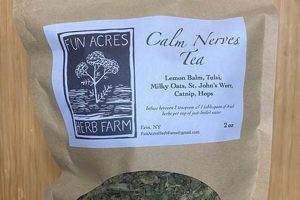
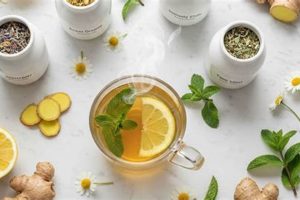
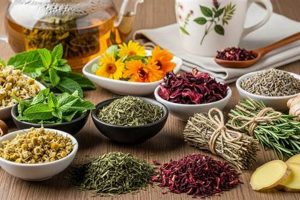
Infusions crafted from dried leaves, herbs, and botanicals offer a diverse range of flavors and potential health benefits. These beverages, often enjoyed hot or cold, are prepared by steeping the plant material in water, allowing its natural compounds to be extracted. Chamomile, peppermint, and rooibos are common examples.
The consumption of these infusions dates back centuries, with various cultures incorporating them into traditional medicine and daily rituals. Their popularity stems from their perceived therapeutic properties, including relaxation, digestive support, and antioxidant effects. Furthermore, many find them to be a caffeine-free alternative to traditional caffeinated beverages.
The following discussion will delve into the specific characteristics of various plant-based infusions, examining their chemical compositions, preparation methods, and potential applications in promoting wellness.
Preparation and Enjoyment Guidelines
Optimizing the experience requires careful attention to several key factors. The following guidelines detail important considerations for preparing and appreciating the beverage.
Tip 1: Water Temperature is Crucial. Employing the correct water temperature is essential for extracting optimal flavor. Boiling water can scorch delicate leaves, resulting in a bitter taste. A temperature range of 170-200F (77-93C) is generally recommended for most varieties. Utilize a thermometer to ensure accuracy.
Tip 2: Steeping Time Impacts Flavor. Varying the steeping time influences the strength and complexity of the beverage. Over-steeping can lead to bitterness, while under-steeping may result in a weak and underdeveloped flavor profile. Adhere to recommended steeping times for each specific botanical, typically ranging from 3 to 7 minutes.
Tip 3: Select High-Quality Ingredients. The quality of the dried botanicals directly affects the final product. Opt for reputable suppliers that prioritize freshness and proper storage. Whole leaf or minimally processed options generally offer a superior flavor compared to finely ground or pre-packaged varieties.
Tip 4: Consider Water Quality. The mineral content and purity of the water used for brewing can impact the taste. Filtered or spring water is generally preferred over tap water, which may contain chlorine or other undesirable elements.
Tip 5: Storage Affects Freshness. Proper storage is vital for preserving the aroma and flavor of the dried botanicals. Store in airtight containers away from direct sunlight, heat, and moisture to prevent degradation.
Tip 6: Experiment with Blends. Combining different botanicals can create unique and complex flavor profiles. Research compatible combinations and experiment with varying ratios to develop personalized blends.
These guidelines facilitate a more nuanced and enjoyable consumption experience, enhancing both the flavor and potential benefits. Attention to these details is paramount for realizing the full potential of each cup.
The subsequent sections will explore specific applications and considerations related to individual botanical varieties.
1. Botanical Diversity

Botanical diversity forms the bedrock of plant-based infusions, directly influencing flavor, chemical composition, and potential therapeutic properties. The expansive array of plant species suitable for infusion creates a spectrum of beverages, each possessing a unique signature derived from its specific phytochemical profile. For example, a tea derived from Mentha piperita (peppermint) will differ significantly from one based on Matricaria chamomilla (chamomile) due to variations in volatile oils and other bioactive compounds. The choice of plant material constitutes a critical decision, shaping the overall sensory experience and perceived health benefits. Limited botanical diversity would restrict the range of available infusions, severely impacting consumer choice and potential therapeutic applications.
The exploration of botanical diversity allows for the discovery of novel plant infusions with unique properties. Research into traditional herbal remedies often uncovers lesser-known plants with significant potential. For instance, the recent rise in popularity of Hibiscus sabdariffa tea highlights the ongoing exploration of botanical resources. Furthermore, the cultivation and sustainable harvesting of diverse plant species contribute to biodiversity conservation and support local economies. Therefore, acknowledging and utilizing botanical diversity is not merely a matter of preference but an integral aspect of sustainable development and holistic health.
In summary, botanical diversity directly determines the characteristics and value of plant-based infusions. Understanding the unique properties of different plant species is essential for both producers and consumers. Challenges remain in identifying and validating the therapeutic claims associated with various botanical sources. Continued research and responsible sourcing are critical for maximizing the benefits and ensuring the long-term sustainability of this diverse resource.
2. Preparation Method

The method employed in preparing plant-based infusions significantly dictates the final product’s characteristics, potency, and palatability. Variations in water temperature, steeping time, and filtration techniques directly influence the extraction of bioactive compounds from the dried botanicals. Suboptimal preparation can result in diminished therapeutic effects or an unpleasant taste, thereby negating the potential benefits. For instance, using excessively hot water with delicate floral varieties may lead to a bitter flavor profile, while insufficient steeping time for more robust herbs may yield a weak and ineffective infusion. The selection of appropriate preparation methods is thus a critical determinant of the overall quality and efficacy of the beverage.
Different plant species necessitate specific preparation protocols to optimize the extraction of desired compounds. Root-based materials often require longer steeping times at higher temperatures compared to leaf or flower-based varieties. Furthermore, the fineness of the plant material influences the rate of extraction; finely ground herbs release their constituents more readily than whole leaves. Understanding these nuances allows for tailored preparation techniques that maximize the potential of each botanical. For example, a decoction, involving simmering plant material in water for an extended period, is commonly used for extracting compounds from tougher plant parts, while a simple infusion, involving steeping in hot water, is typically suitable for more delicate leaves and flowers.
In conclusion, the preparation method is not merely a procedural step but an integral aspect of realizing the full potential of plant-based infusions. A nuanced understanding of the relationship between preparation techniques and botanical properties is essential for both producers and consumers. Further research into optimal preparation parameters for different plant species can enhance the consistency and efficacy of these beverages. Ultimately, careful attention to the preparation method ensures that each cup delivers the desired flavor, aroma, and therapeutic benefits.
3. Flavor Profile

The flavor profile constitutes a critical attribute of plant-based infusions, significantly influencing consumer preference and perceived value. This sensory characteristic arises from a complex interplay of volatile organic compounds, non-volatile substances, and the interaction of these components with the individual’s olfactory and gustatory senses. Understanding the factors that contribute to the flavor profile is essential for optimizing the production, preparation, and enjoyment of these beverages.
- Volatile Compounds and Aroma
Volatile compounds, such as terpenes, aldehydes, and esters, are primarily responsible for the aroma of infusions. These compounds evaporate readily and interact with olfactory receptors, contributing significantly to the perceived flavor. The specific volatile compounds present, and their relative concentrations, vary considerably depending on the plant species, growing conditions, and processing methods. For example, linalool and alpha-pinene contribute to the floral and citrus notes found in lavender and chamomile, respectively, while menthol provides the characteristic cooling sensation of peppermint.
- Non-Volatile Compounds and Taste
Non-volatile compounds, including tannins, flavonoids, and organic acids, contribute to the fundamental taste sensations of infusions, such as bitterness, astringency, sourness, and sweetness. Tannins, for instance, are responsible for the astringent mouthfeel often associated with certain varieties, while flavonoids contribute to both taste and color. The presence and concentration of these compounds vary across different plant sources and influence the overall taste profile. A higher concentration of tannins will yield a more astringent beverage, while a greater abundance of organic acids will result in a more sour taste.
- Impact of Terroir and Cultivation
The concept of terroir, encompassing environmental factors such as soil composition, climate, and altitude, significantly influences the flavor profile of plant-based infusions. Plants grown in different regions, even of the same species, may exhibit distinct flavor characteristics due to variations in the uptake of minerals and the synthesis of secondary metabolites. Similarly, cultivation practices, such as fertilization and irrigation, can affect the plant’s chemical composition and subsequently alter its flavor. Understanding these influences is crucial for ensuring consistent quality and developing region-specific varieties with unique flavor profiles.
- Processing and Storage Considerations
Processing methods, including drying, curing, and roasting, can significantly alter the flavor profile of plant-based infusions. Drying techniques, in particular, influence the retention of volatile compounds and the development of Maillard reaction products, which contribute to roasted or toasted notes. Improper storage conditions, such as exposure to light, heat, or moisture, can lead to degradation of flavor compounds and the development of undesirable off-flavors. Therefore, careful attention to processing and storage is essential for preserving the desirable flavor characteristics and ensuring the long-term quality of the product.
The multifaceted nature of the flavor profile highlights the importance of considering various factors, from botanical selection and cultivation practices to processing and preparation methods. By understanding the complex interplay of these elements, producers and consumers can optimize the sensory experience and appreciate the nuances of different plant-based infusions. Continued research into the chemical composition and sensory perception of these beverages is essential for further enhancing their quality and expanding their application.
4. Potential Benefits

Plant-based infusions are frequently consumed for their perceived health-promoting properties, establishing a direct correlation between their chemical constituents and potential physiological effects. The inherent bioactive compounds within these infusions, such as polyphenols, flavonoids, and terpenes, are implicated in various biological activities, including antioxidant, anti-inflammatory, and antimicrobial effects. The extent and nature of these potential benefits, however, are contingent upon several factors, including the specific botanical source, concentration of active compounds, preparation method, and individual physiological characteristics.
Empirical evidence, derived from both traditional uses and scientific investigations, suggests that specific plant-based infusions may offer targeted benefits. For instance, Matricaria chamomilla (chamomile) is traditionally utilized to promote relaxation and alleviate anxiety, with studies indicating that its constituent apigenin may bind to benzodiazepine receptors in the brain. Similarly, Mentha piperita (peppermint) is often employed to alleviate digestive discomfort, and its active components, such as menthol and menthone, are thought to relax gastrointestinal muscles. The strength of evidence supporting these potential benefits varies, ranging from robust clinical trials to preliminary in vitro studies. It’s crucial to acknowledge that plant-based infusions are not intended to substitute conventional medical treatments and should be considered as complementary approaches to wellness.
Comprehending the potential benefits associated with plant-based infusions necessitates a critical appraisal of available scientific literature and a cautious approach to interpreting claims. While many infusions are generally regarded as safe, potential interactions with medications and adverse effects should be considered. It is advisable to consult with a healthcare professional before incorporating significant quantities of plant-based infusions into one’s diet, particularly for individuals with pre-existing medical conditions or those taking prescription medications. Responsible consumption, coupled with informed decision-making, is paramount in maximizing the potential benefits and minimizing potential risks.
5. Quality Sourcing

The integrity of plant-based infusions hinges significantly on the origin and handling of the constituent botanicals. The practice of securing high-quality raw materials through responsible procurement channels, known as quality sourcing, directly influences the safety, efficacy, and overall sensory experience of the final product.
- Geographical Origin and Terroir
The geographical location where plants are cultivated profoundly impacts their chemical composition and, consequently, the resulting infusion’s quality. Factors such as soil composition, climate, altitude, and rainfall patterns (terroir) contribute to the development of unique flavor profiles and the concentration of bioactive compounds. Sourcing botanicals from regions known for optimal growing conditions and sustainable agricultural practices is crucial for maximizing the potential benefits and minimizing the risk of contamination.
- Cultivation Practices and Sustainable Agriculture
The methods employed in cultivating the plants used in infusions directly impact their quality and environmental sustainability. Organic farming practices, which eschew synthetic pesticides and fertilizers, can minimize the presence of harmful residues and promote biodiversity. Sustainable agricultural practices, such as water conservation and soil management, ensure the long-term viability of botanical resources and mitigate environmental impact. Responsible sourcing involves prioritizing suppliers who adhere to these practices.
- Harvesting and Processing Techniques
The techniques employed in harvesting and processing plant materials significantly affect their integrity and flavor. Proper timing of harvest, gentle handling to minimize damage, and appropriate drying methods are essential for preserving the volatile compounds and preventing spoilage. Rapid and controlled drying, for example, helps to prevent mold growth and maintain the desired color and aroma. Sourcing from suppliers who prioritize careful harvesting and processing techniques is critical for ensuring the quality of the final product.
- Certification and Traceability
Third-party certifications, such as organic or fair-trade labels, provide assurance that products meet specific standards related to environmental sustainability, social responsibility, and quality control. Traceability systems, which allow for tracking the origin and processing history of botanicals, enhance transparency and accountability within the supply chain. Sourcing from suppliers who provide verifiable certifications and traceability information demonstrates a commitment to quality and ethical sourcing practices.
The principles of quality sourcing underpin the production of safe, efficacious, and flavorful plant-based infusions. By prioritizing geographical origin, sustainable cultivation practices, responsible harvesting and processing techniques, and verifiable certifications, producers and consumers can promote both personal well-being and environmental stewardship. Investing in quality sourcing is an investment in the integrity of the product and the long-term sustainability of botanical resources.
Frequently Asked Questions Regarding Plant-Based Infusions
The following section addresses common inquiries and misconceptions concerning plant-derived beverages, offering clarity on their characteristics, applications, and safety considerations.
Question 1: What differentiates a plant-based infusion from traditional caffeinated teas?
Plant-based infusions, unlike traditional teas (e.g., black, green, oolong), are not derived from the Camellia sinensis plant. Consequently, they are typically caffeine-free and offer a wider range of flavors and potential therapeutic properties based on the specific botanical source.
Question 2: Are all plant-based infusions safe for consumption?
While many are generally considered safe, potential risks exist. Certain botanicals may interact with medications, exacerbate pre-existing conditions, or cause allergic reactions. Consultation with a healthcare professional is advised before consuming plant-based infusions regularly, particularly for vulnerable populations.
Question 3: How does water temperature affect the quality of the resulting infusion?
Water temperature significantly influences the extraction of bioactive compounds and the resulting flavor profile. Overly hot water can scorch delicate leaves, leading to bitterness, while insufficiently warm water may result in a weak and underdeveloped flavor. Adhering to recommended temperature guidelines for specific botanicals is crucial.
Question 4: Is there a standardized steeping time for all plant-based infusions?
No uniform steeping time exists. The optimal duration varies depending on the plant species, the desired strength of the infusion, and individual taste preferences. Over-steeping can lead to bitterness, while under-steeping may yield a weak flavor. Following recommended steeping times for each specific botanical is advised.
Question 5: How should plant-based infusions be stored to maintain their quality?
Proper storage is essential for preserving the aroma, flavor, and potency of the dried botanicals. Infusions should be stored in airtight containers, shielded from direct sunlight, heat, and moisture, to prevent degradation of volatile compounds and the development of undesirable flavors.
Question 6: Can plant-based infusions replace conventional medications?
Plant-based infusions are not substitutes for conventional medical treatments. While they may offer complementary health benefits, they should not be used to self-treat serious medical conditions. Consultation with a healthcare professional is essential for appropriate diagnosis and treatment.
In summary, understanding the characteristics, preparation methods, and potential risks associated with plant-based infusions promotes responsible consumption and informed decision-making.
The subsequent section will provide detailed guidelines on selecting and preparing various types of plant-based infusions for optimal flavor and potential health benefits.
Concluding Remarks on Plant-Based Infusions
The preceding exploration of plant-based infusions has underscored their multifaceted nature, encompassing botanical diversity, preparation methods, flavor profiles, potential benefits, and quality sourcing. Attention to these key elements enables a more nuanced understanding of these beverages, moving beyond simple consumption towards informed appreciation.
Continued research into the chemical constituents and therapeutic applications of various plant species remains paramount. Furthermore, responsible sourcing and sustainable agricultural practices are essential for ensuring the long-term availability and integrity of these valuable resources. The informed utilization of plant-based infusions holds promise for promoting wellness and supporting environmentally conscious practices, demanding a continued commitment to both scientific rigor and ethical considerations.