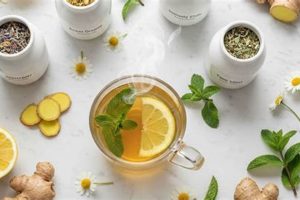
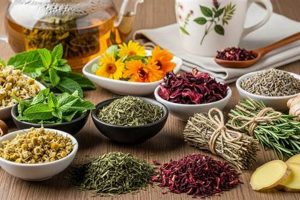
Certain plant-derived infusions are considered complementary therapies for managing the symptoms of a chronic condition affecting the uterine lining. These beverages are prepared by steeping herbs, flowers, roots, or other plant parts in hot water. For instance, chamomile, ginger, and peppermint are commonly utilized for their purported anti-inflammatory and analgesic properties.
The potential benefits of incorporating specific botanical infusions into a holistic health regimen include easing discomfort, reducing inflammation, and promoting relaxation. Historical use of these preparations dates back centuries across various cultures. Evidence supporting their efficacy is often anecdotal and based on traditional medicinal practices, but some components within these preparations have been investigated for their potential therapeutic effects on the condition.
This article explores specific plant-based beverage options, examines available research, and outlines factors to consider before integrating these into a personalized management plan. Furthermore, safety considerations and potential interactions with other medications will be addressed.
Guidance on the Use of Botanical Infusions
The following provides guidelines for those considering the incorporation of plant-based beverages into their regimen. Consult with a healthcare provider for personalized advice before implementing any new strategy.
Tip 1: Prioritize Consultation. Always seek the advice of a qualified healthcare professional or herbalist before initiating use. Individual health conditions and potential interactions with other medications require careful evaluation.
Tip 2: Research Botanical Components. Investigate the properties of each ingredient. Understand potential benefits and contraindications before consumption. Resources include reputable herbal databases and scientific publications.
Tip 3: Opt for Quality Sourcing. Choose certified organic or sustainably sourced herbs. This minimizes exposure to pesticides and ensures higher quality plant material. Reputable suppliers often provide information regarding sourcing and testing.
Tip 4: Observe Preparation Guidelines. Adhere to recommended steeping times and dosages. Over-steeping can release undesirable compounds, while under-steeping may reduce effectiveness. Follow instructions from the supplier or a qualified herbalist.
Tip 5: Monitor for Adverse Reactions. Pay close attention to any changes in health or well-being after initiating use. Discontinue consumption immediately if adverse effects occur and consult with a healthcare provider.
Tip 6: Maintain a Balanced Approach. Recognize that these preparations are often best used as part of a comprehensive management plan. Nutritional optimization, physical activity, and stress reduction techniques are equally important considerations.
Tip 7: Document Progress. Keep a record of consumption, dosage, and perceived effects. This documentation can assist in tracking progress and identifying potential correlations between consumption and symptom management.
These guidelines emphasize the importance of informed decision-making and personalized management. Individual experiences may vary, and results are not guaranteed. Close collaboration with a healthcare professional is crucial for safe and effective integration into a holistic plan.
The subsequent sections will elaborate on specific botanical options and relevant research.
1. Inflammation reduction

Endometriosis, characterized by the growth of endometrial-like tissue outside the uterus, is often associated with chronic inflammation. This inflammatory response contributes significantly to the pain and discomfort experienced by individuals affected by the condition. Specific botanicals possess anti-inflammatory properties that may help to modulate this response. For example, ginger, containing compounds like gingerol, has demonstrated potential in inhibiting the production of pro-inflammatory cytokines. Consequently, the consumption of ginger-infused beverages might aid in reducing the overall inflammatory burden associated with the condition.
The importance of mitigating inflammation within this context is underscored by its impact on disease progression and symptom severity. Chronically elevated levels of inflammatory mediators can contribute to the formation of adhesions and the development of pain sensitization. Therefore, interventions targeting inflammation, such as the judicious use of certain plant-derived infusions, can potentially contribute to improved symptom management and quality of life. However, it is essential to recognize that the magnitude of these effects may vary depending on individual factors and the specific botanical composition of the infusion.
In summary, the connection between inflammation reduction and select plant-derived beverages lies in the inherent anti-inflammatory properties of certain botanicals. While not a standalone cure, these infusions might play a supportive role in managing the inflammatory component of the condition. The efficacy of these approaches is contingent on responsible usage, appropriate selection, and consideration of individual health circumstances, always in consultation with qualified healthcare providers. The role of reducing inflammation is thus a key factor to consider when researching the effectiveness of botanical preparations for symptom relief.
2. Pain alleviation

Endometriosis frequently manifests as chronic pelvic pain, dysmenorrhea, and dyspareunia, significantly impacting the affected individual’s quality of life. The rationale for utilizing plant-derived infusions for pain alleviation stems from the presence of compounds with analgesic and antispasmodic properties in certain herbs. For example, chamomile contains apigenin, which may interact with GABA receptors in the brain, potentially inducing a calming effect and reducing pain perception. Similarly, peppermint is known for its muscle-relaxant properties, which could alleviate cramping and abdominal discomfort often associated with the condition.
The importance of pain alleviation in the context of this condition is substantial. Chronic pain can lead to secondary issues such as anxiety, depression, and sleep disturbances, further compounding the challenges faced by individuals with endometriosis. The potential of botanical infusions to offer a complementary approach to pain management is of practical significance, especially when integrated into a broader, multidisciplinary treatment plan. It is important to note that the efficacy and safety of plant-derived infusions for pain alleviation can vary, with factors such as dosage, preparation methods, and individual sensitivity influencing the outcomes.
In conclusion, while plant-derived infusions should not be considered a primary treatment for endometriosis-related pain, their potential contribution to pain alleviation, through mechanisms such as muscle relaxation and modulation of pain perception, is a factor meriting consideration. The utilization of these infusions requires careful assessment of potential benefits and risks, as well as open communication with healthcare professionals. Ultimately, pain alleviation remains a central goal in the management of endometriosis, and plant-derived infusions may play a supportive role within a comprehensive strategy.
3. Hormonal balance

Endometriosis is recognized as a hormone-dependent condition, influenced significantly by estrogen. Maintaining hormonal equilibrium is therefore a crucial aspect of symptom management. Certain botanical infusions are purported to influence hormonal balance, though the mechanisms and efficacy require careful scrutiny. Some plants contain phytoestrogens, compounds that can weakly bind to estrogen receptors, potentially modulating the effects of endogenous estrogen. The theoretical benefit is that these compounds might compete with the body’s own estrogen, reducing its stimulatory effect on endometrial tissue outside the uterus. However, this mechanism is complex and may vary depending on the specific phytoestrogen, its concentration, and individual factors.
The practical significance of understanding the connection between hormonal balance and plant-derived infusions lies in the potential to complement conventional treatments. For instance, some individuals utilize botanical preparations alongside hormonal therapies, such as oral contraceptives, in an attempt to further regulate hormonal activity and alleviate symptoms. However, it is essential to acknowledge the potential for interactions between botanical compounds and pharmaceutical medications. Furthermore, the effects of phytoestrogens can be biphasic, meaning they may exert different effects depending on the estrogen status of the individual. In cases of estrogen deficiency, phytoestrogens may provide a mild estrogenic effect, while in cases of estrogen excess, they may exert an anti-estrogenic effect. This complexity underscores the importance of individualized assessment and professional guidance.
In conclusion, the relationship between hormonal balance, the condition, and specific plant-derived infusions is intricate and not fully elucidated. While some botanical compounds may possess the potential to influence hormonal activity, the practical implications require careful consideration of individual factors, potential interactions, and the overall hormonal context. These infusions are not a substitute for established medical treatments, and their use should be integrated into a comprehensive management plan under the supervision of qualified healthcare professionals. The regulation of hormonal balance remains a central tenet in the management of this condition, and plant-derived infusions may play a supportive role, contingent on rigorous assessment and responsible usage.
4. Uterine support
Uterine support within the context of managing the condition aims to promote the health and function of the uterus, potentially alleviating symptoms associated with endometriosis. Plant-derived beverages are sometimes considered for their potential to provide such support through various mechanisms. For example, certain herbs are believed to possess properties that can help to tone the uterine muscles, reduce inflammation within the uterus, and improve circulation to the pelvic region. Red raspberry leaf, for instance, is traditionally used to strengthen and tone the uterine muscles, which could theoretically reduce cramping and discomfort.
The importance of providing uterine support when addressing this condition lies in the fact that the uterus itself is directly affected by the disease. Endometrial implants outside the uterus can cause inflammation and scarring within the uterine environment, leading to pain and potentially affecting fertility. By supporting uterine health, the goal is to create a more balanced and favorable environment for the uterus to function optimally. However, it is essential to recognize that the evidence supporting the efficacy of these plant-based approaches for uterine support is often based on traditional use and anecdotal reports rather than rigorous scientific studies. Moreover, some herbs may have contraindications or interact with medications, necessitating careful evaluation and professional guidance.
In conclusion, uterine support is a component of the holistic management of this complex condition, and plant-derived beverages are sometimes employed with the intention of promoting uterine health. While the evidence supporting their efficacy may be limited, the theoretical rationale for their use lies in their potential to tone uterine muscles, reduce inflammation, and improve circulation. The use of such beverages should be approached with caution, with careful consideration of individual circumstances, potential risks, and the integration of these remedies within a comprehensive medical plan. Ultimately, the goal of uterine support is to improve the overall health and function of the uterus, potentially contributing to symptom alleviation and improved quality of life.
5. Antioxidant properties

Endometriosis is frequently associated with increased oxidative stress, an imbalance between the production of free radicals and the body’s ability to neutralize them with antioxidants. This oxidative stress can exacerbate inflammation and contribute to the progression of the disease. Specific botanical components possess antioxidant properties, enabling them to scavenge free radicals and mitigate oxidative damage. The inclusion of these antioxidants in plant-derived beverages represents a potential avenue for supporting cellular health and reducing oxidative stress within the context of managing this condition. For example, green tea contains catechins, powerful antioxidants known for their ability to neutralize free radicals. Likewise, turmeric, often consumed as an infusion, contains curcumin, an antioxidant with anti-inflammatory properties. Regular consumption of such teas may contribute to a reduction in systemic oxidative stress.
The practical significance of understanding this connection lies in the potential for dietary intervention to complement conventional medical treatments. Individuals with endometriosis may benefit from incorporating antioxidant-rich beverages into their daily routines, aiming to reduce oxidative stress and mitigate inflammation. However, it is crucial to recognize that the effectiveness of this approach depends on the bioavailability of the antioxidants, the dosage consumed, and individual variations in metabolism. Furthermore, antioxidants should not be viewed as a standalone treatment for the condition. Instead, they are best integrated into a comprehensive plan that includes medical care, dietary modifications, and lifestyle adjustments. For instance, pairing antioxidant-rich teas with a diet rich in fruits, vegetables, and whole grains can enhance the overall antioxidant capacity of the body.
In conclusion, the relationship between antioxidant properties and plant-derived beverages centers on the potential to reduce oxidative stress associated with endometriosis. While not a cure, the inclusion of antioxidant-rich infusions may contribute to improved cellular health and reduced inflammation. Challenges include ensuring adequate antioxidant intake, considering individual variability, and integrating this approach within a holistic management plan. Further research is warranted to fully elucidate the role of antioxidants in the management of this complex condition, but current understanding suggests that their incorporation into a comprehensive strategy may offer a supportive role.
6. Stress management

Stress, a physiological and psychological response to demanding situations, can exacerbate symptoms of endometriosis. Effective stress management is therefore a crucial component of a comprehensive approach to mitigating the effects of this condition. Certain plant-derived beverages are often cited for their potential to aid in stress reduction, offering a complementary strategy for symptom management.
- Adaptogenic Properties
Adaptogens are substances purported to help the body resist stressors of all kinds, whether physical, chemical, or biological. Some plant-derived beverages contain adaptogenic herbs, such as holy basil (tulsi), which may modulate the body’s stress response by influencing the hypothalamic-pituitary-adrenal (HPA) axis. Regular consumption might support the body’s ability to adapt to stress, potentially reducing the impact of stress on endometriosis symptoms.
- Anxiolytic Effects
Anxiety frequently accompanies chronic pain and discomfort associated with endometriosis. Certain herbs, like chamomile and lavender, are known for their anxiolytic properties. These herbs may exert their effects by interacting with neurotransmitter systems in the brain, promoting relaxation and reducing anxiety levels. In turn, decreased anxiety can help manage the emotional and psychological burden of the condition.
- Sleep Enhancement
Stress can disrupt sleep patterns, which is detrimental to overall health and can worsen endometriosis symptoms. Some plant-derived beverages, such as valerian root tea, possess sedative properties that may promote sleep. Improved sleep quality can contribute to reduced stress levels, enhanced pain tolerance, and improved emotional well-being.
- Mindful Ritual
The act of preparing and consuming a plant-derived beverage can itself serve as a mindful ritual. Taking time to mindfully brew and savor a cup of herbal tea can provide a moment of calm and relaxation, interrupting the cycle of stress and promoting a sense of well-being. This ritualistic aspect can be particularly beneficial for individuals seeking non-pharmacological approaches to stress management.
These facets highlight the potential of incorporating specific plant-derived beverages into a stress management strategy for individuals with endometriosis. While these infusions are not a substitute for medical treatment, their inclusion can be a valuable component of a holistic approach that addresses both the physical and emotional aspects of the condition. It is imperative that individuals consult with healthcare professionals to determine the safety and appropriateness of these remedies, considering individual health conditions and potential interactions with other medications or treatments.
7. Safe consumption

The responsible utilization of plant-derived beverages for endometriosis symptom management mandates a rigorous focus on safety. This involves a comprehensive understanding of potential risks, contraindications, and appropriate usage parameters. The indiscriminate consumption of botanical infusions carries potential adverse effects, underscoring the importance of informed decision-making and professional guidance.
- Herb-Drug Interactions
The potential for interactions between herbal constituents and pharmaceutical medications presents a significant safety concern. Certain herbs can alter the metabolism or efficacy of prescription drugs, leading to either reduced therapeutic effects or increased toxicity. For example, St. John’s Wort, while sometimes used for mood support, can interfere with the effectiveness of oral contraceptives commonly prescribed for endometriosis. Consulting with a healthcare provider or pharmacist is crucial to identify and avoid potential herb-drug interactions.
- Allergic Reactions and Sensitivities
Individuals may exhibit allergic reactions or sensitivities to specific botanicals. Symptoms can range from mild skin irritation to severe anaphylaxis. A careful review of ingredients and a cautious approach to introducing new herbal infusions are essential. Starting with a small amount and monitoring for any adverse reactions is advisable. Individuals with known allergies to plants in the same family should exercise particular caution.
- Dosage and Preparation Considerations
The concentration of active compounds in herbal infusions can vary depending on factors such as plant quality, preparation methods, and steeping time. Consuming excessive amounts of certain herbs can lead to adverse effects. Adhering to recommended dosages and preparation guidelines is crucial. For example, prolonged steeping of some herbs can release undesirable compounds or increase the potency of the infusion. Seeking guidance from a qualified herbalist or healthcare professional can ensure appropriate dosage and preparation techniques.
- Contraindications and Pre-existing Conditions
Certain plant-derived beverages may be contraindicated for individuals with specific pre-existing health conditions. For instance, some herbs can affect blood clotting, making them unsuitable for individuals with bleeding disorders or those taking anticoagulant medications. Pregnant or breastfeeding individuals should exercise extreme caution, as some herbs can pose risks to fetal development or infant health. A thorough medical history and consultation with a healthcare provider are essential to identify any contraindications and ensure safe consumption.
These facets of safe consumption underscore the necessity of a cautious and informed approach to integrating plant-derived beverages into endometriosis management. Individualized assessment, professional guidance, and adherence to established safety principles are paramount. While these infusions may offer potential benefits, their safe utilization is contingent upon a comprehensive understanding of potential risks and the avoidance of indiscriminate consumption.
Frequently Asked Questions Regarding Plant-Based Infusions and Endometriosis
The following questions address common inquiries and misconceptions regarding the use of botanical infusions as a complementary approach to managing symptoms of this condition. Information provided is for educational purposes and does not constitute medical advice.
Question 1: Are plant-derived beverages a cure for endometriosis?
No. Botanical infusions should not be considered a cure for this condition. Endometriosis is a complex condition that often requires a multifaceted treatment approach, including medical or surgical intervention. Plant-derived beverages may offer supportive benefits but are not a substitute for established medical treatments.
Question 2: Can one self-prescribe these beverages without consulting a healthcare professional?
Self-prescription is strongly discouraged. Consultation with a qualified healthcare provider, including a physician or registered herbalist, is essential before initiating the use of botanical infusions. Individual health conditions, potential interactions with medications, and appropriate dosages must be carefully evaluated.
Question 3: Are all commercially available herbal teas safe for consumption in the context of endometriosis?
Not necessarily. The safety and quality of commercially available herbal teas can vary considerably. Opting for certified organic or sustainably sourced products from reputable suppliers is advisable. Scrutinizing ingredient lists and researching potential contraindications is also recommended.
Question 4: How long does it typically take to experience the benefits of plant-derived beverages for endometriosis symptoms?
The timeframe for experiencing potential benefits can vary significantly depending on individual factors, the specific herbs consumed, and the consistency of use. Some individuals may experience mild symptom relief within a few weeks, while others may not notice any significant changes. Realistic expectations and a long-term perspective are important.
Question 5: Are there specific plant-derived beverages that are universally recommended for all individuals with endometriosis?
No. Due to the variability in individual health conditions and symptom presentation, there is no universally recommended plant-derived beverage. The selection of appropriate herbal infusions should be individualized, based on a careful assessment of potential benefits, risks, and contraindications.
Question 6: What should be done if adverse effects are experienced after consuming these beverages?
Discontinue consumption immediately if any adverse effects, such as allergic reactions, gastrointestinal distress, or changes in medication efficacy, are experienced. Seek prompt medical attention from a qualified healthcare professional.
In summary, the use of plant-derived beverages for symptom management requires a cautious and informed approach. These infusions are not a cure and should not replace conventional medical treatments. Professional guidance, careful product selection, and awareness of potential risks are essential.
The subsequent section will provide a conclusion summarizing the key points discussed.
Conclusion
The exploration of botanical infusions for endometriosis reveals a complex landscape. While certain plant-derived beverages may offer potential benefits in terms of inflammation reduction, pain alleviation, hormonal balance, uterine support, antioxidant properties, and stress management, their use necessitates careful consideration. These infusions are not a standalone treatment and should not replace established medical interventions. Safety concerns, including herb-drug interactions and potential allergic reactions, demand a cautious and informed approach.
The integration of plant-derived beverages into a holistic management plan requires the guidance of qualified healthcare professionals. Individualized assessment, appropriate product selection, and adherence to recommended dosages are crucial for minimizing risks and maximizing potential benefits. Continued research is warranted to further elucidate the efficacy and safety of specific botanical infusions for the management of this condition. Those seeking complementary strategies must prioritize evidence-based practices and responsible self-care in conjunction with professional medical oversight.