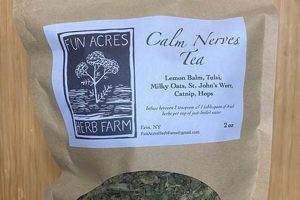
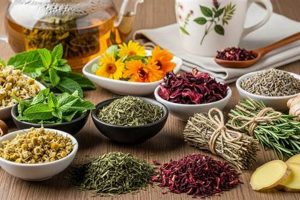
The consumption of infusions derived from herbs, rather than Camellia sinensis (true tea), has gained attention within the context of diabetes management. These beverages, prepared by steeping various plant materials in hot water, offer potential benefits due to their diverse phytochemical compositions. Such plant-derived brews are often low in calories and carbohydrates, qualities that are advantageous for individuals monitoring their blood glucose levels.
Historically, herbal remedies have played a role in traditional medicine systems across the globe. Specific plants have been used for their perceived hypoglycemic effects, antioxidant properties, and anti-inflammatory actions. The appeal lies in the potential for a natural and complementary approach to supporting overall well-being, especially for those managing conditions that require careful dietary considerations. These infusions can contribute to hydration and may offer a sensory experience that replaces less healthful sweetened beverages.
The subsequent sections will delve into specific herbal infusions and their potential impacts on glycemic control, insulin sensitivity, and other diabetes-related health markers. The discussion will consider the existing scientific evidence and highlight areas where further research is needed. It will also address potential risks and considerations for incorporating these beverages into a diabetes management plan.
Guidance on Herbal Infusions and Diabetes
The following points offer guidance regarding the integration of herbal infusions into the dietary management of diabetes. They emphasize informed consumption and awareness of potential interactions.
Tip 1: Prioritize Consultation. Before incorporating any herbal infusion regularly, engage with a healthcare provider or registered dietitian. This ensures the selected herbs do not interfere with existing medications or exacerbate any underlying health conditions.
Tip 2: Emphasize Unsweetened Varieties. Select herbal infusions that are naturally free of added sugars or artificial sweeteners. These additions can negatively impact blood glucose control and negate any potential health benefits.
Tip 3: Focus on Single-Ingredient Teas Initially. Begin with single-ingredient herbal infusions to monitor individual responses. This simplifies the identification of potential allergens or adverse reactions.
Tip 4: Monitor Blood Glucose Levels. Regularly monitor blood glucose levels, especially when introducing a new herbal infusion. This provides data on how the beverage affects individual glycemic control.
Tip 5: Be Aware of Potential Interactions. Understand that certain herbs can interact with diabetes medications, such as insulin or oral hypoglycemic agents. Research potential interactions thoroughly or consult a healthcare professional.
Tip 6: Consider Brewing Strength and Frequency. Adjust the brewing strength and frequency of consumption based on individual tolerance and perceived effects. Stronger brews or frequent consumption may amplify potential benefits or risks.
Tip 7: Source Reputable Brands. Purchase herbal infusions from reputable sources that adhere to quality control standards. This minimizes the risk of contamination or adulteration with unwanted ingredients.
Consistent monitoring, careful selection, and awareness of potential interactions are paramount. These herbal beverages should supplement, not replace, established diabetes management strategies.
The subsequent section will present an overview of commonly discussed herbal infusions and their potential relevance to diabetes management.
1. Glycemic Control

Glycemic control, defined as the maintenance of stable blood glucose levels within a target range, constitutes a central objective in diabetes management. The potential for herbal infusions to influence glycemic control positions them as a subject of considerable interest. This influence stems from several mechanisms. Certain herbs contain compounds that may enhance insulin sensitivity, thereby improving glucose uptake by cells. Others may inhibit the activity of enzymes involved in carbohydrate digestion, resulting in a slower release of glucose into the bloodstream. For example, some studies suggest that cinnamon, often consumed as an infusion or spice, may help improve fasting blood glucose levels and postprandial glucose response in individuals with type 2 diabetes. Similarly, infusions prepared from fenugreek seeds have shown promise in lowering blood sugar levels due to their high fiber content and potential effects on glucose metabolism.
The impact of herbal infusions on glycemic control is not uniform and depends on several factors, including the specific herb used, the dosage, the individual’s metabolic profile, and concurrent dietary and lifestyle factors. While some herbal infusions might exert a beneficial effect on blood glucose regulation, others may have a negligible or even detrimental impact. It is therefore crucial to approach the consumption of herbal infusions with a degree of caution and informed awareness. For example, consuming excessive amounts of licorice root infusion may lead to increased blood pressure, which can indirectly affect glycemic control due to its impact on stress hormones and insulin resistance.
In summary, the relationship between herbal infusions and glycemic control is nuanced. While some herbal preparations hold promise as adjuncts to diabetes management, their effectiveness and safety necessitate individual consideration and professional guidance. The proactive monitoring of blood glucose levels when introducing any new herbal infusion is essential to assess its impact on glycemic control and to make informed decisions regarding its continued use within a comprehensive diabetes management strategy. Furthermore, the impact on glycemic control of herbal infusions may vary. Some herbs consumed as infusions contain compounds which may affect the insulin response in the body. Individuals should monitor their own blood glucose to see the results from consuming different herbs and infusions.
2. Insulin Sensitivity

Insulin sensitivity, a critical factor in glucose metabolism, describes the responsiveness of cells to insulin’s signal to absorb glucose from the bloodstream. Reduced insulin sensitivity, often referred to as insulin resistance, necessitates higher insulin levels to achieve the same glucose-lowering effect, potentially leading to elevated blood sugar and eventual type 2 diabetes. The consumption of certain herbal infusions has been investigated for its potential to improve insulin sensitivity, offering a possible avenue for diabetes management. The precise mechanisms through which these infusions might exert this effect are varied, encompassing antioxidant activity, anti-inflammatory properties, and the modulation of specific cellular signaling pathways involved in insulin action.
Several herbal infusions have demonstrated promise in preclinical and clinical studies regarding their impact on insulin sensitivity. For example, green tea, rich in catechins, has been linked to improved insulin sensitivity in some studies, possibly through its antioxidant effects that reduce oxidative stress, a known contributor to insulin resistance. Similarly, infusions of ginger, known for its anti-inflammatory properties, have shown potential to enhance insulin sensitivity and improve glucose uptake in peripheral tissues. However, it is crucial to acknowledge that the evidence base remains preliminary, and further rigorous research is necessary to confirm these findings and elucidate the optimal dosages and long-term effects of these infusions.
In summary, the relationship between herbal infusions and insulin sensitivity represents an area of active investigation with potential implications for diabetes management. While preliminary evidence suggests that certain herbal preparations may improve insulin sensitivity through various mechanisms, it is essential to approach these findings with caution and to consult healthcare professionals before incorporating such infusions into a diabetes management plan. A comprehensive approach, including dietary modifications, exercise, and medication when necessary, remains the cornerstone of effective diabetes management.
3. Antioxidant Properties

Oxidative stress, characterized by an imbalance between the production of reactive oxygen species (ROS) and the body’s antioxidant defenses, plays a significant role in the pathogenesis of diabetes and its associated complications. Elevated blood glucose levels in diabetic individuals can exacerbate oxidative stress, leading to damage of cells and tissues. Antioxidant properties, inherent in some herbal infusions, offer a potential countermeasure to this process. Certain compounds present in herbs, such as polyphenols, flavonoids, and other phytochemicals, act as antioxidants by neutralizing free radicals and reducing oxidative damage. For example, rooibos tea is rich in antioxidants such as aspalathin and nothofagin, which contribute to cellular protection against damage.
The importance of antioxidant properties in the context of diabetes management lies in their potential to mitigate the harmful effects of oxidative stress on various organ systems. Chronic oxidative stress contributes to the development of diabetic neuropathy, nephropathy, retinopathy, and cardiovascular disease. Consuming herbal infusions rich in antioxidants may help to reduce the risk or slow the progression of these complications by protecting cells from oxidative damage. Examples include infusions from hibiscus, which has demonstrated antioxidant and anti-inflammatory effects in studies, potentially contributing to vascular health. However, the bioavailability and efficacy of these antioxidants can vary depending on factors such as the specific herb, preparation method, and individual metabolism.
In summary, the antioxidant properties of certain herbal infusions represent a potentially beneficial attribute for individuals with diabetes. While these properties cannot replace conventional treatments, they may offer a complementary approach to reducing oxidative stress and mitigating the risk of diabetes-related complications. Further research is needed to fully understand the extent and mechanisms of these antioxidant effects and to determine the optimal ways to incorporate antioxidant-rich herbal infusions into a comprehensive diabetes management plan. Individuals should select herbs with known antioxidant activity and consider the potential benefits within the context of their overall health and dietary needs.
4. Inflammation Reduction
Chronic inflammation is increasingly recognized as a significant contributor to the pathogenesis of type 2 diabetes and its associated complications. Elevated levels of inflammatory markers can impair insulin signaling, promote insulin resistance, and contribute to the dysfunction of pancreatic beta cells, which are responsible for insulin production. Consequently, strategies aimed at reducing inflammation are of considerable interest in the management of diabetes. Certain herbal infusions possess anti-inflammatory properties, offering a potential adjunctive approach to conventional treatments. These infusions contain bioactive compounds that can modulate inflammatory pathways, inhibit the production of pro-inflammatory cytokines, and promote the resolution of inflammation. Examples include ginger and turmeric infusions, which contain compounds like gingerol and curcumin, respectively, both known for their potent anti-inflammatory actions. Clinical studies have suggested that regular consumption of these spices, or extracts derived from them, may help reduce markers of inflammation in individuals with diabetes.
The practical significance of understanding the link between inflammation reduction and herbal infusions lies in the potential for incorporating these beverages into a broader lifestyle approach to diabetes management. While not a replacement for prescribed medications or dietary recommendations, regular consumption of anti-inflammatory herbal infusions can complement these strategies by further mitigating the inflammatory burden associated with the disease. For example, chamomile infusions contain apigenin, an antioxidant with anti-inflammatory effects. Regular consumption could contribute to reduced systemic inflammation, potentially alleviating some of the microvascular issues prevalent in those with diabetes. The specific choice of herbal infusion should be guided by individual tolerance, potential interactions with medications, and the overall goals of the diabetes management plan. Additionally, the source and quality of the herbal infusions should be considered to minimize exposure to contaminants and ensure optimal bioavailability of the active compounds.
In conclusion, the anti-inflammatory properties of select herbal infusions offer a promising avenue for complementing diabetes management strategies. By reducing chronic inflammation, these beverages may contribute to improved insulin sensitivity, better glycemic control, and a reduced risk of diabetes-related complications. However, rigorous scientific evaluation and personalized guidance from healthcare professionals are essential to ensure the safe and effective integration of herbal infusions into an individualized diabetes management plan. Further research is needed to fully elucidate the optimal types, dosages, and long-term effects of these infusions in individuals with diabetes. The focus should remain on holistic approach to diabetes management.
5. Hydration Support

Adequate hydration is a critical, yet often overlooked, component of comprehensive diabetes management. Dehydration can exacerbate hyperglycemia by increasing the concentration of glucose in the blood and impairing insulin’s effectiveness. Moreover, the kidneys require sufficient fluid to efficiently filter and excrete excess glucose through urine, a process that becomes compromised during dehydration. Herbal infusions, unsweetened, can serve as a palatable and calorie-free means of promoting hydration in individuals with diabetes. Unlike sugary beverages, they do not contribute to glycemic excursions and can, in some instances, offer additional benefits owing to their bioactive compounds. For example, individuals with diabetes who find plain water unappealing may find it easier to consume the recommended daily fluid intake by incorporating herbal infusions like hibiscus or chamomile, thereby supporting kidney function and overall metabolic health. These infusions can be consumed warm or cold, providing versatile options for maintaining hydration throughout the day, especially for individuals who experience increased fluid loss due to frequent urination, a common symptom of poorly controlled diabetes. The volume and timing of herbal infusion consumption should be considered alongside other dietary and lifestyle factors to maintain optimal hydration status.
The effectiveness of herbal infusions in promoting hydration is contingent upon several factors, including the individual’s underlying health status, activity level, and environmental conditions. Individuals with kidney disease, a common complication of diabetes, may require specific fluid restrictions and should consult with a healthcare professional before significantly increasing their fluid intake, even with unsweetened herbal infusions. Furthermore, certain herbal infusions possess diuretic properties, potentially leading to increased fluid loss rather than enhanced hydration. For instance, dandelion infusions, while offering certain potential benefits, may also act as a mild diuretic, requiring careful consideration of overall fluid balance. Individuals should monitor their urine output and hydration status closely when introducing new herbal infusions into their routine. The presence of edema, dark urine, or persistent thirst may indicate inadequate hydration or fluid imbalance. Awareness of these potential nuances ensures a safe and effective approach to utilizing herbal infusions for hydration support.
In summary, unsweetened herbal infusions can be a valuable tool for promoting hydration in individuals with diabetes, provided they are consumed mindfully and in conjunction with appropriate medical guidance. By avoiding added sugars and offering a variety of flavors, these beverages can enhance fluid intake without negatively impacting blood glucose control. However, individuals should be aware of potential diuretic effects, fluid restrictions related to underlying health conditions, and the importance of monitoring hydration status. Ultimately, the use of herbal infusions for hydration support should be integrated into a comprehensive diabetes management plan that emphasizes individualized dietary recommendations and regular communication with healthcare professionals.
6. Medication Interactions
The potential for interactions between prescribed medications and herbal infusions necessitates careful consideration in individuals managing diabetes. Concurrent use of these agents can alter drug efficacy or increase the risk of adverse effects, impacting overall health outcomes.
- Pharmacokinetic Interactions
Some herbal constituents can affect the absorption, distribution, metabolism, or excretion of drugs. For instance, St. John’s Wort, though not typically recommended for diabetics, is a known inducer of CYP3A4 enzymes, potentially reducing the plasma concentrations of various medications, including some oral hypoglycemic agents. This diminished drug exposure may lead to suboptimal glycemic control.
- Pharmacodynamic Interactions
Certain herbal infusions can exhibit additive or synergistic effects with diabetes medications, enhancing or opposing their intended actions. For example, combining cinnamon infusions with insulin or sulfonylureas may potentiate the hypoglycemic effect, increasing the risk of hypoglycemia. Conversely, some herbs could theoretically counteract the effects of diabetes medications, leading to hyperglycemia.
- Impact on Blood Clotting
Several herbal infusions, such as those containing ginger or garlic, possess antiplatelet properties. Concurrent use with anticoagulant or antiplatelet medications like warfarin or aspirin can increase the risk of bleeding events. Individuals with diabetes are often prescribed these medications to manage cardiovascular risk, making this a particularly relevant consideration.
- Electrolyte Imbalances
Some herbal infusions, particularly those with diuretic effects, can influence electrolyte balance, potentially interacting with medications that affect sodium, potassium, or magnesium levels. This is significant for individuals taking diuretics or ACE inhibitors, as electrolyte disturbances can have serious consequences, including cardiac arrhythmias.
Given the potential for diverse and complex interactions, individuals with diabetes should always consult a healthcare provider or pharmacist before incorporating herbal infusions into their routine. Comprehensive medication reconciliation and awareness of potential herb-drug interactions are crucial for ensuring safe and effective diabetes management.
7. Safe Consumption
Considerations regarding safe consumption are paramount when evaluating the integration of herbal infusions into a dietary plan for individuals with diabetes. The biological activity of plant-derived compounds necessitates informed and cautious usage to mitigate potential adverse effects.
- Source Integrity and Purity
The origin and processing of herbal materials significantly influence their safety profile. Contamination with heavy metals, pesticides, or adulterants can pose health risks, particularly for individuals with compromised renal function, a common comorbidity in diabetes. Sourcing from reputable suppliers that adhere to stringent quality control standards is crucial to minimize these risks.
- Dosage and Preparation Method
The concentration of bioactive compounds in herbal infusions varies depending on the brewing time, water temperature, and quantity of plant material used. Overconsumption or improper preparation can lead to excessive exposure to potent substances, potentially resulting in adverse reactions. Adhering to recommended brewing guidelines and starting with lower concentrations to assess individual tolerance is advised.
- Allergenic Potential
Individuals with allergies to specific plants or pollen may experience allergic reactions upon consuming related herbal infusions. Common allergens include chamomile, ragweed, and certain members of the Asteraceae family. Awareness of potential cross-reactivity and cautious introduction of new herbal infusions are essential to prevent allergic responses.
- Pre-Existing Conditions and Medication Interactions
Certain herbal constituents can interact with pre-existing medical conditions or prescribed medications, altering their efficacy or increasing the risk of side effects. Individuals with diabetes often manage multiple comorbidities and medications, necessitating thorough consultation with a healthcare professional before incorporating herbal infusions into their routine. Awareness of potential herb-drug interactions is crucial for avoiding adverse health outcomes.
The safe consumption of herbal infusions within a diabetes management framework requires careful attention to source integrity, appropriate dosage, allergenic potential, and potential interactions with existing medical conditions and medications. A collaborative approach involving healthcare providers and informed consumer choices is essential for optimizing benefits and minimizing risks.
Frequently Asked Questions
The following addresses common inquiries regarding the consumption of herbal infusions within the context of diabetes management, offering clarity on their potential benefits and risks.
Question 1: Can herbal infusions replace conventional diabetes medications?
Herbal infusions should not be considered substitutes for prescribed diabetes medications. While certain infusions may offer complementary benefits, they are not intended to replace established pharmacological treatments for managing blood glucose levels and preventing diabetes-related complications.
Question 2: What are the risks associated with consuming herbal infusions while managing diabetes?
Potential risks include interactions with diabetes medications, allergic reactions, contamination of herbal products, and the possibility of inaccurate information regarding their efficacy. Individuals should consult a healthcare professional before incorporating herbal infusions into their regimen.
Question 3: How should an individual with diabetes select a safe and effective herbal infusion?
Selection criteria should prioritize reputable brands with transparent sourcing practices, products free from added sugars or artificial sweeteners, and single-ingredient infusions to facilitate monitoring for adverse reactions. Prior consultation with a healthcare provider is essential.
Question 4: Are there specific herbal infusions that are generally considered safer for individuals with diabetes?
Infusions like chamomile, hibiscus, and rooibos are often cited for their potential benefits and lower risk profiles. However, individual responses can vary, and any new infusion should be introduced cautiously with careful monitoring of blood glucose levels.
Question 5: How much herbal infusion is safe to consume daily for someone with diabetes?
The appropriate quantity varies based on the specific herb, individual factors, and potential interactions with medications. Starting with small amounts and gradually increasing consumption, while closely monitoring blood glucose, is recommended. Consulting a healthcare provider for personalized guidance is advised.
Question 6: Can herbal infusions affect blood glucose monitoring results?
Certain herbal infusions may have a modest impact on blood glucose levels, potentially influencing monitoring results. Consistent timing of infusion consumption and accurate record-keeping of dietary intake can help to identify any correlations and ensure informed diabetes management.
In summary, the consumption of herbal infusions by individuals with diabetes requires careful consideration of potential risks, benefits, and interactions. Healthcare professional guidance is paramount for ensuring safe and effective integration into a comprehensive diabetes management plan.
The following outlines key considerations for integrating herbal infusions into a holistic approach to diabetes care.
Conclusion
The exploration of “are herbal teas good for diabetics” reveals a complex interplay of potential benefits and inherent risks. Specific herbal infusions may offer ancillary support in managing glycemic control, improving insulin sensitivity, and reducing oxidative stress and inflammation. However, these benefits are contingent upon careful selection, appropriate preparation, and mindful consumption practices. The potential for interactions with medications and the variability in individual responses necessitate a cautious and informed approach.
The responsible integration of herbal infusions into a diabetes management plan mandates a collaborative effort between individuals and healthcare professionals. Further research is crucial to elucidate the optimal types, dosages, and long-term effects of these infusions, but until then, it should be seen as one part of a well-rounded and doctor-approved diet and lifestyle.